Avalon Memory Care – St. Louis

Save

Avalon Memory Care – St. Louis

5342 Butler Hill Road, St. Louis, MO 63128

For more information about senior living options: (844) 490-3973

4.4 from 16 reviews
5 stars
13
4 stars
1
3 stars
0
2 stars
0
1 stars
2

Assisted Living Memory Care

What level of care are you interested in?

Assisted Living

Memory Care

Independent Living

Skilled Nursing Facility

Continuing Care Retirement Community (CCRC)CCRC

Other


Request a tour at Avalon Memory Care – St. Louis

    Overall Review of Avalon Memory Care – St. Louis

    Pros

    • pro The staff at Avalon Memory Care are described as the most caring.
    • pro They treat residents and their families like family.
    • pro Avalon Memory Care handles complex dementia issues, giving families peace of mind.
    • pro The phone staff are friendly, helpful, and quick to answer questions.
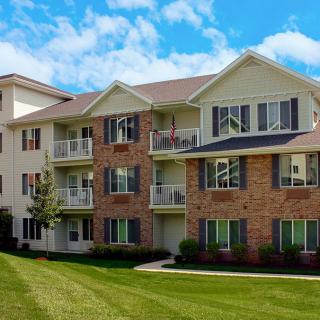
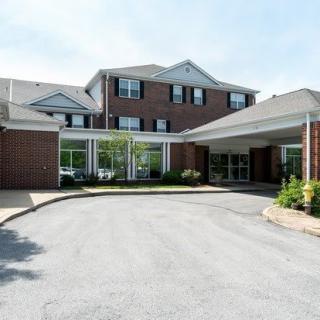
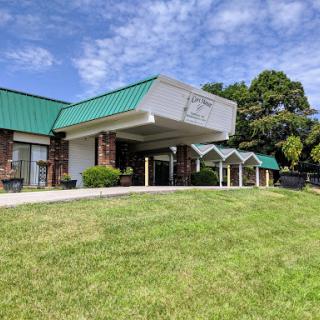
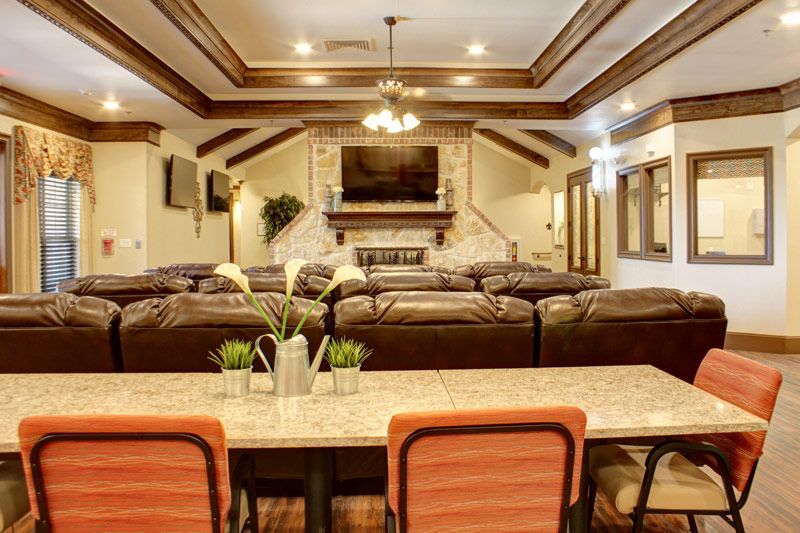
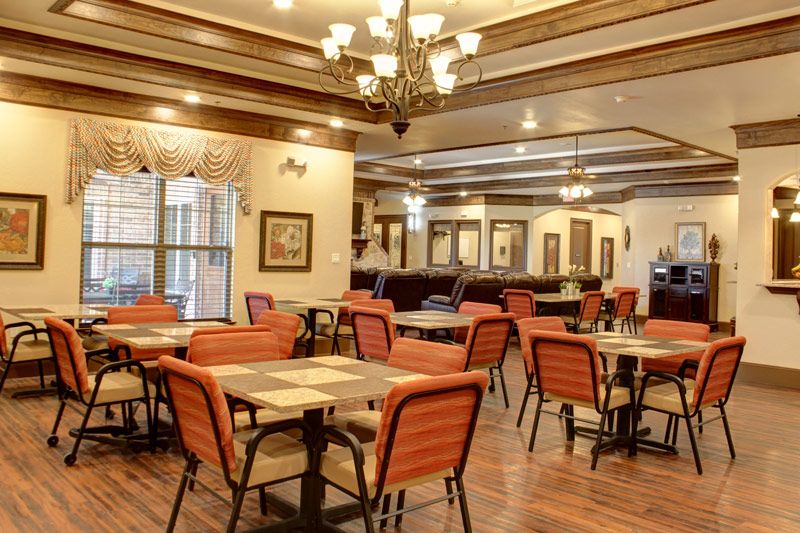
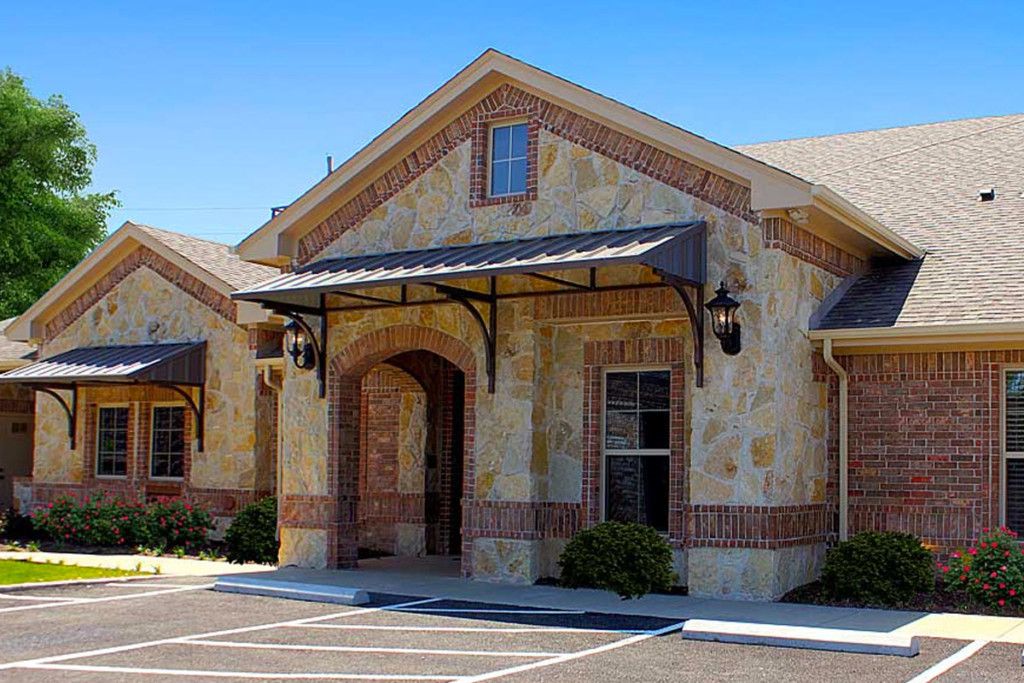
    • pro The facility is spacious, well maintained, with inviting dining and activity areas and a lovely outdoor courtyard.
    • pro Access to the facility is secure and Covid precautions are consistently enforced.
    • pro The facility director and administrative staff are open to communication and highly efficient.
    • pro The care team goes above and beyond to support residents, including during transitions and after a loved one's passing.

    Cons

    • pro A reviewer stated that their father was at Avalon Memory Care in 2020 and had a horrible experience, and they would not recommend Avalon.

    Review

    Avalon Memory Care is described by many as a place where compassionate people and a thoughtfully designed environment come together to support families dealing with memory-related conditions. Across the experiences shared, the most powerful theme is the sense that the staff treat residents - and their families - with genuine care and respect. In several accounts, Avalon is portrayed as a home-like setting where caregivers go beyond the basics to address not only the medical and daily living needs of residents, but also the emotional and logistical challenges that families face when a loved one lives with dementia, Lewy body disease, or Parkinson's. While a single reviewer recounts a very negative experience from 2020, the overwhelming majority celebrate Avalon as a place that provides peace of mind through consistent, heartfelt caregiving.

    A recurrent thread in the praise centers on the staff's character and dedication. Families repeatedly describe the team as loving, patient, and highly capable of handling difficult dementia symptoms. One reviewer highlighted that the staff were able to manage his father's most complex issues with dementia, which allowed the family to experience real peace of mind. Another account emphasizes that the staff treated the resident like family, offering warmth and kindness that extended to family members as well. The caregivers are portrayed as professionals who are flexible and responsive, often going above and beyond to support both residents and the people who care for them at home, especially during transitions from home to memory care.

    Leadership and administrative responsiveness are also repeatedly praised. The facility director is described as approachable and quick to respond to questions or concerns, while the Dallas administrative team is commended for their efficiency, courtesy, and helpfulness. Families appreciate that communications are open and that the process of bringing a loved one to Avalon - whether it is arranging admission or navigating the logistics afterward - moves smoothly. One reviewer specifically noted how the director's engagement with families fosters trust, and another highlighted a staff member who made the registration process easy. This sense of accessible leadership and organized administration contributes to the overall confidence families feel when making Avalon their loved one's home.

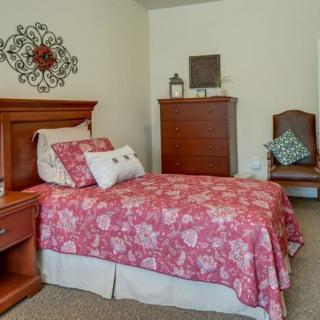
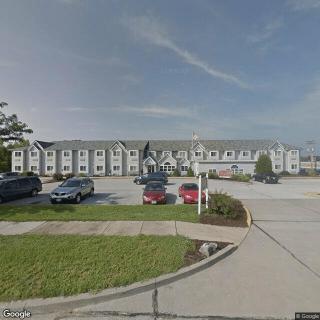
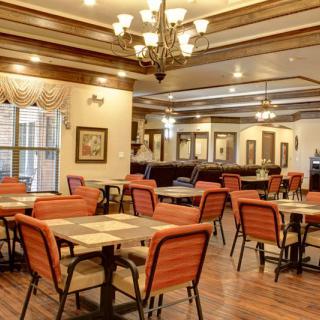
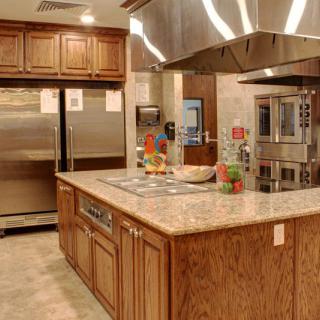
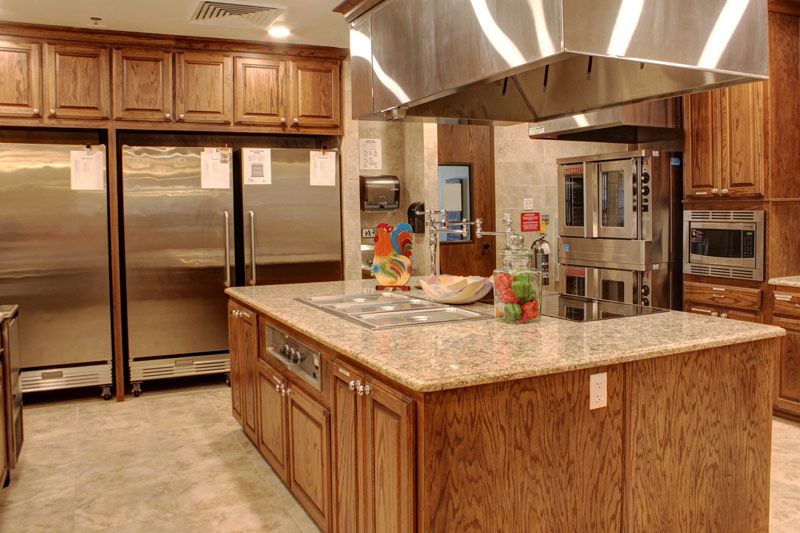
    The physical environment at Avalon is consistently depicted as both attractive and functional. The facility is described as spacious and well maintained, with a layout that promotes social interaction among residents. The dining and activity areas are said to be inviting and open, and individual rooms are highlighted as large and sunny, with amenities such as a generous bath/shower area. The open kitchen and the larger, open-home concept contribute to a sense of belonging and normalcy, which many reviewers believe helps residents feel more at home. An outdoor courtyard adds a pleasant outdoor space, and security measures, along with consistently enforced Covid precautions, provide reassurance to families concerned about safety and wellbeing.

    When it comes to day-to-day care, reviewers emphasize the tangible differences that come with Avalon's approach. The smaller resident groups enable more individualized attention, with staff noted for being attentive to personal needs and preferences. Observations of routine care - hair washing, dressing, feeding during hospital stays, and general daily support - point to a level of dedication that families find reassuring. Multiple accounts reference compassionate interactions during hospital visits, where staff show up to assist and ensure continuity of care, underscoring the notion that Avalon's team sees the bigger picture of a resident's health journey, not just isolated moments in time.

    Several compelling stories illustrate the depth and scope of Avalon's caregiving. For families facing the end of life, Avalon is described as a place where staff members not only provide practical support but also offer meaningful comfort during difficult days. One account details a Lewy bodies and Parkinson's diagnosis in which the team welcomed the father and made the admission process straightforward, and later provided care that extended into the family's bereavement. Another family recounts how staff came to move their mother using their own vehicles when transferring her from a less attentive setting, then continued to care for her during fluctuating health conditions. These narratives illuminate how Avalon's care philosophy translates into concrete, person-centered actions in moments of vulnerability.

    Across time, the experiences reinforce a theme of trust and gratitude. Several reviewers note that their loved ones have formed connections with Avalon residents and staff that feel almost like a family extended beyond formal caregiving. The sense of community, the consistency of attentive staff, and the emphasis on a homelike environment - where residents can feel safe, valued, and engaged - are repeatedly cited as reasons families feel fortunate to have chosen Avalon. A final reflection from a family member who has watched a mother or sister receive attentive and loving care over months underscores the broader impact: a sincere appreciation for a facility that respects dignity and provides a supportive, humane space for those facing the realities of memory-related illnesses.

    Amid the many positive experiences, it is important to acknowledge that one reviewer reported a very negative experience in 2020, indicating that not every story unfolds the same way. This reminder of divergent experiences serves as a counterpoint to the prevailing tone, suggesting that individual interactions, timing, and specific circumstances can shape outcomes. Despite this, the bulk of feedback paints Avalon Memory Care as a place where skilled staff, responsive leadership, and a thoughtfully designed environment come together to support families navigating dementia and related conditions, offering a combination of professional care, personal warmth, and a sense of home that many families come to rely on during one of life's most challenging journeys.

    Features

    Housing

    • 30 resident community capacity 30 resident community capacity

    Types of Care

    • Assisted Living Assisted LivingAssisted living facilities provide crucial support and care for seniors who may need help with daily tasks such as medication management, bathing, and meal preparation. These communities offer a safe and comfortable environment where seniors can maintain their independence while receiving the assistance they need to thrive in their golden years.
    • Memory Care Memory CareMemory care is crucial for seniors as it provides specialized support and services for individuals with dementia or Alzheimer's disease. These programs offer a safe and secure environment where residents receive personalized care, cognitive stimulation, and help with daily activities. Memory care helps seniors maintain their independence, quality of life, and dignity while also providing peace of mind for their families.

    Amenities

    • Beauty salon Beauty salonBeauty salons are important for seniors because they provide a space for them to feel pampered, socialize, and maintain their personal grooming and hygiene. Regular visits to a beauty salon can help boost seniors' self-esteem and overall well-being.
    • Cable or satellite TV Cable or satellite TVCable or satellite TV is important for seniors because it provides entertainment, news, and companionship, helping to combat loneliness and boredom. It also offers a wide range of programming options tailored to different interests and preferences.
    • Dining room Dining roomDining rooms are important for seniors as they provide a space for socialization, connection, and nutritious meals. They offer opportunities for residents to bond over shared meals, foster a sense of community, and promote healthy eating habits. Dining rooms also ensure that seniors have access to well-balanced meals tailored to their dietary needs and preferences.
    • Fully furnished Fully furnishedFully furnished senior living communities are important for seniors because they provide convenience, comfort, and a hassle-free moving experience. Seniors can easily settle into their new living space without the stress of having to buy and move furniture. This allows them to focus on enjoying their new home and community.
    • Garden GardenGardens are important for seniors as they provide a peaceful and therapeutic environment for relaxation, physical activity, and socialization. Being in nature has been shown to reduce stress, improve mood, and promote overall well-being. Gardens also offer opportunities for seniors to engage in gardening activities, which can improve mobility, flexibility, and cognitive function. Additionally, gardens create a sense of community and connection with others who share a passion for plants and outdoor spaces.
    • Housekeeping services Housekeeping servicesHousekeeping services are important for seniors because they help maintain a clean and safe living environment, promote independence, and reduce the risk of accidents or illnesses. Additionally, having assistance with household chores can alleviate physical strain and allow seniors to focus on other aspects of their well-being.
    • Kitchenette KitchenetteKitchenettes are important for seniors living in senior living communities because they provide the convenience and independence of being able to prepare simple meals and snacks in the comfort of their own living space. This can help promote a sense of autonomy and well-being for seniors, allowing them to maintain some level of control over their dietary choices and daily routines.
    • Move-in coordination Move-in coordinationMove-in coordination is important for seniors because it helps ease the transition into their new living environment. It ensures that all logistics, such as packing, organizing movers, and setting up utilities are taken care of, allowing seniors to focus on settling in and adjusting to their new home. Having a smooth move-in process can alleviate stress and anxiety, making the transition smoother and more enjoyable for seniors.
    • Outdoor space Outdoor spaceOutdoor spaces are important for seniors as they provide opportunities for physical activity, social interaction, exposure to natural light and fresh air, and a sense of connection to nature. Having access to outdoor spaces can improve overall well-being and quality of life for older adults living in senior communities.
    • Restaurant-style dining Restaurant-style diningRestaurant-style dining is important for seniors because it allows them to enjoy delicious, nutritious meals in a social and upscale setting. This enhances their dining experience, promotes healthy eating habits, and fosters socialization with fellow residents, ultimately contributing to their overall well-being and quality of life.
    • Small library Small librarySmall libraries are important for seniors as they provide access to a variety of reading materials, including books, newspapers, and magazines. This can help stimulate their minds, keep them engaged, and provide a sense of community through book clubs and other social activities. Additionally, reading has been shown to improve cognitive function and overall mental well-being in older adults.
    • Telephone TelephoneTelephones are important for seniors as they provide a lifeline for communication with loved ones, emergency services, and healthcare providers. They offer a sense of security and independence, enabling seniors to stay connected and access assistance when needed.
    • Wi-Fi/high-speed internet available Wi-Fi/high-speed internet availableWi-Fi/high-speed internet is important for seniors to stay connected with loved ones, access online resources, and participate in virtual activities to combat feelings of loneliness and isolation. It also allows them to easily manage healthcare needs, access entertainment, and engage in lifelong learning opportunities.

    Transportation

    • Lambert-St Louis International (19 miles away) Lambert-St Louis International (19 miles away)

    Care Services

    • 24-hour call system 24-hour call system24-hour call systems are important for seniors because they provide peace of mind and immediate assistance in case of emergencies. This technology ensures that help is always available, promoting safety and security for elderly individuals living alone or in assisted living facilities.
    • 24-hour supervision 24-hour supervision24-hour supervision is important for seniors to ensure their safety, well-being, and access to immediate assistance in case of emergencies or health issues. This constant support provides peace of mind for both seniors and their loved ones, allowing them to age in place with dignity and security.
    • Activities of daily living assistance Activities of daily living assistanceActivities of daily living assistance are important for seniors because they provide essential support with tasks such as eating, bathing, dressing, and mobility. This assistance helps seniors maintain their independence, dignity, and overall quality of life as they age.
    • Assistance with bathing Assistance with bathingAssistance with bathing is crucial for seniors as it helps maintain personal hygiene, prevents infections, and ensures their overall well-being and comfort. It also provides a sense of dignity and independence for seniors who may struggle with this task on their own.
    • Assistance with dressing Assistance with dressingAssistance with dressing is important for seniors because it helps maintain their independence, promotes personal hygiene, prevents accidents and injuries, and improves overall quality of life. This service ensures that seniors can continue to dress comfortably and confidently, despite any physical limitations they may have.
    • Assistance with transfers Assistance with transfersAssistance with transfers is crucial for seniors as it helps prevent falls and injuries, maintains their independence, and ensures they can safely navigate their living environment. It also provides peace of mind for both seniors and their loved ones.
    • Diabetes diet Diabetes dietA diabetes diet is crucial for seniors as it helps manage blood sugar levels, reduce risks of complications, and improve overall health and well-being. By following a balanced and nutritious diet tailored to their specific needs, seniors can better control their diabetes and enhance their quality of life.
    • Meal preparation and service Meal preparation and serviceMeal preparation and service are crucial for seniors as they may have limited mobility or energy to cook nutritious meals. Having access to healthy and convenient food options can ensure they are getting the proper nutrition needed to maintain their overall health and well-being.
    • Medication management Medication managementMedication management is crucial for seniors to ensure they are taking the right medications at the correct dosages and times. This helps prevent adverse drug interactions, reduces the risk of medication errors, and promotes overall health and well-being. Proactive management also allows for adjustments as needed based on changing health conditions or new prescriptions.
    • Mental wellness program Mental wellness programMental wellness programs are essential for seniors as they promote cognitive stimulation, emotional support, and social engagement. These programs help prevent isolation, depression, and cognitive decline, ultimately enhancing the overall quality of life for older adults.
    • Mild cognitive impairment Mild cognitive impairment"Mild cognitive impairment" is important for seniors because it is an early stage of cognitive decline that can potentially progress to more severe conditions such as dementia. Recognizing and addressing mild cognitive impairment can help seniors receive appropriate care and support to maintain their quality of life and independence for as long as possible.
    • Special dietary restrictions Special dietary restrictionsSpecial dietary restrictions are important for seniors because age-related changes in metabolism and health conditions can make it difficult for their bodies to process certain foods. By following a diet tailored to their specific needs, seniors can maintain their overall health and well-being, manage chronic conditions, and reduce the risk of complications such as malnutrition or food interactions with medications.
    • Specialized memory care programming Specialized memory care programmingSpecialized memory care programming is crucial for seniors with cognitive impairments such as dementia or Alzheimer's disease. These programs provide a safe and supportive environment tailored to the unique needs of individuals with memory loss, helping them maintain their independence, dignity, and quality of life.

    Dining

    • Diabetes diet Diabetes dietA diabetes diet is crucial for seniors as it helps manage blood sugar levels, reduce risks of complications, and improve overall health and well-being. By following a balanced and nutritious diet tailored to their specific needs, seniors can better control their diabetes and enhance their quality of life.
    • Special dietary restrictions Special dietary restrictionsSpecial dietary restrictions are important for seniors because age-related changes in metabolism and health conditions can make it difficult for their bodies to process certain foods. By following a diet tailored to their specific needs, seniors can maintain their overall health and well-being, manage chronic conditions, and reduce the risk of complications such as malnutrition or food interactions with medications.

    Activities

    • Community-sponsored activities Community-sponsored activitiesCommunity-sponsored activities are important for seniors as they provide opportunities for social interaction, mental stimulation, and physical activity. These activities can help improve overall well-being, combat loneliness and isolation, and promote a sense of belonging and purpose among older adults.
    • Resident-run activities Resident-run activitiesResident-run activities are important for seniors as they encourage social interaction, creativity, and a sense of autonomy. These activities empower seniors to stay engaged and active in their community while fostering meaningful connections with their peers.
    • Scheduled daily activities Scheduled daily activitiesScheduled daily activities are important for seniors because they provide structure, socialization, mental stimulation, and physical activity. Engaging in regular activities can improve overall well-being and quality of life for seniors living in a community setting.

    Description

    Avalon Memory Care – St. Louis is an assisted living community located in St. Louis, MO, specializing in memory care for individuals with dementia or Alzheimer's disease. This community offers a range of amenities to ensure the comfort and well-being of its residents. Each resident enjoys a fully furnished apartment with cable or satellite TV, a kitchenette, and access to Wi-Fi/high-speed internet.

    The dining experience at Avalon Memory Care – St. Louis is designed to meet specific dietary restrictions, ensuring that all residents are provided with nutritious and appetizing meals. The community features a restaurant-style dining room where residents can socialize while enjoying their meals.

    To promote mental wellness, this community provides specialized memory care programming tailored to the unique needs of each individual. Trained staff members are available 24/7 to provide assistance with activities of daily living, such as bathing, dressing, and transfers.

    In addition to offering exceptional care services, Avalon Memory Care – St. Louis also provides opportunities for residents to stay active and engaged through resident-run activities and scheduled daily activities. The community is conveniently located close to parks, pharmacies, physicians' offices, restaurants, places of worship, and theaters.

    At Avalon Memory Care – St. Louis in St. Louis, MO, residents can expect compassionate care in a comfortable environment specifically designed for individuals with memory impairment.

    Nearby Places of Interest

    Parks

    • Suson County Park (0.6 miles)
    • Fenton Missouri (3.4 miles)
    • Cliff Cave County Park (5.4 miles)
    • Spellman Park (5.7 miles)
    • Jefferson Barracks County Park (6.4 miles)
    • Grant's Trail (6.6 miles)
    • Mastodon playground (7 miles)

    Physicians

    • Esse Health (0.9 miles)
    • Mercy South Breast Csncer (2.1 miles)
    • Signature Medical Group (2.3 miles)
    • Kebler, Robert Suburban Pediatrics (3.5 miles)
    • Crown Vision Center Oa (4.8 miles)
    • Timber Ridge Dentistry (7.3 miles)

    Restaurants

    • Cracker Barrel (1.6 miles)
    • Tequila Mexican Restaurant (2.2 miles)
    • Dave's Diner (2.4 miles)
    • Lee's Famous Recipe Chicken (2.5 miles)
    • Captain D's (2.5 miles)
    • Syberg's Arnold (2.6 miles)
    • Chick-Fil-A (2.7 miles)

    Pharmacies

    • Walgreens (2 miles)
    • Dierbergs (2.2 miles)
    • Walgreens (2.3 miles)
    • Walgreens (2.5 miles)
    • CVS Pharmacy (2.7 miles)
    • Schnucks (2.9 miles)
    • Dierbergs (3 miles)

    Cafes

    • Starbucks (2.6 miles)
    • First Watch - Oakville (4.7 miles)
    • Starbucks (5.3 miles)

    Theaters

    • Marcus Theatres (3.6 miles)

    Places of Worship

    • Peace Lutheran Church & Preschool (4.7 miles)
    • St Matthias Catholic Church (4.9 miles)
    • Queen of All Saints Church (5.1 miles)
    • Christ the King Church (6.8 miles)

    Hospitals

    • Jefferson Barracks VA Medical Center (5.9 miles)

    Frequently Asked Questions

    Where is Avalon Memory Care – St. Louis?
    Does Avalon Memory Care – St. Louis provide care for residents with dementia or Alzheimer's disease?
    What photos are available for Avalon Memory Care – St. Louis in St. Louis, Missouri?

    Nearby Communities

    Related Resources

    • does my mom have dementia quizFive Subtle Dementia Indicators to Observe: An In-Depth Guide to Understanding “Does My Mom Have Dementia?”

      The article presents five subtle indicators of dementia, such as memory lapses and mood swings, to help families assess cognitive decline in loved ones. It emphasizes early detection, open communication, and seeking professional help while providing practical support steps.

    • dementia paranoiaDementia, Paranoia, and Caregiver Guidance: Understanding the Connection

      Dementia encompasses progressive neurological disorders that impair cognitive functions and can lead to paranoia due to cognitive decline and emotional changes. The article discusses the triggers of paranoia in dementia, caregiver strategies for managing it, and the importance of distinguishing between dementia-related paranoia and other psychiatric conditions.

    • memory care activitiesEngaging Memory Care Activities That Enhance Quality of Life


      Memory care activities are essential for improving the quality of life of seniors with cognitive impairments, as they stimulate cognitive function, promote well-being, and encourage social interaction through tailored strategies. These activities combine structured exercises with spontaneous tasks, sensory engagement, physical workouts, creative pursuits, and intergenerational interactions to enhance emotional connection and a sense of purpose.


    Get Pricing Ask A Question Schedule A Tour Contact Senior Advisor