Brookdale West St. Paul Memory Care Costs & Pricing
At Brookdale West St. Paul Memory Care, the monthly costs for memory care services present a competitive option within Ramsey County and the broader state of Minnesota. For a semi-private room, residents can expect to pay $3,660, which is notably lower than the county's average of $3,915 and significantly below the state average of $4,051. In contrast, the pricing for a studio suite at Brookdale is set at $4,890. While this figure exceeds both the county rate of $3,546 and the state average of $3,617 for similar accommodations, it reflects the premium services and specialized care that Brookdale offers to its residents. This nuanced pricing structure underscores Brookdale's commitment to providing tailored memory care solutions that meet individual needs while remaining mindful of market trends.
Floor plans
Brookdale West St. Paul Memory Care
Ramsey County
Minnesota
Semi-Private
$3,660
$3,915
$4,051
Studio
$4,890
$3,546
$3,617
Memory care communities with a similar price nearby
Overall Review of Brookdale West St. Paul Memory Care
common14 reviews mention this
Small home-like setting stands out
Residents and families repeatedly describe a small, home-like feel.
Multiple reviews describe the community as small and home-like, which they connect to comfort and day-to-day fit for loved ones. Several also mention accessibility and familiar-feeling spaces, like porches and easy areas to get around. A few reviews add nuance, saying the space can feel too limited for the amount of medical support someone needs.
differentiator15 reviews mention this
Dining is a major focus
Dining quality and meal routines come up often in reviews.
Many reviews praise meals as home cooked, well prepared, and suited to residents’ preferences, including having a chef involved with what residents like. Others like the balance and quality of meals, while a few point out repetitive menus or limited variety. On the negative side, some residents report meals being warmed up in a microwave, fewer meal choices, or meals that don’t meet expectations consistently.
common13 reviews mention this
Activities help engagement daily
Activities are repeatedly mentioned as part of daily life.
Several reviews say activities happen regularly and that staff encourage residents to join, with outings and an activity calendar mentioned specifically. Some families describe daily involvement as a reason their loved ones participate more readily. A few reviews counter that activities can be limited when there isn’t a steady activity director or when the schedule doesn’t match the calendar provided.
caveat11 reviews mention this
Care staffing is a recurring concern
Staffing coverage and training issues show up in multiple reviews.
Some residents and families describe a care experience that depends heavily on who is working, citing turnover, training gaps, and inconsistent outcomes. Several negative reviews describe being short-staffed or overworked, with longer waits, limited help, and communication problems. Even within mixed reviews, concerns about adequate medical support and time for direct care appear alongside reports of dedicated staff trying their best.
common16 reviews mention this
Friendly interactions are commonly praised
Many reviewers describe staff as helpful, friendly, and caring.
A large share of reviews highlight staff kindness and responsiveness, including frequent positive interactions and families feeling informed about their loved one’s wellbeing. Some also mention helpful support with daily needs and a strong rapport with residents. At the same time, a smaller set of reviews describe staff who feel disengaged or not welcoming, including problems like delayed responses and lack of communication.
caveat2 reviews mention this
Billing and fees can disappoint
A few reviews raise concerns about billing accuracy and fees.
Some families report frustration with billing issues, including a late fee tied to payment timing and mismatches between billed amounts and records. While these complaints appear alongside otherwise positive notes about care, they remain a clear source of disappointment for those reviewers.
How we summarize
Counts show how many written reviews mention each theme; a review can touch several themes, and only frequently mentioned themes are displayed.
Features
Types of Care
Memory Care
Pets
Cats allowed
Dogs allowed
Amenities
Activities off-site
Activities on-site
Air-conditioning
Bath tubs
Beautician on-site
Devotional services on-site
Ground floor units
Handicap accessible
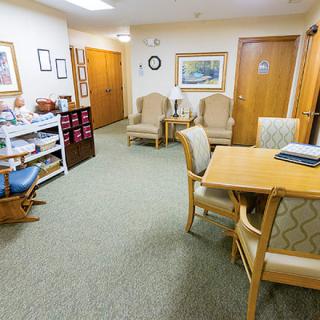
Indoor common areas
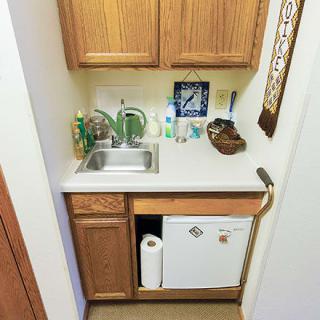
Kitchenette
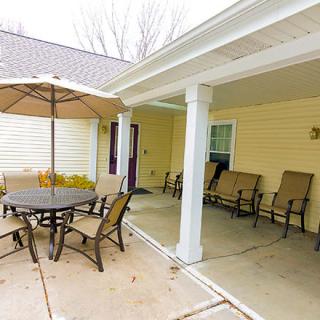
Outdoor common areas
Wheelchair accessible showers
Wi-Fi/high-speed internet available
Transportation
Minneapolis-St Paul International (7 miles away)
Care Services
Diabetic care
Incontinence care
Medication management
Dining
Anytime dining
Gluten-free
Guest meals
International cuisine
Low / no sodium
Meals provided
No Sugar
Organic
Professional chef
Room service
Special dining programs
Vegan
Vegetarian
Activities
Art classes
Catholic services
Cooking classes
Day trips and outings
Devotional activities on-site
Educational speakers / life long learning
Forever fit
Karaoke
Live dance or theater performances
Live musical performances
Live well programs
Stretching classes
Nearby Places of Interest
This area of West Saint Paul, Minnesota offers a variety of amenities that may be appealing to seniors looking for a comfortable and convenient place to live. With several family clinics, pharmacies, and hospitals nearby, residents have easy access to medical care. Additionally, there are numerous restaurants and cafes for dining out or grabbing a quick bite to eat. The neighborhood also features several parks and a dog park for outdoor recreation opportunities. For entertainment, there is a movie theater within a short distance as well as transportation options for exploring the wider area. Places of worship are available for spiritual fulfillment. Overall, this area provides a diverse range of services and facilities that can cater to the needs and preferences of seniors looking for a vibrant community in which to reside.
Physicians
Entira Family Clinics-West St Paul (0.4 miles)
Dakota Medical Solutions (1.2 miles)
West Side Community Health Services (1.9 miles)
Soundpoint Audiology (3.3 miles)
Entira Family Clinics - Inver Grove Heights (3.6 miles)
At Brookdale West St. Paul Memory Care, the monthly costs for memory care services present a competitive option within Ramsey County and the broader state of Minnesota. For a semi-private room, residents can expect to pay $3,660, which is notably lower than the county's average of $3,915 and significantly below the state average of $4,051. In contrast, the pricing for a studio suite at Brookdale is set at $4,890. While this figure exceeds both the county rate of $3,546 and the state average of $3,617 for similar accommodations, it reflects the premium services and specialized care that Brookdale offers to its residents. This nuanced pricing structure underscores Brookdale's commitment to providing tailored memory care solutions that meet individual needs while remaining mindful of market trends.
Brookdale West St. Paul Memory Care offers medication management to ensure that residents receive the correct dosages at the appropriate times, which is crucial for maintaining their overall health and stability, particularly for those with cognitive impairments. This service not only helps prevent missed or incorrect medications but also alleviates stress for both residents and their families, fostering a sense of security. Additionally, incontinence care is provided with dignity and respect, addressing a common challenge faced by individuals with dementia or Alzheimer's disease. By offering this specialized support, staff can ensure residents remain clean and comfortable, which significantly contributes to their quality of life while reducing anxiety related to incontinence issues. Together, these features create an environment where individuals can focus on meaningful engagement rather than the burdens of daily challenges.
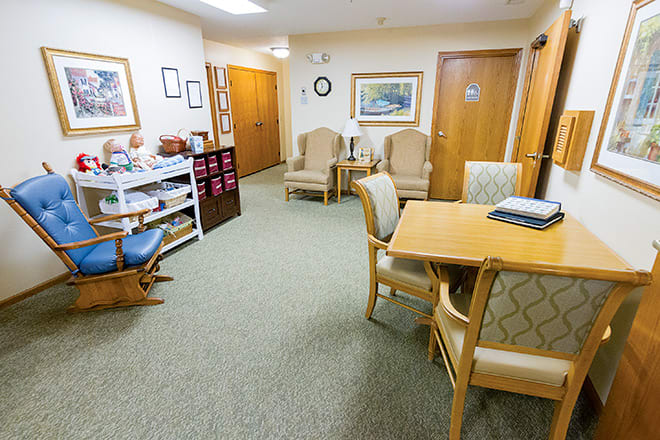
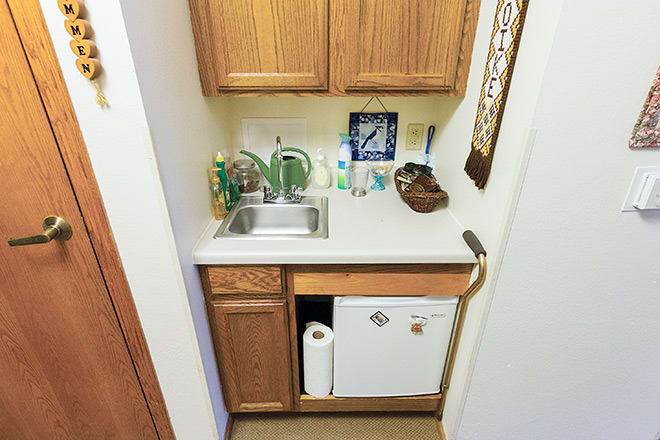
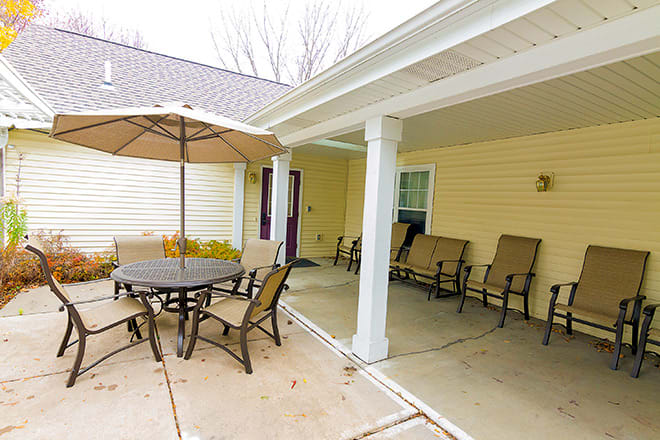
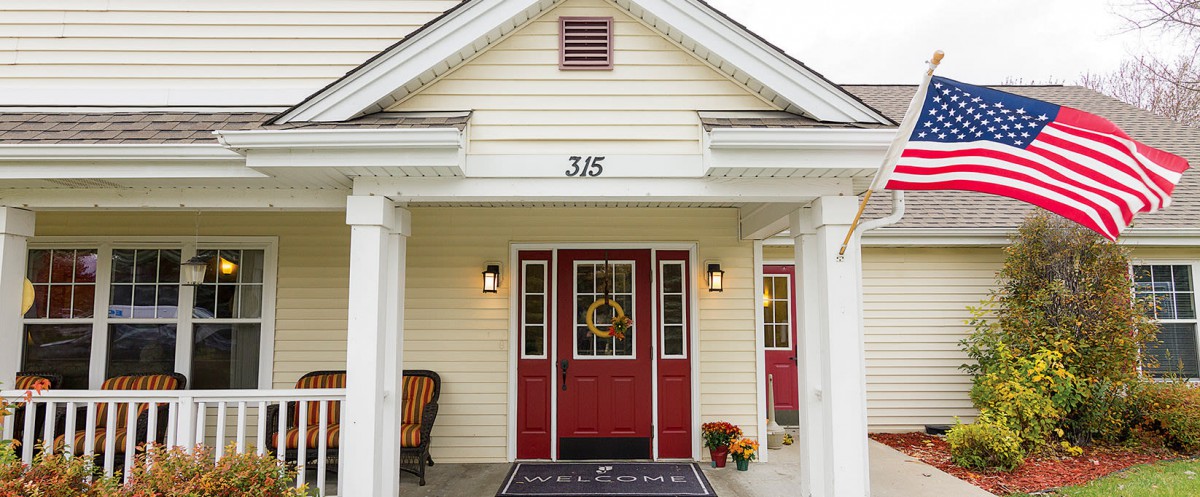
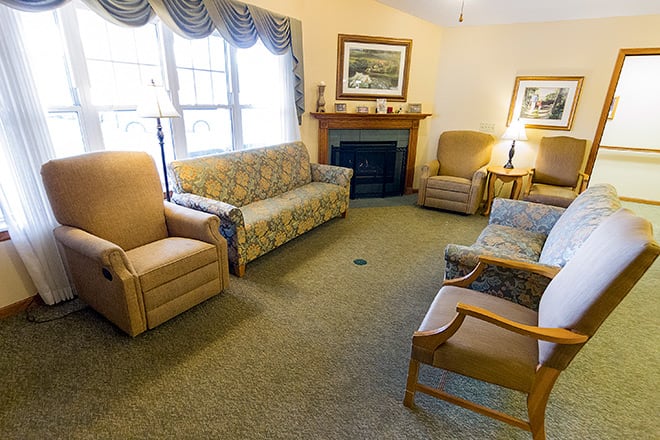
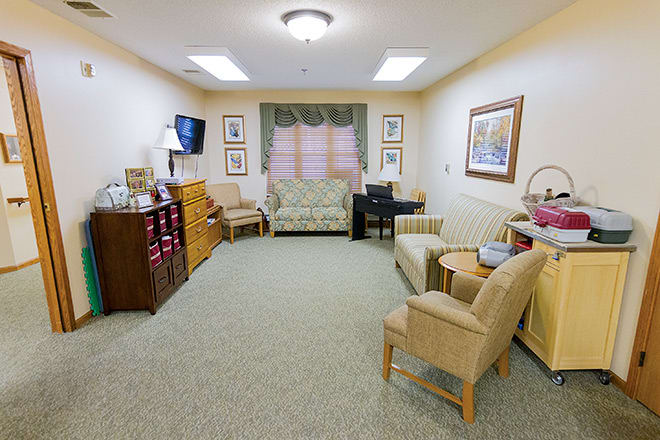
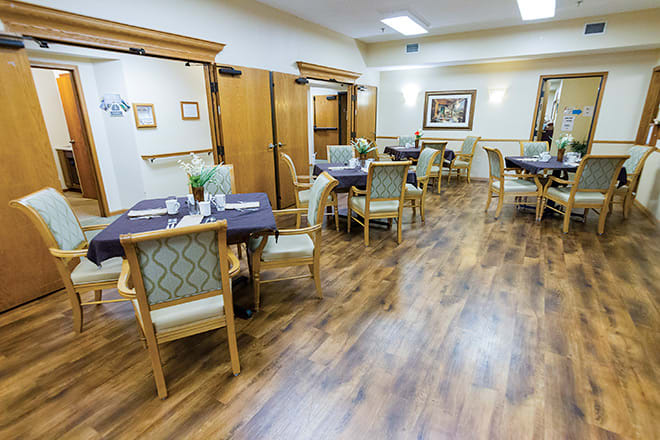
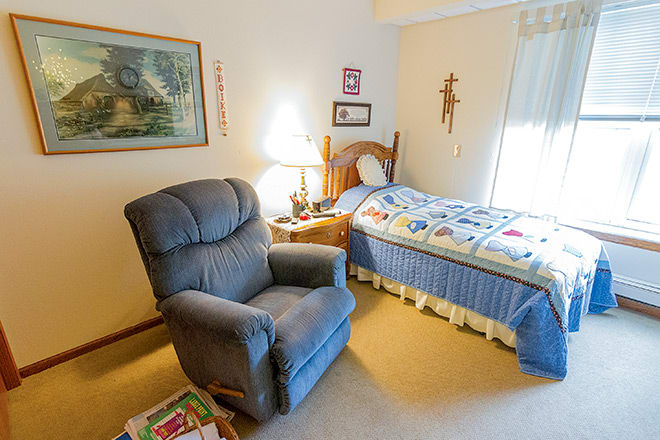
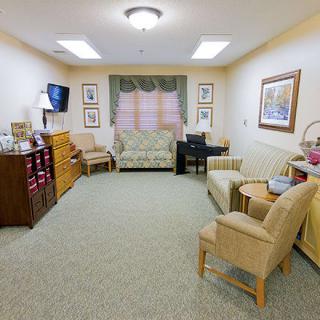
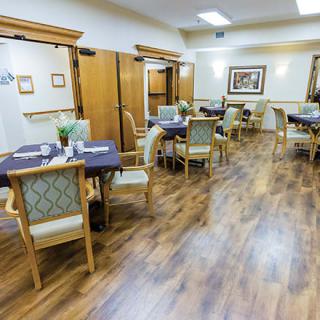
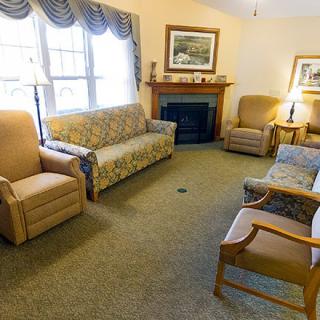
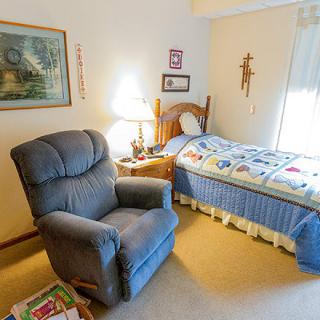
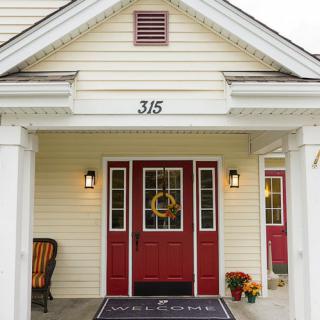
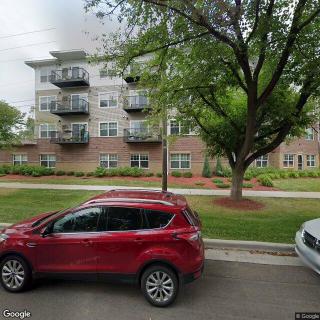
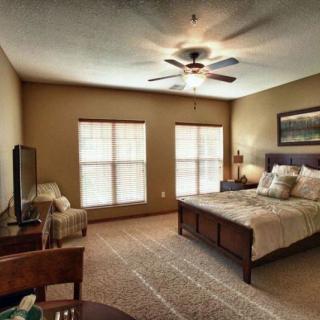
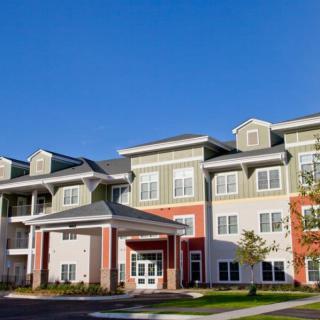
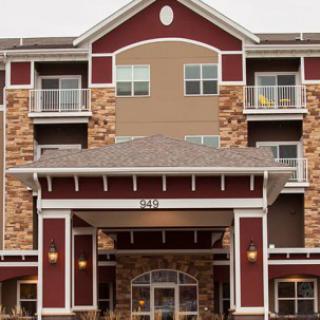
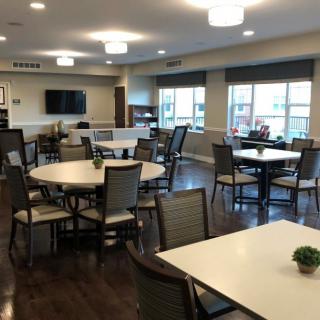
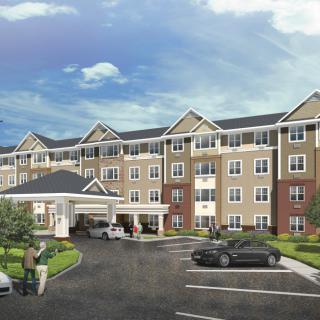
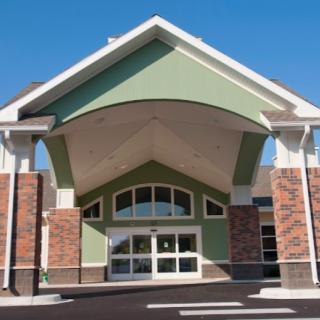
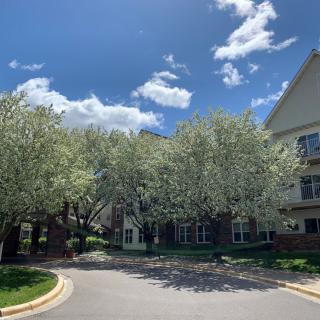
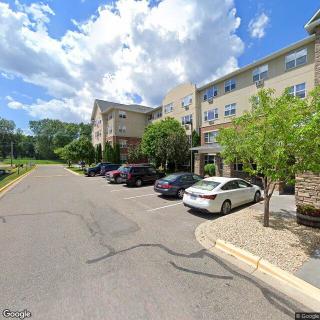
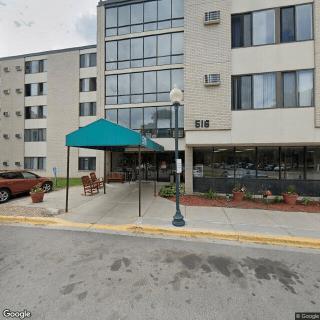
Brookdale West St. Paul Memory Care on seniors.fyi includes 8 photos including images showing interior, decor, porch, living room, bedroom, entrance, patio, outdoor seating, and more.
Nearby Communities
Darts
West St Paul, MN
4.3 from 14 reviews
24/7 care with ADL assistance and wellness programs; furnished apartments with included amenities.
ComForCare Home Care
West Saint Paul, MN
4.9 from 10 reviews
Responsive, compassionate care in urgent situations.
The Sanctuary at West St Paul
West St Paul, MN
4.3 from 61 reviews
Specialized memory care with 24/7 supervision and tailored programming.
The Sanctuary of West St. Paul
West Saint Paul, MN
4.1 from 75 reviews
$3,815 / month
Beautiful, clean building with friendly staff and engaging activities.
Walker Methodist Westwood Ridge
West St Paul, MN
Specialized memory care with 24/7 supervision and tailored programming; furnished apartments with amenities.
Walker Methodist at Westwood Ridge
West Saint Paul, MN
4.5 from 28 reviews
$1,960 to $2,365 / month
Warm, welcoming community with clean facilities, friendly staff, spacious rooms, and engaging activities.
The article examines the link between certain medications and increased dementia risk, particularly in older adults, emphasizing that long-term or high-dose use of anticholinergics, benzodiazepines, and other drug classes can exacerbate cognitive impairment. It calls for careful medication evaluation and shared decision-making to mitigate these risks while managing treatment efficacy.
The article emphasizes the significance of establishing a power of attorney for elderly parents to enable an agent to make decisions on their behalf regarding health and finances, especially during cognitive or physical decline. It outlines various types of power of attorney, the importance of consulting legal professionals, and the responsibilities and challenges faced by agents, while also discussing alternatives and common misconceptions.
Caregiver support groups are crucial for providing emotional and practical assistance to those caring for loved ones, offering resources, coping strategies, and a sense of community through various organizations and platforms. These groups help alleviate isolation and burnout while addressing the unique challenges faced by caregivers of individuals with specific conditions.
Patio, Outdoor Seating, Exterior, and Covered Area
Porch
Get PricingAsk A QuestionSchedule A TourContact Senior Advisor
By clicking submit, you agree to our Partner's Terms of Use. You
also consent to receive calls and texts, which may be autodialed, from our Partner. Your consent is not a condition to
using our Partner's service. Please visit our Partner's Privacy Policy for information about their privacy practices.


 Memory Care
 Cats allowed
 Dogs allowed
 Activities off-site
 Air-conditioning
 Bath tubs
 Beautician on-site
 Devotional services on-site
 Ground floor units
 Handicap accessible
 Indoor common areas
 Kitchenette
 Outdoor common areas
 Wheelchair accessible showers
 Wi-Fi/high-speed internet available
 Minneapolis-St Paul International (7 miles away)
 Diabetic care
 Incontinence care
 Medication management
 Anytime dining
 Art classes
 Catholic services
 Cooking classes
 Day trips and outings
 Educational speakers / life long learning
 Forever fit
 Karaoke
 Live dance or theater performances
 Live musical performances
 Live well programs
 24/7 care with ADL assistance and wellness programs; furnished apartments with included amenities.
 Medications Associated with Dementia Risk: A Comprehensive Overview
 Guiding Your Journey: Understanding Power of Attorney for Elderly Parents
 22 Remarkable Caregiver Support Groups Available Online and In-Person