
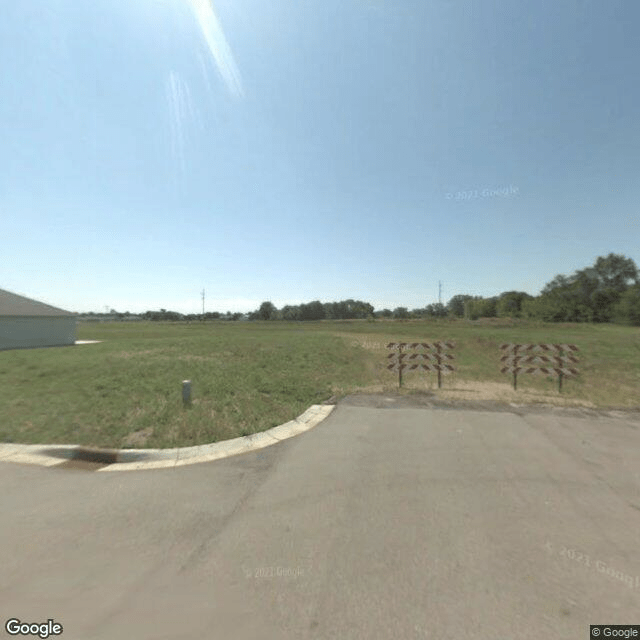
140 Barry Ave, Richmond, MN 56368
To contact a resident: (320) 257-7445
For more information about senior living options: (866) 208-4318
Overall Review of Cherrywood of Richmond
Pros
 The staff is friendly and provides good care.
- The food is good most of the time.
- The facility cares for residents until the end of life.
- Residents don't have to keep moving around.
- Rooms are very large.
Cons
 The cable and Wi‑Fi are so-so.
- With only 20 residents in the building, it may be a little lonely for a social butterfly.
Review
Cherrywood of Richmond is best suited for seniors who value a stable, intimate setting where caregiving is the priority and end-of-life support is a central strength. In a 20-resident building, the staff can know each resident well, maintain consistent routines, and provide care that feels personal rather than transactional. The arrangement favors dignity and familiarity over hustle, making it an ideal home for those who want to stay in one place, with a focus on respectful, compassionate attention as health needs evolve.
Those who crave a bustling social calendar or a wide variety of activities should consider alternatives. The small size translates into fewer spontaneous events and opportunities for group engagement, which can leave a resident who thrives on constant interaction feeling more isolated. Connectivity gaps, cable and wifi described as merely adequate, compound the issue for someone who relies on digital entertainment or online social connection to stay engaged. For families seeking a lively community with frequent outings and a broad activity slate, Cherrywood may underdeliver.
On the positive side, the top strengths are tangible and meaningful. The staff comes across as genuinely friendly and capable, delivering care that appears thoughtful and attentive. The emphasis on caring for residents until the end of life demonstrates a level of commitment that matters deeply to families navigating hospice or palliative considerations. The large rooms are a notable asset, offering a sense of openness and independence that can ease daily living. The upside of a small building is the opportunity for close, consistent relationships between residents and caregivers, rather than a generic, one-size-fits-all routine.
The primary drawbacks center on scale and connectivity. A tiny resident population can feel isolating for someone who thrives on social interaction or external stimulation. The limited social footprint naturally reduces opportunities for diverse peers and activities, making it harder to sustain a lively daily rhythm. While the environment excels in compassionate care, dependencies on modest cable and wifi can be a friction point for residents who value streaming, video chats with family, or digital entertainment as a regular part of life. These gaps are real, and they shape how engaging the days can feel.
Despite the cons, the pros offset many concerns for the right fit. The ability to stay put without repeated moves is a major relief for families worried about transitions that destabilize routines. When end-of-life care is a central consideration, Cherrywood delivers a level of continuity and oversight that large communities often struggle to match. The combination of attentive staff, clear routines, and generous room sizes creates a dignified environment where comfort and safety can take precedence over constant activity. For residents who prioritize peaceful pacing, personalized attention, and the reassurance of a familiar place during difficult health moments, this community makes sense.
In summary, Cherrywood of Richmond is a sound match for seniors who want reliable, compassionate care in a quiet, home-like setting and who value staying in one residence as their needs evolve. It is less well suited for those who must have a robust social calendar, frequent group programming, or high-tech connectivity as a core daily feature. Prospective families should plan a visit with a concrete checklist: assess activity programming in practice, test the room layouts for real comfort and accessibility, confirm what end-of-life care support looks like in day-to-day terms, and discuss how communication with staff and family works on a typical week. If those criteria align with priorities, Cherrywood stands out as a practical, principled choice. If not, exploring larger communities with more social offerings and stronger digital amenities will be the prudent route.
 20 resident community capacity
 Assisted Living
 Board and Care Home
 Memory Care
 Cats allowed
 Dogs allowed
 Activities off-site
 Beautician on-site
 Cable or satellite TV
 Devotional services off-site
 Dining room
 Fully furnished
 Garden
 Housekeeping services
 Indoor common areas
 Kitchenette
 Move-in coordination
 Outdoor common areas
 Respite or short term stays offered
 Swimming pool / hot tub
 Telephone
 Wheelchair accessible showers
 Wi-Fi/high-speed internet available
 St Cloud Regional (24 miles away)
 24-hour call system
 Assistance with bathing
 Assistance with dressing
 Assistance with transfers
 Diabetes diet
 Diabetic care
 Incontinence care
 Meal preparation and service
 Medication management
 Mental wellness program
 Special dietary restrictions
 Transportation arrangement (medical)
 Transportation to doctors appointments


 8 Important Indicators That Memory Care May Be Necessary
 Delving into the Inner World of Dementia: Insights into Thoughts and Awareness
 Five Subtle Dementia Indicators to Observe: An In-Depth Guide to Understanding “Does My Mom Have Dementia?”