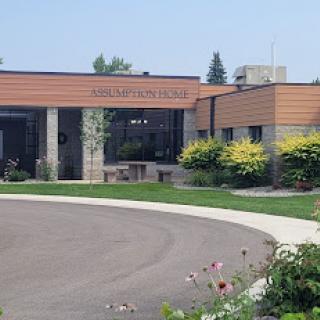

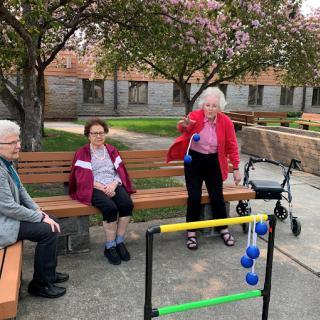
715 North First Street, Cold Spring, MN 56320
For more information about senior living options: (866) 208-4318
Overall Review of Assumption Home
Pros
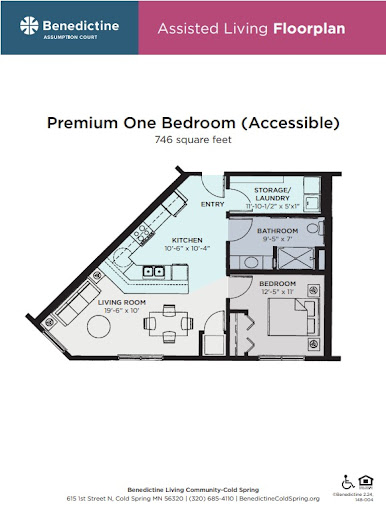
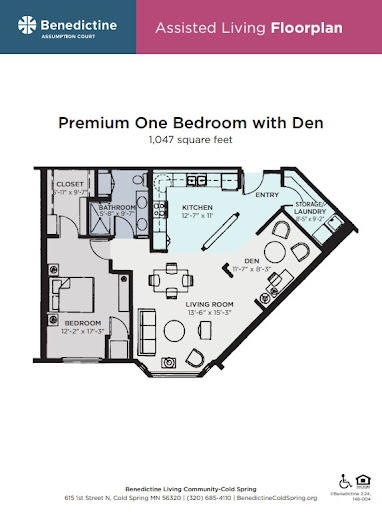
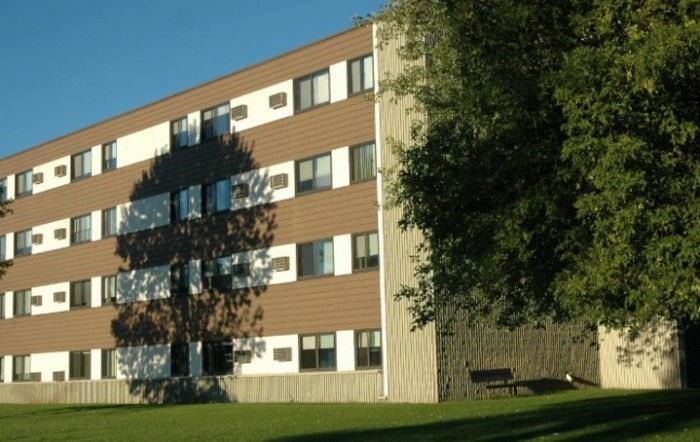
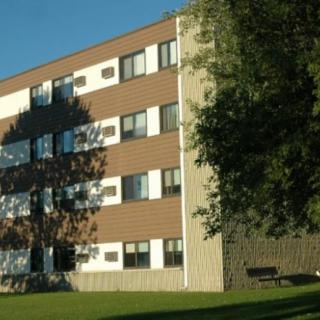
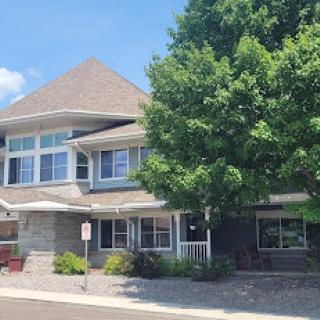
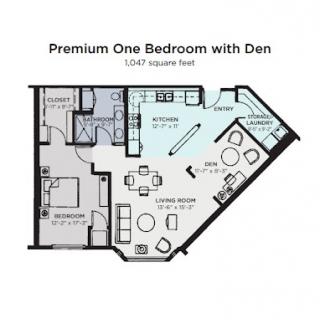
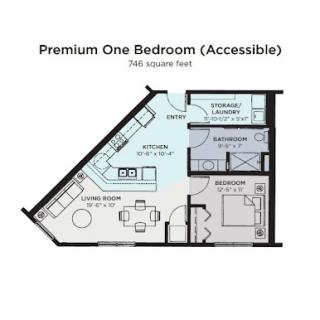
 Residents enjoy their John Paul Apartments and find the living space just right for them.
- They are excited that on-site physical therapy and visiting nurses are available.
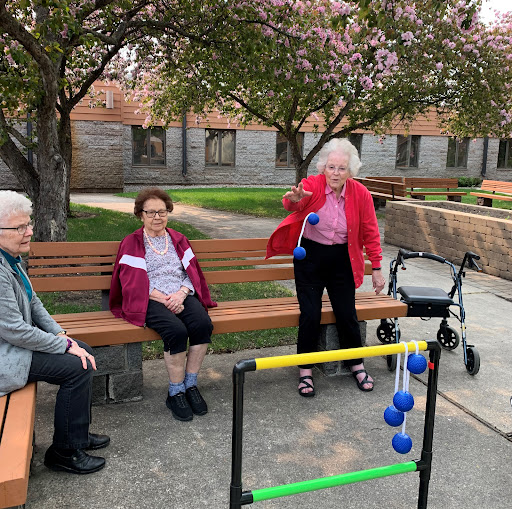
- Residents have made many wonderful friends, and the manager is caring and compassionate.
- The community is highly recommended for anyone in need of a home.
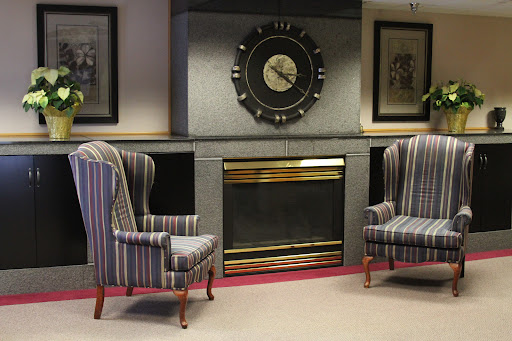
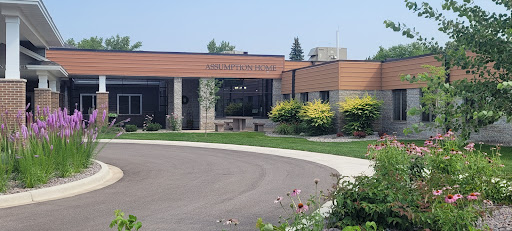
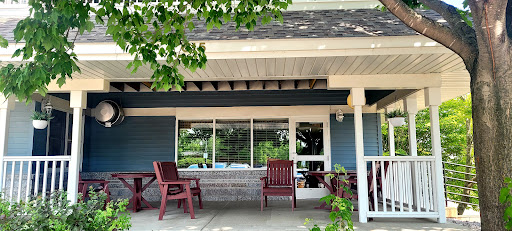
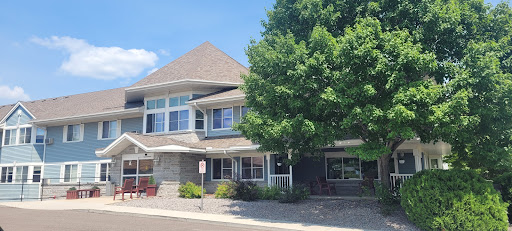
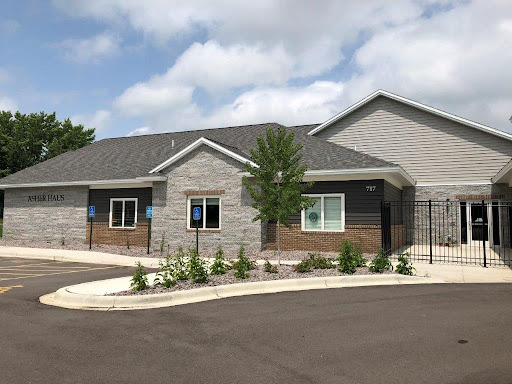
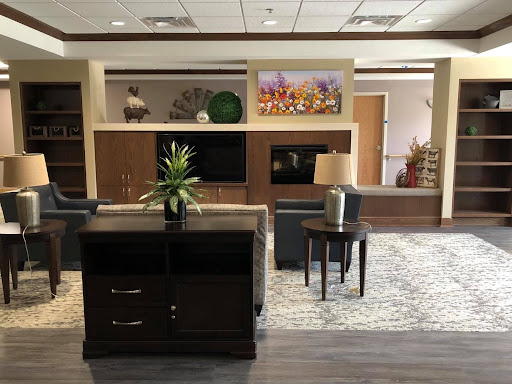
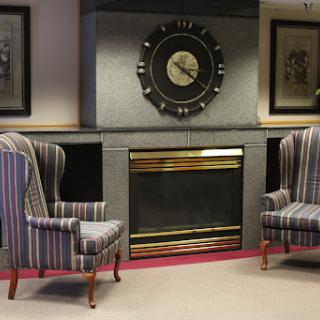
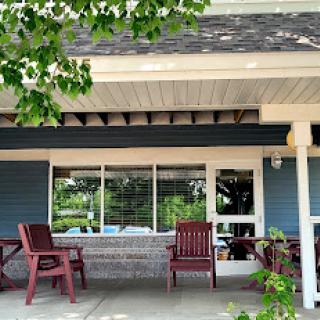
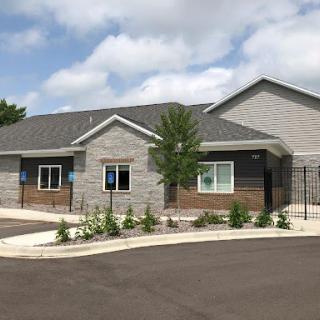
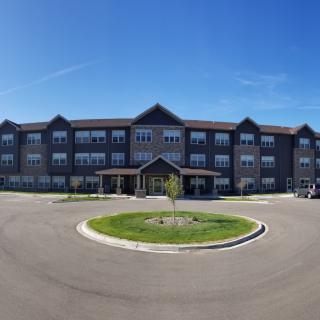
- The facility is beautiful and very clean, and the staff are helpful and professional.
- Staff work hard to keep patients comfortable and well cared for, including their physical therapy.
- The place is a great choice for loved ones, with a clean building and staff who accommodate family needs.
- Adam is amazing, and the outpatient rehab is a great experience with clear explanations to clients and families.
Cons
 There was no help and no one answered the call lights.
- The facility was described as a real dumpster, with a warning not to put any loved one there.
Review
Assumption Home is best suited for seniors who want a compact, well-kept campus with strong on-site rehabilitation and accessible nursing services. The reviews consistently highlight easy access to physical therapy and visiting nursing right on the campus, which makes recovery from surgery or ongoing rehab a practical, less stressful process. A notable asset is the management approach, with references to a caring and responsive manager and a staff that operates with professionalism and warmth. The environment is described as clean, welcoming, and conducive to social connection, so residents can build friendships and participate in daily life without leaving the campus. For families prioritizing practical recovery pathways, this community delivers a credible, recovery-focused experience.
Those considering alternatives should carefully weigh reliability and immediacy of care. A standout caveat in the feedback is variability in call-light responsiveness, with at least one highly critical review warning that urgent help may not be immediately available. For families where constant, proactive assistance is non-negotiable, or where safety hinges on flawless response times, it makes sense to compare options with documented strengths in call-bell systems, faster on-call response, or higher staffing ratios. Additionally, some reviewers note that there are rules and regulations that accompany care, which could feel restrictive to those seeking a more expansive or flexible living environment. In short, anyone who cannot tolerate even occasional delays in urgent assistance should examine other communities as a baseline before deciding.
The primary pros, cleanliness, professional staff, and robust on-site rehab, reshape the risk posed by the cons. The facility’s upkeep and orderly presentation create an environment where residents feel secure and cared for, which significantly eases the transition into a care-focused setting. The on-site physical therapy and the presence of a visiting nurse on campus mean progress toward recovery happens with minimal friction, not only for the resident but for family members coordinating care from afar. In this environment, families can expect a clear emphasis on rehabilitation goals, with staff who are described as capable, courteous, and invested in residents’ comfort and progress. When recovery timelines matter, these advantages carry considerable weight.
Therapy quality emerges as a standout strength. The rehab team is frequently praised for challenging clients appropriately and for communicating the rationale behind treatment plans to both residents and families. Specific mention of a therapist named Adam underscores a pattern of skilled, engaging care that helps residents regain function and confidence. The ability to discuss plans openly with caregivers, and to see measurable progress on campus, reduces anxiety around post-acute needs. This clarity and accountability in rehabilitation design, coupled with staff willingness to adjust schedules to meet family needs, produces a practical edge that is hard to replicate in settings that outsource therapy or lack integrated nursing support.
On balance, the negatives are concentrated and, in many cases, situational rather than systemic. The most salient concern is reported gaps in immediate assistance, including delayed responses to call lights. Such experiences, while not universal, remind potential residents that a portion of daily safety depends on staff availability and workload. Prospective families should probe current call-light response metrics during a tour, request recent references from residents or families, and inquire about staffing patterns during peak hours. The presence of criticisms does not negate the rehab strength or cleanliness, but it does tighten the decision window for those who require relentless reliability in everyday help.
In the final assessment, Assumption Home presents a practical, recovery-forward option for seniors who prize on-site therapy, a clean and welcoming setting, and a responsive manager who clearly strives to meet families’ needs. It is less ideal for those who demand uniformly rapid call-light responses or who prefer a larger, more expansive campus with fewer procedural constraints. For families navigating this choice, the recommendation is straightforward: prioritize a visit with targeted questions about call-light responsiveness, ask for current resident referrals, and map out a short, clear care plan that aligns with rehab goals. When these elements align, this community can function as a dependable bridge between independence and assisted care, delivering tangible recovery momentum within a supportive, on-campus framework.
 76 resident community capacity
 Skilled Nursing Facility
 Air-conditioning
 Beauty salon
 Cable or satellite TV
 Computer center
 Dining room
 Fitness room
 Fully furnished
 Gaming room
 Garden
 Housekeeping services
 Kitchenette
 Move-in coordination
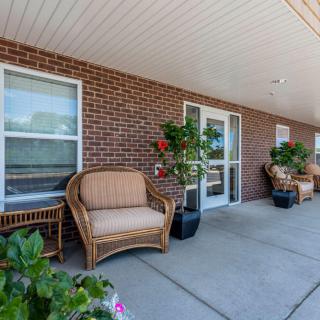
 Outdoor space
 Private bathrooms
 Restaurant-style dining
 Small library
 Telephone
 Wellness center
 Wi-Fi/high-speed internet available
 St Cloud Regional (19 miles away)
 Community operated transportation
 12-16 hour nursing
 24-hour call system
 Activities of daily living assistance
 Assistance with bathing
 Assistance with dressing
 Assistance with transfers
 Diabetes diet
 Medication management
 Mental wellness program
 Special dietary restrictions
 Concierge services
 Planned day trips


 In-Home Care Costs in 2025: A Detailed State-by-State Exploration
 Understanding Home Health Care: A Comprehensive Guide
 Home Health Care Demystified: A Comprehensive Guide for Families and Caregivers