
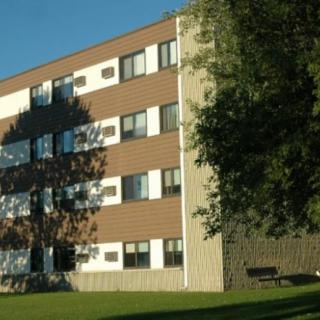
717 1St Street North, Cold Spring, MN 56320
For more information about senior living options: (866) 208-4318
Overall Review of Asher Haus
Pros
 The resident enjoys their apartment and finds it just right for them.
- The on-site physical therapy and visiting nurse are convenient and accessible.
- They have made many wonderful friends here, and the manager is caring and compassionate.
- The facility is beautiful and very clean, and the staff are helpful and professional.
- They are pleased that their friend is being cared for there.
- The staff work hard to ensure residents are comfortable and well cared for, and they emphasize effective physical therapy.
- The community is a great place for loved ones, with staff who accommodate family needs and a clean building.
- The outpatient rehab experience is excellent, with Adam being amazing and explanations provided to clients and families.
Cons
 They provide no help and do not answer call lights.
- It is described as a real dumpster.
- They warn readers not to place anyone they love there.
Review
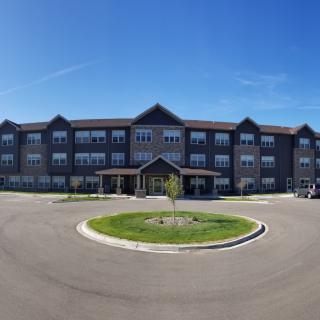
Asher Haus in Cold Spring is best suited for seniors who want a campus-style living arrangement that blends apartment-style housing with on-site rehabilitation, nursing support, and a sociable, well-kept environment. This community works well for individuals recovering from surgery or needing ongoing therapy, with the added value of having physical therapy and visiting nursing available on site. Families who prize cleanliness, professional staff, and opportunities to form friendships on a manageable, cohesive campus will find it particularly appealing. The strong emphasis on practical daily living alongside active rehab makes it a logical fit for those who want independence coupled with readily accessible care.
Those who may want to consider alternatives are residents for whom immediate, consistently reliable call-light response is non-negotiable. A few reviewers flag delayed assistance, and one harsh critique implies significant concerns about responsiveness and overall quality. For families prioritizing memory care, acute medical oversight, or highly specialized services, other communities with dedicated memory-care wings or higher-acuity staffing may be a better match. In short, this campus delivers solid general care and rehab on a clean, orderly platform, but it may fall short for those who cannot tolerate sporadic response times or more intensive, specialized needs.
The strongest upside lies in the rehab-forward environment: on-site physical therapy and visiting nurses expedite recovery and support post-acute goals, while staff consistently show professionalism and a readiness to tailor schedules to family needs. The building earns praise for its cleanliness and the general sense that residents are treated with care. Families repeatedly note the effort staff put into making patients comfortable and the effectiveness of the therapy teams in pushing progress. When rehabilitation is a priority, these elements form a compelling value proposition that can shorten recovery timelines and boost confidence for both residents and relatives.
Further strength comes from the people driving the daily experience. Therapists who explain the rationale behind exercises, such as Adam, and teams that take time to educate families about the plan, create trust and reduce anxiety around treatment. Accounts of flexible shift changes to accommodate family routines reflect a responsive operational mindset, while comments about staff going “the extra mile” to support residents and their loved ones underscore a practical, relationship-driven culture. The presence of a capable, caring manager and a campus-wide focus on a supportive atmosphere help offset typical senior-living hassles with a grounded, hands-on approach.
Practical evaluation during a visit should focus on a few concrete areas. Verify call-light protocols and real-world response times during different shifts, not just marketing promises. Inquire about current staffing levels, turnover, and how the facility handles urgent needs after hours. Confirm the scope and cadence of rehabilitation services, both inpatient pathways and outpatient options, and whether the campus can accommodate evolving mobility goals. Assess cleanliness and the condition of common areas, as well as social programming and opportunities for meaningful interaction with peers and staff. These specifics will reveal whether the favorable rehab narrative aligns with day-to-day reality.
In the end, Asher Haus offers a pragmatic, capable choice for families seeking integrated housing and rehabilitation on a single campus. Its advantages, clean, well-maintained surroundings, a strong rehab infrastructure, and staff who demonstrate flexibility and attentiveness, make it a solid option for post-acute recovery and ongoing support. The critical caveat centers on call-light responsiveness; if reliable, immediate assistance is essential, this is the dimension that deserves unequivocal confirmation before moving in. For those who can accept a potential variance in responsiveness in exchange for robust therapy, social engagement, and a straightforward daily routine, Asher Haus stands up as a practical, experienced choice.
 28 resident community capacity
 Assisted Living
 Beauty salon
 Cable or satellite TV
 Dining room
 Fully furnished
 Garden
 Housekeeping services
 Kitchenette
 Move-in coordination
 Outdoor space
 Telephone
 Wi-Fi/high-speed internet available
 St Cloud Regional (19 miles away)
 24-hour call system
 Activities of daily living assistance
 Assistance with bathing
 Assistance with dressing
 Assistance with transfers
 Diabetes diet
 Meal preparation and service
 Medication management
 Mental wellness program
 Special dietary restrictions
 Transportation arrangement (medical)
 Transportation to doctors appointments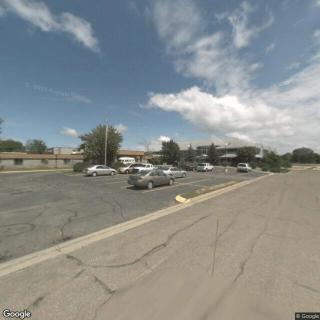


 Assisted Living Support for Veterans: A Complete and Detailed Overview
 Exploring the Contrasts Between Assisted Living and Skilled Nursing
 8 Key Indicators That Suggest It May Be Time to Transition from Assisted Living to Skilled Nursing Care