
615 1St Street North, Cold Spring, MN 56320
For more information about senior living options: (866) 208-4318
Overall Review of Assumption Home Care
Pros
 The staff were friendly.
- Patients were engaged in various activities, including an afternoon cake snack.
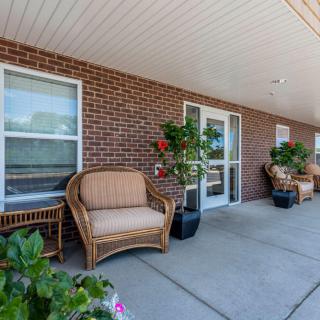
- The decor was beautiful and relaxing.
- The staff were good and kind.
- The environment was clean and cosy.
Cons
 The decor is very dark in color and has poor lighting in the hallways and lounge areas.
Review
Assumption Home Care in Cold Spring, MN is best suited for seniors who want a small, home-like assisted living option where staff interactions feel personal and consistent, and where memory-care education and social activities occur within a calm, chapel-influenced culture. The community’s strengths lie in attentive, friendly care, clean and cozy surroundings, and opportunities to engage in meaningful programs without the bustle of a large campus. This environment supports residents who value gentle routines, predictable days, and straightforward navigation, rather than a sprawling, high-energy senior living campus. For families needing a warm, low-key setting with accessible staff, this option warrants close consideration.
But certain priorities demand alternatives. Those seeking bright, high-contrast interiors and robust, specialized dementia programming may prefer larger communities with clearer hallways, abundant lighting, and more formal memory-care tracks. If a resident requires more intensive clinical oversight, more comprehensive therapy options, or a wider range of on-site amenities and social hooks, the footprint and program depth here may fall short. Families needing frequent, varied outings or a busier activity calendar may find the pace and scope limiting, making other campuses a better fit for an active or highly structured lifestyle.
The strongest positives are evident in the staff-student dynamic and the atmosphere they foster. A consistently kind, approachable caregiving team creates a reassuring daily rhythm, and the clean, cozy environment reinforces a sense of safety and comfort for residents. Activities are approachable, not overwhelming, which helps maintain social engagement without overstimulation. The presence of a chapel and ongoing education on Alzheimer’s signals a real commitment to memory-care awareness, not merely basic custodial living. Combined, these factors create a residence where residents feel seen and supported, and families can trust that personal attention remains a core feature, even in a smaller setting.
The primary drawback centers on the environment's lighting and overall decor. Very dark color palettes and insufficient illumination in hallways and lounges hinder visibility, which can impede navigation for residents with visual challenges and increase nighttime safety concerns. While the staff warmth and responsive care can mitigate some concerns, a dim setting elevates fall risk and makes daytime activities harder to enjoy fully. In a tight-knit operation like this, environmental design matters more than in larger campuses, and lighting quality can tilt the balance between comfort and safety for certain residents and family expectations.
For families moving toward a decision, a focused visit is essential. Observe how staff engage with residents during routine tasks and social activities, and specifically assess lighting levels in common areas at different times of day. Inquire about staff-to-resident ratios, response times, and whether memory-care specialists are available on site or through partnerships. Request a sample activity calendar and meal schedule, and probe how much individualized attention a resident can realistically receive given the intimate size. Clarify costs, what care levels are included, and how plans adapt if memory or mobility needs progress.
Overall, Assumption Home Care offers a compassionate, intimate option for seniors who want a warm, personable environment with accessible staff and meaningful social programming. It is a strong fit for those who prize calm routines, memory-awareness resources, and a home-like atmosphere. However, for families prioritizing brighter interiors, more extensive dementia programming, or a wider array of on-site amenities, alternatives should be explored. The decision should align with safety priorities, lighting quality, and the resident’s preferred pace of daily life, using a guided visit to confirm whether the pros clearly outweigh the lighting and space limitations.
 21 resident community capacity
 Assisted Living
 Beauty salon
 Cable or satellite TV
 Dining room
 Fully furnished
 Garden
 Housekeeping services
 Kitchenette
 Move-in coordination
 Outdoor space
 Telephone
 Wi-Fi/high-speed internet available
 St Cloud Regional (19 miles away)
 24-hour call system
 Activities of daily living assistance
 Assistance with bathing
 Assistance with dressing
 Assistance with transfers
 Diabetes diet
 Meal preparation and service
 Medication management
 Mental wellness program
 Special dietary restrictions
 Transportation arrangement (medical)
 Transportation to doctors appointments



 Social Security Benefits and Assisted Living: Navigating Options Across the U.S.
 An Extensive Exploration of the VA Aid and Attendance Benefit
 Senior Transition Services: Understanding Their Role, Cost, and Importance