


Willows Of Arbor Lakes in Maple Grove, MN

Save

  • Interior

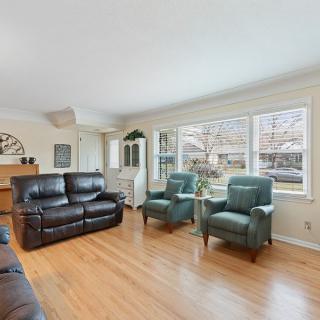
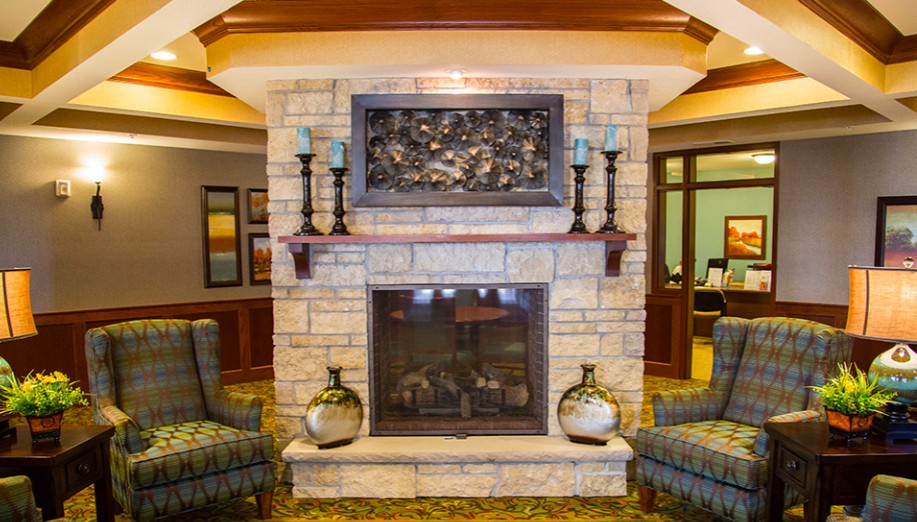
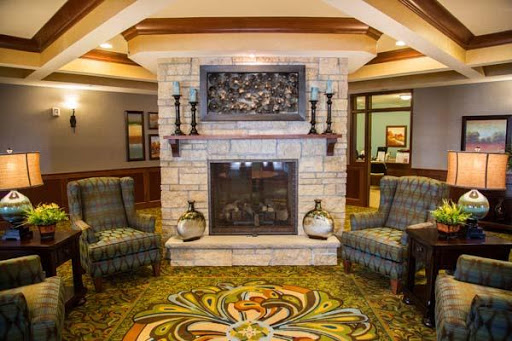
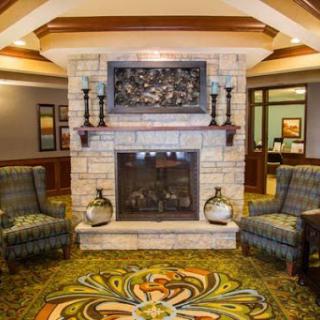
    A cozy living room with a stone fireplace and elegant decor.
  • Decor

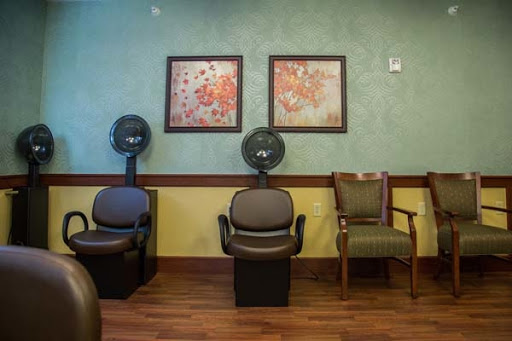
    A cozy waiting area in a salon featuring comfortable chairs and decorative artwork.
  • Living Room

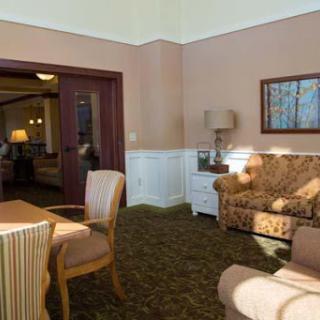
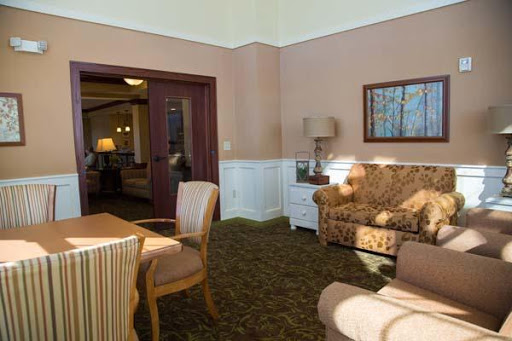
    A cozy and inviting living room area, featuring comfortable furniture and warm lighting.
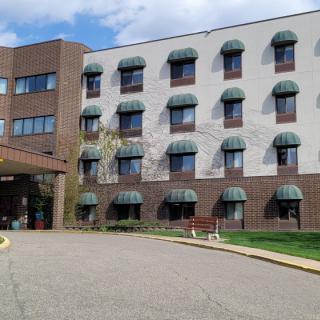
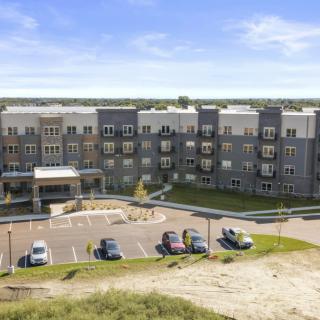
  • Building

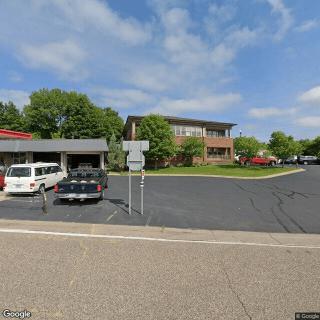
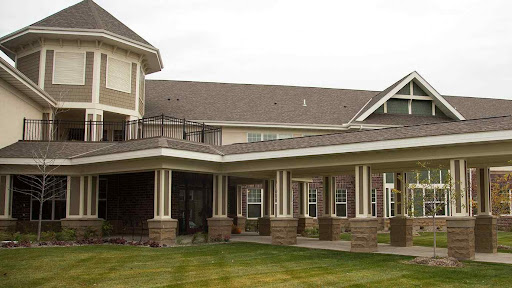
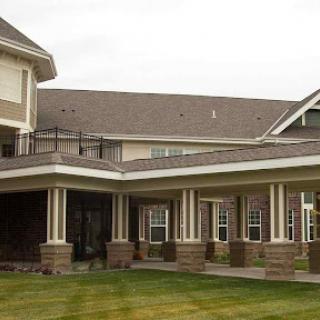
    A modern residential building with a landscaped lawn.
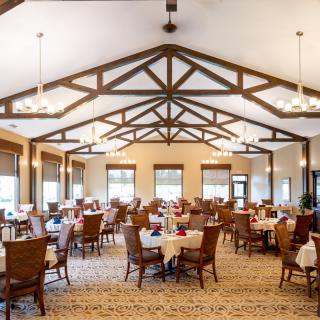
  • Dining

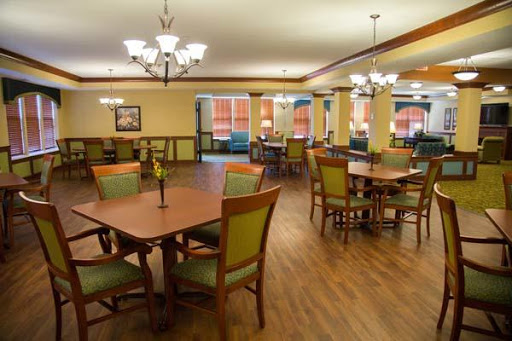
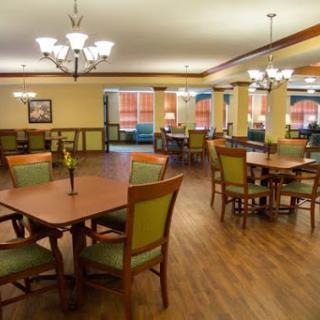
    A well-designed dining area with spacious seating arrangements and a warm ambiance.
  • Landscaping

    A vibrant orange flower arrangement in a decorative vase, adding a touch of color to the interior space.
  • Lighting

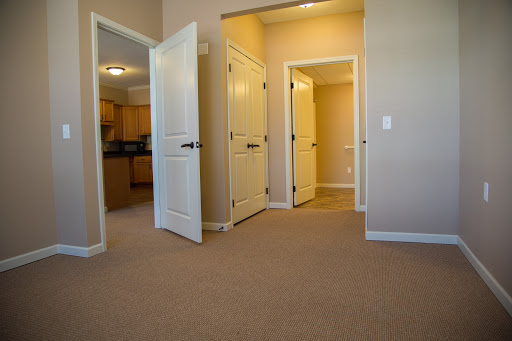
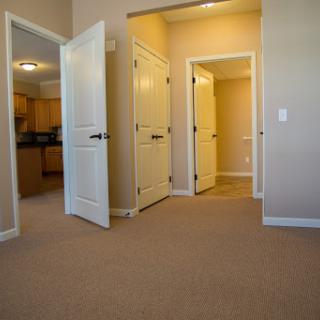
    A view of a hallway with multiple doors leading to different rooms.
  • Seating Area

    A welcoming lobby featuring a stone fireplace, comfortable seating, and vibrant decor.
  • Outdoor

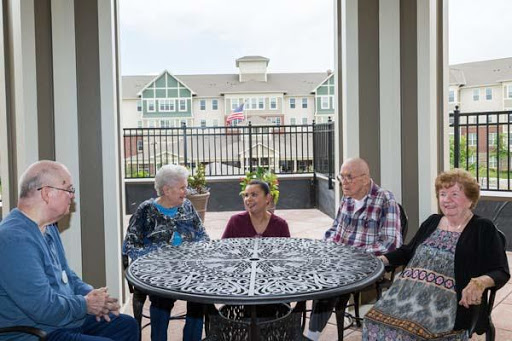
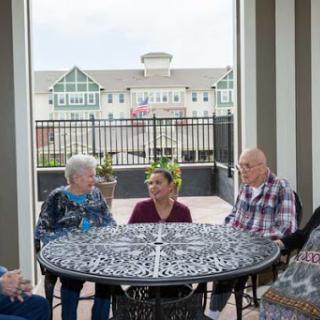
    Seniors engage in a lively conversation with their caregiver in a welcoming outdoor space.
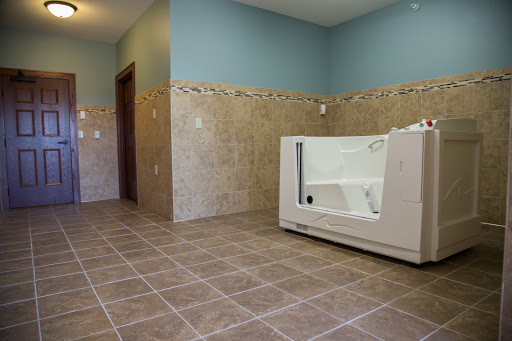
  • Bathroom

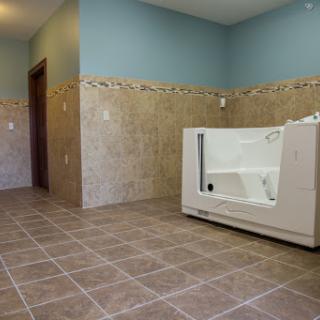
    A spacious and accessible bathroom featuring a modern bathtub and elegant tile work.
  • Lobby

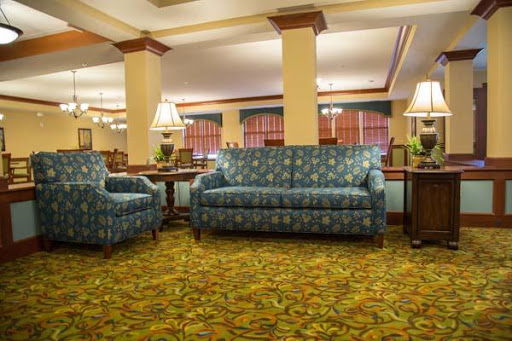
    A cozy hotel lobby featuring patterned furniture and warm lighting.

Willows Of Arbor Lakes in Maple Grove, MN

11955 80Th Avenue North, Maple Grove, MN 55369

For more information about senior living options: (844) 490-3973

3.2 from 13 reviews
5 stars
6
4 stars
1
3 stars
0
2 stars
1
1 stars
5

Memory Care

Willows Of Arbor Lakes Costs & Pricing

Willows Of Arbor Lakes presents a premium pricing structure for its one-bedroom accommodations, with a monthly cost of $9,925. This figure stands in stark contrast to the average costs in Hennepin County, which are approximately $3,550 per month, and even more so compared to the broader state average of $2,893. The significant difference in pricing may reflect the exceptional amenities and personalized services offered at Willows Of Arbor Lakes, positioning it as a choice for those seeking high-quality care and lifestyle options. Such investment indicates a commitment to providing an enriched living experience that goes beyond basic accommodations found elsewhere in the region.

Floor plansWillows Of Arbor LakesHennepin CountyMinnesota
1 Bedroom$9,925$3,550$2,893

Overall Review of Willows Of Arbor Lakes

Pros

  • pro The Willows of Arbor Lakes is described as an excellent facility that prides itself on providing excellent resident care.
  • pro The staff are patient and kind to families, making them feel understood and supported.
  • pro The Willows actively tracks staff performance and removes caregivers who aren't good for residents, demonstrating accountability.
  • pro Many staff members have given long-term, attentive care, building trusting relationships with residents.
  • pro Families feel very thankful for the staff's help and support in caring for their loved ones.
  • pro Head Nurse Katrice is regarded as one of the best, ensuring care plans are followed and progress is clearly communicated.
  • pro The dining team delivers high-quality, nutritionally balanced meals with restaurant-like presentation.
  • pro Shelly, the activities coordinator, plans engaging, meaningful activities and knows residents well.
  • pro The facility's housekeeping creates a clean, healthy environment that residents live in.
  • pro Leadership from the Southview team is exceptional and supportive of both staff and residents.

Cons

  • pro The grandmother was neglected and did not receive the care or treatment she deserved, despite paying over $6,000 per month.
  • pro The staff were described as pushy and neglectful of residents' basic needs, leaving bathroom assistance unmet.
  • pro A video showed an employee with no compassion who did not wipe the resident's face or brush her teeth and treated her as an object.
  • pro The facility was accused of not firing an unkind employee who could not stand caring for a woman at the end of life.
  • pro Residents were not engaged and staff rarely helped with basic tasks like dialing the phone or turning on the TV, with meals being hurried.
  • pro Many reviews claimed the facility did not provide many of the services promised or paid for, including regular clothes changes and meaningful activities.
  • pro There were concerns about safety and stimulation, as residents were left with little cognitive or social engagement.

Review

The Willows of Arbor Lakes is best suited for families seeking a memory-care environment with steady nursing leadership, long-tenured caregivers, and a demonstrated ability to deliver calm, individualized care when the team is engaged. It works particularly well for residents whose dementia requires hands-on supervision, careful care planning, and close family collaboration. When care plans are followed and staff establish rapport, the environment can feel secure, dignified, and genuinely attentive. In short, this community shines for families that value experienced, dedicated dementia-focused oversight and a campus where caregivers form lasting connections with residents and their relatives.

Those considering alternatives should note that not every family will be comfortable with the day-to-day variability some reviews describe. Some families may prioritize ultra-consistent staffing, highly vigorous daily programming, or expense levels that align with a broader range of services. If a resident's needs include exceptionally high staffing ratios, very rapid response times, or a consistently bustling activity calendar, other communities might better meet those expectations. Also, for families prioritizing a fixed, transparent price with assurances about every paid service being delivered, it pays to compare what is included and what may be billed separately here.

The strongest positives center on leadership, continuity, and the sense that care can be deeply personalized. Multiple reviews point to a head nurse - identified as Katrice - whose oversight, care-plan collaboration, and direct involvement help families feel heard and assured. Caregivers are described as knowledgeable, patient, and capable of tracking each resident's status across meals, skin issues, safety concerns, and functional changes. The dining program earns praise for quality and balanced nutrition, while activities staff and live-music experiences contribute meaningful moments of connection for residents who can participate. A clean, orderly environment and attentive housekeeping reinforce a sense of safety and dignity.

Yet the main drawbacks cannot be ignored. Several reviews raise concerns about staffing levels and responsiveness, with instances of delayed assistance and residents not receiving timely help with basic needs. Other families report experiences that range from limited daily activities to observations of neglect or hurried care, especially in moments when staffing is stretched. Some residents or families felt they did not receive every service promised or paid for, and a few accounts describe tense or discouraging interactions. Taken together, the cons reflect a reality in which outcomes hinge on staffing rhythms, supervisory presence, and the day-to-day engagement of line staff.

From a decision-making standpoint, the pros - strong leadership, consistent caregivers, and a high-quality memory-care framework - can offset many concerns when proactive steps are taken. Prospective families should insist on meeting the DON and frontline staff, request a transparent look at staffing ratios on memory-care shifts, and review care-plan update cycles. Observing how staff interact with residents during a tour, asking how activity programming is individualized for those with dementia, and clarifying what is included in the monthly fee versus add-ons will illuminate how well promises translate into daily practice. Engaging with the activity director and scheduling a couple of trial days can reveal whether the hands-on approach aligns with the resident's needs.

Bottom line: Willows of Arbor Lakes is a practical choice for families who prize dementia-focused leadership, stable nursing oversight, and a culture that can deliver compassionate, individualized care when staff are engaged. It is less suitable for families that demand unwavering, optimal performance on every shift, constant high-intensity programming, or lower-cost options. Those evaluating alternatives should compare staffing models, care-plan accountability, and the degree to which paid services are consistently delivered. With deliberate due diligence - through tours, conversations with leadership, and careful inspection of care routines - the Willows can be a strong match for a resident whose needs fit its proven strengths.

Features

Housing

  • 60 resident community capacity 60 resident community capacity

Types of Care

  • Memory Care Memory CareMemory care is crucial for seniors as it provides specialized support and services for individuals with dementia or Alzheimer's disease. These programs offer a safe and secure environment where residents receive personalized care, cognitive stimulation, and help with daily activities. Memory care helps seniors maintain their independence, quality of life, and dignity while also providing peace of mind for their families.

Amenities

  • Air-conditioning Air-conditioningAir conditioning is important for seniors as they are more vulnerable to heat-related illnesses and may have underlying health conditions that make it difficult for them to regulate their body temperature. It helps to keep them comfortable, safe, and healthy in hot weather.
  • Beauty salon Beauty salonBeauty salons are important for seniors because they provide a space for them to feel pampered, socialize, and maintain their personal grooming and hygiene. Regular visits to a beauty salon can help boost seniors' self-esteem and overall well-being.
  • Cable or satellite TV Cable or satellite TVCable or satellite TV is important for seniors because it provides entertainment, news, and companionship, helping to combat loneliness and boredom. It also offers a wide range of programming options tailored to different interests and preferences.
  • Computer center Computer centerA computer center is essential for seniors as it provides access to technology, communication tools, and resources that can enhance their daily lives. It allows them to stay connected with loved ones, engage in online activities, and learn new skills, ultimately promoting socialization and mental stimulation.
  • Dining room Dining roomDining rooms are important for seniors as they provide a space for socialization, connection, and nutritious meals. They offer opportunities for residents to bond over shared meals, foster a sense of community, and promote healthy eating habits. Dining rooms also ensure that seniors have access to well-balanced meals tailored to their dietary needs and preferences.
  • Fitness room Fitness roomHaving a fitness room in a senior living community is essential for seniors to stay active, maintain their physical health, and improve their overall well-being. Regular exercise can help prevent falls, reduce the risk of chronic diseases, and promote mental sharpness. It also provides social opportunities for residents to connect with others and enjoy a sense of community.
  • Fully furnished Fully furnishedFully furnished senior living communities are important for seniors because they provide convenience, comfort, and a hassle-free moving experience. Seniors can easily settle into their new living space without the stress of having to buy and move furniture. This allows them to focus on enjoying their new home and community.
  • Gaming room Gaming roomGaming rooms are important for seniors as they provide a fun and engaging environment for socializing, cognitive stimulation, and physical activity. Games can improve memory, problem-solving skills, and overall mental well-being while fostering friendships and reducing feelings of isolation.
  • Garden GardenGardens are important for seniors as they provide a peaceful and therapeutic environment for relaxation, physical activity, and socialization. Being in nature has been shown to reduce stress, improve mood, and promote overall well-being. Gardens also offer opportunities for seniors to engage in gardening activities, which can improve mobility, flexibility, and cognitive function. Additionally, gardens create a sense of community and connection with others who share a passion for plants and outdoor spaces.
  • Housekeeping services Housekeeping servicesHousekeeping services are important for seniors because they help maintain a clean and safe living environment, promote independence, and reduce the risk of accidents or illnesses. Additionally, having assistance with household chores can alleviate physical strain and allow seniors to focus on other aspects of their well-being.
  • Kitchenette KitchenetteKitchenettes are important for seniors living in senior living communities because they provide the convenience and independence of being able to prepare simple meals and snacks in the comfort of their own living space. This can help promote a sense of autonomy and well-being for seniors, allowing them to maintain some level of control over their dietary choices and daily routines.
  • Move-in coordination Move-in coordinationMove-in coordination is important for seniors because it helps ease the transition into their new living environment. It ensures that all logistics, such as packing, organizing movers, and setting up utilities are taken care of, allowing seniors to focus on settling in and adjusting to their new home. Having a smooth move-in process can alleviate stress and anxiety, making the transition smoother and more enjoyable for seniors.
  • Outdoor space Outdoor spaceOutdoor spaces are important for seniors as they provide opportunities for physical activity, social interaction, exposure to natural light and fresh air, and a sense of connection to nature. Having access to outdoor spaces can improve overall well-being and quality of life for older adults living in senior communities.
  • Private bathrooms Private bathroomsPrivate bathrooms are important for seniors in senior living communities because they provide independence, dignity, and comfort. Having a private bathroom allows seniors to maintain their personal hygiene routines without the need for assistance, promoting a sense of autonomy and privacy. Additionally, private bathrooms help prevent the spread of infections and provide a safe and clean environment for seniors to navigate safely.
  • Restaurant-style dining Restaurant-style diningRestaurant-style dining is important for seniors because it allows them to enjoy delicious, nutritious meals in a social and upscale setting. This enhances their dining experience, promotes healthy eating habits, and fosters socialization with fellow residents, ultimately contributing to their overall well-being and quality of life.
  • Small library Small librarySmall libraries are important for seniors as they provide access to a variety of reading materials, including books, newspapers, and magazines. This can help stimulate their minds, keep them engaged, and provide a sense of community through book clubs and other social activities. Additionally, reading has been shown to improve cognitive function and overall mental well-being in older adults.
  • Telephone TelephoneTelephones are important for seniors as they provide a lifeline for communication with loved ones, emergency services, and healthcare providers. They offer a sense of security and independence, enabling seniors to stay connected and access assistance when needed.
  • Wellness center Wellness centerWellness centers are important for seniors because they offer a variety of programs and services that promote physical, mental, and emotional well-being. These centers provide opportunities for exercise, socialization, education, and relaxation, helping seniors maintain their overall health and quality of life.
  • Wi-Fi/high-speed internet available Wi-Fi/high-speed internet availableWi-Fi/high-speed internet is important for seniors to stay connected with loved ones, access online resources, and participate in virtual activities to combat feelings of loneliness and isolation. It also allows them to easily manage healthcare needs, access entertainment, and engage in lifelong learning opportunities.

Transportation

  • Minneapolis-St Paul International (18 miles away) Minneapolis-St Paul International (18 miles away)
  • Community operated transportation Community operated transportationCommunity operated transportation is crucial for seniors as it provides them with the means to access essential services, social activities, and medical appointments. It allows seniors to maintain their independence and quality of life by ensuring they can participate in activities outside of their homes. Additionally, community-operated transportation services offer a safe and reliable way for seniors to travel without having to rely on family or friends for assistance.
  • Transportation arrangement Transportation arrangementTransportation arrangements are crucial for seniors as they may face challenges with driving, mobility, or access to public transportation. Having reliable transportation services ensures that seniors can easily attend appointments, social activities, and maintain their independence and quality of life.
  • Transportation arrangement (non-medical) Transportation arrangement (non-medical)Transportation arrangements are essential for seniors as they provide access to essential services, activities, and social interactions outside the home. This service helps maintain independence, mobility, and overall well-being for seniors who may have limited transportation options.

Care Services

  • 12-16 hour nursing 12-16 hour nursing12-16 hour nursing care is crucial for seniors in order to ensure around-the-clock monitoring, timely medication administration, and prompt response to any health concerns or emergencies. This level of care helps to promote the overall well-being and safety of seniors living in senior living communities.
  • 24-hour call system 24-hour call system24-hour call systems are important for seniors because they provide peace of mind and immediate assistance in case of emergencies. This technology ensures that help is always available, promoting safety and security for elderly individuals living alone or in assisted living facilities.
  • 24-hour supervision 24-hour supervision24-hour supervision is important for seniors to ensure their safety, well-being, and access to immediate assistance in case of emergencies or health issues. This constant support provides peace of mind for both seniors and their loved ones, allowing them to age in place with dignity and security.
  • Activities of daily living assistance Activities of daily living assistanceActivities of daily living assistance are important for seniors because they provide essential support with tasks such as eating, bathing, dressing, and mobility. This assistance helps seniors maintain their independence, dignity, and overall quality of life as they age.
  • Assistance with bathing Assistance with bathingAssistance with bathing is crucial for seniors as it helps maintain personal hygiene, prevents infections, and ensures their overall well-being and comfort. It also provides a sense of dignity and independence for seniors who may struggle with this task on their own.
  • Assistance with dressing Assistance with dressingAssistance with dressing is important for seniors because it helps maintain their independence, promotes personal hygiene, prevents accidents and injuries, and improves overall quality of life. This service ensures that seniors can continue to dress comfortably and confidently, despite any physical limitations they may have.
  • Assistance with transfers Assistance with transfersAssistance with transfers is crucial for seniors as it helps prevent falls and injuries, maintains their independence, and ensures they can safely navigate their living environment. It also provides peace of mind for both seniors and their loved ones.
  • Coordination with health care providers Coordination with health care providersCoordination with health care providers is crucial for seniors to ensure proper medical care, medication management, and overall well-being. This collaboration helps prevent overlapping treatments, track progress more effectively, and provide comprehensive support tailored to individual needs.
  • Diabetes diet Diabetes dietA diabetes diet is crucial for seniors as it helps manage blood sugar levels, reduce risks of complications, and improve overall health and well-being. By following a balanced and nutritious diet tailored to their specific needs, seniors can better control their diabetes and enhance their quality of life.
  • Meal preparation and service Meal preparation and serviceMeal preparation and service are crucial for seniors as they may have limited mobility or energy to cook nutritious meals. Having access to healthy and convenient food options can ensure they are getting the proper nutrition needed to maintain their overall health and well-being.
  • Medication management Medication managementMedication management is crucial for seniors to ensure they are taking the right medications at the correct dosages and times. This helps prevent adverse drug interactions, reduces the risk of medication errors, and promotes overall health and well-being. Proactive management also allows for adjustments as needed based on changing health conditions or new prescriptions.
  • Mental wellness program Mental wellness programMental wellness programs are essential for seniors as they promote cognitive stimulation, emotional support, and social engagement. These programs help prevent isolation, depression, and cognitive decline, ultimately enhancing the overall quality of life for older adults.
  • Mild cognitive impairment Mild cognitive impairment"Mild cognitive impairment" is important for seniors because it is an early stage of cognitive decline that can potentially progress to more severe conditions such as dementia. Recognizing and addressing mild cognitive impairment can help seniors receive appropriate care and support to maintain their quality of life and independence for as long as possible.
  • Special dietary restrictions Special dietary restrictionsSpecial dietary restrictions are important for seniors because age-related changes in metabolism and health conditions can make it difficult for their bodies to process certain foods. By following a diet tailored to their specific needs, seniors can maintain their overall health and well-being, manage chronic conditions, and reduce the risk of complications such as malnutrition or food interactions with medications.
  • Specialized memory care programming Specialized memory care programmingSpecialized memory care programming is crucial for seniors with cognitive impairments such as dementia or Alzheimer's disease. These programs provide a safe and supportive environment tailored to the unique needs of individuals with memory loss, helping them maintain their independence, dignity, and quality of life.
  • Transportation arrangement (medical) Transportation arrangement (medical)Transportation arrangements for medical purposes are essential for seniors as they may have difficulty driving themselves to appointments or accessing public transportation. Having reliable and safe transportation options ensures that seniors can receive timely medical care and maintain their health and well-being.
  • Transportation to doctors appointments Transportation to doctors appointmentsTransportation to doctors' appointments is crucial for seniors as it ensures they have access to necessary medical care and support for their health needs. Without reliable transportation, seniors may struggle to attend important appointments, leading to potential delays in treatment and health complications. Providing transportation services helps seniors maintain their overall well-being and quality of life.

Dining

  • Diabetes diet Diabetes dietA diabetes diet is crucial for seniors as it helps manage blood sugar levels, reduce risks of complications, and improve overall health and well-being. By following a balanced and nutritious diet tailored to their specific needs, seniors can better control their diabetes and enhance their quality of life.
  • Special dietary restrictions Special dietary restrictionsSpecial dietary restrictions are important for seniors because age-related changes in metabolism and health conditions can make it difficult for their bodies to process certain foods. By following a diet tailored to their specific needs, seniors can maintain their overall health and well-being, manage chronic conditions, and reduce the risk of complications such as malnutrition or food interactions with medications.

Activities

  • Community-sponsored activities Community-sponsored activitiesCommunity-sponsored activities are important for seniors as they provide opportunities for social interaction, mental stimulation, and physical activity. These activities can help improve overall well-being, combat loneliness and isolation, and promote a sense of belonging and purpose among older adults.
  • Concierge services Concierge servicesConcierge services are essential for seniors as they provide assistance with daily tasks and errands, enhance their quality of life by offering convenience and personalized care, and promote a sense of safety and security.
  • Fitness programs Fitness programsFitness programs are crucial for seniors as they help improve strength, flexibility, balance, and overall well-being. Staying active can reduce the risk of chronic diseases, improve mental health, and enhance quality of life in older adults.
  • Planned day trips Planned day tripsPlanned day trips are important for seniors because they offer opportunities for socialization, mental stimulation, and physical activity. They provide a change of scenery and help seniors stay engaged and connected to their community, promoting overall well-being and quality of life.
  • Resident-run activities Resident-run activitiesResident-run activities are important for seniors as they encourage social interaction, creativity, and a sense of autonomy. These activities empower seniors to stay engaged and active in their community while fostering meaningful connections with their peers.
  • Scheduled daily activities Scheduled daily activitiesScheduled daily activities are important for seniors because they provide structure, socialization, mental stimulation, and physical activity. Engaging in regular activities can improve overall well-being and quality of life for seniors living in a community setting.

Description

The Willows of Arbor Lakes in Maple Grove, MN is a vibrant and inviting assisted living community offering a wide range of amenities and care services to cater to the needs of its residents.

For convenience and relaxation, residents can take advantage of on-site beauty salon services, enjoy cable or satellite TV in their fully furnished apartments, and make use of the computer center and gaming room. They can also spend time in the serene garden or outdoor space, browse through books in the small library, or socialize with friends in the dining room during restaurant-style meals. Wi-Fi/high-speed internet access is available throughout the community.

Care services provided at Willows of Arbor Lakes are designed to ensure residents' safety and well-being. These include a 24-hour call system for emergencies, round-the-clock supervision, assistance with daily activities such as bathing and dressing, as well as transfers. The community coordinates with health care providers to ensure comprehensive care for each resident. Medication management is available along with specialized memory care programming for those individuals needing support for cognitive impairments.

Dining at Willows of Arbor Lakes caters to residents with special dietary restrictions, ensuring they receive balanced meals that meet their specific needs.

To keep residents engaged and active, a variety of activities are offered including fitness programs, planned day trips, resident-run activities, and scheduled daily activities. The concierge services assist in arranging transportation arrangements both non-medical and medical ones like doctor’s appointments.

Willows of Arbor Lakes boasts a convenient location near cafes, parks, pharmacies, physicians’ offices, and restaurants allowing residents easy access to essential services.

Overall, Willows of Arbor Lakes offers a comfortable and supportive environment where seniors can receive personalized care while enjoying an active lifestyle surrounded by a welcoming community.

Nearby Places of Interest

Physicians

  • Northstar Pain Care Clinic (0.2 miles)
  • Partners In Pediatrics (2.3 miles)
  • Fairview Maple Grove Medical Center (3 miles)
  • North Memorial Gastroenterology (3.3 miles)
  • Suburban Radiologists (4.5 miles)
  • Northwest Family Physicians PA (4.6 miles)
  • Minnesota Gastroenterology PA (5.7 miles)

Restaurants

  • Portillo's Hot Dogs (0.5 miles)
  • Malone's Bar & Grill (0.6 miles)
  • Arby's (0.8 miles)
  • Lookout Bar & Grill (1 miles)
  • Kyoto Sushi (1.2 miles)
  • Original Pancake House (2.2 miles)
  • McDonald's (2.7 miles)

Cafes

  • Starbucks (0.9 miles)
  • Caribou Coffee (6.3 miles)
  • Caribou Coffee (7.2 miles)
  • Caribou Coffee (7.2 miles)
  • Starbucks (8.4 miles)

Pharmacies

  • Walgreens (1.1 miles)
  • CVS Pharmacy (2.2 miles)
  • Walgreens (3.3 miles)
  • Walgreens (3.6 miles)
  • Walgreens (3.7 miles)
  • CVS Pharmacy (3.9 miles)
  • Hy-Vee Pharmacy (4 miles)

Parks

  • Plymouth Dog Park (4.1 miles)
  • Corcoran Lions Park (4.5 miles)
  • Pinebrook Park (5.4 miles)
  • French Regional Park (5.4 miles)
  • Twin Lake Beach Park (6.1 miles)
  • Pennisula Park (6.7 miles)
  • Churchill Farms Residents' Park (7.1 miles)

Hospitals

  • Plymouth Surgery Center (5.6 miles)
  • Anoka Metro Regional Treatment Center (8.4 miles)

Places of Worship

  • Elim Church Center (6.9 miles)
  • Ephiphany Catholic Church (7.5 miles)

Theaters

  • AMC Coon Rapids 16 (8.4 miles)

Frequently Asked Questions

How much does it cost to live at Willows Of Arbor Lakes in Maple Grove, MN?
Where is Willows Of Arbor Lakes?
Does Willows Of Arbor Lakes provide care for residents with dementia or Alzheimer's disease?
What photos are available for Willows Of Arbor Lakes in Maple Grove, Minnesota?

Nearby Communities

  • Arbor Lakes Senior Living

    Arbor Lakes Senior Living

    Maple Grove, MN

    4.3 from 28 reviews
     

    pro Beautiful, well-maintained facility with elegant design, abundant amenities, and a dedicated memory care program.

  • Arbor Lakes Senior Living/Willows Memory Care

    Arbor Lakes Senior Living/Willows Memory Care

    Maple Grove, MN

    2.2 from 5 reviews
     

    pro Pleasant building with basic services and memory care option.

  • Beyond Expectations Home Healt

    Beyond Expectations Home Healt

    Maple Grove, MN


    pro 24-hour supervision and comprehensive care with engaging activities in a furnished, amenity-rich setting.

  • Risen Home Care

    Risen Home Care

    Maple Grove, MN


    pro Small, intimate assisted living with 24/7 supervision, medication management, and a mental wellness program.

  • Silvercreek On Main

    Silvercreek On Main

    Maple Grove, MN

    4.5 from 112 reviews
     

    pro Friendly staff, a welcoming environment, and a wide range of on-site amenities supporting an active lifestyle.

  • Home Care Assistance Of Minnes

    Home Care Assistance Of Minnes

    Maple Grove, MN

    5 from 43 reviews
     

    pro 24/7 supervision with ADL support, meals, meds, and transportation.

  • The Residence at North Ridge

    The Residence at North Ridge

    New Hope, MN

    4 from 81 reviews
    $1,700 to $2,200 / month

    pro Caring staff and a strong resident community; clean, welcoming environment.

  • Urbana Place Senior Living

    Urbana Place Senior Living

    Brooklyn Park, MN

    4.3 from 56 reviews
    $3,400 to $4,900 / month

    pro Attentive staff and a welcoming, activity-rich community.

  • Saint Therese at Oxbow Lake

    Saint Therese at Oxbow Lake

    Brooklyn Park, MN

    3.7 from 78 reviews
    $1,798 to $2,531 / month

    pro Clean, bright facility with extensive amenities (wellness center, cinema, diverse dining) and a welcoming community.

Related Resources

  • in home dementia care costsEstimating the Expenses of At-Home Dementia Care: A Detailed Exploration

    At-home dementia care expenses vary widely based on care levels, location, and caregiver expertise, with monthly costs for home health aides exceeding $4,500 and specialized care potentially surpassing $100,000 annually. While families favor in-home care for its comfort and personalized attention, they must consider financial planning and the challenges of caregiver fatigue.

  • end stage dementiaComprehensive Insights on the Late Stages of Dementia: What to Expect and How to Provide Care

    The article discusses the late stages of dementia, detailing the progression from mild to severe impairment and highlighting key characteristics such as profound cognitive decline and dependency in daily activities. It emphasizes care strategies focused on comfort and dignity, the importance of advance directives, and the emotional support needed for family caregivers facing this challenging journey.

  • list of drugs linked to dementiaMedications Associated with Dementia Risk: A Comprehensive Overview
    The article examines the link between certain medications and increased dementia risk, particularly in older adults, emphasizing that long-term or high-dose use of anticholinergics, benzodiazepines, and other drug classes can exacerbate cognitive impairment. It calls for careful medication evaluation and shared decision-making to mitigate these risks while managing treatment efficacy.