Residents describe caregivers who treat them with respect and genuine care.
Across the reviews, families repeatedly mention caregivers who are kind, respectful, and supportive in daily life. Several reviewers describe caregivers becoming companions or feeling like part of the family, not just a task-doer. People also credit specific caregivers by name for helping their loved ones feel comfortable and supported.
common8 reviews mention this
Communication with the office
Families say the office stays responsive and communicates clearly.
Multiple reviewers highlight prompt, helpful communication from the office for scheduling, billing, and day-to-day updates. Residents and families also describe getting answers quickly when questions come up, and being kept informed about care-related issues. A couple of reviews also mention that communication stayed open and structured during difficult situations.
differentiator7 reviews mention this
Flexibility and dependable coverage
Reviews emphasize responsive staffing and flexibility as needs change.
Residents and families mention that caregivers were attentive to changing needs and that staffing was responsive when adjustments were needed. Several reviewers describe consistency and reliability, including never missing shifts over long periods and having reliable help for appointments. Others note that care plans could adapt without creating friction for the family.
differentiator2 reviews mention this
Alzheimer’s support through training
Reviews mention Alzheimer's and dementia training for caregivers and families.
Two reviews specifically point to training for Alzheimer's and related dementia, describing it as thorough and useful for preparing caregivers. One of the reviews also mentions training that supports family members, not just care staff. Together, the reviews suggest a structured approach to dementia care preparedness.
How we summarize
Counts show how many written reviews mention each theme; a review can touch several themes, and only frequently mentioned themes are displayed.
Assisted living facilities provide support for older adults needing help with daily activities without extensive medical care, but their costs can be high and vary by location and services offered. Families often seek various funding options and financial strategies to manage these expenses effectively while considering future needs and potential price increases.
The article discusses assisted living expenses, the importance of long-term care insurance in covering these costs, and various financing options, highlighting the need for careful policy review and early planning to address potential needs. It also clarifies common misconceptions about Medicare and private health insurance limitations regarding long-term care coverage.
Assisted living facilities offer crucial support for older adults needing help with daily activities but come with varying and significant costs, which can be financed through personal savings, government assistance programs, long-term care insurance, and home equity options. Professional guidance from experts can aid families in navigating these financial complexities to establish a sustainable budgeting approach for assisted living services.
Get PricingAsk A QuestionSchedule A TourContact Senior Advisor
By clicking submit, you agree to our Partner's Terms of Use. You
also consent to receive calls and texts, which may be autodialed, from our Partner. Your consent is not a condition to
using our Partner's service. Please visit our Partner's Privacy Policy for information about their privacy practices.




 21 resident community capacity
 Assisted Living
 Beauty salon
 Cable or satellite TV
 Dining room
 Fully furnished
 Garden
 Housekeeping services
 Kitchenette
 Move-in coordination
 Outdoor space
 Telephone
 Wi-Fi/high-speed internet available
 Minneapolis-St Paul International (18 miles away)
 24-hour call system
 Activities of daily living assistance
 Assistance with bathing
 Assistance with dressing
 Assistance with transfers
 Diabetes diet
 Meal preparation and service
 Medication management
 Mental wellness program
 Special dietary restrictions
 Transportation arrangement (medical)
 Transportation to doctors appointments
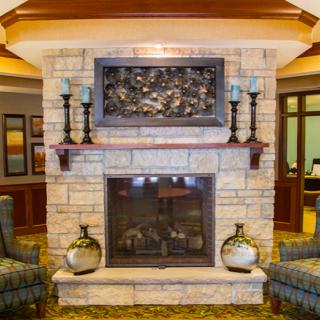
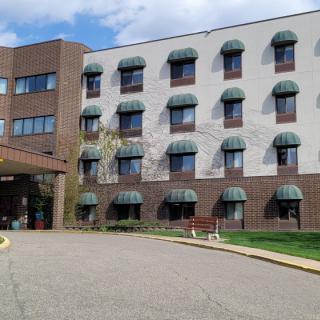
 Beautiful, well-maintained facility with elegant design, abundant amenities, and a dedicated memory care program.



 Funding and Affording Assisted Living: A Thorough Overview
 Assisted Living Expenses and Long-Term Care Insurance: A Comprehensive Exploration
 Securing Financial Support for Assisted Living: A Comprehensive Overview