



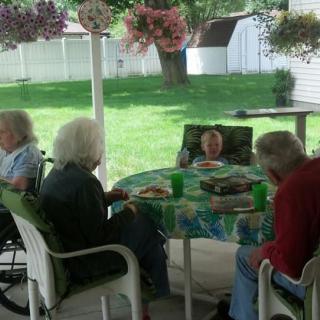


3375 W Walton Blvd, Waterford, MI 48329
To contact a resident: (248) 636-3619
For more information about senior living options: (866) 208-4318
Standish Home for Elder Care Costs & Pricing
Standish Home for Elder Care offers competitive pricing for its residents, with monthly costs that reflect both the quality of care provided and the broader market conditions within Oakland County and Michigan. The semi-private rooms are priced at $3,000 per month, which is notably more affordable than the county average of $3,204 and the state average of $3,191. In contrast, the private rooms are offered at $5,000 per month. While this rate exceeds both Oakland County's average of $3,708 and Michigan's state average of $3,675, it underscores the specialized services and personalized attention residents can expect at Standish Home. Overall, Standish presents a compelling option for families seeking elder care solutions without compromising on quality or care standards.
| Floor plans | Standish Home for Elder Care | Oakland County | Michigan |
|---|---|---|---|
| Semi-Private | $3,000 | $3,204 | $3,189 |
| Private | $5,000 | $3,708 | $3,674 |
Memory care communities with a similar price nearby
-
About the same
Hutcheson Manor
$3,000 to $4,500 / month16.6 miles away -
from +$200 / mo
Vicky's Place
$3,200 to $6,000 / month12.0 miles away -
from +$500 / mo
Briar Hill Assisted Living
$3,500 to $4,500 / month15.1 miles away -
About the same
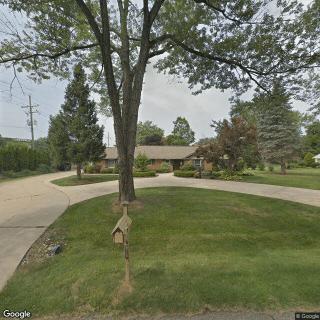
Butternut Hill Senior Living
$3,000 to $4,000 / month11.1 miles away -
from +$500 / mo
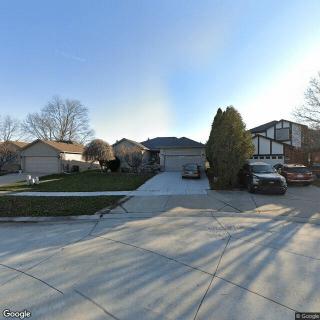
Crabtree Lane AFC Home
$3,500 to $5,500 / month16.0 miles away
Overall Review of Standish Home for Elder Care
Pros
 The staff and owners make residents feel like part of the Standish family.
 - The staff are attentive to each resident’s needs and promptly address any problems.
- Families express deep gratitude for the Standish Home staff.
- The staff are very sweet, loving, and do their absolute best to care for residents.
- Standish is a nice, small, family-style home with friendly staff and owners.
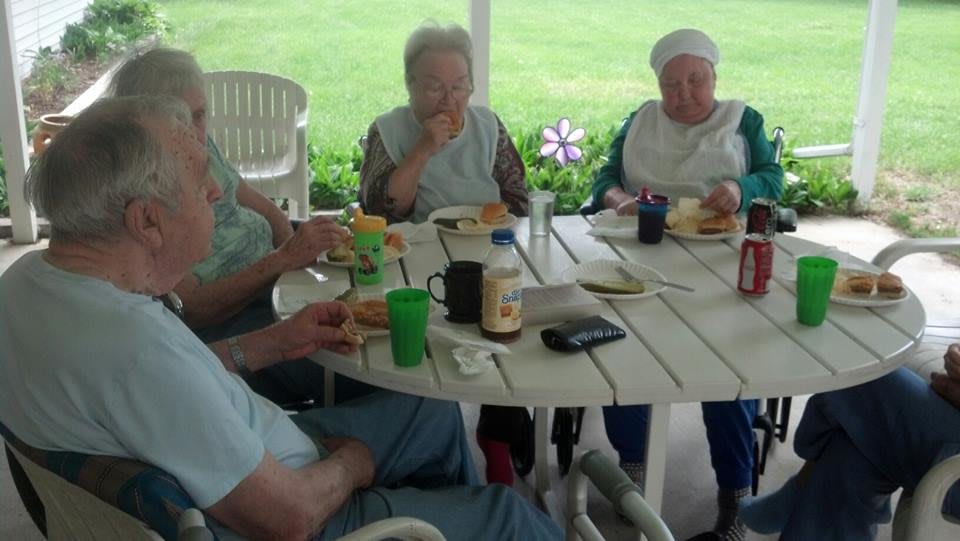
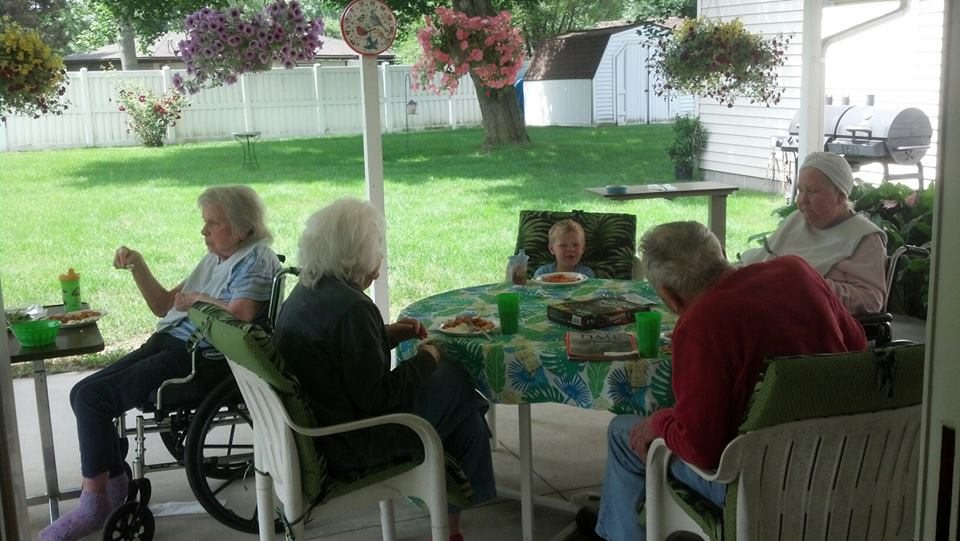
- The home feels like a real home, with residents comfortable and engaged in activities.
- The care is excellent, with residents well-groomed and cared for.
Cons
 Each coming with their own set of challenges.
Review
Standish Home for Elder Care in Waterford is best suited for families seeking a small, homelike, family-operated option for an elder who needs daily assistance but does not require hospital-grade medical services. The environment feels like a real home, with an intimate footprint, familiar routines, and caregivers who treat residents as part of a close-knit family. It appeals to those who value personal attention, consistent daily rhythms, and the sense that staff truly knows a resident’s habits, preferences, and needs. In short, this community shines for seniors who thrive on a warm, approachable setting where someone is always paying attention to how they are doing, day in and day out.
Those who may want to consider alternatives are residents with high-acuity medical requirements or who demand a broader spectrum of on-site therapies and clinical oversight. If 24/7 licensed medical staffing, on-site nursing, or access to extensive rehab services is essential, a larger campus with more formal medical resources may be a better fit. Families seeking a wide variety of structured activities, more robust social programming, or a facility of a more institutional feel should evaluate other options. Likewise, if independence or a more expansive, restaurant-style dining scene matters more than a homey atmosphere, a bigger community could align more closely with those goals.
The strongest positives at Standish, an attentive, familial staff and a true home-like vibe, are repeatedly evident in the experiences described by families. Staff members and the owner are described as welcoming, hands-on, and consistently attentive to each resident’s needs. Problems are addressed immediately, which translates into quiet confidence for families and a sense of security for residents. The care is framed as excellent, with residents staying clean, showing effort in grooming, and engaging in activities that feel approachable and enjoyable. The small, family-style setting makes care feel personalized rather than generic, and the atmosphere encourages participation without pressure.
These core strengths offset the potential downsides of a smaller operation by delivering a level of responsiveness and warmth that can be hard to replicate in larger facilities. In a smaller home, staff know routines and quirks, anticipate issues, and adapt quickly to changing needs. The downside, fewer on-site medical services or fewer formal programs, feels less risky because the caregivers’ intimate knowledge of each resident’s preferences enables timely adjustments and continuous reassurance. Where larger communities boast breadth, Standish offers depth: relationships, continuity of care, and a sense of belonging that often translates into improved mood, consistent grooming, and a smoother daily experience for residents who value dignity and stability above all.
The setting’s homey, low-key charm also supports a dignified, participatory experience. Residents and families can drop in, join activities, and enjoy everyday pleasures, like the simple familiarity of a kitchen or the satisfaction of a routine that feels like “home.” This fosters not only comfort but trust; families repeatedly note that they feel welcome and able to observe the care dynamic in person. For seniors who may feel anxious in institutional environments, that sense of belonging can reduce stress and improve daily engagement, which in turn reinforces wellbeing. The risk, potentially narrower social programming or fewer high-visibility amenities, is mitigated by the readiness of the staff to tailor experiences around individual interests and by the evident camaraderie among residents.
For families weighing Standish, a practical path is clear: pursue a candid tour and discuss the resident’s specific needs, daily routines, and desired level of medical support. In evaluating fit, ask about staff-to-resident ratios, the cadence of activities, how grooming and personal care are integrated into the day, and what happens if medical needs intensify. If a loved one thrives on a warm, home-like environment, values immediate, personalized attention, and finds comfort in being a familiar name at mealtimes and during activities, Standish is a compelling match. If, however, medical complexity or a robust, campus-style amenity map is non-negotiable, alternatives should be explored with a clear comparison of services, costs, and anticipated quality of life.
 Board and Care Home
 Memory Care
 Cats allowed
 Dogs allowed
 Activities on-site
 Bath tubs
 Devotional services on-site
 Indoor common areas
 Outdoor common areas
 Private
 Respite or short term stays offered
 Wheelchair accessible showers
 Diabetic care
 High acuity care
 Incontinence care
 Medication management
 Meals provided


 Choosing the Right Senior Care: A Detailed Exploration of Assisted Living and Nursing Homes
 Safeguarding Your Memory Through the Golden Years: Eight Ways to Preserve Cognitive Health
 Comprehensive Insights into Activities of Daily Living (ADLs) and Their Assessment