
3375 West Walton Boulevard, Waterford, MI 48329
For more information about senior living options: (866) 208-4318
Overall Review of Standish Home For The Elderly
Pros
 The staff and owner make residents feel part of the Standish family instantly.
- The staff are aware of each resident's needs and habits, and problems are addressed immediately.
- The staff at Standish Home are greatly appreciated for all they do.
- The staff are very sweet and loving people who take very good care of the residents and do their absolute best.
- The home is a nice, small, family-style setting with friendly staff and owners.
Cons
 Each family member had their own set of challenges.
Review
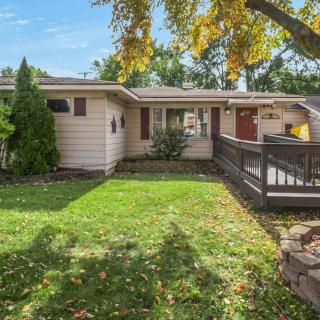
Standish Home For The Elderly in Waterford is best suited for seniors who crave a home-like, intimate setting and rely on close, consistent caregiver relationships. The small, family-style adult foster care model yields a level of attentiveness and personal knowledge of each resident’s routines and preferences that larger facilities struggle to match. Families seeking daily reassurance will appreciate how staff and the owner welcome relatives and treat residents as part of a welcoming extended family. The consistency of care is clear: problems are addressed promptly, and staff show a steadiness in knowing what each resident needs and how they prefer to be helped. For residents who value calm, predictable days over high-energy programming, Standish delivers reliability and a sense of belonging that can be hard to find elsewhere.
Those who should consider alternatives are clear too. If a resident requires robust medical oversight, access to a broad suite of on-site therapies, or a formal campus with extensive activity calendars, Standish’s small footprint may feel restrictive. Families seeking advanced memory-care programming or specialized equipment, or residents whose needs fluctuate toward complex medical transitions, may be better served by larger communities with more staff, defined shifts, and wider clinical resources. The very strengths of a home-based model, the flexibility, the personal touch, can be a mismatch for seniors who crave more structured schedules, broader social programming, or a more anonymous, institution-like environment. For those prioritizing independence with plentiful external activities, alternatives exist that scale those features up.
Pros on the ground largely offset potential limits in programming or resources. The staff’s intimate knowledge of each resident’s habits reduces guesswork in daily care, minimizes miscommunications, and enables timely problem resolution. Immediate attention to concerns translates into fewer health hiccups and less family anxiety, while the warm, familial vibe keeps residents feeling valued and secure. The small, Homey atmosphere also fosters trust and continuity, critical elements when aging in place. In this model, the trade-off leans toward safety, personal connection, and day-to-day stability rather than breadth of activities or advanced medical capabilities, and that balance often proves far more impactful than sheer variety alone.
Another strong point is staffing continuity and the evident care culture. Reviews consistently highlight that residents are treated as individuals, not problems to be solved, with staff and owners who genuinely welcome families and integrate them into the care process. This approach lowers friction during transitions and makes day-to-day management smoother, a meaningful advantage for families navigating ever-shifting care needs. Yet, the same intimate scale can constrain the availability of 24/7 medical oversight or rapid access to highly specialized memory-care supports. Prospective families should verify that the resident’s medical and cognitive needs align with what the home can safely sustain within its team and structure.
To make a disciplined decision, arrive with a practical checklist focused on daily rhythms, response times, and the fit of a personal care plan. Seek clarity about how staff detect evolving needs, what coordination exists with external health providers, and how families participate in ongoing care planning. Engage with current residents or their families to gauge communication quality, transparency, and the consistency of problem resolution. Clarify costs, inclusions, and the criteria that would trigger a move to a higher level of care. If possible, arrange a trial period to observe routine days, holidays, and how the setting handles care escalations in real time.
In sum, Standish Home For The Elderly stands out for families seeking a nurturing, small-community atmosphere where residents are known personally and cared for with urgency and warmth. It is a particularly strong match for those who value family-style caregiving and a high-touch approach over scale and formal programming. Alternatives should be explored when the priority shifts to extensive medical oversight, a wide menu of activities, or formal memory-care environments. For suitable candidates, the Standish model offers peace of mind: reliable staff engagement, a dependable routine, and a genuine sense of belonging that can make aging in a home-like setting far less daunting.
 6 resident community capacity
 Assisted Living
 Cable or satellite TV
 Dining room
 Fully furnished
 Garden
 Housekeeping services
 Move-in coordination
 Outdoor space
 Telephone
 Wi-Fi/high-speed internet available
 24-hour supervision
 Activities of daily living assistance
 Assistance with bathing
 Assistance with dressing
 Assistance with transfers
 Diabetes diet
 Meal preparation and service
 Medication management
 Special dietary restrictions
 Transportation arrangement (medical)
 Transportation to doctors appointments



 Exploring the Path to Senior Living: A Comprehensive Look at Independent Living and Assisted Living
 Is Assisted Living Deductible on Your Taxes? Understanding the Complexities of Assisted Living Expenses and Deductions
 Assisted Living Support for Veterans: A Complete and Detailed Overview