
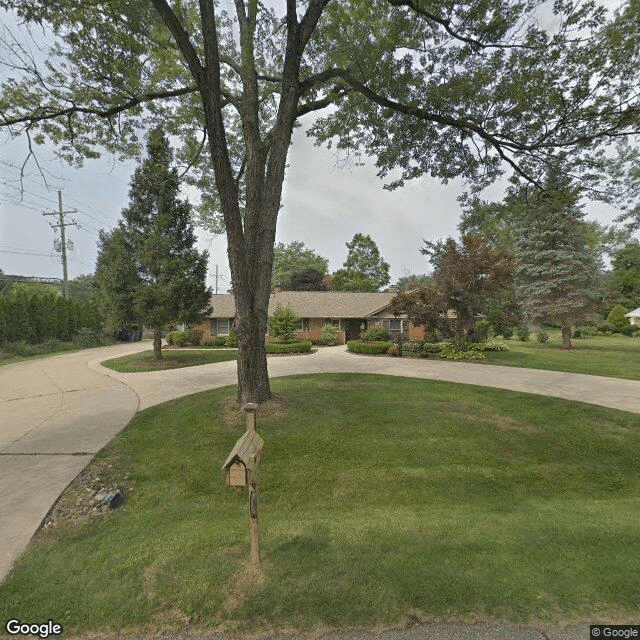
4011 Butternut Hill, Troy, MI 48098
To contact a resident: (248) 930-3492
For more information about senior living options: (866) 208-4318
Butternut Hill Senior Living Costs & Pricing
At Butternut Hill Senior Living, the monthly costs for accommodations are competitively structured, offering both semi-private and private room options that cater to diverse budgets. The semi-private rooms are priced at $3,000 per month, which is notably below the average rates of $3,204 in Oakland County and $3,191 across Michigan. For those seeking more privacy, the private rooms are available at $4,000 per month; while this figure is higher than the average county rate of $3,708 and state average of $3,675, it still reflects the quality and comprehensive services provided by Butternut Hill. Overall, residents can expect a balance between affordability and superior care in a welcoming environment.
| Floor plans | Butternut Hill Senior Living | Oakland County | Michigan |
|---|---|---|---|
| Semi-Private | $3,000 | $3,204 | $3,189 |
| Private | $4,000 | $3,708 | $3,674 |
Memory care communities with a similar price nearby
-
About the same
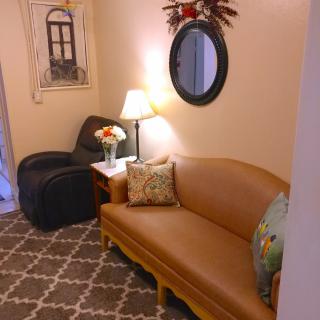
Hutcheson Manor
$3,000 to $4,500 / month11.0 miles away -
from +$200 / mo
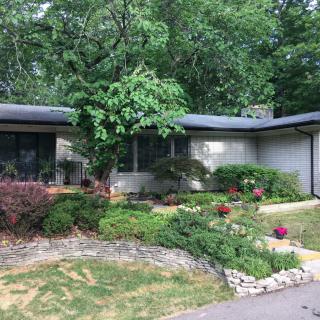
Vicky's Place
$3,200 to $6,000 / month7.8 miles away -
from +$500 / mo
Briar Hill Assisted Living
$3,500 to $4,500 / month9.6 miles away -
from +$500 / mo
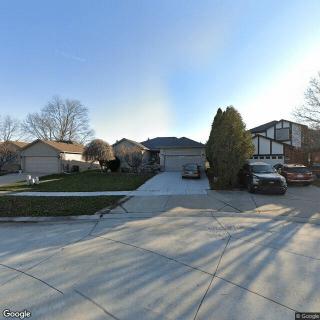
Crabtree Lane AFC Home
$3,500 to $5,500 / month5.4 miles away -
from +$500 / mo
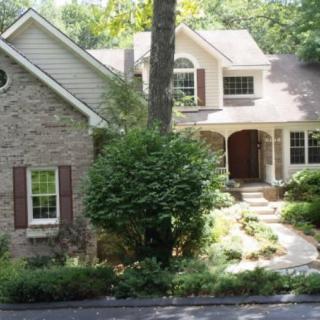
Green Valley Place
$3,500 to $4,000 / month13.0 miles away
Overall Review of Butternut Hill Senior Living
Pros
 Mom is well cared for, loved, enjoys delicious home-cooked meals, and has a pretty room.
 - The staff delivered care that exceeded expectations, with every aspect described as outstanding.
- The family was treated wonderfully, and the experience brought them peace.
- Butternut Hill exceeded expectations with exceptional, compassionate care from Gabe and Sam, along with home-cooked meals and a warm, friendly family environment.
- The staff is receptive to family input and does its best to accommodate requests.
- Gabe, Sam, Laura, and Luce are thanked for their care, and the environment feels cozy and like home.
- The caregivers are genuine, competent, and kind; the home is lovely, clean, and peaceful.
- Visitors are welcome at all times and families are kept up to date with changes and decisions.
- Gabriel and the staff deliver love, professionalism, and compassionate care, leading to positive outcomes.
- Butternut Hill is highly recommended for memory care and assisted living over traditional nursing homes.
- It is widely regarded as the best decision for mom’s care.
Review
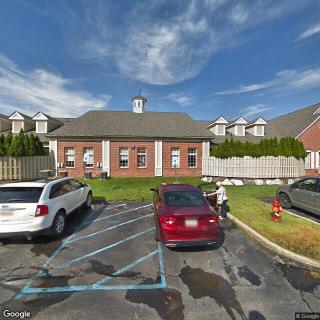
Butternut Hill Senior Living in Troy, MI is best suited for families seeking a warm, home-like setting where care feels personal and families remain meaningfully involved. The community shines for seniors who need assisted living or memory-care support delivered with deep compassion and regular, family-style engagement. It is especially well-suited for transitions from in-home care to a smaller, intimate environment, including hospice-adjacent support, where the emphasis is on safety, nourishment, and everyday kindness. For families prioritizing a true “home away from home” atmosphere over a large-campus feel, this is a compelling match.
There are clear reasons why alternatives might be worth considering. Residents with high-acuity medical needs that require constant, intensive skilled nursing or complex clinical management across a broad spectrum of specialists may be better served by larger facilities with more on-site medical infrastructure. Some families prefer a more structured activity calendar or a campus with extensive amenities and services that go beyond what a smaller, home-centered setting typically offers. If proximity to certain medical networks, more formal programming, or a more traditional institutional environment is a priority, exploring other options is sensible.
The strongest positives here offset common concerns about smaller, non-institutional settings. The care team is described as exceptionally attentive, compassionate, and genuinely invested in each resident’s well-being. Home-cooked meals, a clean and cozy atmosphere, and a sense of family permeate the daily experience, creating notable peace of mind for relatives. The staff’s responsiveness to family input, receiving suggestions, addressing requests, and keeping lines of communication open, turns a potentially stressful transition into a collaborative, reassuring process. In memory care and end-of-life scenarios, the warmth and tailored attention reportedly exceed expectations, delivering not only physical care but emotional reassurance for both residents and their families.
Consistently highlighted is the sense that this is not a distant, clinical facility but a place where caregivers know residents by name, routines feel familiar, and visits are welcome. Descriptions of caregivers like Gabe, Sam, and Laura convey a team that stays closely connected with families, vigilantly monitors safety, and provides updates on health changes. The environment is praised as welcoming and homelike, with staff members who manage details with care, cleanliness, comfort, and the overall atmosphere contributing to a feeling that “mom or dad is in good hands.” For families prioritizing trust, transparency, and a collaborative care approach, these are substantial advantages.
Yet the perceived trade-off is the scale and emphasis. While the intimate setting fosters remarkable personalization, it may mean fewer on-site medical specialists or fewer entertainment and lifestyle options typical of larger campuses. The practical question for decision-makers is whether the level of medical acuity and the breadth of services can be safely managed within this home-like model as needs evolve. Based on the experiences shared, the staff’s proactive communication and willingness to coordinate with family and outside providers mitigate these concerns significantly, but care plans should be reviewed regularly to ensure alignment with evolving medical requirements.
Ultimately, the choice hinges on what matters most to the family and the resident. Butternut Hill Senior Living is a compelling choice for those seeking a small, affectionate community where care is deeply personal, nutrition is hearty, and families feel seen and valued. It excels when the priority is memory care or assisted living delivered with dignity, warmth, and daily continuity. For families comfortable trading breadth of services for a tighter, homelike setting, the positives markedly outweigh the downsides. When evaluating options, prospective residents should visit, meet the caregiving team, and scrutinize how daily routines, dietary preferences, and care plans are executed, ensuring that the level of medical oversight and the cadence of updates align with the resident’s needs.
 Board and Care Home
 Memory Care
 Activities on-site
 Beautician on-site
 Devotional services off-site
 Indoor common areas
 Outdoor common areas
 Private
 Respite or short term stays offered
 Wheelchair accessible showers
 Diabetic care
 High acuity care
 Incontinence care
 Medication management
 Meals provided


 When Dementia Sparks Anger and Aggression: Understanding the Connection and Ways to Cope
 Dementia Behaviors: In-Depth Understanding and Effective Coping Strategies
 5 Early Indicators of Dementia and What You Can Do