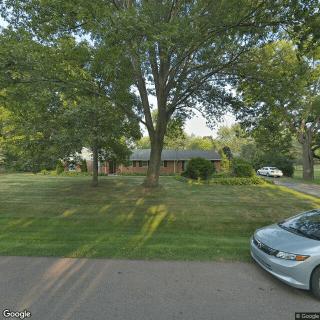
Cranbrook Assisted Living Of Troy

4074 Rouge Circle Drive, Troy, MI 48098

For more information about senior living options: (844) 490-3973

4.2 from 30 reviews
5 stars
21
4 stars
3
3 stars
1
2 stars
0
1 stars
5

Assisted Living

Overall Review of Cranbrook Assisted Living Of Troy

Pros

  • pro Brookdale demonstrates a strong commitment to resident care and a family-like atmosphere.
  • pro The staff consistently goes above and beyond to make residents feel at home, comfortable, and safe.
  • pro Brookdale is highly recommended for families seeking added care for their loved ones.
  • pro Brookdale offers excellent care and a clean facility, with staff who care about residents.
  • pro The admissions process is smooth, with staff like Shannon and Brie easing transitions.
  • pro Shannon, the social worker, and the entire staff are exceptionally caring, making transitions smooth and comfortable.
  • pro The Brookdale community is known for its family atmosphere and professional excellence.
  • pro The staff are kind, respectful, and treat residents with dignity.
  • pro Brookdale Troy and its teams are described as wonderful, with knowledgeable wellness directors and caring staff.

Cons

  • pro Memory Care is disappointing, with little mental stimulation and no funds for an Activities Director.
  • pro The facility is under-staffed and residents are over-medicated.
  • pro Caregivers are often out of sight, leaving residents unattended, especially in the evenings.
  • pro Staff oversight is inadequate for agitated or aggressive residents, allowing incidents to escalate.
  • pro Management reportedly evicted a resident and pushed for hospitalization without family approval.
  • pro A nurse at Brookdale Troy was described as deceitful and untrustworthy, leading to a decision not to do business there.
  • pro At the Troy location, the last month showed a decline in care, prompting a 30-day notice to leave.

Review

This community is best suited for families seeking a warm, home?like atmosphere with genuinely caring staff and a strong sense of team. It works well for residents who need assisted living support but still value personal connection and a familiar, almost family feel from the caregiving staff. The location suits families who want steady, long?term relationships with caregivers, and who are navigating memory care with a preference for consistent, attentive faces who know the resident by name and routine.

Some families may want to consider alternatives. For those prioritizing robust daily programming and cognitive stimulation in memory care, the programming here can feel light, with several reviews noting limited outings, art activities, and structured engagement. If price stability and transparent communication are nonnegotiables, the history of price increases and mixed communication experiences can be a red flag. For families seeking a more modern neighborhood layout with potentially different staffing models, or for those who want a facility that emphasizes minimal intervention and fewer medication adjustments, other providers - such as facilities praised for more active memory-care curricula - may be a better fit.

On the plus side, the strongest assets are the people and the culture. Families repeatedly praise staff who "go above and beyond," creating a family atmosphere and steady, compassionate care. The admissions process and ongoing family communication are frequently cited as smooth, with social workers and coordinators who stay engaged and responsive. The sense that residents are treated with dignity, safety, and respect underpins many positive experiences, and for families living out of town, the responsiveness of staff and the personalized touch can make this community feel like a trusted extension of home.

Yet there are notable downsides that cannot be ignored. Turnover and occasional under?staffing surface in several accounts, raising concerns about consistency and timely attention, especially during evenings or in memory?care settings. Some families report communication gaps when issues arise, and there are pointed critiques about medication management, including accusations of over?medicating in the past. Laundry and routine chores - such as timely clothing and dressing changes - have also been flagged, along with isolated safety incidents when residents exhibit agitation or when staff coverage is insufficient. A few reviews describe difficult management moments, including one account of a family feeling pushed to move a loved one due to disagreements over care pacing and staffing.

These pros and cons do not cancel each other out; they shape a clear decision frame. The community delivers on warmth, safety, and resident dignity in a way that can substantially ease the transition for families who prize relationship-based care and consistent caregiver contact. However, the risks identified - staffing gaps, communication variability, and mixed memory?care programming - mean that this option is most compelling for families who can actively participate in oversight, request clear performance benchmarks, and tolerate some variability while valuing the overarching culture. For those who require stricter staffing guarantees or richer cognitive-stimulation programming, exploring alternatives is prudent.

When evaluating this community, focus on concrete assurances and current realities. Ask for current staff-to-resident ratios by shift, the exact schedule and staffing of the memory?care unit, and how activities are planned and staffed each week. Request examples of recent care plans, incident reports, and a transparent explanation of any price changes, including what is included in the rate and what would trigger additional charges. Meet with the memory?care director and the social work teams to gauge responsiveness, then talk to several current families about day?to?day living, laundry handling, and how behavioral challenges are managed. If the answers are steady and the culture remains warm with improved programming, this community stands a strong chance of delivering both peace of mind and a true home-like experience. If not, alternatives with steadier staffing, more robust engagement, and clearer pricing may provide greater long?term value and fewer compromises.

Features

Housing

  • 6 resident community capacity 6 resident community capacity

Types of Care

  • Assisted Living Assisted LivingAssisted living facilities provide crucial support and care for seniors who may need help with daily tasks such as medication management, bathing, and meal preparation. These communities offer a safe and comfortable environment where seniors can maintain their independence while receiving the assistance they need to thrive in their golden years.

Amenities

  • Cable or satellite TV Cable or satellite TVCable or satellite TV is important for seniors because it provides entertainment, news, and companionship, helping to combat loneliness and boredom. It also offers a wide range of programming options tailored to different interests and preferences.
  • Dining room Dining roomDining rooms are important for seniors as they provide a space for socialization, connection, and nutritious meals. They offer opportunities for residents to bond over shared meals, foster a sense of community, and promote healthy eating habits. Dining rooms also ensure that seniors have access to well-balanced meals tailored to their dietary needs and preferences.
  • Fully furnished Fully furnishedFully furnished senior living communities are important for seniors because they provide convenience, comfort, and a hassle-free moving experience. Seniors can easily settle into their new living space without the stress of having to buy and move furniture. This allows them to focus on enjoying their new home and community.
  • Garden GardenGardens are important for seniors as they provide a peaceful and therapeutic environment for relaxation, physical activity, and socialization. Being in nature has been shown to reduce stress, improve mood, and promote overall well-being. Gardens also offer opportunities for seniors to engage in gardening activities, which can improve mobility, flexibility, and cognitive function. Additionally, gardens create a sense of community and connection with others who share a passion for plants and outdoor spaces.
  • Housekeeping services Housekeeping servicesHousekeeping services are important for seniors because they help maintain a clean and safe living environment, promote independence, and reduce the risk of accidents or illnesses. Additionally, having assistance with household chores can alleviate physical strain and allow seniors to focus on other aspects of their well-being.
  • Move-in coordination Move-in coordinationMove-in coordination is important for seniors because it helps ease the transition into their new living environment. It ensures that all logistics, such as packing, organizing movers, and setting up utilities are taken care of, allowing seniors to focus on settling in and adjusting to their new home. Having a smooth move-in process can alleviate stress and anxiety, making the transition smoother and more enjoyable for seniors.
  • Outdoor space Outdoor spaceOutdoor spaces are important for seniors as they provide opportunities for physical activity, social interaction, exposure to natural light and fresh air, and a sense of connection to nature. Having access to outdoor spaces can improve overall well-being and quality of life for older adults living in senior communities.
  • Telephone TelephoneTelephones are important for seniors as they provide a lifeline for communication with loved ones, emergency services, and healthcare providers. They offer a sense of security and independence, enabling seniors to stay connected and access assistance when needed.
  • Wi-Fi/high-speed internet available Wi-Fi/high-speed internet availableWi-Fi/high-speed internet is important for seniors to stay connected with loved ones, access online resources, and participate in virtual activities to combat feelings of loneliness and isolation. It also allows them to easily manage healthcare needs, access entertainment, and engage in lifelong learning opportunities.

Care Services

  • 24-hour supervision 24-hour supervision24-hour supervision is important for seniors to ensure their safety, well-being, and access to immediate assistance in case of emergencies or health issues. This constant support provides peace of mind for both seniors and their loved ones, allowing them to age in place with dignity and security.
  • Activities of daily living assistance Activities of daily living assistanceActivities of daily living assistance are important for seniors because they provide essential support with tasks such as eating, bathing, dressing, and mobility. This assistance helps seniors maintain their independence, dignity, and overall quality of life as they age.
  • Assistance with bathing Assistance with bathingAssistance with bathing is crucial for seniors as it helps maintain personal hygiene, prevents infections, and ensures their overall well-being and comfort. It also provides a sense of dignity and independence for seniors who may struggle with this task on their own.
  • Assistance with dressing Assistance with dressingAssistance with dressing is important for seniors because it helps maintain their independence, promotes personal hygiene, prevents accidents and injuries, and improves overall quality of life. This service ensures that seniors can continue to dress comfortably and confidently, despite any physical limitations they may have.
  • Assistance with transfers Assistance with transfersAssistance with transfers is crucial for seniors as it helps prevent falls and injuries, maintains their independence, and ensures they can safely navigate their living environment. It also provides peace of mind for both seniors and their loved ones.
  • Coordination with health care providers Coordination with health care providersCoordination with health care providers is crucial for seniors to ensure proper medical care, medication management, and overall well-being. This collaboration helps prevent overlapping treatments, track progress more effectively, and provide comprehensive support tailored to individual needs.
  • Diabetes diet Diabetes dietA diabetes diet is crucial for seniors as it helps manage blood sugar levels, reduce risks of complications, and improve overall health and well-being. By following a balanced and nutritious diet tailored to their specific needs, seniors can better control their diabetes and enhance their quality of life.
  • Meal preparation and service Meal preparation and serviceMeal preparation and service are crucial for seniors as they may have limited mobility or energy to cook nutritious meals. Having access to healthy and convenient food options can ensure they are getting the proper nutrition needed to maintain their overall health and well-being.
  • Medication management Medication managementMedication management is crucial for seniors to ensure they are taking the right medications at the correct dosages and times. This helps prevent adverse drug interactions, reduces the risk of medication errors, and promotes overall health and well-being. Proactive management also allows for adjustments as needed based on changing health conditions or new prescriptions.
  • Special dietary restrictions Special dietary restrictionsSpecial dietary restrictions are important for seniors because age-related changes in metabolism and health conditions can make it difficult for their bodies to process certain foods. By following a diet tailored to their specific needs, seniors can maintain their overall health and well-being, manage chronic conditions, and reduce the risk of complications such as malnutrition or food interactions with medications.
  • Transportation arrangement (medical) Transportation arrangement (medical)Transportation arrangements for medical purposes are essential for seniors as they may have difficulty driving themselves to appointments or accessing public transportation. Having reliable and safe transportation options ensures that seniors can receive timely medical care and maintain their health and well-being.
  • Transportation to doctors appointments Transportation to doctors appointmentsTransportation to doctors' appointments is crucial for seniors as it ensures they have access to necessary medical care and support for their health needs. Without reliable transportation, seniors may struggle to attend important appointments, leading to potential delays in treatment and health complications. Providing transportation services helps seniors maintain their overall well-being and quality of life.

Dining

  • Diabetes diet Diabetes dietA diabetes diet is crucial for seniors as it helps manage blood sugar levels, reduce risks of complications, and improve overall health and well-being. By following a balanced and nutritious diet tailored to their specific needs, seniors can better control their diabetes and enhance their quality of life.
  • Special dietary restrictions Special dietary restrictionsSpecial dietary restrictions are important for seniors because age-related changes in metabolism and health conditions can make it difficult for their bodies to process certain foods. By following a diet tailored to their specific needs, seniors can maintain their overall health and well-being, manage chronic conditions, and reduce the risk of complications such as malnutrition or food interactions with medications.

Activities

  • Community-sponsored activities Community-sponsored activitiesCommunity-sponsored activities are important for seniors as they provide opportunities for social interaction, mental stimulation, and physical activity. These activities can help improve overall well-being, combat loneliness and isolation, and promote a sense of belonging and purpose among older adults.
  • Scheduled daily activities Scheduled daily activitiesScheduled daily activities are important for seniors because they provide structure, socialization, mental stimulation, and physical activity. Engaging in regular activities can improve overall well-being and quality of life for seniors living in a community setting.

Description

Cranbrook Assisted Living Of Troy in Troy, MI is a comfortable and convenient assisted living community that offers a range of amenities and care services to meet the needs of its residents. The community provides a dining room where residents can enjoy delicious meals prepared and served by the staff. Each resident's living space is fully furnished, creating a cozy and welcoming environment.

Outdoor space is also available for residents to relax and enjoy nature. Housekeeping services are provided to ensure that the community remains clean and tidy at all times. Move-in coordination is offered to assist new residents with their transition and settle into their new home seamlessly.

To cater to residents' communication needs, telephone service and Wi-Fi/high-speed internet access are available throughout the community. Assistance with activities of daily living such as bathing, dressing, and transfers is provided by trained caregivers who work closely with each resident to ensure their comfort and well-being.

Cranbrook Assisted Living Of Troy also offers coordination with health care providers for residents who require additional medical support. Diabetes diet management, medication management, special dietary restrictions, as well as transportation arrangements for medical appointments are all part of the comprehensive care services provided.

Residents can also engage in various scheduled daily activities that aim to promote socialization, stimulation, and overall well-being. Additionally, Cranbrook Assisted Living Of Troy benefits from its proximity to several amenities in the surrounding area. With 7 cafes, 7 parks, 18 pharmacies, 3 physicians offices, 17 restaurants, 3 places of worship nearby and even a theater nearby), residents have easy access to various resources and opportunities for entertainment or religious practice.

Overall, Cranbrook Assisted Living Of Troy provides a supportive community environment where seniors can receive personalized care while enjoying a comfortable lifestyle with access to essential amenities and services nearby.

Nearby Places of Interest

Restaurants

  • Yard House (2 miles)
  • Hunter House Hamburgers (2.1 miles)
  • Little Daddy's (2.1 miles)
  • Fogo de Chão Brazilian Steakhouse (2.7 miles)
  • Mt. Chalet II (3.1 miles)
  • Pita Way - Troy (3.2 miles)
  • McDonald's (3.3 miles)

Physicians

  • Troy Medical Center (2.1 miles)
  • Troy Orthopedics Associates (2.3 miles)
  • Beverly Hills Orthopedists (3.3 miles)
  • Barclay Medical Center (5.8 miles)
  • Sterling Physicians (5.9 miles)
  • Metro Medical Practice (6 miles)
  • Summit Oral & Maxillofacial Surgery (6 miles)

Cafes

  • Starbucks Reserve (2.2 miles)
  • Panera Bread (2.3 miles)
  • Starbucks (2.6 miles)
  • Starbucks (4.3 miles)
  • Antonio's Cafe & Grill (4.3 miles)
  • Panera Bread (4.5 miles)
  • Starbucks (4.7 miles)

Pharmacies

  • Rite Aid (2.2 miles)
  • CVS Pharmacy (2.4 miles)
  • Walgreens (2.4 miles)
  • Meijer Pharmacy (2.8 miles)
  • CVS Pharmacy (3 miles)
  • Rite Aid (3.3 miles)
  • CVS Pharmacy (3.4 miles)

Parks

  • Shain Park (2.3 miles)
  • Firefighters Park (2.4 miles)
  • Clawson Park (3.5 miles)
  • Avondale Park (3.8 miles)
  • Riverside Park (4.2 miles)
  • River Woods Park (4.5 miles)
  • Starr Jaycee Park (4.6 miles)

Places of Worship

  • St Hugo of the Hills Church (2.6 miles)
  • Church Of The Holy Redeemer (4.2 miles)
  • Big Beaver United Methodist Church (4.7 miles)

Theaters

  • MJR Troy Grand Digital Cinema 16 (3.5 miles)
  • AMC Star John R 15 (5.6 miles)
  • Emagine Rochester Hills (5.9 miles)
  • Emagine Royal Oak (6.7 miles)

Hospitals

  • McLaren Oakland (6.2 miles)

Frequently Asked Questions

Where is Cranbrook Assisted Living Of Troy?

Nearby Communities

  • Adams House

    Adams House

    Troy, MI

    1 from 1 review
     

    pro Small, personalized assisted living with on-site dining, housekeeping, care services, transportation, and activities.


  • Butternut Hill Senior Living

    Butternut Hill Senior Living

    Troy, MI

    5 from 10 reviews
    $3,000 to $4,000 / month

    pro Memory care focus with high-acuity care, on-site grooming, and short-term/respite stays.

  • Haven Lee Homes

    Haven Lee Homes

    Bloomfield Hills, MI

    4.7 from 12 reviews
     

    pro Vibrant, inclusive assisted living with fully furnished homes and comprehensive care.

  • R.C. Mahon Home

    R.C. Mahon Home

    Bloomfield Hills, MI


    pro Comprehensive assisted living with 24/7 supervision, ADL support, medication management, and diabetes-friendly dining.

  • Orchard Meadows

    Orchard Meadows

    Bloomfield Township, MI

    5 from 3 reviews
    $4,000 to $5,000 / month

    pro Exceptional, compassionate care in a clean, welcoming setting with freshly prepared meals.

  • Orchard Meadows Co.

    Orchard Meadows Co.

    Bloomfield Hills, MI


    pro Fully furnished suites with comprehensive assisted living services and on-site amenities.

  • ExpertCare Management Services

    ExpertCare Management Services

    Troy, MI

    3.2 from 32 reviews
     

    pro Strong commitment to finding the right caregiver, improving the loved one's comfort and independence.

  • Cedarbrook

    Cedarbrook

    Bloomfield Hills, MI

    4.4 from 110 reviews
    $6,800 / month

    pro Caring, engaged staff with well-maintained facilities and strong Memory Care.

  • Pomeroy Assisted Living - Rochester

    Pomeroy Assisted Living - Rochester

    Rochester Hills, MI

    4.1 from 55 reviews
    $4,895 to $5,995 / month

    pro Compassionate staff and a clean, up-to-date memory-care focused community with engaging activities.

Related Resources

  • how to pay for assisted livingSecuring Financial Support for Assisted Living: A Comprehensive Overview

    Assisted living facilities offer crucial support for older adults needing help with daily activities but come with varying and significant costs, which can be financed through personal savings, government assistance programs, long-term care insurance, and home equity options. Professional guidance from experts can aid families in navigating these financial complexities to establish a sustainable budgeting approach for assisted living services.

  • assisted living for seniors on social securitySocial Security Benefits and Assisted Living: Navigating Options Across the U.S.

    Assisted living costs often exceed Social Security benefits, necessitating a combination of funding sources like state aid and Medicaid. Understanding the interaction between Social Security programs and available financial support is essential for affording such care.

  • aid and attendance vaAn Extensive Exploration of the VA Aid and Attendance Benefit

    The VA Aid and Attendance benefit provides financial support to veterans needing assistance with daily living due to medical conditions or disabilities, augmenting standard VA pensions for services like in-home care. Eligibility is based on service duration, wartime status, income, and medical needs, with a detailed application process required to access funds for caregiving and home modifications.