
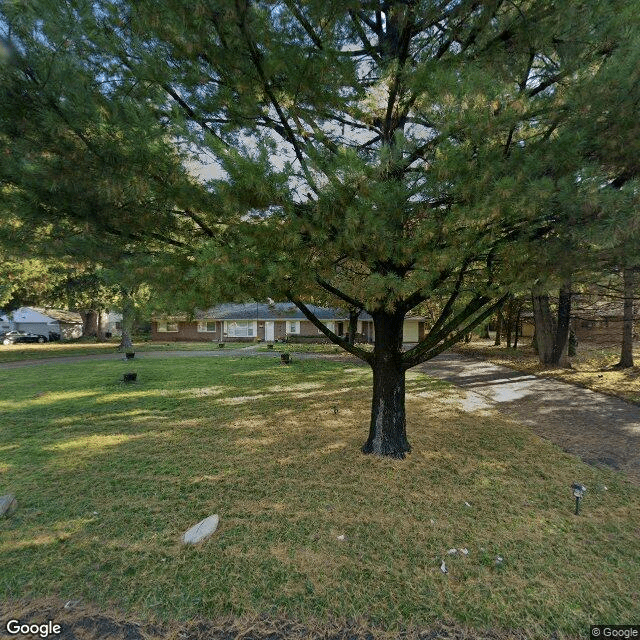
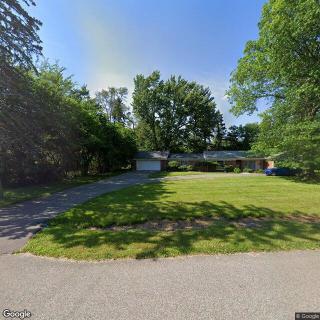
30570 Longcrest, Southfield, MI 48076
To contact a resident: (248) 290-0157
For more information about senior living options: (866) 208-4318
Baley's Residential Care Home #1 Costs & Pricing
Baley's Residential Care Home #1 offers competitive monthly rates for its residents when compared to the broader market in Oakland County and the state of Michigan. For semi-private rooms, Baley's fee stands at $3,200, which is slightly lower than both the county average of $3,204 and the state average of $3,191. Similarly, the cost for private rooms at Baley's is set at $3,500, providing a more affordable option than the Oakland County average of $3,708 and also undercutting the Michigan statewide average of $3,675. These competitive pricing structures reflect Baley's commitment to offering quality care while ensuring affordability for families seeking residential support for their loved ones.
| Floor plans | Baley's Residential Care Home #1 | Oakland County | Michigan |
|---|---|---|---|
| Semi-Private | $3,200 | $3,204 | $3,189 |
| Private | $3,500 | $3,708 | $3,674 |
Memory care communities with a similar price nearby
-
from -$200 / mo
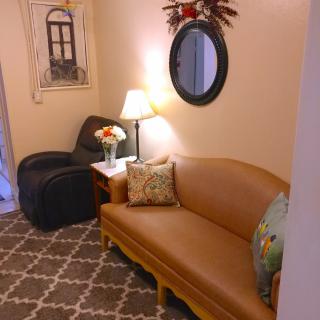
Hutcheson Manor
$3,000 to $4,500 / month7.6 miles away -
from +$600 / mo
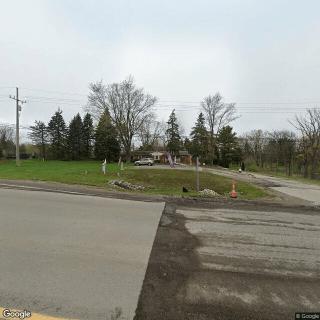
Silverbell Manor
$3,800 / month14.6 miles away -
About the same
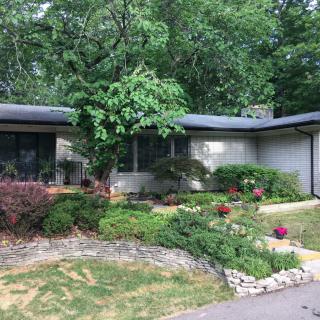
Vicky's Place
$3,200 to $6,000 / month6.2 miles away -
from +$400 / mo
Pineview Manor
$3,600 / month16.3 miles away -
from +$300 / mo
Briar Hill Assisted Living
$3,500 to $4,500 / month6.5 miles away
Overall Review of Baley's Residential Care Home #1
Pros
 The staff was wonderful.
- Residents were friendly.
Cons
 There were some maintenance issues at the home.
- The residence was too far from the reviewer’s home.
Review
Baley’s Residential Care Home #1 in Southfield, Michigan is best suited for families that prioritize a small, home-like atmosphere where staff know residents well and the social environment feels warm and neighborly. This community rewards those who can tolerate a longer drive or live within a reasonable radius, because proximity matters for frequent visits and easy coordination of care. It’s not pitched as a high-volume, clinical setting; instead, it leans into personal attention and a relaxed daily rhythm. For families seeking meaningful, everyday interaction over formal programming, Baley’s can feel like a comfortable, low-stress option.
Those who should consider alternatives are primarily those with strict proximity requirements or those who place a premium on immaculate upkeep and predictable maintenance. The distance factor matters for families who need very regular in-person supervision or who rely on frequent, unscheduled visits. Additionally, households that want a facility with highly standardized maintenance routines or more robust medical oversight may find that Baley’s does not align with those expectations. In such cases, nearby communities offering greater accessibility and seemingly tighter upkeep could prove more suitable.
The strongest, most consistent positive is the caliber of the staff paired with a friendly resident community. When care teams are described as wonderful and residents come across as approachable, that combination fosters a sense of safety and belonging. Families can expect attentive, personable interactions, timely help with routine needs, and a social atmosphere where residents can converse, participate in simple activities, and feel seen. This human-centered warmth often translates into smoother daily living, fewer anxieties about day-to-day care, and a cooperative vibe that supports independent living within a structured setting.
The principal drawbacks are clear and twofold: ongoing maintenance issues and the geographic distance from many potential visitors. Maintenance problems can erode comfort and confidence in the facility’s upkeep, potentially affecting safety and consistency of environments like living spaces, common areas, and safety features. At the same time, the distance factor complicates visits, impedes spontaneous check-ins, and can slow coordination during subtle or emergent care needs. Combined, these cons can overshadow otherwise strong interpersonal care if maintenance lapses persist or family access becomes inconsistent.
Where the pros meet the cons, families should use a practical, forward-looking lens. The warmth of the staff and the friendly social milieu do offset some frustrations around distance, since reliable human contact can sustain quality of life even when trips are longer. Yet persistent maintenance issues, unless promptly and transparently addressed, can quickly undercut that value by creating discomfort or safety concerns. Prospective residents should demand a clear maintenance track record: recent repairs, routine schedules, and who handles fixes, plus a transparent outline of response times. Also, arrange direct conversations about visitation plans, zero-in on how staff coordinate care with families, and assess whether the overall daily rhythm aligns with the resident’s needs.
In the end, Baley’s Residential Care Home #1 works best for families that can tolerate the travel element and that prize a warm, staff-driven daily life. It is less ideal for households where easy, frequent in-person access and faultless upkeep are non-negotiable. For those with flexible geography and a strong emphasis on personal attention over expansive amenities, Baley’s can deliver meaningful daily living and a supportive community. Families weighing options should compare proximity, maintenance transparency, and staff engagement across nearby offerings, and insist on a clear plan for upkeep and visitation before making a commitment.
 Board and Care Home
 Memory Care
 Private
 Detroit Metropolitan-Wayne County (22 miles away)
 Diabetic care
 High acuity care

 Guiding Your Journey: Understanding Power of Attorney for Elderly Parents
 22 Remarkable Caregiver Support Groups Available Online and In-Person
 Understanding Medicaid Coverage for Assisted Living: A Comprehensive Guide