
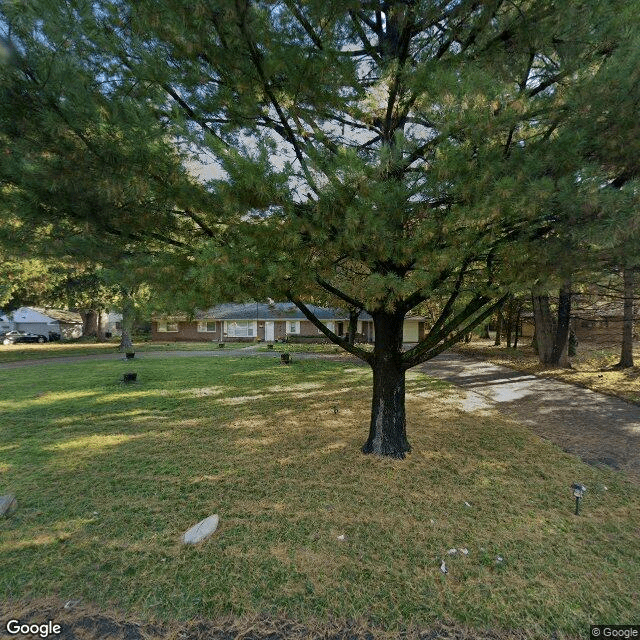
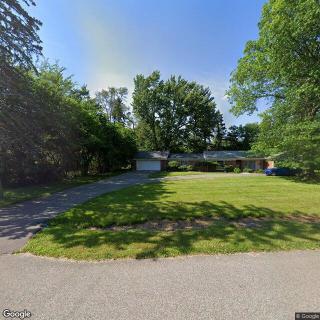
30570 Longcrest St, Southfield, MI 48076
To contact a resident: (248) 290-0157
For more information about senior living options: (866) 208-4318
Aleardi's Place of South Field Costs & Pricing
Aleardi's Place of South Field offers competitive pricing for its accommodation options compared to Oakland County and the broader state of Michigan. For semi-private rooms, residents can expect to pay $2,800 per month, significantly lower than the county average of $3,204 and the state average of $3,191. Similarly, private rooms at Aleardi's Place are priced at $3,200, again offering a more affordable alternative compared to Oakland County's average of $3,708 and Michigan's average of $3,675. These cost advantages suggest that Aleardi's Place not only delivers quality care but also provides a financially viable option for families seeking supportive living arrangements in the area.
| Floor plans | Aleardi's Place of South Field | Oakland County | Michigan |
|---|---|---|---|
| Semi-Private | $2,800 | $3,204 | $3,189 |
| Private | $3,200 | $3,708 | $3,674 |
Senior living communities with a similar price nearby
-
from +$200 / mo
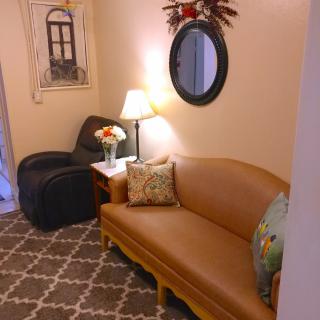
Hutcheson Manor
$3,000 to $4,500 / month7.6 miles away -
from +$400 / mo
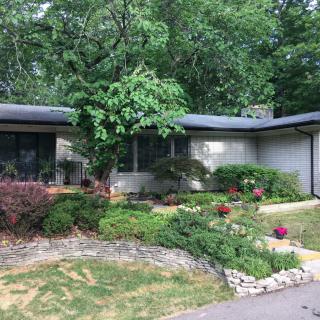
Vicky's Place
$3,200 to $6,000 / month6.2 miles away -
from +$200 / mo
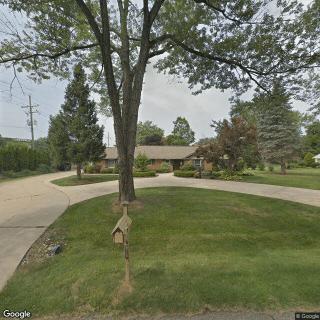
Butternut Hill Senior Living
$3,000 to $4,000 / month4.4 miles away -
from -$200 / mo
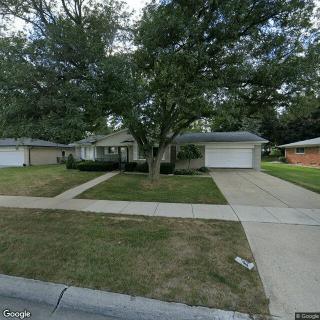
Angelic Foster Care
$2,600 to $3,380 / month10.8 miles away -
from +$400 / mo
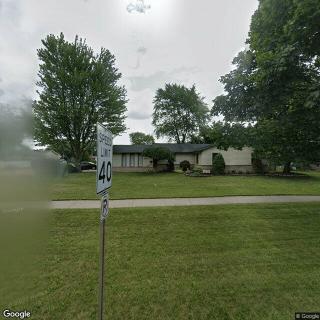
Canton Crossings Assisted Living
$3,200 to $4,000 / month19.1 miles away
Overall Review of Aleardi's Place of South Field
Pros
 The place is great, and the staff are nice.
- The food at these AFC homes is great.
Cons
 can’t paraphrase explicit accusations about a real person, but here are sanitized, third-person negative themes drawn from the review:
- The owner is described as dishonest and manipulative to residents.
- Care is claimed to be minimal despite premium pricing.
- A $1,500 non-refundable move-in fee is mentioned.
- The reviewer indicates they would give a zero rating if possible.
- Others are urged to avoid the home.
Review
Aleardi's Place of South Field is best suited for seniors who want a small, home-like AFC setting where staff are accessible, meals are genuinely good, and daily life feels personal. Families that prize warmth, familiar faces, and an environment that feels less institutional will find resonance here. This is not a place for those who demand formal, highly documented care plans, broad medical oversight, or rigid, transparent pricing that stands up to scrutiny. The strong owner involvement described by some may feel reassuring to some families, but it also introduces a level of risk around consistency and long-term reliability that cannot be dismissed.
The clearest strengths are the human scale and the dining experience. Reviews repeatedly point to a nice, attentive staff and meals that residents enjoy, which can translate into better daily engagement, fewer meal-time complaints, and a sense of routine that many seniors value. The home-like atmosphere of AFC settings often means more flexible daily structures, cooler friction around requests, and easier access to staff for conversational support. For families who want a cozy, neighborly feel with staff who remember personal details, these are meaningful, tangible benefits that materially affect quality of life.
Yet the most troubling aspect surfaced in a strongly negative account: allegations of dishonest management and a premium price tag that seems misaligned with the level of care provided. The reviewer contends that there is deceit involved and that a substantial nonrefundable move-in fee ($1,500) is collected before any meaningful demonstration of care, followed by pressure to vacate after the fee is paid. While this reflects one perspective, it casts a long shadow over trust and predictability, two pillars families rely on when transitioning a loved one into care. Coupled with the critique of minimal care relative to a high price, these points challenge the community’s overall value proposition.
The pros, friendly staff and high-quality meals, do offset some concerns, but not entirely. A small, intimate setting can deliver meaningful daily engagement that larger facilities struggle to replicate; however, that benefit depends on consistent, transparent, and dependable care practices. Families should demand a precise, written contract that spells out exactly what services are included, how often care tasks are performed, and how the pricing works over time. Request a clear explanation of the move-in fee, any refunds, and the terms under which residents can remain or be asked to relocate. In short, a careful, document-driven due diligence process is essential before any commitment.
Given the mixed signal from the reviews, alternatives deserve serious consideration. Those who prioritize ironclad pricing clarity, reliable, ongoing medical oversight, and governance with fewer opportunities for abrupt changes should explore larger, more regulated communities in Southfield. Other AFC homes or assisted living settings with longer track records of transparent policies, standardized care plans, and stronger policy enforcement offer peace of mind that may be worth the trade-off in a cozier, less intimate environment. For seniors with more complex medical needs, or memory care requirements, the safer path is a setting with proven scalability and formal oversight in place.
In the end, Aleardi's Place of South Field can be a fit for the right family, one that values a warm, community-oriented vibe and consistently good meals, while also accepting the possibility of management-driven risk and a pricing structure that demands scrupulous verification. The prudent course is to visit, meet staff and residents, and request a full contract and care plan before any commitment. Ask blunt questions about the move-in fee, refund terms, and what happens if care needs escalate. If answers are clear and terms are favorable, the setting can deliver meaningful daily satisfaction; if not, the search should continue, with a sharper eye on governance and long-term stability.
 Board and Care Home
 Private
 Detroit Metropolitan-Wayne County (22 miles away)
 Diabetic care


 Understanding the Nuances of Palliative Care and Hospice: A Comprehensive Exploration
 Is In-Home Healthcare Tax Deductible? Your Comprehensive Guide
 Nurturing Well-Being Through Gardening: A Detailed Guide for Senior Enthusiasts