
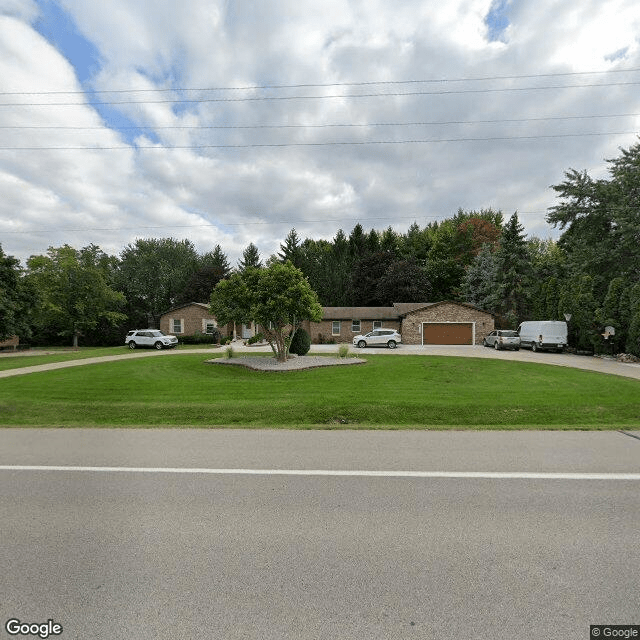
46735 North Territorial Road, Plymouth, MI 48170
To contact a resident: (734) 612-0662
For more information about senior living options: (866) 208-4318
Serene Homecare, LLC Costs & Pricing
Serene Homecare, LLC positions itself at the higher end of the cost spectrum when compared to both Wayne County and the broader Michigan state averages for various room types. For a semi-private room, Serene Homecare charges $4,000 per month, which stands in contrast to Wayne County's average of $2,860 and Michigan's average of $3,191. Similarly, for studio accommodations, Serene Homecare's rate of $4,500 exceeds Wayne County's typical charge of $3,495 and Michigan's average of $3,824. The private room option also aligns with this trend; priced at $4,500, it surpasses both local and state figures - $3,335 and $3,675 respectively. These premium rates reflect Serene Homecare's commitment to providing exceptional care and services that justify the increased investment for those seeking quality home care solutions.
| Floor plans | Serene Homecare, LLC | Wayne County | Michigan |
|---|---|---|---|
| Semi-Private | $4,000 | $2,860 | $3,189 |
| Studio | $4,500 | $3,495 | $3,824 |
| Private | $4,500 | $3,335 | $3,674 |
Memory care communities with a similar price nearby
-
from -$500 / mo
Briar Hill Assisted Living
$3,500 to $4,500 / month11.1 miles away -
About the same
Grace Homecare
$4,000 to $4,500 / month5.3 miles away -
from +$250 / mo
Aiello Adult Foster Care
$4,250 to $4,500 / month19.0 miles away -
from -$200 / mo

Advanced Care AFC Home, LLC
$3,800 to $4,800 / month22.8 miles away -
from -$500 / mo
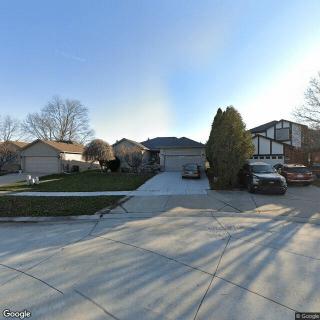
Crabtree Lane AFC Home
$3,500 to $5,500 / month23.8 miles away
Overall Review of Serene Homecare, LLC
Pros
 Serene Unity consistently treats residents with compassion, dignity, and family-like attention.
- Their staff provide true 24/7 support, ensuring safety and deep care for residents.
- Tim and Rachel are kind, trustworthy caregivers who bring comfort to families.
- The team sets the standard for quality group home care.
- Tim's consistent, compassionate communication gives families peace of mind.
- Their care helped a loved one regain independence and return to a full, happy life.
- The overall experience is life-changing, reflecting compassion, professionalism, and heart.
Review
Serene Homecare LLC in Plymouth is best suited for families seeking an intimate, home-like care environment where staffing is consistently present around the clock and caregivers treat residents as members of a chosen family. This community excels for seniors who require steady supervision, meaningful interaction, and a high-touch approach to daily living. It is especially well-suited for individuals whose health fluctuates and who benefit from rapid, personalized attention, clear ongoing communication with families, and a nurturing atmosphere that prioritizes safety, dignity, and gradual improvement over time. In short, it is ideal for those who want a warm, relationship-driven setting where caregivers become trusted partners in daily life.
The strongest positives flow from a truly devoted care team led by Tim, Rachel, and their colleagues. Residents enjoy true 24/7 presence, with staff who prioritize safety and personal attention as if they were caring for their own loved ones. Families consistently report compassionate communication, with timely updates on every development, good news and concerns alike, creating a level of reassurance that is hard to obtain in larger, less personal facilities. The environment itself, quiet, respectful, and supportive, empowers residents to engage more fully, maintain dignity, and build a sense of normalcy even in the face of medical challenges. The care is practical, steady, and relentlessly focused on day-to-day wellbeing.
What makes the model compelling is the capacity for meaningful shifts in health and function, as illustrated by firsthand stories. One family describes a dramatic turnaround: after a sustained period of decline, their mother regained appetite, strength, and mobility, moving from near-crippling illness to a renewed sense of independence. The same family credits Tim, Rachel, and the team not only for medical care but for a culture of patience, respect, and honest, hopeful communication that helped everyone navigate fear and uncertainty. The care feels less like a service and more like a collaborative, compassionate partnership that respects where a resident is today and helps them progress toward tomorrow.
Nonetheless, prospective families should recognize that the same intimate, homey setup may come with trade-offs. For those needing the depth of medical infrastructure found in larger facilities, or those seeking a robust slate of specialized programming, alternative communities, especially traditional assisted living campuses or skilled nursing environments, may better meet those requirements. The smaller scale means fewer on-site amenities and potentially fewer formal rehab resources than a larger operation. While the team compensates with attentiveness and know-how, the environment is not designed to replicate a hospital wing or a multi-building campus with every modality immediately available.
The upside is that the proven caregiver continuity and the emphasis on transparent, ongoing family communication often offset these limitations. The daily, hands-on attention ensures that subtle changes are caught early, and families are kept in the loop in a way that mitigates anxiety and confusion. The transformative outcomes reported, improved nutrition, regained mobility, and renewed engagement, underscore how tightly everything hinges on the quality of relationships and the tone set by Tim and Rachel. When the goal is restoring function within a humane, loving framework, this setting delivers results that larger, more impersonal facilities frequently struggle to match.
In the end, this option is a strong fit for families prioritizing authentic care, dependable availability, and a profoundly human approach to aging in place. Choose Serene Homecare if a loved one thrives on personal attention, consistent updates, and a caregiving team that treats every resident like family, because that combination has proven, in real life, to unlock recovery, dignity, and renewed purpose. Consider alternatives if the priority is extensive medicalized amenities, broader programming, or a more institutional environment, where scale and formal structure can offer different advantages. The decision hinges on balancing the value of intimate, heartfelt care against the needs for specialized services and campus-scale resources.
 Board and Care Home
 Memory Care
 Private
 Detroit Metropolitan-Wayne County (14 miles away)

 When to Transition from Assisted Living to Memory Care: Key Indicators, Steps, and Finding the Right Community
 Understanding the Distinctions: Assisted Living and Memory Care Explained
 How to Communicate with a Loved One Living with Dementia: 10 Supportive Strategies