
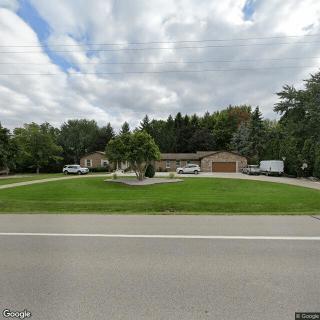
44805 North Territorial Road, Plymouth, MI 48170
For more information about senior living options: (866) 208-4318
Overall Review of Serenity Facility II
Pros
 Serene Unity consistently delivers compassionate, family-like care and sets the standard for quality group home care.
- Their staff provide true 24/7 support, ensuring residents are safe and deeply cared for.
- Tim and Rachel are compassionate communicators who regularly update families, giving them peace of mind.
- The care environment reflects genuine commitment, earning trust, respect, and gratitude from families.
- The team helps residents regain independence and improve their quality of life, turning difficult moments into hopeful outcomes.
- They are good people who deserve trust to care for loved ones.
Review
This community is best suited for families seeking deeply personalized, around-the-clock in-home care delivered by a tight-knit team led by Tim and Rachel. Serenity Facility II emphasizes a home-like, relationship-driven model where a loved one is supported 24/7 with consistent, compassionate attention. The core value is safety paired with dignity: caregivers know preferences, routines, and medical nuances, translating them into everyday decisions that keep residents connected, engaged, and treated as family. For families who prioritize stability, intimate attention, and the ability to stay in a familiar setting, this option stands out as a strong fit.
Caregivers here excel at what many families want but often cannot secure in larger settings: steady, 24/7 presence and a culture of genuine care. The strongest pro is the uninterrupted access to a dedicated team, not rotating staff who only pop in for limited hours. The updates and ongoing communication from Tim and Rachel create a sense of inclusion for distant relatives, turning anxiety into actionable information. This consistency translates into tangible outcomes: residents receive timely assistance with meals, mobility, and daily activities, and the care environment becomes a source of reassurance rather than a source of stress.
The narratives also illustrate a remarkable trajectory: a loved one who arrived frail and disengaged was supported back toward activity, appetite, and independence. The care team’s approach, compassionate communication, patient encouragement, and steady, respectful interaction, appears to contribute to improvements that families previously deemed unlikely. In one telling arc, a resident regained mobility, increased alertness, and reconnected with the person they remembered, culminating in a level of independence that allowed the family to relocate closer to kin. These results are not hypothetical; they reflect genuine reversals of decline when a home-based, relentlessly caregiver-centered model is in play.
That said, every care plan relies on balancing strengths with practical limits. The intimate, home-based model may not suit every situation. For families with high medical acuity requiring on-site nursing rounds, complex wound care, IV therapies, or a dedicated memory-care environment with specialized supervision, traditional facilities or licensed skilled-nursing settings may be more appropriate. Likewise, a strict budget constraint can intensify trade-offs in a home-care framework where ongoing staffing and round-the-clock availability drive costs. Potential disruptions can occur if caregiver availability shifts or if a resident’s needs escalate beyond what the team can safely manage in a home setting. These are realities to anticipate and plan around.
Despite the potential constraints, the proven pros tend to offset most common concerns. The uninterrupted presence of a core caregiving team mitigates gaps in communication and reduces the stress families feel when a loved one’s condition changes. The emphasis on dignity and personal connection helps sustain quality of life, even as medical needs evolve. For families evaluating options, the takeaway is clear: if the aim is to maximize engagement, preserve autonomy, and keep a loved one in a familiar, caring environment with a line of sight into daily progress, this model delivers outcomes that rarely appear in more impersonal settings.
In conclusion, Serenity Facility II represents a compelling choice for families who value a deeply personal, elder-care partnership with a proven, hands-on team. It is particularly well-suited for residents who can benefit from relentless advocacy, consistent caregiving, and a home atmosphere that supports recovery and ongoing well-being. Those contemplating alternatives should consider whether higher medical acuity needs or a larger facility footprint would be a better match. Prospective families should schedule an in-depth care assessment, confirm caregiver continuity and availability, review the cost structure and any long-term financial implications, and discuss transition plans, how care adapts if a caregiver is temporarily unavailable and how progress is measured over time. If the goal is a trusted, family-level approach to care with demonstrable positive outcomes, this option warrants serious consideration.
 4 resident community capacity
 Assisted Living
 Board and Care Home
 Respite Care
 Cable or satellite TV
 Dining room
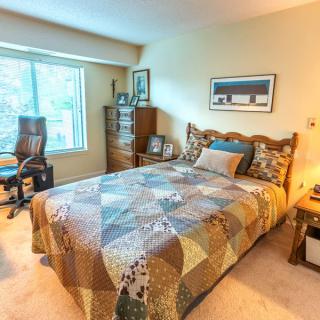
 Fully furnished
 Garden
 Housekeeping services
 Move-in coordination
 Outdoor space
 Telephone
 Wi-Fi/high-speed internet available
 Detroit Metropolitan-Wayne County (13 miles away)
 24-hour supervision
 Activities of daily living assistance
 Assistance with bathing
 Assistance with dressing
 Assistance with transfers
 Diabetes diet
 Meal preparation and service
 Medication management
 Special dietary restrictions
 Transportation arrangement (medical)
 Transportation to doctors appointments


 Understanding the Distinctions: Assisted Living and Memory Care Explained
 Guiding Elderly Parents Who Refuse Assisted Living: 6 Practical Steps
 Your Comprehensive Guide to Luxury Assisted Living: Elevated Facilities, Amenities, and Costs