Grand Brook Memory Care of Grand Rapids Costs & Pricing
Grand Brook Memory Care of Grand Rapids presents a unique pricing model that reflects its specialized care offerings in comparison to the broader averages seen within Ottawa County and the state of Michigan. For private accommodations, residents can expect to pay $4,900 per month, which is significantly higher than both the county average of $3,513 and the state average of $3,675. The semi-private option is priced at $6,500, a considerable increase over Ottawa County's average of $3,257 and Michigan's average of $3,191. Meanwhile, for those opting for a studio arrangement, the monthly cost stands at $7,495 - again outpacing both local and state figures ($3,626 in Ottawa County and $3,824 statewide). While these costs may seem steep relative to regional norms, they often reflect the enhanced services and dedicated environment that facilities like Grand Brook provide for individuals with memory care needs.
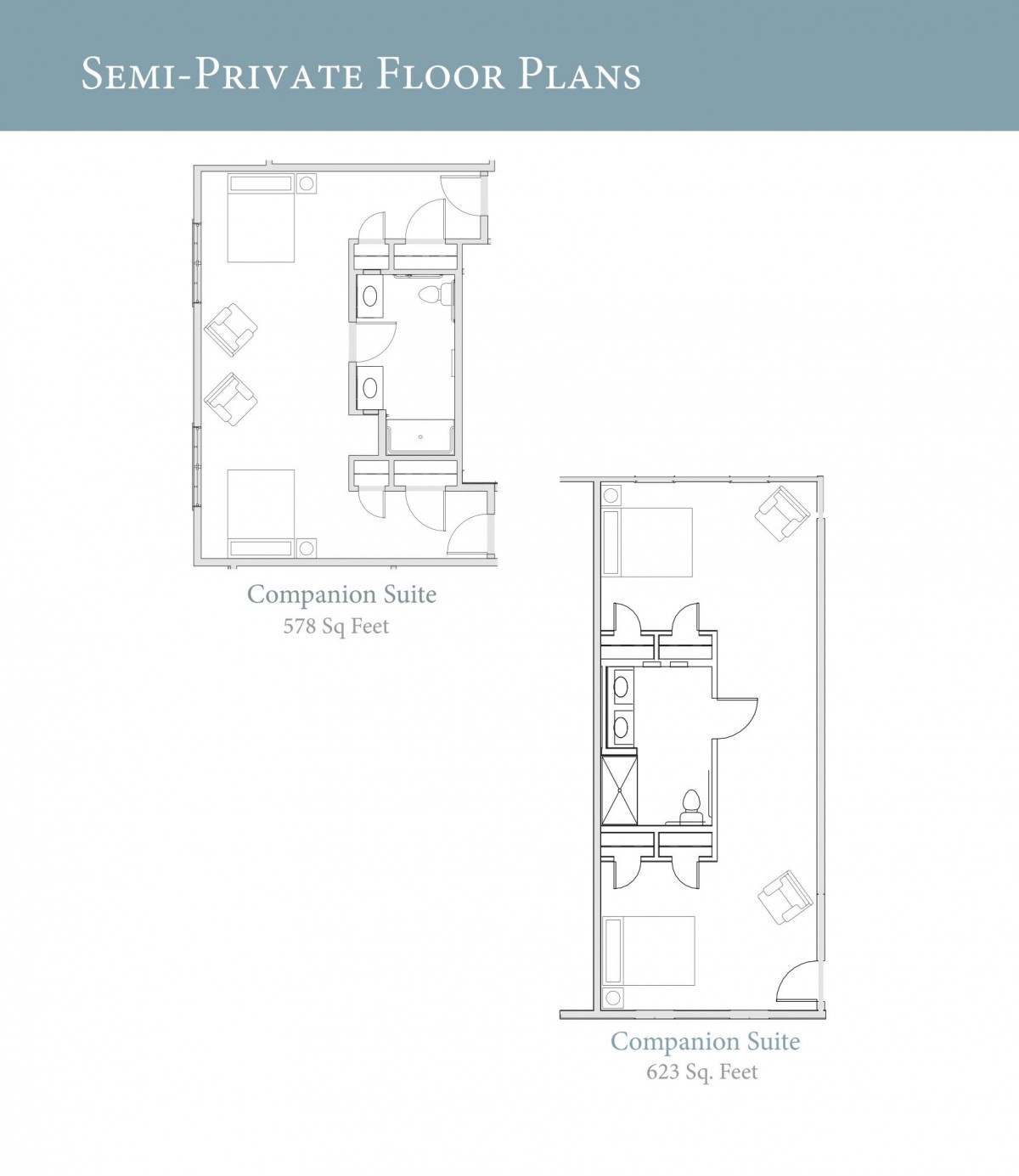
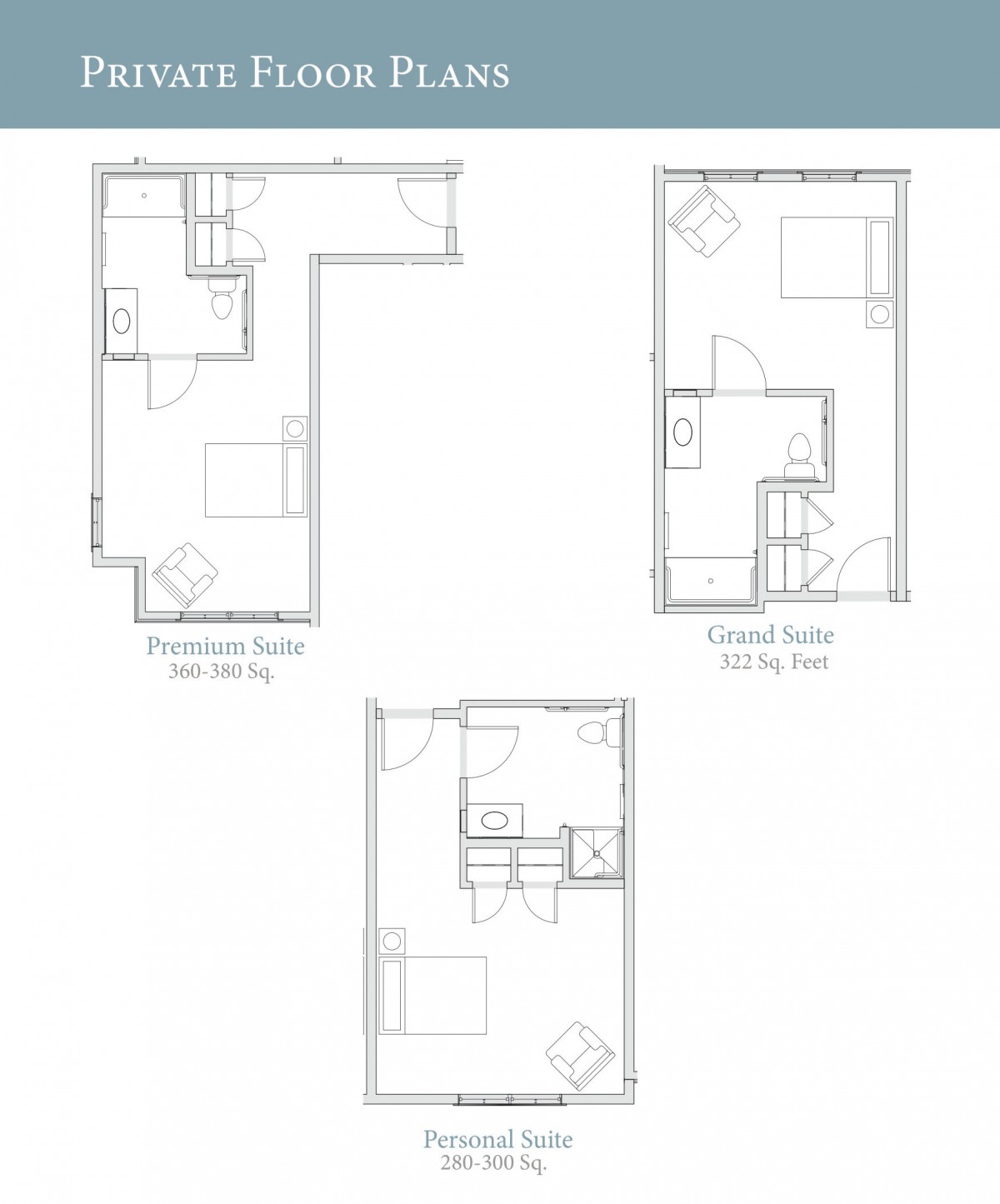
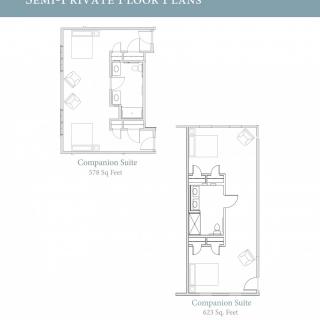
Floor plans
Grand Brook Memory Care of Grand Rapids
Ottawa County
Michigan
Private
$4,900
$3,513
$3,674
Semi-Private
$6,500
$3,257
$3,189
Studio
$7,495
$3,626
$3,824
Memory care communities with a similar price nearby
Overall Review of Grand Brook Memory Care of Grand Rapids
common29 reviews mention this
Staff feel genuinely caring
Residents and families repeatedly describe staff as kind, compassionate, and responsive.
Across many reviews, families describe staff as caring, loving, and professional, with caregivers taking time to connect with residents. Several people also mention communication as part of that support, like texting or sharing updates and photos. A few reviewers highlight medication support and that residents are “in good hands,” reinforcing the sense of dependable day-to-day attention.
common20 reviews mention this
Activities keep residents engaged
Daily activities and special events are a frequent reason families feel confident here.
Multiple reviews say residents stay engaged through games, arts and crafts, music or entertainment, and activities offered throughout the day. People also describe an activities director who keeps things moving and focuses on getting residents out of their rooms. The community’s on-site programming, including sensory-based programs and seasonal events, aligns with how residents and families describe a busy schedule.
common10 reviews mention this
Dining is often praised
Meals are frequently described as fresh, flavorful, and prepared where residents can see.
Several reviewers mention meals being home-made or freshly prepared, with an open-kitchen setup that lets residents (and families) see the food being prepared. A few also describe residents being accommodated for changing dietary needs. One reviewer raises a practical issue: meals could be better tailored to individual eating abilities, rather than using a shared option that not everyone can eat comfortably.
differentiator12 reviews mention this
Memory-care design and courtyard
The memory-care layout and enclosed courtyard are repeatedly described as safe and comfortable.
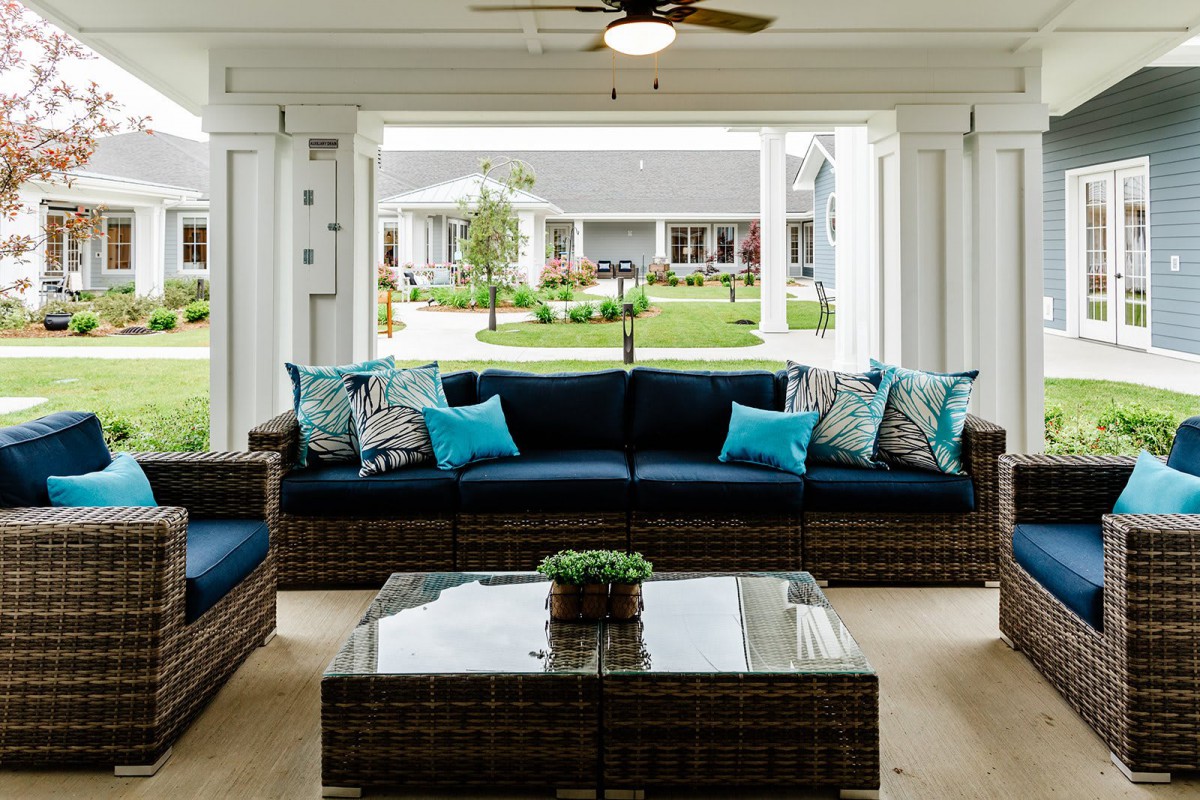
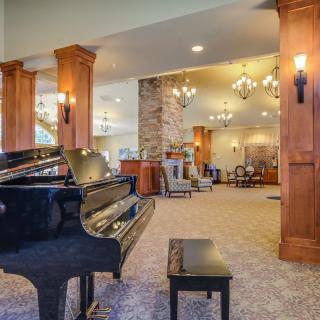
Families and visitors describe the facility as clean and thoughtfully designed around memory care needs, including indoor common areas and an enclosed outdoor courtyard. Several reviews note residents can access outdoor time safely, and others mention the open feel of the building and easy movement within spaces. This matches the community’s dedicated memory care focus and the features listed like indoor and outdoor common areas, ground-floor units, and wheelchair-accessible showers.
caveat3 reviews mention this
Entry and door access delays
A recurring concern is delays getting help through locked entry doors.
Some reviews mention the front door or entry process taking too long, such as waiting for the door to be answered or for access to be granted. Others specifically describe the entry/exit policy as requiring staff to key in codes, which can lead to families waiting to be let in or out. While the policy is described as security-related, multiple reviewers still flag the inconvenience enough to make it a clear downside.
caveat2 reviews mention this
Pricing feels out of reach
Pricing comes up as a concern, depending on affordability.
Some families mention the community’s cost as a determining factor, including one comment that it depends on whether you can afford it. Another reviewer says the price fit their budget, suggesting cost can be workable for some households but not others. The listed pricing range for private, semi-private, and studio options is above county and state reference points, which helps explain why affordability is discussed in reviews.
How we summarize
Counts show how many written reviews mention each theme; a review can touch several themes, and only frequently mentioned themes are displayed.
Features
Housing
1-bedroom apartments
Studio apartments
Types of Care
Memory Care
Pets
Dogs allowed
Amenities
Activities on-site
Air-conditioning
Beautician on-site
Devotional services on-site
Ground floor units
Handicap accessible
Indoor common areas
Outdoor common areas
Respite or short term stays offered
Wheelchair accessible showers
Wi-Fi/high-speed internet available
Transportation
Kent County International (12 miles away)
Care Services
Diabetic care
Incontinence care
Medication management
Dining
Meals provided
Activities
Activities on-site
BBQs or picnics
Birthday parties
Devotional activities on-site
Holiday parties
Sensory-based programs
Videos
Nearby Places of Interest
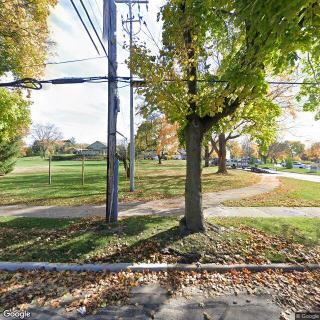
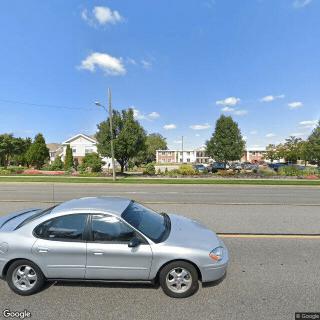
This part of Grand Rapids, Michigan offers a variety of amenities and services that would cater to a senior's needs. With several dining options like Olive Garden, Applebee's, and Cracker Barrel nearby, residents can enjoy convenient dining choices. Additionally, there are pharmacies such as D & W Pharmacy and Walgreens for easy access to medications. For healthcare needs, there are physicians' offices like Spectrum Health Medical Group and Grand Rapids Ophthalmology in close proximity. The area also offers recreational opportunities with parks like Lemery Park and Millennium Park nearby. Furthermore, the availability of transportation through Amtrak provides easy access for seniors looking to travel. Overall, this part of Grand Rapids provides a well-rounded environment for senior living with various amenities and services easily accessible.
Grand Brook Memory Care of Grand Rapids presents a unique pricing model that reflects its specialized care offerings in comparison to the broader averages seen within Ottawa County and the state of Michigan. For private accommodations, residents can expect to pay $4,900 per month, which is significantly higher than both the county average of $3,513 and the state average of $3,675. The semi-private option is priced at $6,500, a considerable increase over Ottawa County's average of $3,257 and Michigan's average of $3,191. Meanwhile, for those opting for a studio arrangement, the monthly cost stands at $7,495 - again outpacing both local and state figures ($3,626 in Ottawa County and $3,824 statewide). While these costs may seem steep relative to regional norms, they often reflect the enhanced services and dedicated environment that facilities like Grand Brook provide for individuals with memory care needs.
Grand Brook Memory Care of Grand Rapids offers essential services that significantly enhance the quality of life for residents facing the challenges of dementia or Alzheimer's disease. Medication management ensures that each resident receives the correct dosages at the appropriate times, minimizing confusion and reducing the potential for medical errors. Incontinence care provides dignity and comfort, easing anxiety for both residents and their families by addressing a common concern in a compassionate manner. Meanwhile, sensory-based programs engage residents through tailored activities that stimulate memory recall and promote cognitive function, fostering connection and emotional well-being. Together, these features create a supportive environment that addresses both physical health needs and enhances psychological and emotional engagement.
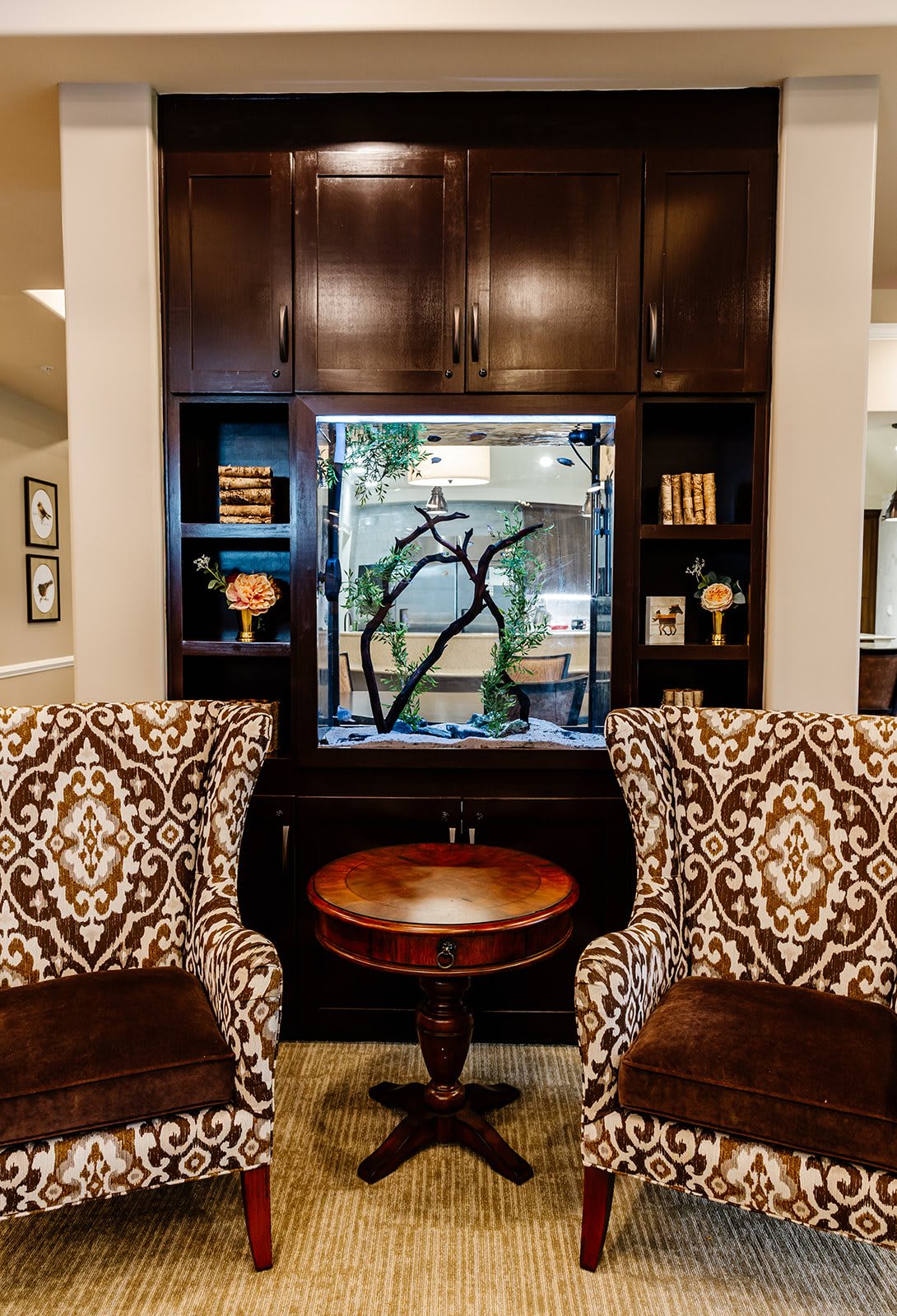
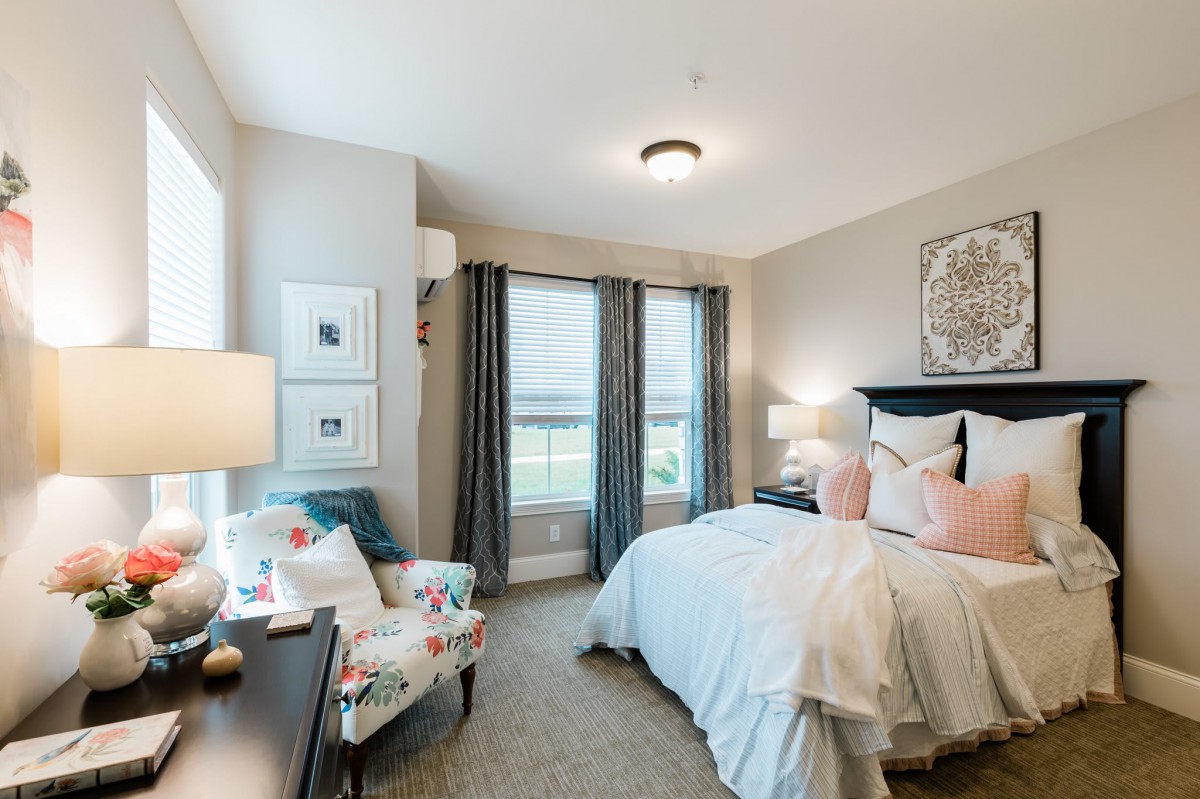
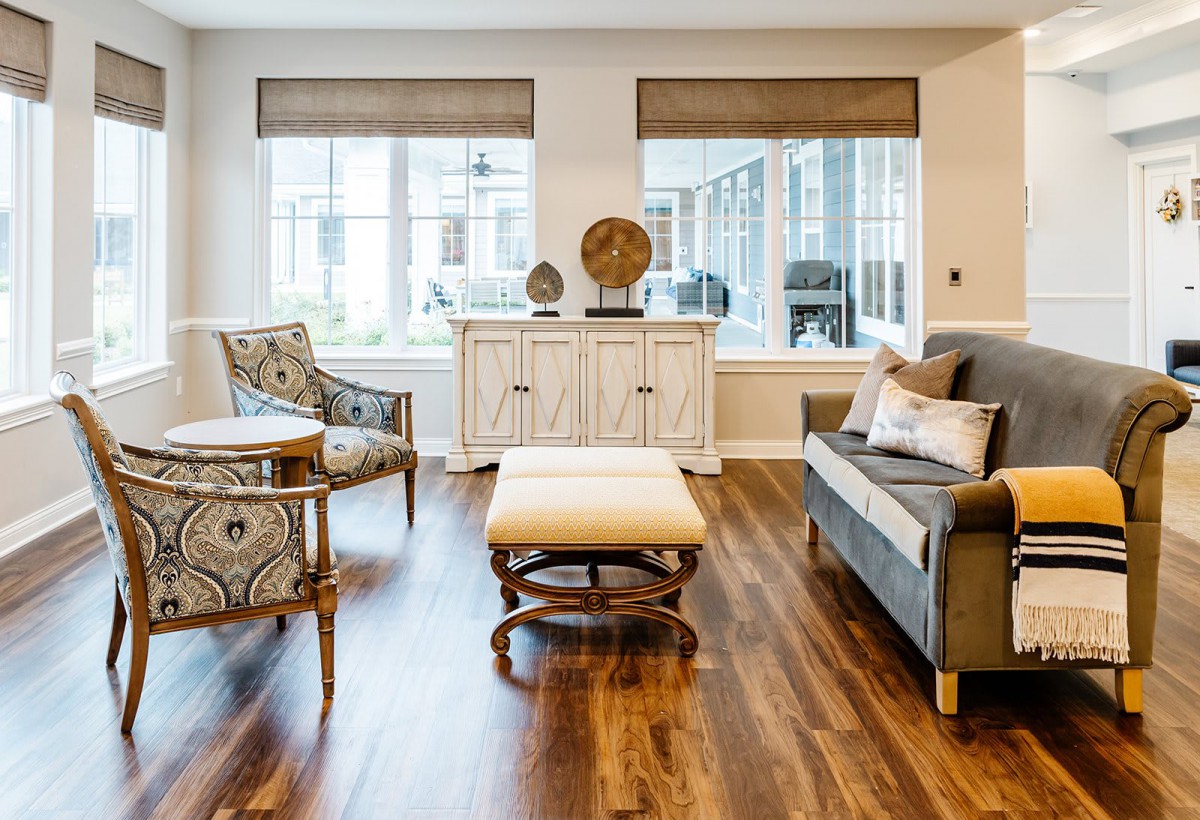
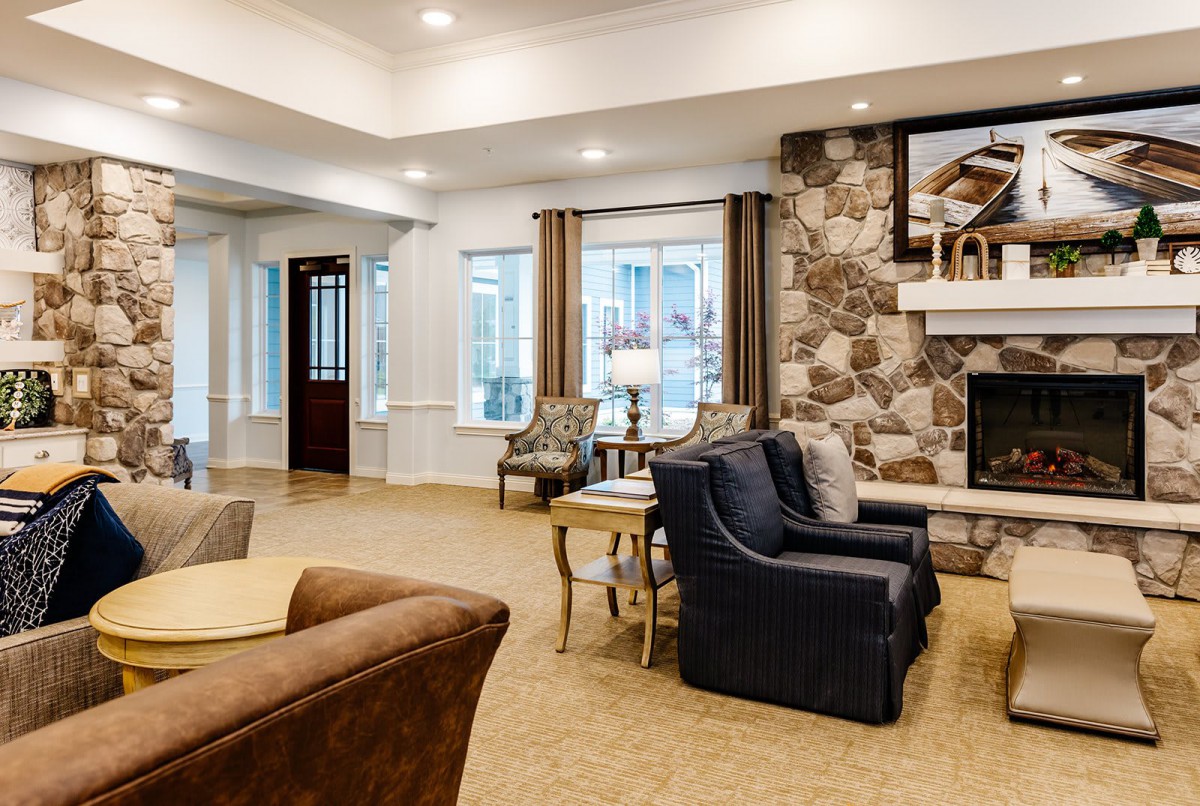
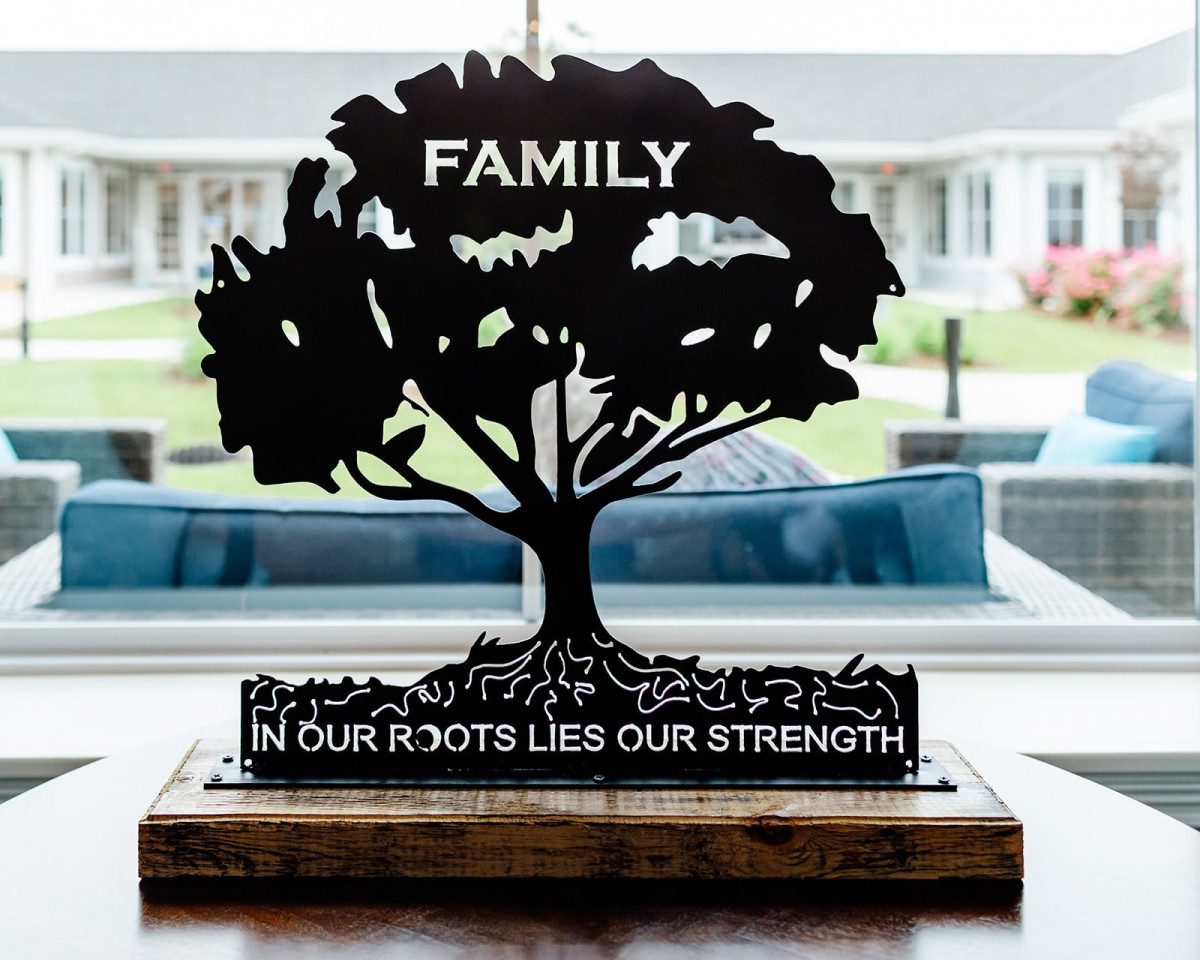
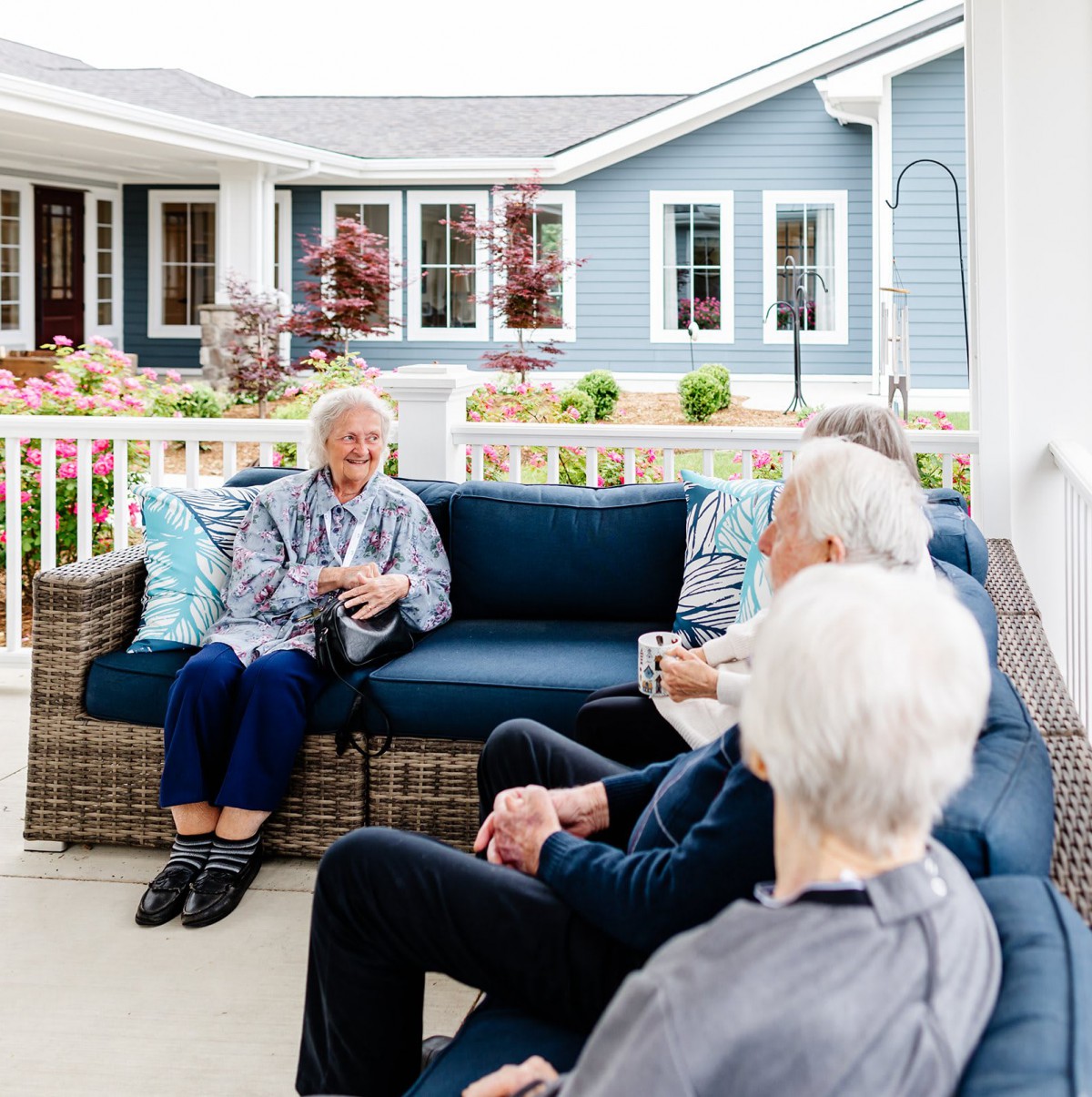
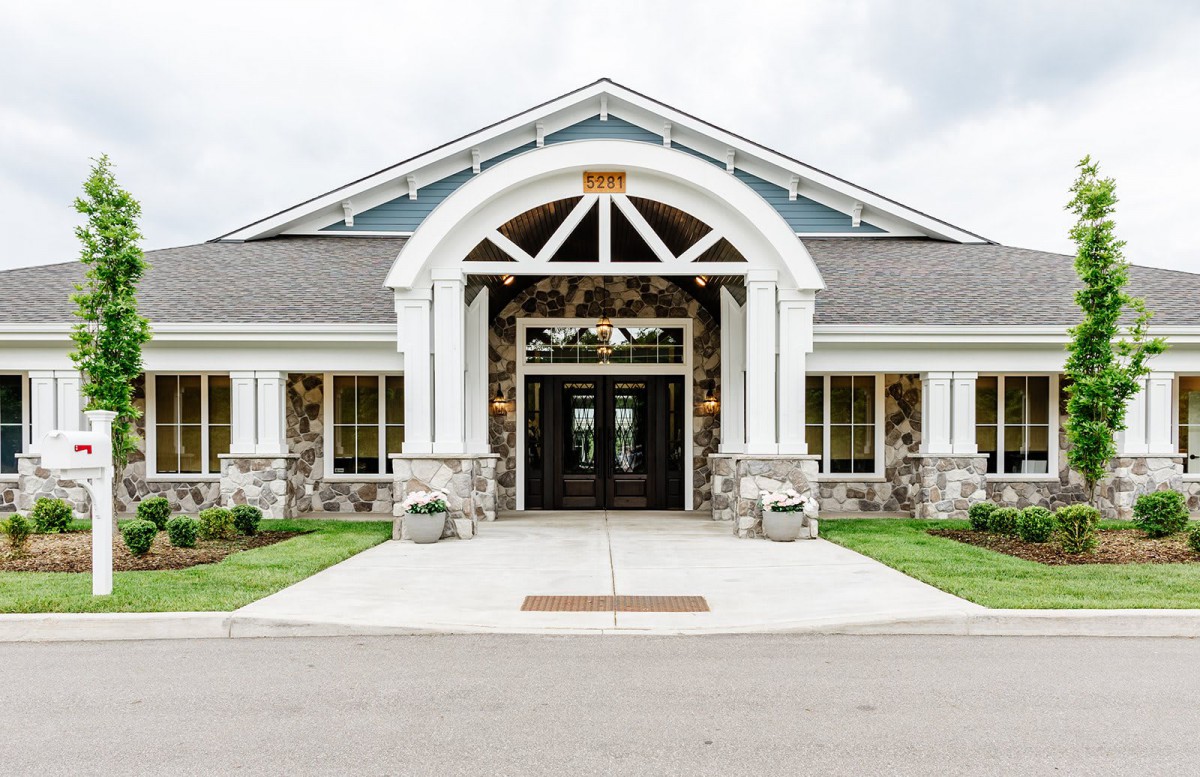
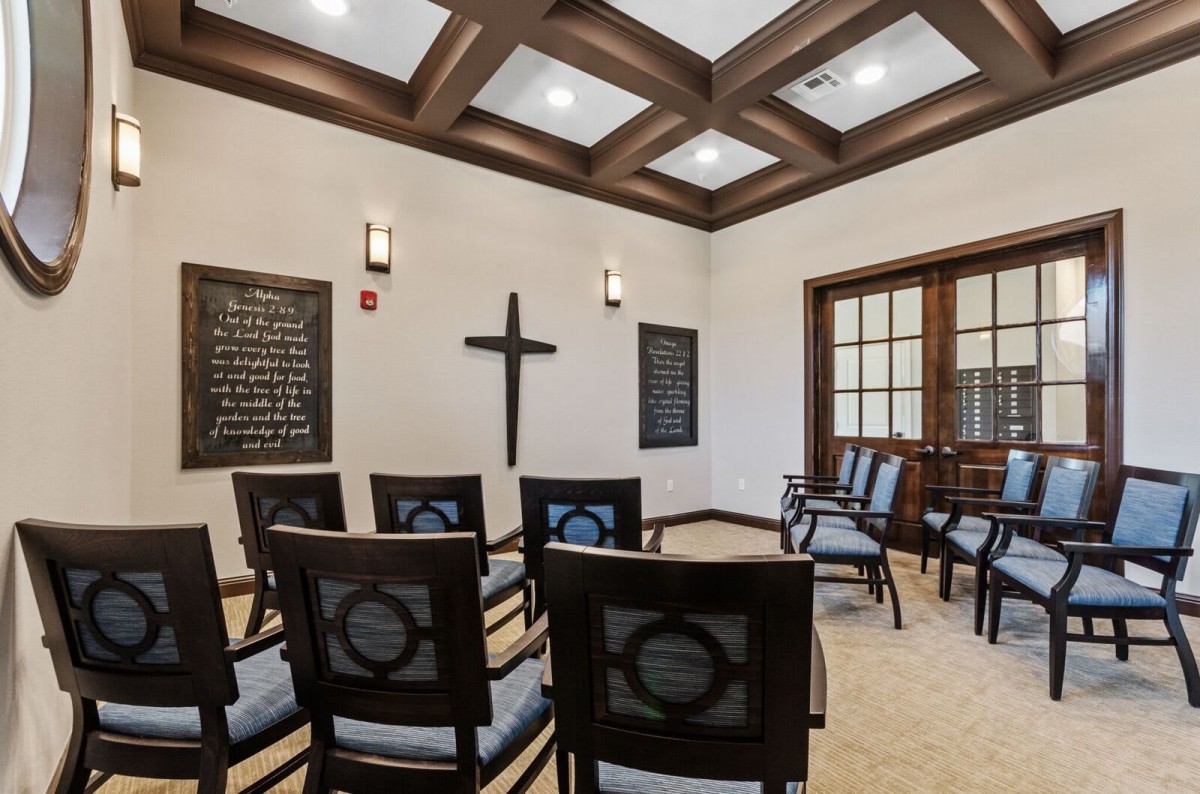
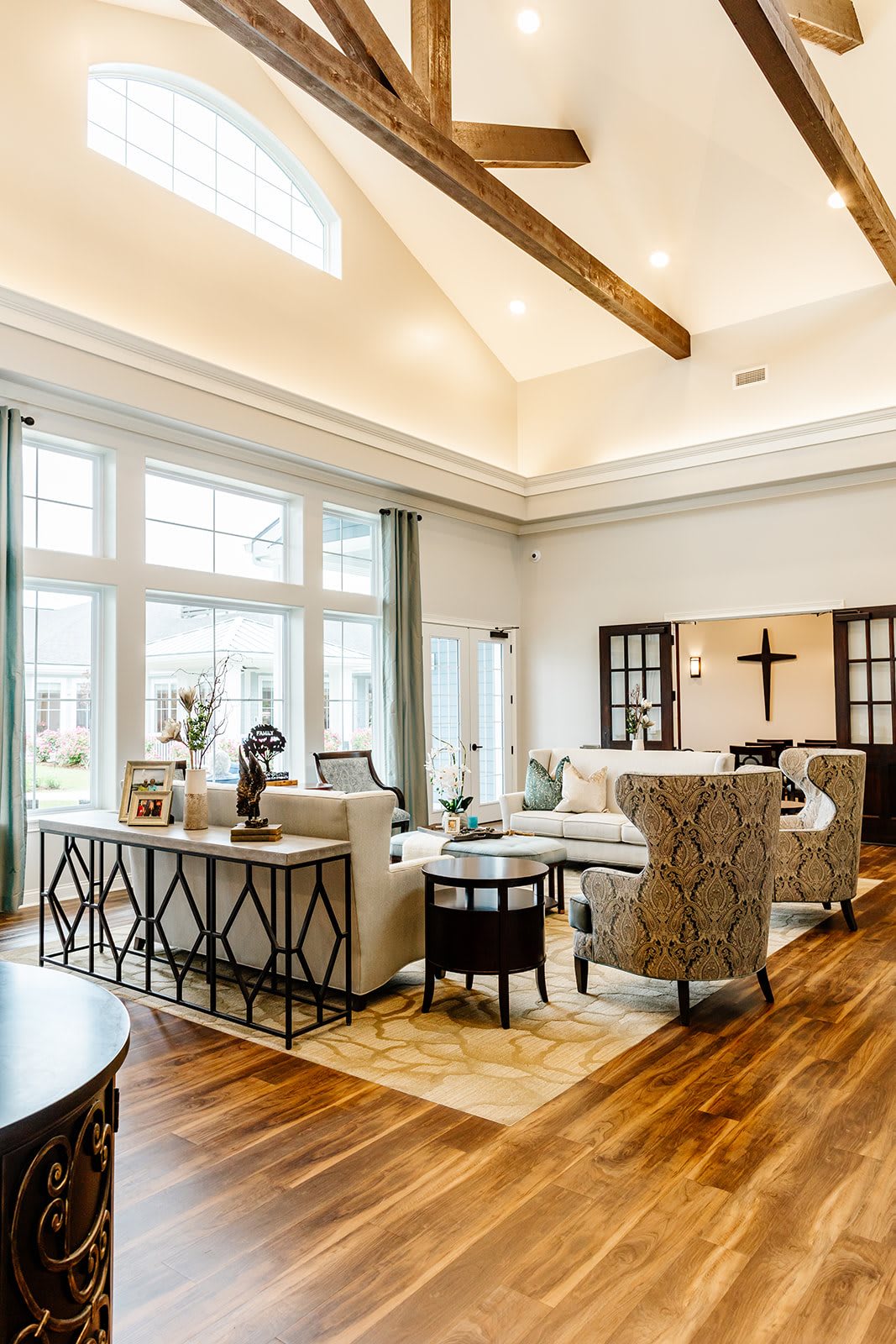
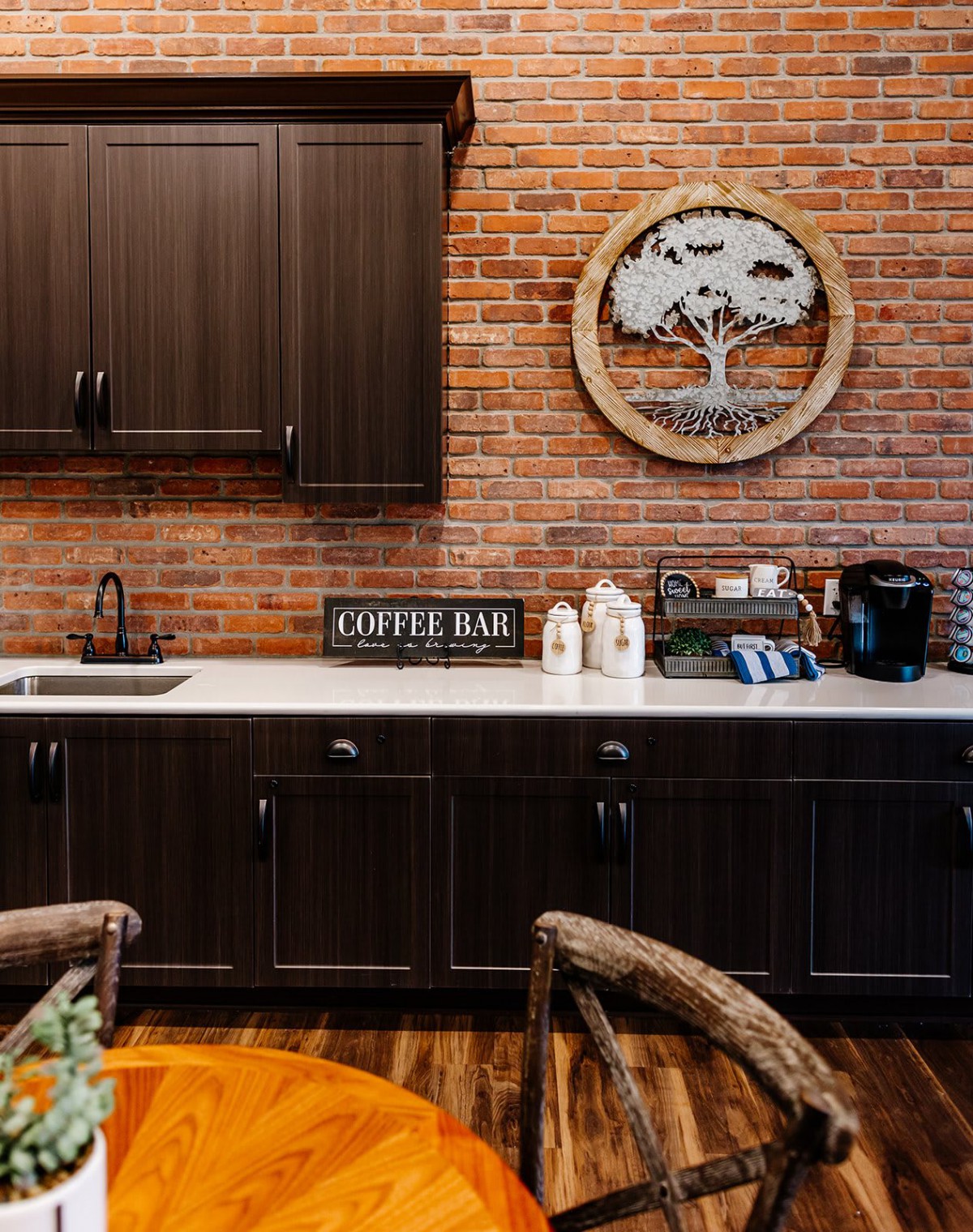
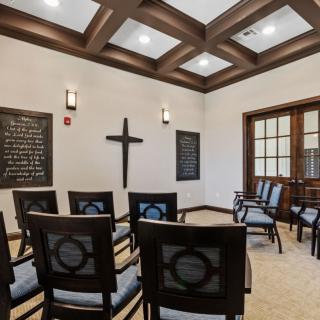
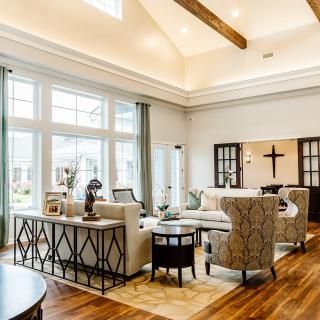
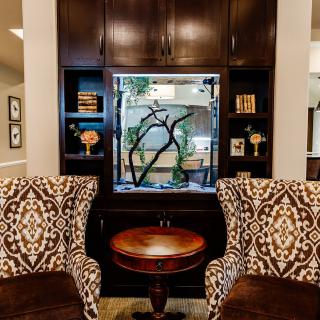
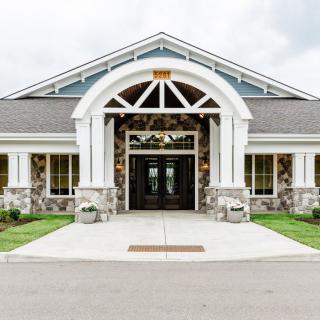
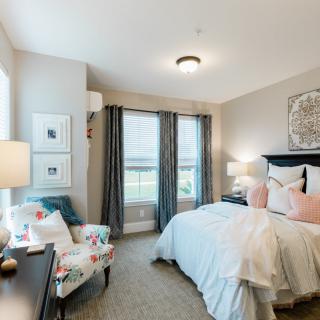
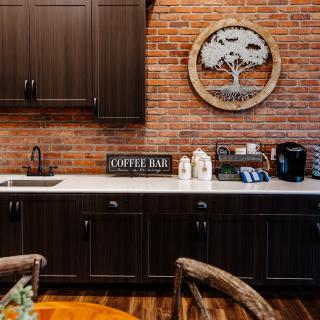
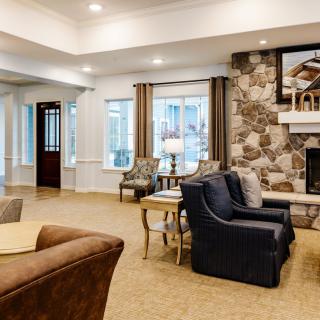
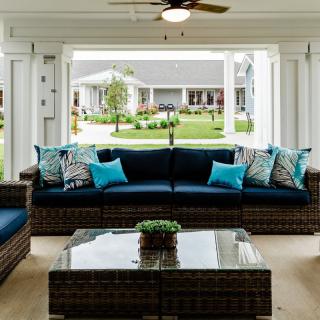
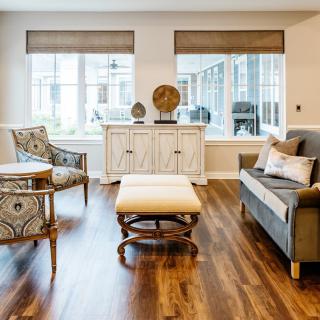
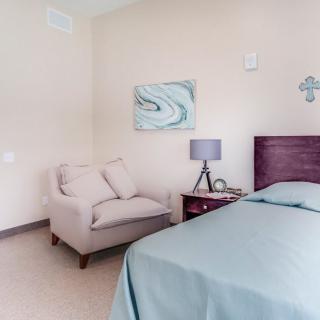
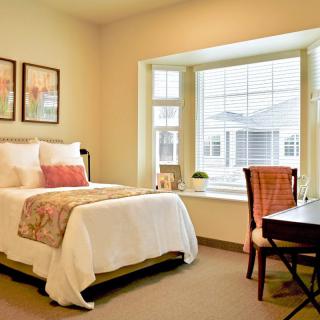
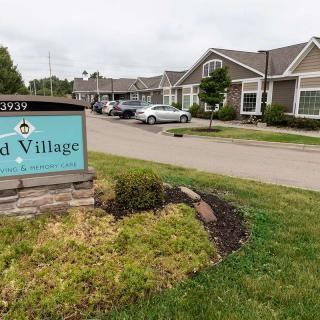
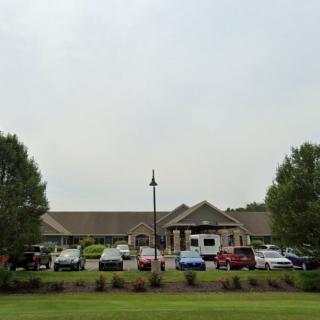
Grand Brook Memory Care of Grand Rapids on seniors.fyi includes 15 photos including images showing interior, floor plan, living room, decor, outdoor seating, bedroom, windows, coffee station, and more.
Nearby Communities
Iris
Grandville, MI
Small, personalized assisted living with comprehensive care and on-site amenities.
The article highlights eight indicators that a loved one with dementia may require specialized memory care, emphasizing the emotional and logistical challenges families encounter in this decision. It discusses signs such as difficulties with daily tasks, safety concerns, and caregiver burnout, suggesting that memory care facilities can provide the necessary support and structured environments for those experiencing cognitive decline.
Dementia, primarily caused by Alzheimer's disease but also linked to other conditions, leads to cognitive decline impacting memory and daily functioning, with individuals experiencing varied awareness of their impairments. Despite memory loss, emotional connections persist, enabling responses to familiar stimuli, highlighting the need for caregivers to provide compassionate support that recognizes both limitations and retained emotional depth.
The article presents five subtle indicators of dementia, such as memory lapses and mood swings, to help families assess cognitive decline in loved ones. It emphasizes early detection, open communication, and seeking professional help while providing practical support steps.
Get PricingAsk A QuestionSchedule A TourContact Senior Advisor
By clicking submit, you agree to our Partner's Terms of Use. You
also consent to receive calls and texts, which may be autodialed, from our Partner. Your consent is not a condition to
using our Partner's service. Please visit our Partner's Privacy Policy for information about their privacy practices.


 1-bedroom apartments
 Memory Care
 Dogs allowed
 Activities on-site
 Air-conditioning
 Beautician on-site
 Devotional services on-site
 Ground floor units
 Handicap accessible
 Indoor common areas
 Outdoor common areas
 Respite or short term stays offered
 Wheelchair accessible showers
 Wi-Fi/high-speed internet available
 Kent County International (12 miles away)
 Diabetic care
 Incontinence care
 Medication management
 Meals provided
 BBQs or picnics
 Birthday parties
 Sensory-based programs
 Small, personalized assisted living with comprehensive care and on-site amenities.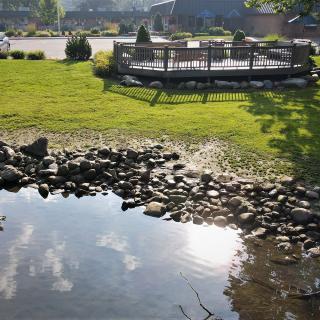

 8 Important Indicators That Memory Care May Be Necessary
 Delving into the Inner World of Dementia: Insights into Thoughts and Awareness
 Five Subtle Dementia Indicators to Observe: An In-Depth Guide to Understanding “Does My Mom Have Dementia?”