At Bridges by EPOCH at Westwood, the costs for assisted living accommodations reflect the premium amenities and specialized care offered at this facility. The monthly fees for a semi-private room are $8,935, significantly higher than the average rates in Norfolk County ($6,142) and throughout Massachusetts ($5,805). For those seeking a studio apartment, the cost escalates to $10,500, which again surpasses both county and state averages of approximately $5,282 and $5,312 respectively. These pricing structures indicate that while Bridges by EPOCH at Westwood provides exceptional service and tailored support for residents, potential clients should be prepared for elevated expenses compared to other local options.
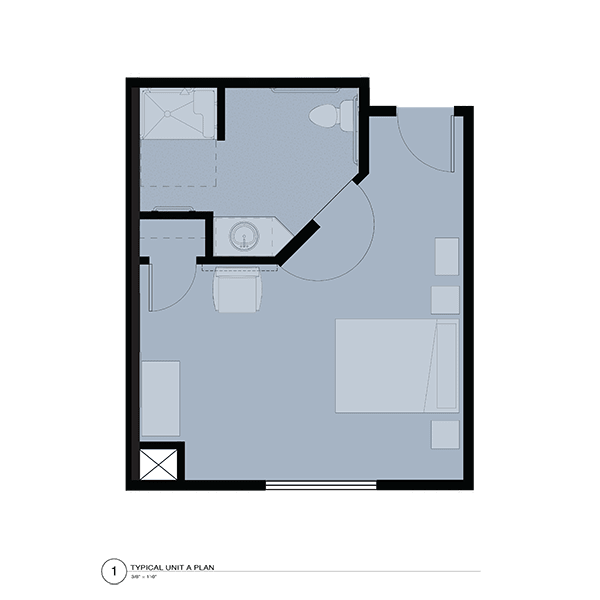
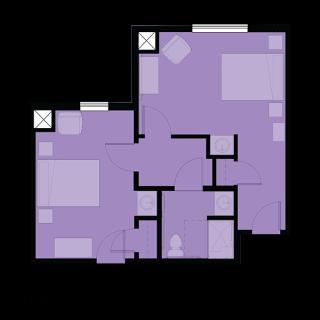
Floor plans
Bridges by EPOCH at Westwood
Norfolk County
Massachusetts
Semi-Private
$8,935
$6,142
$5,805
Studio
$10,500
$5,282
$5,312
Memory care communities with a similar price nearby
from +$1665 / mo
Duxbury House at The Village Memory Care Residence
The community focuses specifically on memory care, not general assisted living.
Multiple reviewers describe Bridges as built around memory care, including dementia and Alzheimer’s needs. Some families also mention that residents were better supported after moving in, and several comments contrast the approach with other facilities that were broader or felt less specialized. Residents and families also describe dementia-appropriate routines and care attention as a key reason they felt comfortable.
common26 reviews mention this
Staff care and communication stand out
Staff members are repeatedly described as compassionate and responsive.
Across many reviews, residents and families describe staff as caring, attentive, and supportive during the move and in ongoing care. Several reviewers specifically call out help with paperwork, assessments, and day-to-day reassurance, along with staff who answer questions and provide updates. Even when reviewers mention shortcomings, they often distinguish between generally warm interactions and issues related to staffing consistency or training.
common18 reviews mention this
Clean, home-like environment
Residents and families frequently mention a clean, home-like setting.
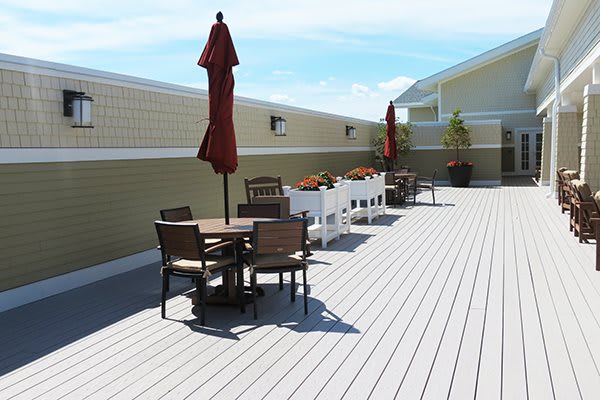
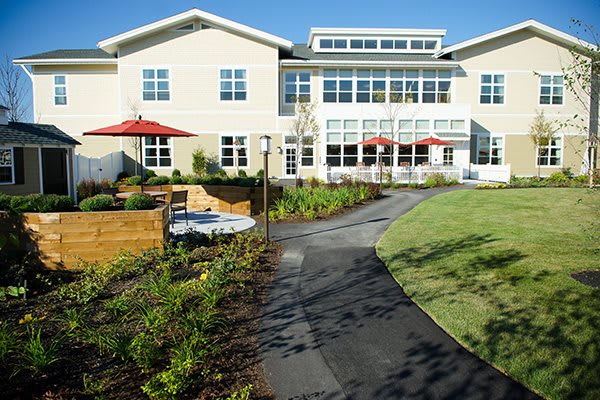
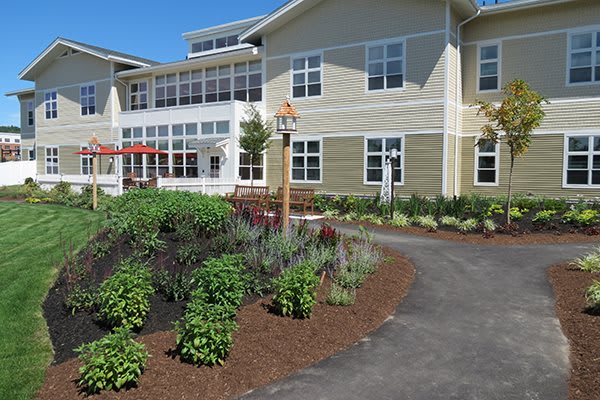
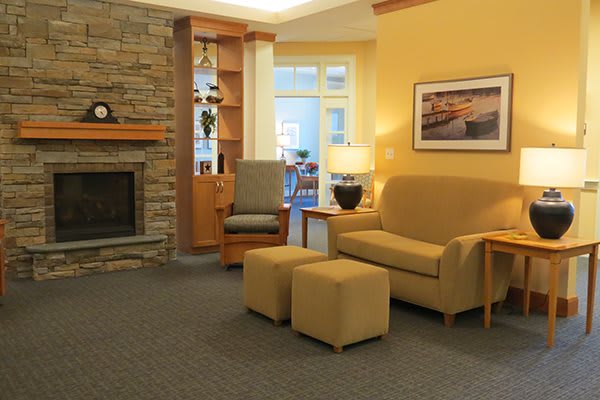
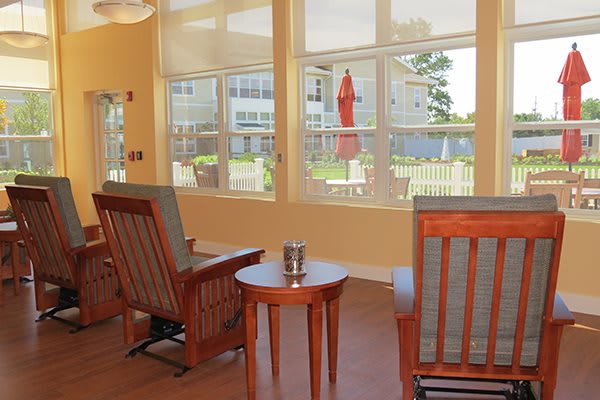
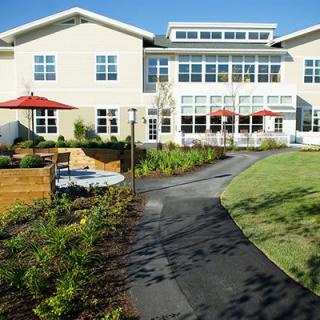
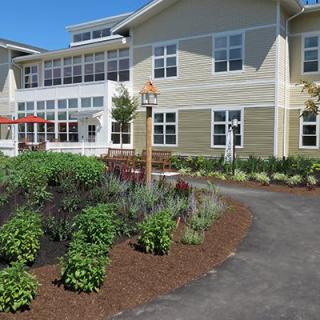
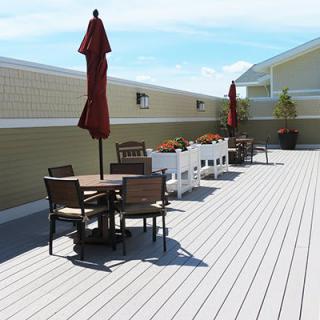
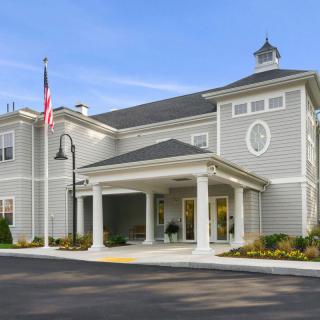
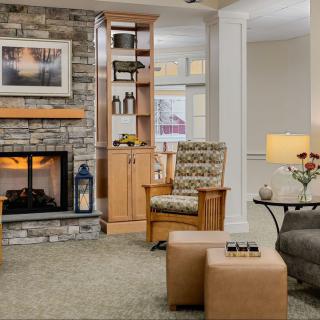
Reviewers repeatedly describe the facility as spotless, bright, and well kept, with a home-like feel rather than an institutional one. Families also mention outdoor spaces such as a courtyard and deck, along with common areas that feel welcoming for visits. A few negative reviews still acknowledge that the building looks attractive, even while criticizing care delivery and follow-through.
common12 reviews mention this
Dining earns praise, with some misses
Dining is often praised, though a few reviews report disappointments.
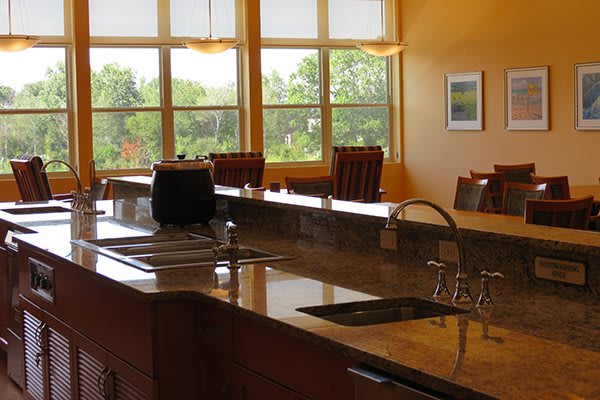
Many reviewers describe the food positively, calling out the dining experience and meals they say were satisfying for residents. The community’s dining setup in this listing includes restaurant-style dining, room service, and multiple dietary options. At the same time, some reviewers report that food quality or meal variety did not match what was discussed during tours or intake.
caveat7 reviews mention this
Staffing and care delivery concerns
Some reviewers report staffing gaps and missed care needs.
A smaller set of reviews raise concerns about inadequate staffing and inattentiveness, including reports of aides spending time on phones instead of engaging residents. Several of these comments also mention problems with continuity of care, door alarms being ignored, or dietary needs not being followed. There are also negative reviews describing harmful outcomes and a lack of compassionate follow-up after a loved one passed, alongside general complaints that management did not fix ongoing issues.
caveat
Pricing runs above averages
Pricing is positioned well above local and state benchmarks.
The listing price range sits noticeably higher than county and state averages for the available unit types. Even some reviewers who are positive still describe the decision as significant, while negative reviews sometimes connect dissatisfaction to what they felt was promised versus what was delivered.
How we summarize
We summarize when many written reviews mention each theme; a review can touch several themes, and only frequently mentioned themes are displayed.
Features
Housing
Studio apartments
Types of Care
Memory Care
Pets
Cats allowed
Dogs allowed
Amenities
Activities off-site
Activities on-site
Air-conditioning
Beautician on-site
Cable or satellite TV
Computer center
Devotional services off-site
Devotional services on-site
Dining room
Financing advice
Garden
Ground floor units
Guasts at mealtime
Guest parking
Handicap accessible
Indoor common areas
Laundry
Outdoor common areas
Overnight guests
Party space
Resident parking
Respite or short term stays offered
TV room
VA Benefits Consultation
Wheelchair accessible showers
Wi-Fi/high-speed internet available
Transportation
Gen Edw L Logan International (13 miles away)
Transportation & parking
Care Services
Ambulatory care
Diabetic care
Incontinence care
Medication management
Dining
Anytime dining
Gluten-free
Guest meals
International cuisine
Kosher
Low / no sodium
Meals provided
No Sugar
Professional chef
Restaurant style dining
Room service
Special dining programs
Vegetarian
Activities
Activities off-site
Art classes
Arts and crafts
Catholic services
Cooking classes
Cooking club
Day trips and outings
Devotional activities offsite
Devotional activities on-site
Educational speakers / life long learning
Fitness programs
Games
Gardening club
Karaoke
Live musical performances
Live well programs
Other religious services
Religious services
Stories
Tai Chi
Visiting chaplain or priest
Yoga / chair yoga
Nearby Places of Interest
Located in the town of Westwood, Massachusetts, this area offers a convenient and bustling community with a variety of amenities within close proximity. The transportation options are abundant, with multiple MBTA stations nearby for easy access to surrounding areas. There are several pharmacies and medical facilities in the area, making it convenient for seniors to access healthcare services. Additionally, there are numerous dining options ranging from fast food to casual sit-down restaurants, as well as cafes for socializing and enjoying a cup of coffee. For those who enjoy outdoor activities, there are several parks and recreational areas nearby. Overall, this part of Westwood provides a vibrant and diverse community that could be an ideal location for senior living.
Transportation
Route 128 station (0.1 miles)
Readville (2 miles)
Canton Junction Station (3.3 miles)
MBTA North Quincy Station (7.6 miles)
MBTA Braintree Station (7.6 miles)
MBTA Wollaston Station (7.6 miles)
Pharmacies
Wegmans (0.4 miles)
CVS Pharmacy (2.2 miles)
CVS Pharmacy (2.8 miles)
CVS Pharmacy (2.8 miles)
Walgreens (3 miles)
Walgreens (4 miles)
CVS Pharmacy (4.2 miles)
Cafes
Dunkin' Brands (1 miles)
Starbucks (3.1 miles)
Starbucks (3.3 miles)
Brookside Cafe (4 miles)
Panera Bread (4.9 miles)
Starbucks (6.1 miles)
Target T2693 Braintree (6.4 miles)
Hospitals
New England Baptist Outpatient Care Center (1.5 miles)
At Bridges by EPOCH at Westwood, the costs for assisted living accommodations reflect the premium amenities and specialized care offered at this facility. The monthly fees for a semi-private room are $8,935, significantly higher than the average rates in Norfolk County ($6,142) and throughout Massachusetts ($5,805). For those seeking a studio apartment, the cost escalates to $10,500, which again surpasses both county and state averages of approximately $5,282 and $5,312 respectively. These pricing structures indicate that while Bridges by EPOCH at Westwood provides exceptional service and tailored support for residents, potential clients should be prepared for elevated expenses compared to other local options.
Incontinence care is crucial for residents with dementia or Alzheimer's disease, as it addresses both physical comfort and emotional dignity, allowing them to maintain a sense of autonomy while reducing anxiety and potential embarrassment. Personalized approaches in managing incontinence not only enhance the overall quality of life but also ensure that residents feel secure and supported. Medication management plays a vital role in maintaining the health and well-being of these individuals, as it helps prevent complications by ensuring timely and accurate administration of prescribed medications. This systematic oversight can alleviate confusion regarding medication schedules, which is particularly important for those experiencing cognitive decline, ultimately promoting stability and reducing the risks associated with missed doses or incorrect usage. Together, these features create a nurturing environment that prioritizes both physical and mental health, fostering a sense of safety and belonging among residents.
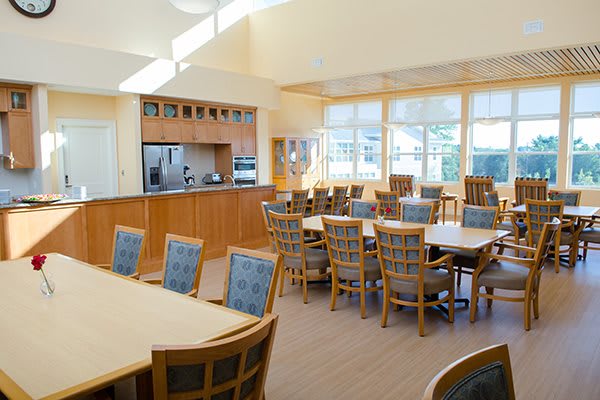
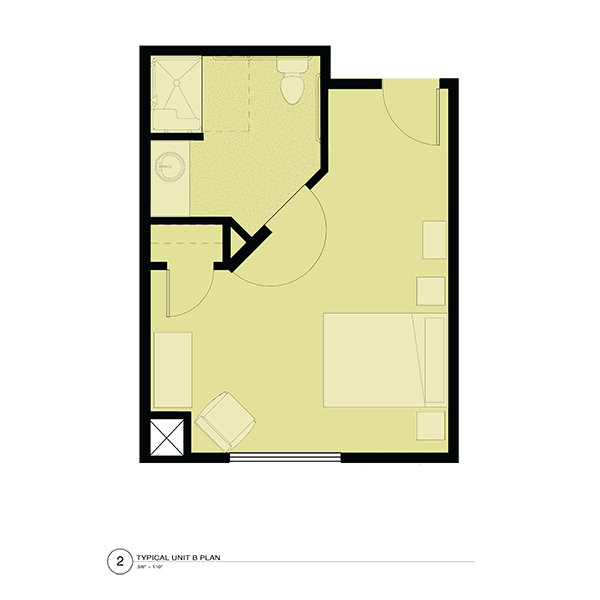
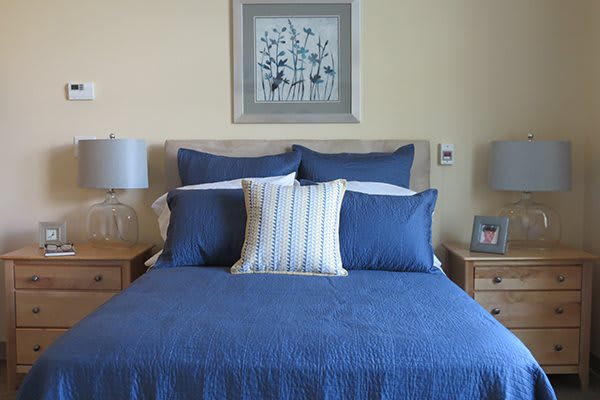
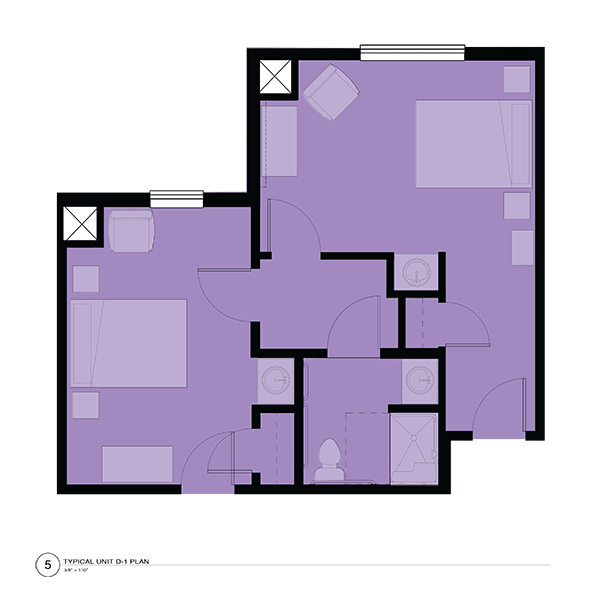
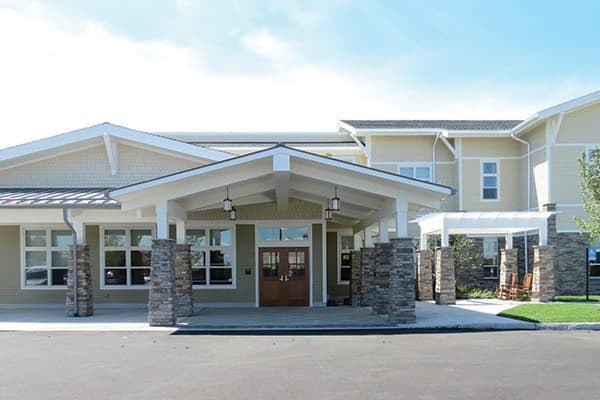
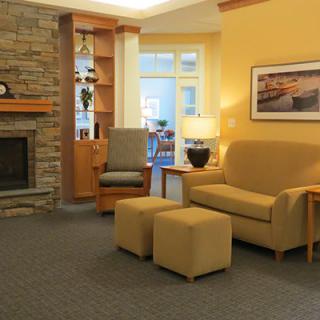
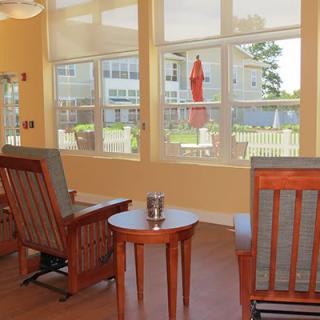
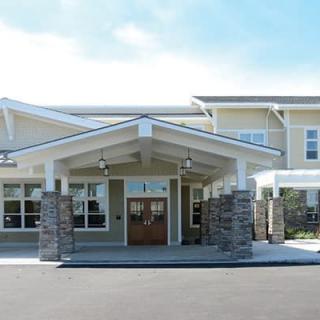
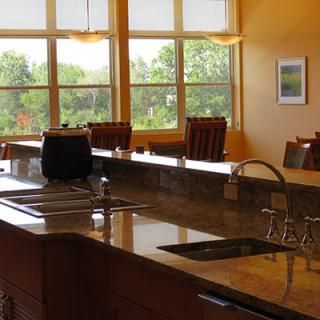
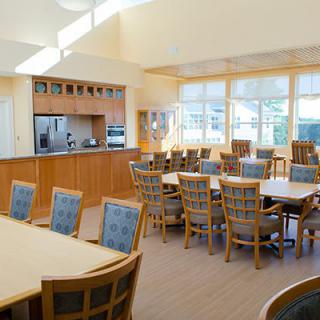
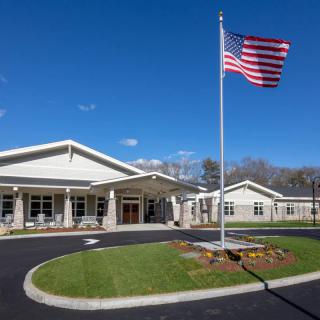
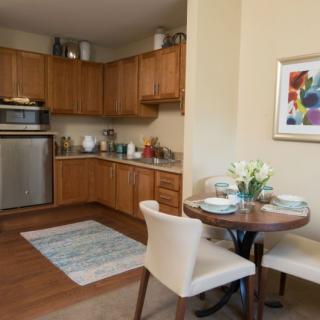
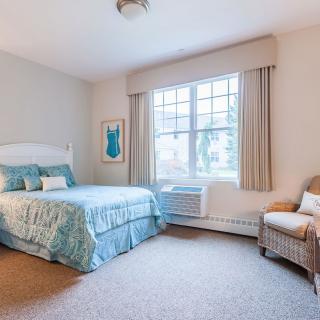
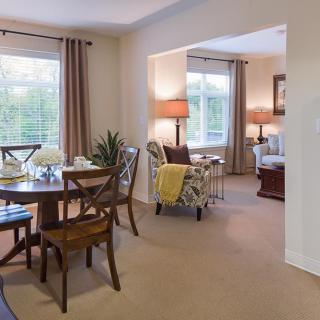
Bridges by EPOCH at Westwood on seniors.fyi includes 14 photos including images showing floor plan, interior, building, bedroom, dining, pathway, landscaping, garden, and more.
Nearby Communities
Bridges® By Epoch At Westwood
Westwood, MA
4.3 from 72 reviews
Attentive staff, spotless facility, good dining.
Coram Cvs/Specialty Infusion Services
Norwood, MA
1.4 from 18 reviews
Fully furnished apartments with 24-hour care, medication management, and restaurant-style dining.
Dedham Healthcare
Dedham, MA
1.5 from 16 reviews
24/7 nursing care and a wide range of amenities
Westbrook Crossing
Dedham, MA
4 from 3 reviews
Small, intimate community with comprehensive care and strong access to local amenities.
The article examines the link between certain medications and increased dementia risk, particularly in older adults, emphasizing that long-term or high-dose use of anticholinergics, benzodiazepines, and other drug classes can exacerbate cognitive impairment. It calls for careful medication evaluation and shared decision-making to mitigate these risks while managing treatment efficacy.
The article emphasizes the significance of establishing a power of attorney for elderly parents to enable an agent to make decisions on their behalf regarding health and finances, especially during cognitive or physical decline. It outlines various types of power of attorney, the importance of consulting legal professionals, and the responsibilities and challenges faced by agents, while also discussing alternatives and common misconceptions.
Caregiver support groups are crucial for providing emotional and practical assistance to those caring for loved ones, offering resources, coping strategies, and a sense of community through various organizations and platforms. These groups help alleviate isolation and burnout while addressing the unique challenges faced by caregivers of individuals with specific conditions.
Get PricingAsk A QuestionSchedule A TourContact Senior Advisor
By clicking submit, you agree to our Partner's Terms of Use. You
also consent to receive calls and texts, which may be autodialed, from our Partner. Your consent is not a condition to
using our Partner's service. Please visit our Partner's Privacy Policy for information about their privacy practices.


 Studio apartments
 Memory Care
 Cats allowed
 Dogs allowed
 Activities off-site
 Air-conditioning
 Beautician on-site
 Cable or satellite TV
 Computer center
 Devotional services off-site
 Dining room
 Financing advice
 Garden
 Ground floor units
 Guest parking
 Handicap accessible
 Indoor common areas
 Laundry
 Outdoor common areas
 Overnight guests
 Party space
 Respite or short term stays offered
 Wheelchair accessible showers
 Wi-Fi/high-speed internet available
 Gen Edw L Logan International (13 miles away)
 Transportation & parking
 Ambulatory care
 Diabetic care
 Incontinence care
 Medication management
 Anytime dining
 Art classes
 Catholic services
 Cooking classes
 Day trips and outings
 Educational speakers / life long learning
 Fitness programs
 Games
Games Karaoke
 Live musical performances
 Live well programs
 Stories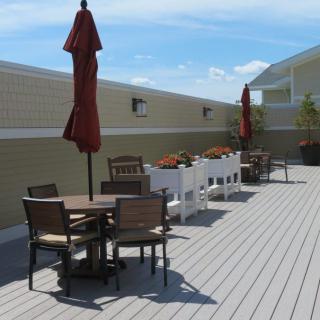
 Attentive staff, spotless facility, good dining.



 Medications Associated with Dementia Risk: A Comprehensive Overview
 Guiding Your Journey: Understanding Power of Attorney for Elderly Parents
 22 Remarkable Caregiver Support Groups Available Online and In-Person