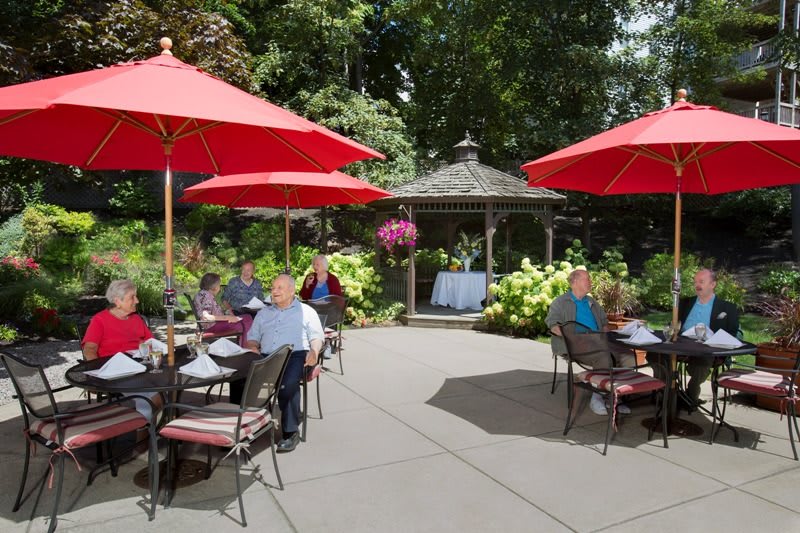
Compass On The Bay in Boston, MA

Save

  • Interior

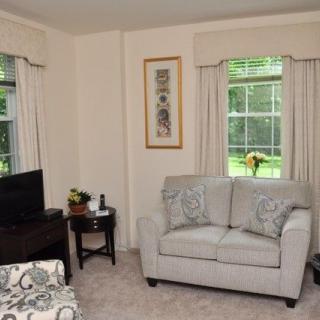
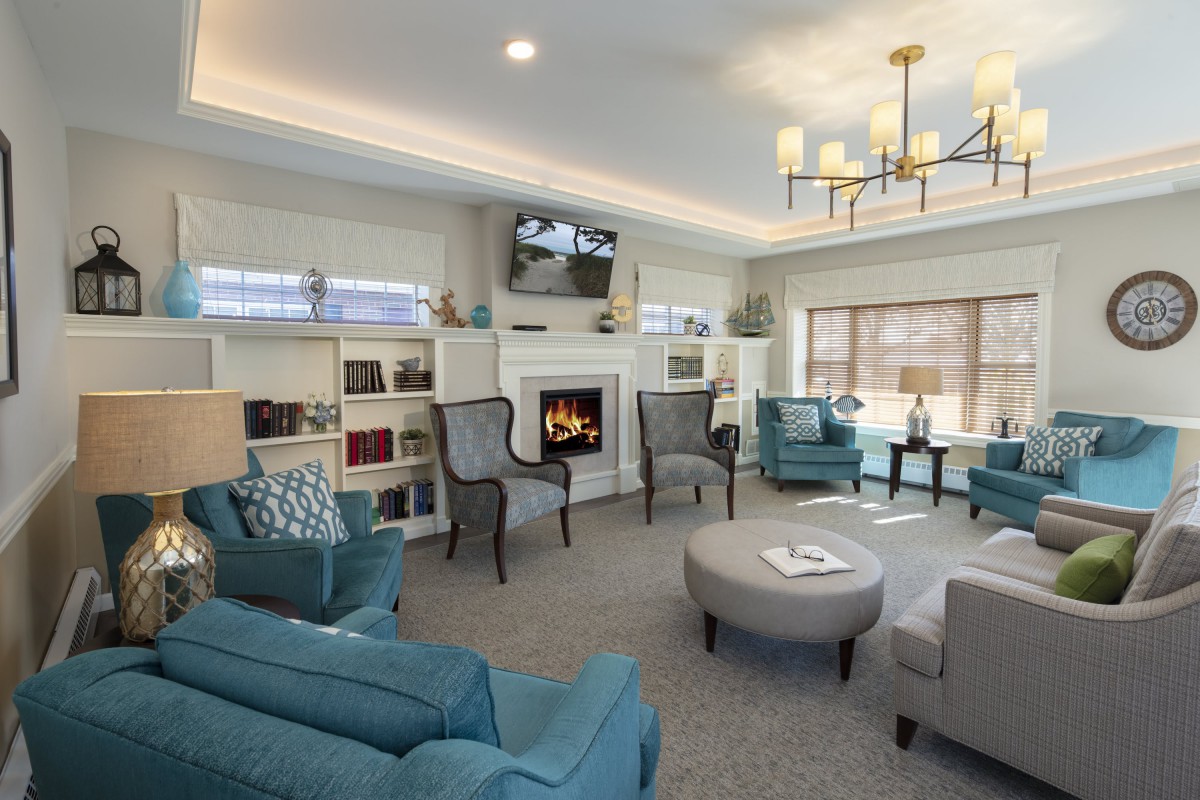
    A cozy living room with modern decor, featuring a fireplace, comfortable seating, and a chandelier.
  • Outdoors

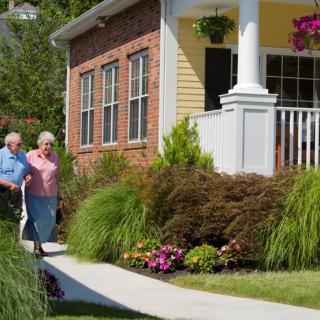
    An elderly couple walks along a pathway beside a beautifully landscaped home with a welcoming front porch.
  • Decor

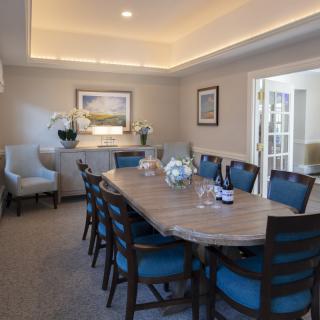
    A modern dining room with a large table and upholstered chairs, adorned with artwork and decorative elements.
  • Living Room

    A cozy and modern living room with a fireplace and comfortable seating.
  • Building

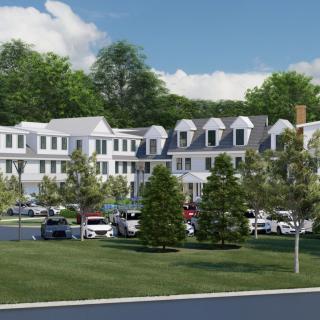
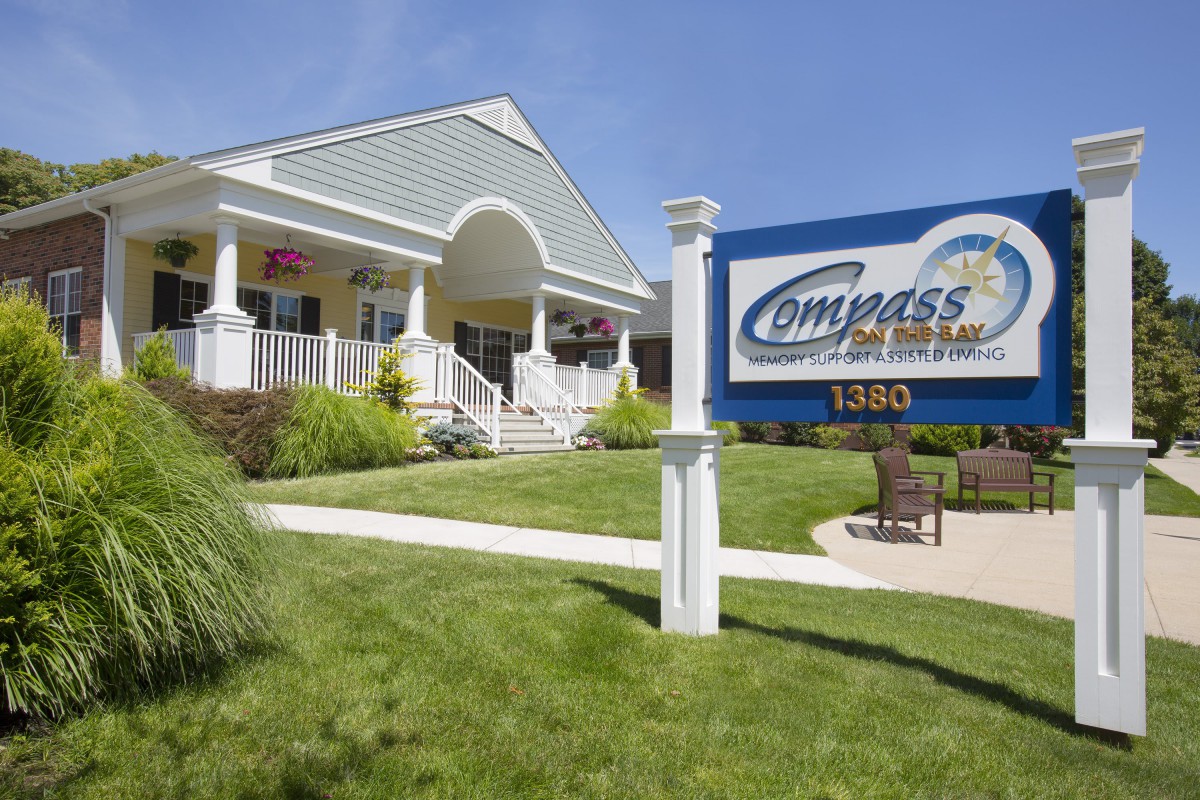
    A view of the Compass Insurance office with a sign and well-maintained lawn on a sunny day.
  • Architecture

    A charming house with a front porch, colorful flowers, and a well-maintained lawn.
  • Bedroom

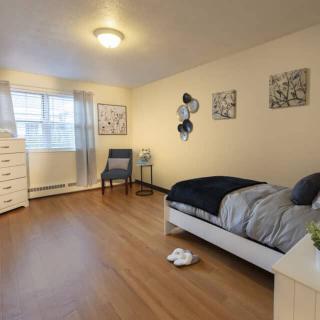
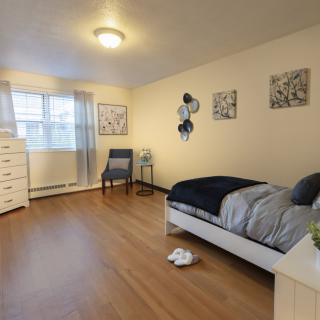
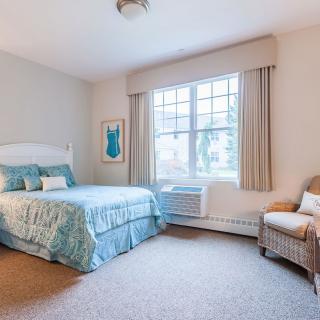
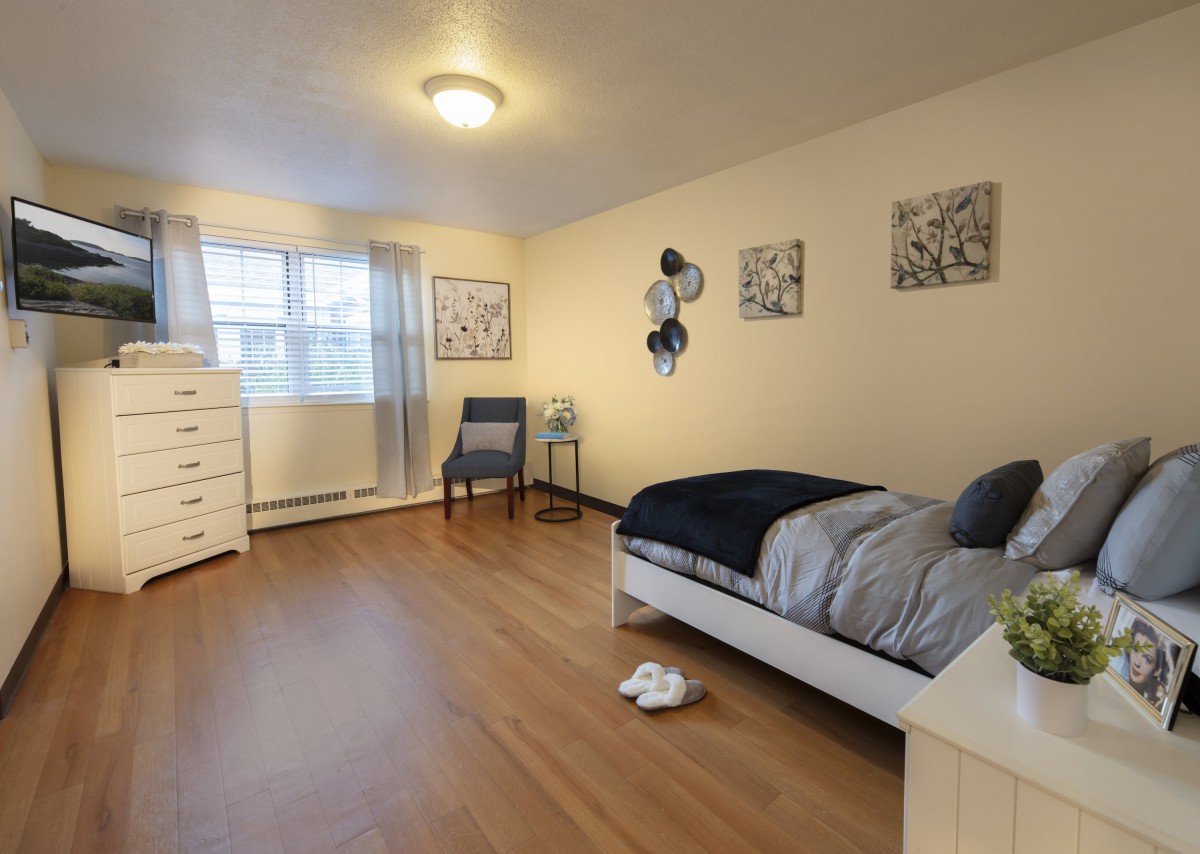
    A minimalist bedroom with a single bed, hardwood flooring, and decorated walls.
  • Windows

    A neatly arranged bedroom with a single bed, dresser, and chair.
  • Dining

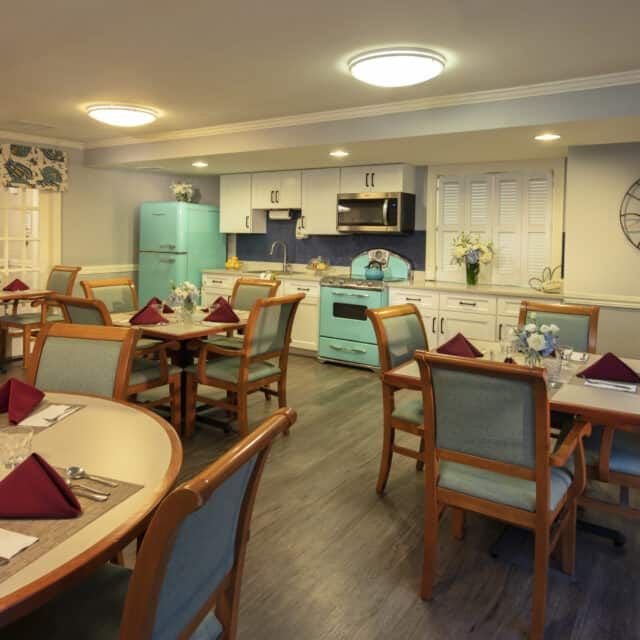
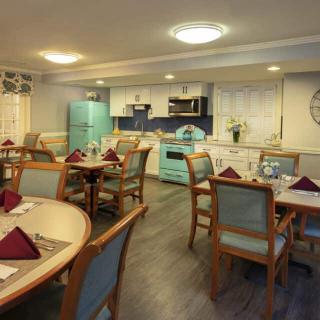
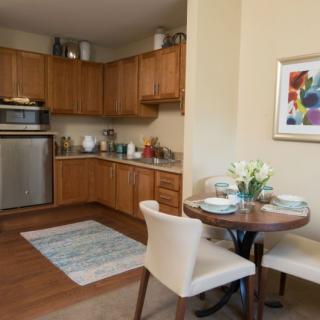
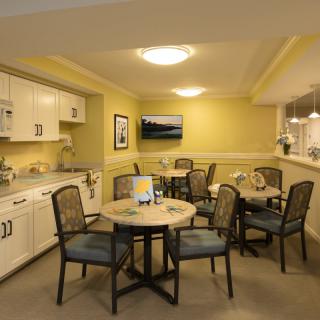
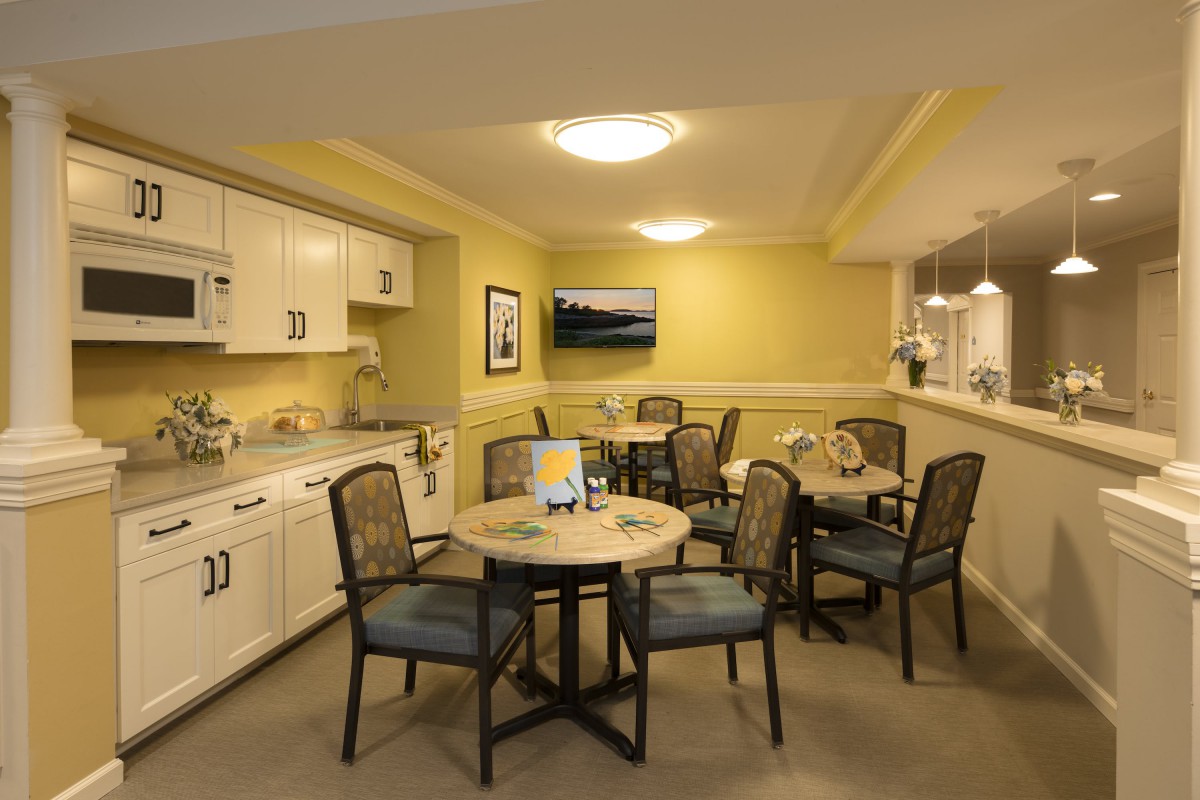
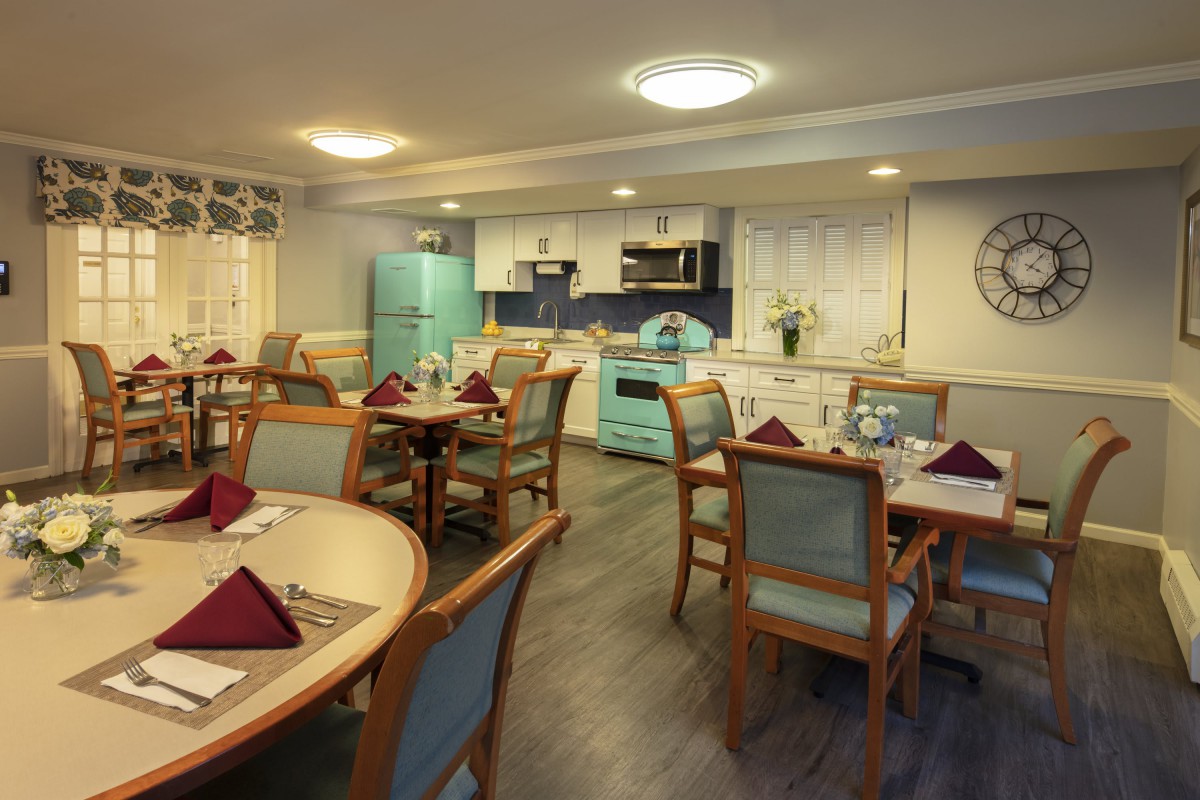
    A cozy dining area with multiple tables and chairs, featuring a kitchen setup with vintage-style appliances.
  • Landscaping

    A charming single-story house with a welcoming porch and well-maintained front lawn.
  • Kitchen

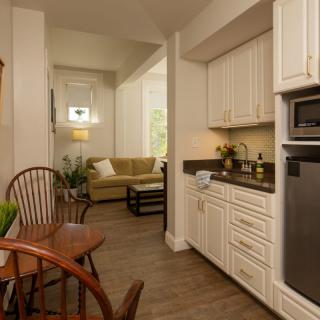
    A vintage kitchen setting with a teal teapot and a bouquet of blue and white flowers.
  • Lighting

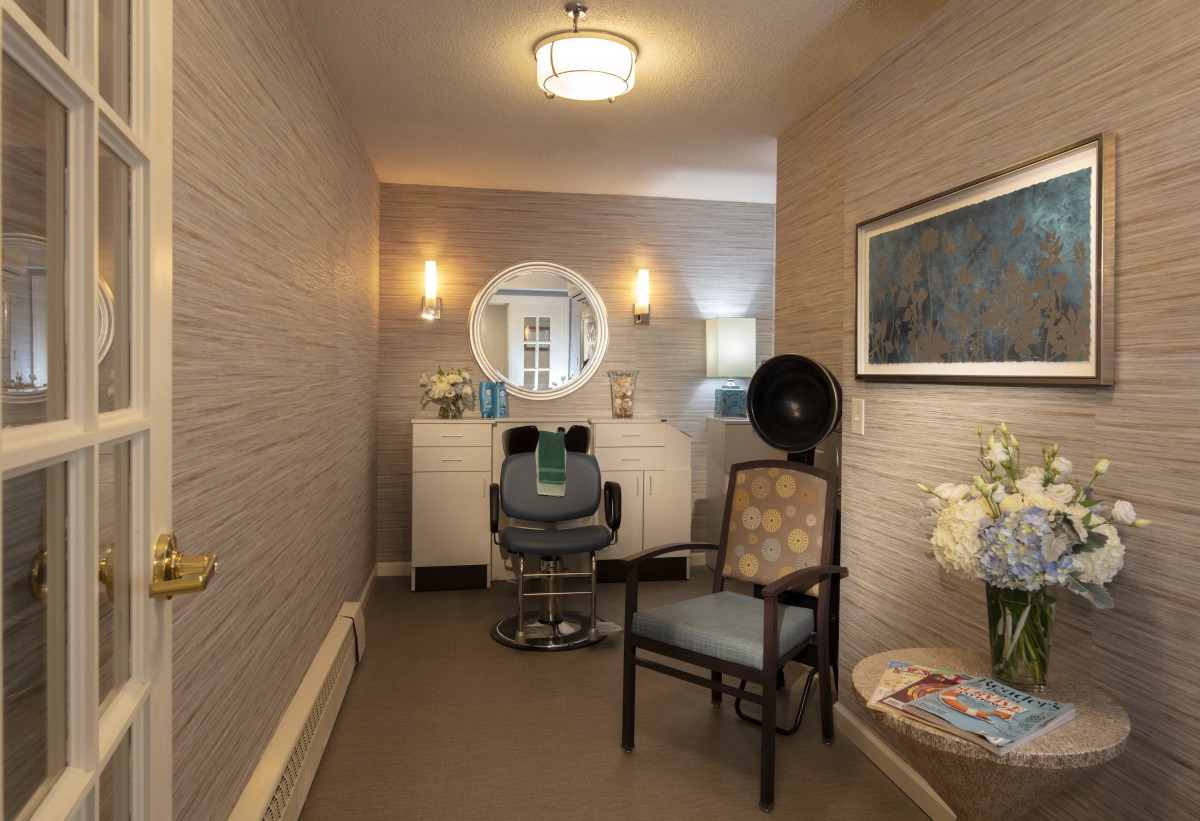
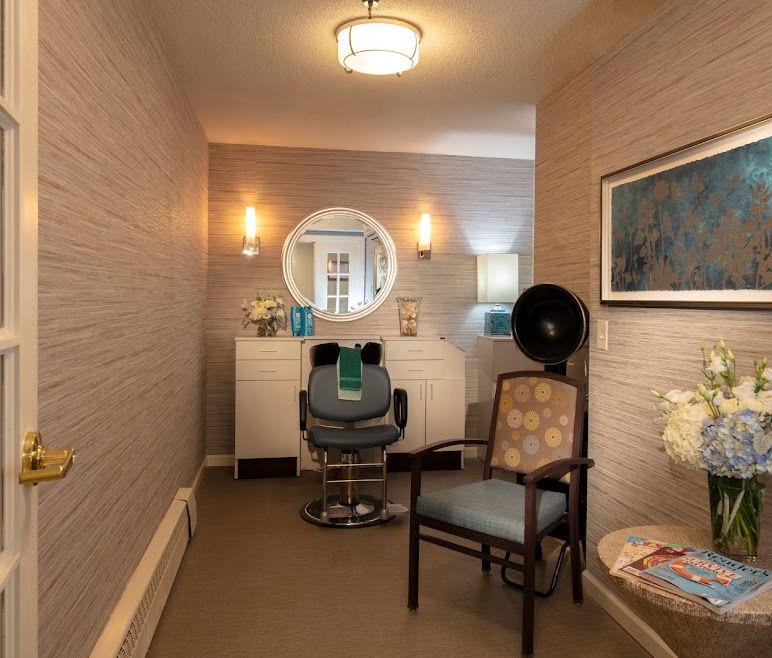
    A cozy hair salon interior featuring a styling chair, mirror, and elegant decor.
  • Artwork

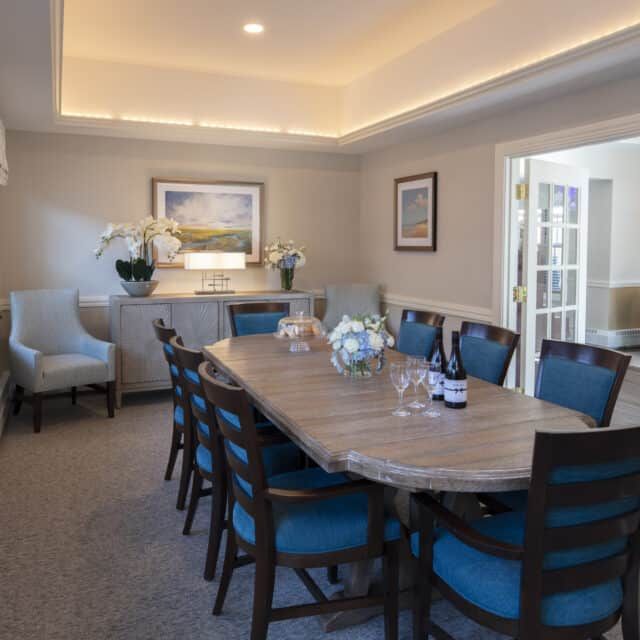
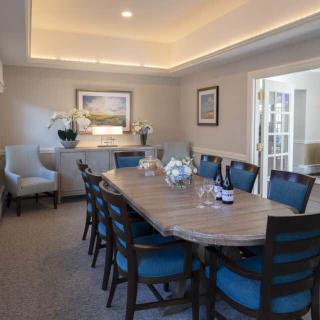
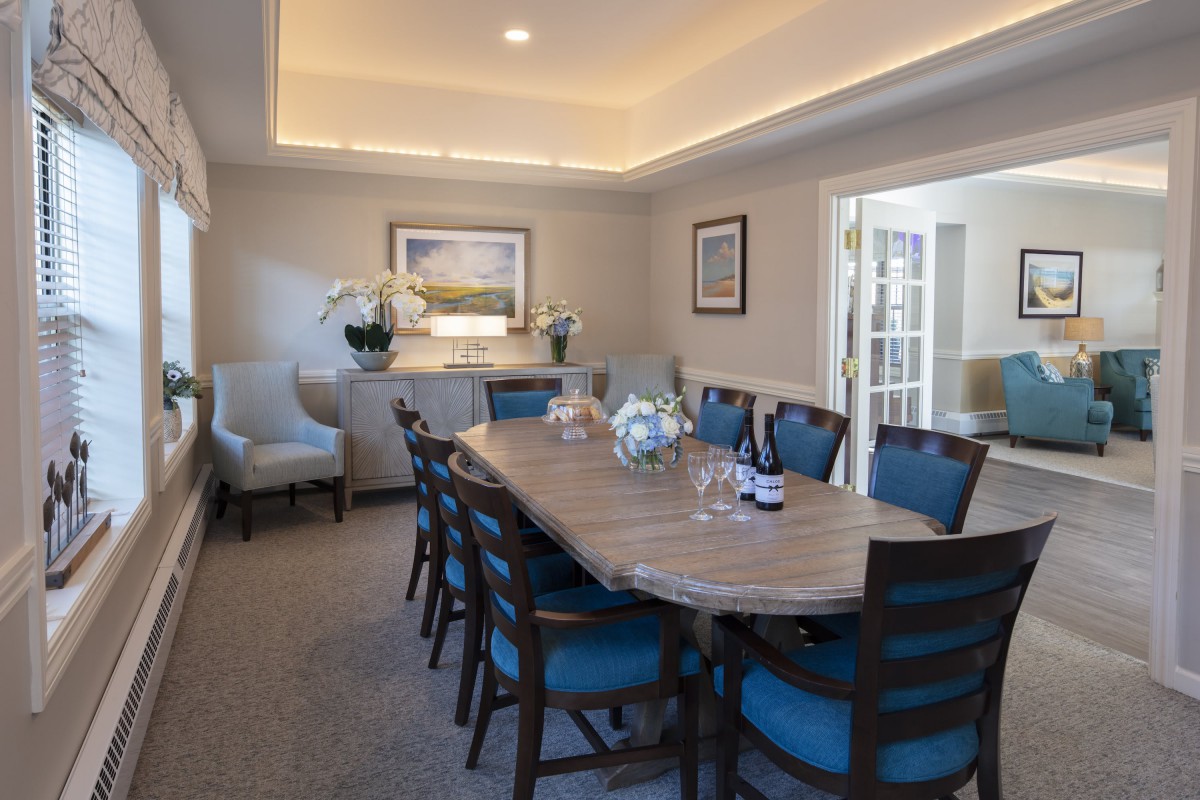
    A well-decorated dining room featuring a long table with blue-cushioned chairs, soft lighting, and elegant decor.
  • Fireplace

    An elegant dining room with neatly arranged tables and chairs, centered around a cozy fireplace.

Compass On The Bay in Boston, MA

1380 Columbia Road, Boston, MA 02127

For more information about senior living options: (844) 490-3973

4.8 from 32 reviews
5 stars
29
4 stars
2
3 stars
0
2 stars
0
1 stars
1

Memory Care

Compass On The Bay Costs & Pricing

At Compass On The Bay, the monthly costs reflect a premium level of care and service compared to both Suffolk County and the broader Massachusetts area. For a semi-private room, residents can expect to pay $7,100, which is notably higher than the county's average of $5,616 and the state's average of $5,805. Similarly, the price for a studio at Compass On The Bay stands at $7,925, surpassing Suffolk County's average of $5,278 and Massachusetts' statewide figure of $5,312. These figures suggest that while Compass On The Bay may be on the higher end of the cost spectrum, it likely offers unique amenities or specialized services that justify this investment for those seeking quality care in a supportive environment.

Floor plansCompass On The BaySuffolk CountyMassachusetts
Semi-Private$7,100$5,616$5,805
Studio$7,925$5,278$5,312

Overall Review of Compass On The Bay

Pros

  • pro Caity makes the planning process smooth and stress-free, and the staff are welcoming and supportive at Compass on the Bay.
  • pro The space at Compass on the Bay is inviting and everything is set up perfectly for a successful event.
  • pro The compassionate staff welcome guests with open arms, putting them at ease.
  • pro The husband enjoys everything Compass offers and interacts with staff as if they were family.
  • pro The care team provides loving, respectful, and professional care that makes residents feel at home.
  • pro Compass on the Bay is a wonderful home with caring employees.
  • pro The facility is well-maintained, clean, and welcoming, with a home-like feel.
  • pro The team is attentive to medical needs while maintaining residents' dignity and independence.
  • pro The activities keep residents engaged and help them form meaningful connections.
  • pro The staff goes above and beyond to create a safe, comfortable, and engaging environment.
  • pro Compass on the Bay steps in to support families in moments of need with flexible arrangements.
  • pro The community atmosphere at Compass on the Bay is strong and feels like a close-knit family.

Cons

  • pro Some reviewers would not recommend Compass on the Bay for care, noting that residents were sitting idle with no activities and that management was rude when asked about daily programs.
  • pro They describe the activities as hit-or-miss and suggest improvements in smaller details, including the quality of the food.
  • pro One reviewer felt the price was expensive given the level of engagement provided.
  • pro A commenter indicated there were moments where engagement among residents was lacking, implying the environment could be more stimulating.

Review

Compass on the Bay is best suited for families seeking a small, memory-care?forward assisted living in Boston where a warm, home-like atmosphere and hands-on, compassionate staff define daily life. It excels for loved ones with dementia who benefit from intimate, person-centered care, consistent caregiver relationships, and a setting that prioritizes dignity over a clinical, impersonal feel. The bayside building, quiet neighborhood feel, and emphasis on safety and resident choice make transitions smoother, and families gain confidence from steady communication and a clearly demonstrated commitment to treating residents like members of the family.

Those weighing alternatives should note a few caveats. If immediate bed availability is non-negotiable or if budget realities demand rapid access without sacrificing care, other communities may move faster or offer different pricing structures. If a loved one requires higher levels of clinical oversight, more intensive medical monitoring, or a busier daily calendar with a broad menu of on-site amenities, a larger campus or a different model may fit better. Compass on the Bay operates as a smaller operation; families prioritizing a bustling, highly varied programming schedule may feel the rhythms skew toward homelike routines rather than constant high-energy engagement.

On balance, the facility's strongest assets are the people and the culture. Staff are consistently described as compassionate, professional, and deeply invested in residents, with many accounts noting care that treats memory-impaired residents with genuine family-like warmth. The environment itself supports connection - a clean, well-kept, non-institutional setting with water views and a welcoming porch that invites interaction. A robust calendar of activities - exercising, crafts, social events - gives residents real chances to stay engaged, and caregivers routinely go above and beyond to re-engage someone who drifts. Family communication is a constant win, with families feeling informed, involved, and reassured about care decisions. Respite stays have demonstrated flexibility, and PACE Plus offers a meaningful subsidy pathway for families balancing finances. Occasional reminders that the calendar can feel light or the menu lacks variety prevent pigeonholing the experience into perfection, but these are comparatively minor in a community praised for consistency and heart.

Compass on the Bay's memory-care approach stands out for continuity and personalization. A dedicated memory-care unit, staff who know residents by name, and routines that support recognition and autonomy create an environment where dementia care feels proactive rather than reactive. Residents often come alive through meals, gentle exercise, and social crafts, because the team organizes care around meaningful, familiar activities. The smaller footprint matters here: it fosters easier supervision, quicker responses, and stronger resident?staff relationships, all contributing to reduced anxiety and greater sociability. When needs evolve, the plan adapts without eroding dignity, and families frequently cite tangible improvements in mood, engagement, and overall well-being.

From a practical perspective, Compass on the Bay delivers on aesthetics and upkeep: a well-maintained, clean facility with appealing shared spaces and dependable safety features, plus outdoor areas and bay-view rooms that lift spirits. The setting supports mobility and socializing, with outings and porch time that connect residents to the surrounding harbor ambiance. The recurring theme is high satisfaction with staff and the home-like feel; occasional critiques center on food variety or day-to-day activity mix, suggesting room for tweaks but not a wholesale flaw in the model. For families weighing cost, the intimate, purpose-built atmosphere can justify a premium if care quality and peace of mind align with expectations and financial reality.

Bottom line: Compass on the Bay stands out for families prioritizing a compassionate, intimately scaled memory-care environment where staff continuity, family involvement, and meaningful connection drive daily life. It is a particularly strong fit for residents who thrive in a home-like, waterfront setting and benefit from consistent, person-centered attention. Those needing rapid placement, extensive 24/7 medical oversight, or a busier, more expansive activity calendar may want alternatives or at least insist on transparent scheduling, menus, and staffing levels before committing. Prospective families should arrange a tour, meet the executive director Lindsay Willis, and observe the memory-care spaces firsthand to see interactions up close. Inquire about bed availability, respite flexibility, and the PACE Plus option to determine whether the financial fit matches the proven quality of care.

Features

Housing

  • 39 resident community capacity 39 resident community capacity

Types of Care

  • Memory Care Memory CareMemory care is crucial for seniors as it provides specialized support and services for individuals with dementia or Alzheimer's disease. These programs offer a safe and secure environment where residents receive personalized care, cognitive stimulation, and help with daily activities. Memory care helps seniors maintain their independence, quality of life, and dignity while also providing peace of mind for their families.

Amenities

  • Activities on-site Activities on-siteActivities on-site are important for seniors because they provide opportunities for socialization, mental stimulation, physical activity, and overall well-being. Engaging in activities can help seniors stay active, maintain their independence, and improve their quality of life.
  • Air-conditioning Air-conditioningAir conditioning is important for seniors as they are more vulnerable to heat-related illnesses and may have underlying health conditions that make it difficult for them to regulate their body temperature. It helps to keep them comfortable, safe, and healthy in hot weather.
  • Beautician on-site Beautician on-siteHaving a beautician on-site at a senior living community is important for seniors as it allows them to easily access grooming and personal care services, boosting their self-esteem and overall well-being. It also provides convenience and helps seniors maintain their sense of independence and personal style.
  • Beauty salon Beauty salonBeauty salons are important for seniors because they provide a space for them to feel pampered, socialize, and maintain their personal grooming and hygiene. Regular visits to a beauty salon can help boost seniors' self-esteem and overall well-being.
  • Cable or satellite TV Cable or satellite TVCable or satellite TV is important for seniors because it provides entertainment, news, and companionship, helping to combat loneliness and boredom. It also offers a wide range of programming options tailored to different interests and preferences.
  • Devotional services off-site Devotional services off-siteDevotional services off-site are important for seniors as they provide spiritual nourishment, social engagement, and a sense of community outside of the senior living facility. This can enhance overall well-being and help combat feelings of isolation and loneliness often experienced by older adults.
  • Devotional services on-site Devotional services on-siteDevotional services on-site provide seniors with spiritual support and a sense of community, as well as an opportunity for reflection and guidance during their senior living experience. This can promote emotional well-being and connection to others, leading to a more fulfilling and enriching lifestyle in their later years.
  • Dining room Dining roomDining rooms are important for seniors as they provide a space for socialization, connection, and nutritious meals. They offer opportunities for residents to bond over shared meals, foster a sense of community, and promote healthy eating habits. Dining rooms also ensure that seniors have access to well-balanced meals tailored to their dietary needs and preferences.
  • Fully furnished Fully furnishedFully furnished senior living communities are important for seniors because they provide convenience, comfort, and a hassle-free moving experience. Seniors can easily settle into their new living space without the stress of having to buy and move furniture. This allows them to focus on enjoying their new home and community.
  • Garden GardenGardens are important for seniors as they provide a peaceful and therapeutic environment for relaxation, physical activity, and socialization. Being in nature has been shown to reduce stress, improve mood, and promote overall well-being. Gardens also offer opportunities for seniors to engage in gardening activities, which can improve mobility, flexibility, and cognitive function. Additionally, gardens create a sense of community and connection with others who share a passion for plants and outdoor spaces.
  • Housekeeping services Housekeeping servicesHousekeeping services are important for seniors because they help maintain a clean and safe living environment, promote independence, and reduce the risk of accidents or illnesses. Additionally, having assistance with household chores can alleviate physical strain and allow seniors to focus on other aspects of their well-being.
  • Indoor common areas Indoor common areasIndoor common areas are crucial for seniors as they provide a space for socialization, recreation, and community engagement, promoting overall well-being and reducing feelings of isolation and loneliness.
  • Kitchenette KitchenetteKitchenettes are important for seniors living in senior living communities because they provide the convenience and independence of being able to prepare simple meals and snacks in the comfort of their own living space. This can help promote a sense of autonomy and well-being for seniors, allowing them to maintain some level of control over their dietary choices and daily routines.
  • Located close to shopping centers Located close to shopping centersBeing located close to shopping centers is important for seniors because it provides easy access to daily necessities, social interaction, and recreational activities. This convenience can enhance their quality of life and independence, making it a desirable feature for senior living communities.
  • Meal preparation and service Meal preparation and serviceMeal preparation and service are crucial for seniors as they may have limited mobility or energy to cook nutritious meals. Having access to healthy and convenient food options can ensure they are getting the proper nutrition needed to maintain their overall health and well-being.
  • Move-in coordination Move-in coordinationMove-in coordination is important for seniors because it helps ease the transition into their new living environment. It ensures that all logistics, such as packing, organizing movers, and setting up utilities are taken care of, allowing seniors to focus on settling in and adjusting to their new home. Having a smooth move-in process can alleviate stress and anxiety, making the transition smoother and more enjoyable for seniors.
  • Outdoor common areas Outdoor common areasOutdoor common areas are important for seniors as they provide a space for socialization, physical activity, and relaxation. Being outside in nature can improve mood and overall well-being, while also encouraging movement and engagement with others. These spaces can help combat feelings of isolation and promote a sense of community among residents.
  • Outdoor patio Outdoor patioOutdoor patios are essential for seniors as they provide a safe and peaceful space for them to enjoy the outdoors, socialize with friends and family, engage in physical activity, and soak up natural sunlight which promotes overall well-being and mental health.
  • Outdoor space Outdoor spaceOutdoor spaces are important for seniors as they provide opportunities for physical activity, social interaction, exposure to natural light and fresh air, and a sense of connection to nature. Having access to outdoor spaces can improve overall well-being and quality of life for older adults living in senior communities.
  • Respite or short term stays offered Respite or short term stays offeredRespite or short term stays provide seniors with a temporary solution when their regular caregiver is unavailable, offering them the opportunity to receive additional care and support during times of need, while also giving caregivers a chance to rest and recharge.
  • Restaurant-style dining Restaurant-style diningRestaurant-style dining is important for seniors because it allows them to enjoy delicious, nutritious meals in a social and upscale setting. This enhances their dining experience, promotes healthy eating habits, and fosters socialization with fellow residents, ultimately contributing to their overall well-being and quality of life.
  • Small library Small librarySmall libraries are important for seniors as they provide access to a variety of reading materials, including books, newspapers, and magazines. This can help stimulate their minds, keep them engaged, and provide a sense of community through book clubs and other social activities. Additionally, reading has been shown to improve cognitive function and overall mental well-being in older adults.
  • Telephone TelephoneTelephones are important for seniors as they provide a lifeline for communication with loved ones, emergency services, and healthcare providers. They offer a sense of security and independence, enabling seniors to stay connected and access assistance when needed.
  • Wi-Fi/high-speed internet available Wi-Fi/high-speed internet availableWi-Fi/high-speed internet is important for seniors to stay connected with loved ones, access online resources, and participate in virtual activities to combat feelings of loneliness and isolation. It also allows them to easily manage healthcare needs, access entertainment, and engage in lifelong learning opportunities.

Transportation

  • Gen Edw L Logan International (3 miles away) Gen Edw L Logan International (3 miles away)
  • Community operated transportation Community operated transportationCommunity operated transportation is crucial for seniors as it provides them with the means to access essential services, social activities, and medical appointments. It allows seniors to maintain their independence and quality of life by ensuring they can participate in activities outside of their homes. Additionally, community-operated transportation services offer a safe and reliable way for seniors to travel without having to rely on family or friends for assistance.
  • Transportation arrangement Transportation arrangementTransportation arrangements are crucial for seniors as they may face challenges with driving, mobility, or access to public transportation. Having reliable transportation services ensures that seniors can easily attend appointments, social activities, and maintain their independence and quality of life.
  • Transportation arrangement (non-medical Transportation arrangement (non-medicalTransportation arrangement services are essential for seniors as they provide independence and access to necessary appointments, activities, and social engagements. This service ensures seniors remain active, engaged, and can continue living a fulfilling lifestyle while maintaining their autonomy.

Care Services

  • 24-hour call system 24-hour call system24-hour call systems are important for seniors because they provide peace of mind and immediate assistance in case of emergencies. This technology ensures that help is always available, promoting safety and security for elderly individuals living alone or in assisted living facilities.
  • 24-hour supervision 24-hour supervision24-hour supervision is important for seniors to ensure their safety, well-being, and access to immediate assistance in case of emergencies or health issues. This constant support provides peace of mind for both seniors and their loved ones, allowing them to age in place with dignity and security.
  • Activities of daily living assistance Activities of daily living assistanceActivities of daily living assistance are important for seniors because they provide essential support with tasks such as eating, bathing, dressing, and mobility. This assistance helps seniors maintain their independence, dignity, and overall quality of life as they age.
  • Ambulatory care Ambulatory care"Ambulatory care services provide essential medical support and treatment to seniors without requiring hospitalization, allowing them to maintain their independence and quality of life while managing chronic conditions or receiving routine medical care."
  • Assistance with bathing Assistance with bathingAssistance with bathing is crucial for seniors as it helps maintain personal hygiene, prevents infections, and ensures their overall well-being and comfort. It also provides a sense of dignity and independence for seniors who may struggle with this task on their own.
  • Assistance with dressing Assistance with dressingAssistance with dressing is important for seniors because it helps maintain their independence, promotes personal hygiene, prevents accidents and injuries, and improves overall quality of life. This service ensures that seniors can continue to dress comfortably and confidently, despite any physical limitations they may have.
  • Assistance with transfers Assistance with transfersAssistance with transfers is crucial for seniors as it helps prevent falls and injuries, maintains their independence, and ensures they can safely navigate their living environment. It also provides peace of mind for both seniors and their loved ones.
  • Coordination with health care providers Coordination with health care providersCoordination with health care providers is crucial for seniors to ensure proper medical care, medication management, and overall well-being. This collaboration helps prevent overlapping treatments, track progress more effectively, and provide comprehensive support tailored to individual needs.
  • Dementia waiver Dementia waiverDementia waivers are essential for seniors as they provide critical protections and accommodations for those experiencing cognitive decline. These waivers ensure individuals with dementia receive appropriate care, support, and resources to maintain their quality of life and dignity as they navigate the challenges of this progressive condition.
  • Diabetes diet Diabetes dietA diabetes diet is crucial for seniors as it helps manage blood sugar levels, reduce risks of complications, and improve overall health and well-being. By following a balanced and nutritious diet tailored to their specific needs, seniors can better control their diabetes and enhance their quality of life.
  • Diabetic care Diabetic careDiabetic care is crucial for seniors as they are more susceptible to developing diabetes due to aging and other health conditions. Proper management of diabetes can help prevent complications such as heart disease, vision loss, and nerve damage, improving the overall quality of life for seniors in senior living communities.
  • Hospice waiver Hospice waiverHospice waivers are important for seniors because they allow individuals to receive specialized end-of-life care and support at home or in a hospice facility. This waiver ensures that seniors can access the necessary resources and services to maintain comfort and dignity during their final days.
  • Incontinence care Incontinence careIncontinence care is essential for seniors to maintain their dignity, hygiene, and overall quality of life. By addressing incontinence issues promptly and effectively, seniors can enjoy a sense of independence and comfort in their daily activities.
  • Meal preparation and service Meal preparation and serviceMeal preparation and service are crucial for seniors as they may have limited mobility or energy to cook nutritious meals. Having access to healthy and convenient food options can ensure they are getting the proper nutrition needed to maintain their overall health and well-being.
  • Medication management Medication managementMedication management is crucial for seniors to ensure they are taking the right medications at the correct dosages and times. This helps prevent adverse drug interactions, reduces the risk of medication errors, and promotes overall health and well-being. Proactive management also allows for adjustments as needed based on changing health conditions or new prescriptions.
  • Mental wellness program Mental wellness programMental wellness programs are essential for seniors as they promote cognitive stimulation, emotional support, and social engagement. These programs help prevent isolation, depression, and cognitive decline, ultimately enhancing the overall quality of life for older adults.
  • Mild cognitive impairment Mild cognitive impairment"Mild cognitive impairment" is important for seniors because it is an early stage of cognitive decline that can potentially progress to more severe conditions such as dementia. Recognizing and addressing mild cognitive impairment can help seniors receive appropriate care and support to maintain their quality of life and independence for as long as possible.
  • Special dietary restrictions Special dietary restrictionsSpecial dietary restrictions are important for seniors because age-related changes in metabolism and health conditions can make it difficult for their bodies to process certain foods. By following a diet tailored to their specific needs, seniors can maintain their overall health and well-being, manage chronic conditions, and reduce the risk of complications such as malnutrition or food interactions with medications.
  • Specialized memory care programming Specialized memory care programmingSpecialized memory care programming is crucial for seniors with cognitive impairments such as dementia or Alzheimer's disease. These programs provide a safe and supportive environment tailored to the unique needs of individuals with memory loss, helping them maintain their independence, dignity, and quality of life.
  • Transportation arrangement (medical) Transportation arrangement (medical)Transportation arrangements for medical purposes are essential for seniors as they may have difficulty driving themselves to appointments or accessing public transportation. Having reliable and safe transportation options ensures that seniors can receive timely medical care and maintain their health and well-being.
  • Transportation to doctors appointments Transportation to doctors appointmentsTransportation to doctors' appointments is crucial for seniors as it ensures they have access to necessary medical care and support for their health needs. Without reliable transportation, seniors may struggle to attend important appointments, leading to potential delays in treatment and health complications. Providing transportation services helps seniors maintain their overall well-being and quality of life.

Dining

  • Diabetes diet Diabetes dietA diabetes diet is crucial for seniors as it helps manage blood sugar levels, reduce risks of complications, and improve overall health and well-being. By following a balanced and nutritious diet tailored to their specific needs, seniors can better control their diabetes and enhance their quality of life.
  • Gluten-free Gluten-freeGluten-free options are important for seniors as they are more prone to digestive issues and dietary sensitivities. Offering gluten-free meal choices in senior living communities can help improve their overall health and well-being.
  • Guest meals Guest mealsGuest meals are important for seniors living in senior living communities because they provide an opportunity for socialization and companionship. Sharing a meal with friends, family, or new acquaintances can help combat feelings of loneliness and isolation, promote a sense of community, and enhance overall well-being. Additionally, guest meals allow seniors to enjoy delicious food in a comfortable setting without the hassle of cooking or cleaning up, making dining a pleasurable and stress-free experience.
  • International cuisine International cuisineInternational cuisine is important for seniors because it offers a variety of flavors, ingredients, and cultural experiences that can help keep their meals interesting and enjoyable. Trying new dishes can also stimulate the senses and provide different nutrients that contribute to overall health and well-being. Additionally, exploring international cuisine can bring back fond memories of travels or childhood experiences, making mealtime more nostalgic and fulfilling for seniors.
  • Low / no sodium Low / no sodiumLow/no sodium options are important for seniors because excessive sodium intake can lead to high blood pressure, heart disease, and other health issues commonly experienced by older adults. By choosing low/no sodium foods, seniors can better manage their health and reduce their risk of developing these conditions.
  • Meals provided Meals provided"Meals provided" are crucial for seniors in assisted living communities as it ensures they have access to nutritious, balanced meals without the stress of meal planning and preparation. This can help promote overall health and well-being for seniors who may have limited mobility or cognitive abilities.
  • No Sugar No SugarNo sugar diets are important for seniors because they can help prevent or manage chronic conditions such as diabetes, heart disease, and obesity. Sugar can also contribute to cognitive decline and inflammation in the body, so reducing sugar intake can lead to overall improved health and well-being in older adults.
  • Professional chef Professional chefProfessional chefs are important for seniors living in senior living communities because they provide nutritious and delicious meals that cater to their dietary needs and preferences. A professional chef can ensure that seniors are receiving balanced, flavorful meals that support their overall health and well-being.
  • Restaurant style dining Restaurant style diningRestaurant style dining is important for seniors as it offers them a social and enjoyable dining experience, promotes healthy eating habits, and provides personalized menu options to cater to their dietary needs and preferences. This type of dining setting can enhance their overall quality of life and create a sense of community within the senior living facility.
  • Special dietary restrictions Special dietary restrictionsSpecial dietary restrictions are important for seniors because age-related changes in metabolism and health conditions can make it difficult for their bodies to process certain foods. By following a diet tailored to their specific needs, seniors can maintain their overall health and well-being, manage chronic conditions, and reduce the risk of complications such as malnutrition or food interactions with medications.

Activities

  • Art classes Art classesArt classes are important for seniors because they provide a creative outlet, improve cognitive function, reduce stress and anxiety, promote socialization, and enhance overall well-being and quality of life.
  • Community-sponsored activities Community-sponsored activitiesCommunity-sponsored activities are important for seniors as they provide opportunities for social interaction, mental stimulation, and physical activity. These activities can help improve overall well-being, combat loneliness and isolation, and promote a sense of belonging and purpose among older adults.
  • Cooking classes Cooking classesCooking classes are important for seniors as they provide opportunities for social interaction, enhance cognitive skills, promote healthy eating habits, and boost confidence in the kitchen.
  • Day trips and outings Day trips and outingsDay trips and outings are important for seniors as they provide opportunities for socialization, mental stimulation, physical activity, and a break from daily routines. These experiences can enhance overall well-being and quality of life for older adults living in senior communities.
  • Devotional activities offsite Devotional activities offsiteDevotional activities offsite are important for seniors because they provide social engagement, spiritual growth, and a sense of community outside of their living environment. This can improve overall well-being, mental health, and combat feelings of isolation or loneliness.
  • Devotional activities on-site Devotional activities on-siteDevotional activities on-site provide seniors with a sense of community, spiritual fulfillment, and emotional support, promoting overall well-being and a positive sense of purpose in their lives.
  • Educational speakers / life long learning Educational speakers / life long learningEducational speakers and lifelong learning opportunities are crucial for seniors as they provide mental stimulation, promote social engagement, and contribute to overall well-being. Continuous learning helps seniors stay mentally sharp, build new skills, and maintain a sense of purpose and fulfillment in their lives. It also allows them to stay connected to the world around them and fosters a sense of community within senior living facilities.
  • Fitness programs Fitness programsFitness programs are crucial for seniors as they help improve strength, flexibility, balance, and overall well-being. Staying active can reduce the risk of chronic diseases, improve mental health, and enhance quality of life in older adults.
  • Karaoke KaraokeKaraoke provides seniors with a fun and social activity that can boost mood, confidence, and cognitive function. It encourages social interaction, physical movement, and creative expression, making it an important form of entertainment for senior living communities.
  • Live dance or theater performances Live dance or theater performancesLive dance or theater performances are important for seniors because they provide opportunities for socialization, mental stimulation, and emotional engagement. These performances can help combat feelings of isolation and loneliness, while also offering a sense of connection to the arts and culture. Additionally, watching live performances can bring joy and create lasting memories for seniors in their later years.
  • Live musical performances Live musical performancesLive musical performances can provide seniors with a sense of joy, nostalgia, and connection. Music has the power to evoke emotions and memories, improve mood and cognitive function, and foster social interaction among seniors. It can also serve as a form of therapy and stress relief for older adults, making it an important activity to include in senior living communities.
  • Planned day trips Planned day tripsPlanned day trips are important for seniors because they offer opportunities for socialization, mental stimulation, and physical activity. They provide a change of scenery and help seniors stay engaged and connected to their community, promoting overall well-being and quality of life.
  • Resident-run activities Resident-run activitiesResident-run activities are important for seniors as they encourage social interaction, creativity, and a sense of autonomy. These activities empower seniors to stay engaged and active in their community while fostering meaningful connections with their peers.
  • Scheduled daily activities Scheduled daily activitiesScheduled daily activities are important for seniors because they provide structure, socialization, mental stimulation, and physical activity. Engaging in regular activities can improve overall well-being and quality of life for seniors living in a community setting.
  • Stretching classes Stretching classesStretching classes are important for seniors because they help improve flexibility, reduce the risk of injury, and promote overall health and well-being. Regular stretching can also help alleviate joint pain and stiffness, enhance balance and coordination, and increase range of motion.
  • Tai Chi Tai ChiTai Chi is important for seniors because it promotes balance, strength, flexibility, and mental relaxation. It can help prevent falls, improve mobility, and reduce stress and anxiety, making it an excellent form of exercise for older adults to maintain their overall health and well-being.
  • Yoga / chair yoga Yoga / chair yogaYoga and chair yoga are important for seniors as they promote flexibility, balance, strength, and overall wellbeing. These practices can help improve mobility, reduce stress, and enhance mental clarity, ultimately leading to a higher quality of life in their senior years.

Description

Compass On The Bay is an assisted living community located in the heart of Boston, MA. Our community offers a wide range of amenities to ensure that our residents are comfortable and have access to everything they need.

Our spacious apartments are fully furnished and equipped with air-conditioning, ensuring a comfortable living environment year-round. We have on-site beauticians and a beauty salon, allowing our residents to easily access grooming services. Cable or satellite TV is provided in each apartment for entertainment purposes.

At Compass On The Bay, we understand the importance of transportation for our residents. That's why we offer community-operated transportation for outings and appointments. We also provide move-in coordination services to make the transition into our community as seamless as possible.

Our dining room features restaurant-style dining with professional chefs preparing meals. We accommodate special dietary restrictions, including gluten-free, low/no sodium, diabetic care, and no-sugar diets. Meals are prepared and served by our attentive staff.

Residents have access to various common areas both indoors and outdoors. Our outdoor patio and garden spaces allow residents to enjoy fresh air and nature. Inside, there is a small library for reading enthusiasts as well as indoor common areas where socialization can take place.

We prioritize the wellbeing of our residents by offering 24-hour supervision and assistance with activities of daily living such as bathing, dressing, and transfers. Medication management is also provided to ensure proper administration of medications. In addition, we offer specialized memory care programming for those with Alzheimer's or other forms of dementia.

To keep our residents engaged and entertained, we organize a variety of activities such as cooking classes, day trips, fitness programs, live performances (dance/theater/music), educational speakers/lifelong learning sessions, stretching classes, tai chi, and yoga/chair yoga.

Compass On The Bay is conveniently located near shopping centers, parks, pharmacies, restaurants, and healthcare providers - making it easy for residents to access the amenities and services they need. With nearby cafes, parks, theaters, and hospitals, there is always something to explore and enjoy in the neighborhood.

At Compass On The Bay, we strive to provide a vibrant and supportive community where residents can thrive and enjoy their golden years.

Virtual Tour

Videos

Nearby Places of Interest

This part of Boston, Massachusetts, offers a convenient and diverse range of amenities for senior living. With multiple pharmacies in close proximity, accessing medication and healthcare needs is easily manageable. The area also features a variety of dining options, from casual sandwich shops to upscale restaurants, catering to different tastes and preferences. Transportation options are readily available with MBTA stations nearby for easy access to various parts of the city. For leisurely pursuits, there are several parks within a short distance for relaxation and outdoor activities. Additionally, hospitals and medical facilities are within reach for any healthcare needs that may arise. Overall, this neighborhood provides a well-rounded environment with essential services and recreational opportunities suitable for senior living.

Pharmacies

  • CVS Pharmacy (0.4 miles)
  • Walgreens (0.6 miles)
  • CVS Pharmacy (1.4 miles)
  • CVS Pharmacy (1.4 miles)
  • CVS Pharmacy (1.4 miles)
  • CVS Pharmacy (1.8 miles)
  • CVS Pharmacy (1.8 miles)

Restaurants

  • Ethel and Andy's Sandwich Shop (0.6 miles)
  • Dorchester Brewing Company (1.1 miles)
  • Coquette (1.1 miles)
  • Harpoon Brewery (1.2 miles)
  • Ba Le Restaurant (1.3 miles)
  • Legal Harborside (1.3 miles)
  • Row 34 (1.3 miles)

Transportation

  • MBTA - JFK/UMass (0.8 miles)
  • MBTA Ruggles Station (2.3 miles)
  • Satellite Concourse A (2.4 miles)
  • MBTA Charles/MGH Station (2.5 miles)
  • United Club (2.5 miles)
  • Terminal B (2.6 miles)
  • United Airlines (2.6 miles)

Parks

  • The Lawn On D (0.9 miles)
  • Rolling Bridge Park (1.2 miles)
  • Fan Pier Park (1.6 miles)
  • Boston Public Garden (2 miles)
  • Christopher Columbus Waterfront Park (2.2 miles)
  • The Esplanade (2.3 miles)
  • Piers Park (2.4 miles)

Hospitals

  • Labor And Delivery at Tufts (1.6 miles)
  • Boston Children's Hospital (3.1 miles)
  • New England Baptist Hospital (3.1 miles)

Cafes

  • Phin Coffee House (1.7 miles)
  • Tatte Bakery & Cafe (1.8 miles)
  • Caffe Nero (1.9 miles)
  • Ogawa Coffee (1.9 miles)
  • Tatte Bakery & Cafe (2 miles)
  • Reign Drink Lab (2 miles)
  • Jaho Coffee Roaster & Wine Bar (2.1 miles)

Theaters

  • AMC Loews Boston Common 19 (1.8 miles)

Physicians

  • Harvard Vanguard Medical Associates (3 miles)
  • Harvard Vanguard Medical Associates – Spinal Unit/Pain Management (3 miles)
  • Harvard Medical School (3 miles)

Frequently Asked Questions

How much does it cost to live at Compass On The Bay in Boston, MA?
Where is Compass On The Bay?
Does Compass On The Bay provide care for residents with dementia or Alzheimer's disease?
What photos are available for Compass On The Bay in Boston, Massachusetts?

Nearby Communities

  • Senior Living Residences Inc

    Senior Living Residences Inc

    Brain Tree, MA

    3.3 from 7 reviews
     

    pro Excellent location with abundant nearby dining, parks, pharmacies, medical offices, theaters, and transit options.


  • Marian Manor

    Marian Manor

    Boston, MA

    3.2 from 36 reviews
    $8,850 / month

    pro Helpful rehab and activity staff with engaging programs.

  • Women's Inn at Pine Street

    Women's Inn at Pine Street

    Boston, MA

    5 from 3 reviews
     

    pro Women-focused, safe, and supportive environment with ample nearby amenities and healthcare access.

  • Cushing Manor Community Inc

    Cushing Manor Community Inc

    Dorchester, MA

    4.1 from 80 reviews
     

    pro Excellent access to nearby amenities and healthcare

  • Quincy Tower

    Quincy Tower

    Boston, MA


    pro Excellent access to nearby amenities and services.

  • Boston Senior Home CAre

    Boston Senior Home CAre

    Boston, MA


    pro Excellent location with easy access to cafes, parks, pharmacies, physicians, hospitals, restaurants, transportation, and theaters.

  • Ruggles Assisted Living

    Ruggles Assisted Living

    Boston, MA

    5 from 4 reviews
     

    pro 24-hour supervision with restaurant-style dining in fully furnished apartments.

  • Susan Bailis

    Susan Bailis

    Boston, MA

    4.3 from 24 reviews
    $5,725 to $6,150 / month

    pro Friendly staff and a welcoming atmosphere with good dining and a convenient Boston location.

  • Goddard House

    Goddard House

    Brookline, MA

    4.5 from 55 reviews
    $4,400 to $8,150 / month

    pro Compassionate caregivers, engaging activities, and a welcoming, well-maintained environment.

Related Resources

  • dementia stagesUnderstanding Dementia Through Its Seven Stages: A Comprehensive Look at Progression and Expectations

    Dementia encompasses a range of cognitive impairments characterized by types such as Alzheimer's and vascular dementia, and follows a seven-stage progression model known as the Global Deterioration Scale (GDS), highlighting varying symptoms and decline timelines. Early detection allows for lifestyle adjustments to potentially slow progression, while caregivers need support and resources to manage the challenges involved in caring for affected individuals.

  • dementia careA Holistic Dementia Care Guide: Effective Strategies for Memory Support

    The guide on holistic dementia care outlines the complexity of dementia and stresses the need for individualized caregiver strategies that include medical treatment, psychological support, and environmental adaptations, while emphasizing early detection, various therapeutic options, and caregiver support to enhance quality of life and maintain dignity.

  • activities of daily livingComprehensive Insights into Activities of Daily Living (ADLs) and Their Assessment

    Activities of Daily Living (ADLs) are fundamental tasks vital for an individual's independence, particularly in older adults over 85, and include functions like bathing and dressing; assessing ADLs alongside Instrumental Activities of Daily Living (IADLs) helps determine the level of required assistance due to age-related health challenges. Tailored support plans, involving family and community resources, are essential for maintaining dignity and autonomy in assisted living environments.