For more information about senior living options: (866) 208-4318
3.5 from 87 reviews
5 stars
42
4 stars
14
3 stars
3
2 stars
0
1 stars
28
Academy Manor Costs & Pricing
Academy Manor's pricing reflects its premium care offerings, with monthly costs for semi-private rooms standing at $8,160 and private rooms at $9,390. These rates are notably higher than the averages seen both in Middlesex County and across Massachusetts, where semi-private accommodation is approximately $6,395 and private rooms are around $6,090. While Academy Manor's costs may be elevated compared to regional benchmarks, they likely correspond to the high standards of service and amenities provided, ensuring residents receive exceptional care in a supportive environment.
Floor plans
Academy Manor
Middlesex County
Massachusetts
Semi-Private
$8,160
$6,395
$5,805
Private
$9,390
$6,607
$6,090
Skilled Nursing Facilities with a similar price nearby
Memory care families describe staff who help reduce anxiety and support dementia needs.
Multiple reviews mention the memory care unit specifically and describe staff working to keep residents calm and supported. Families also say the unit environment and common areas are acceptable and that staff help with dementia-related behavior and day-to-day needs. One resident is described as being on the memory care unit for years with updates shared during COVID waves. Overall, the memory care experience is portrayed as dependable when it comes to care in a dementia setting.
common6 reviews mention this
Cleanliness shows up in reviews
Residents and visitors repeatedly point to a clean, well-kept facility.
Cleanliness comes up often, with several reviewers praising spotless rooms and a generally tidy environment. Reviews also mention clean hallways and that rooms stay neat and organized. A couple comments balance that praise by noting dated facility appearance, but still describe the space as clean. Across positive and mixed notes, cleanliness is one of the easier themes to rely on.
caveat8 reviews mention this
Staffing and response time concerns
Some residents and families report delays, missed calls, and inconsistent response when care is needed.
A recurring concern is whether staff respond quickly enough when residents call for help. Multiple reviews describe delayed nurse response, not being notified after transfers, and instances where families felt care should have been handled sooner. Some reviewers connect these failures to understaffing or inadequate supervision, including situations where residents were left without immediate attention. While other reviews are strongly positive, the negative experiences repeatedly focus on communication and response time during urgent moments.
caveat5 reviews mention this
Food quality is mixed
Dining quality is uneven, with praise on some occasions and complaints on others.
Some reviewers praise the food and describe it as excellent or fine, including comments that meals are enjoyed. Other reviews say food needs improvement, hot food arrives lukewarm, or dietary needs are not handled as expected. A few comments also raise broader concerns around meal service details such as missing items or condiments. Because experiences vary, dining appears to be a mixed point rather than a consistent strength.
common6 reviews mention this
Activities keep residents engaged
Reviews describe regular activities that help residents stay engaged.
Several reviews highlight activities as a meaningful part of daily life, including organized programs and opportunities for residents to participate. Families mention residents taking part in communal activities and being kept busy, and some say it helped with anxiety. There are also mentions of outside performances and events that visitors enjoyed with residents. Overall, activities are described as active and supportive for engagement.
common7 reviews mention this
Staff kindness and professionalism stand out
Many reviews emphasize staff who are kind, professional, and attentive to residents.
The most consistent positive thread across reviews is staff attitude, with families describing professionalism, patience, and compassion. Several reviewers say the staff is responsive to individual needs and helps make the transition feel more manageable, especially during recovery or memory care. Visitors also describe friendly interactions during visits and note that staff help residents feel safe. Even where concerns appear in the reviews, the strongest praise centers on caring day-to-day interactions.
How we summarize
Counts show how many written reviews mention each theme; a review can touch several themes, and only frequently mentioned themes are displayed.
Features
Housing
21 resident community capacity
Studio apartments
Types of Care
Memory Care
Skilled Nursing Facility
Amenities
Beautician on-site
Beauty salon
Cable or satellite TV
Computer center
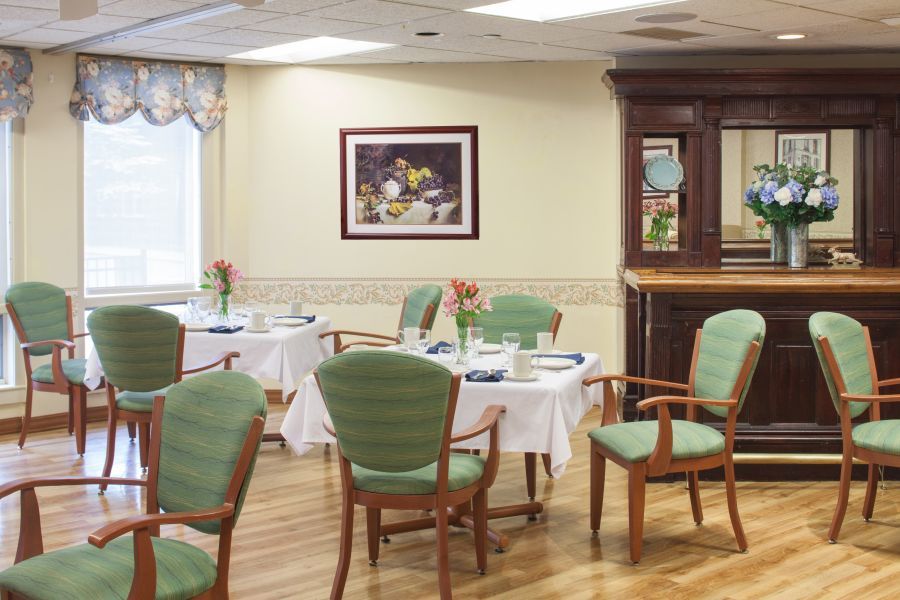
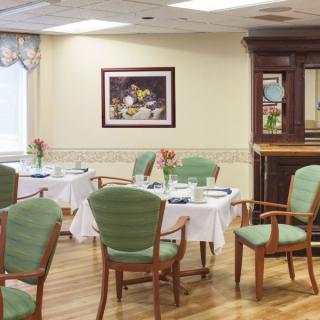
Dining room
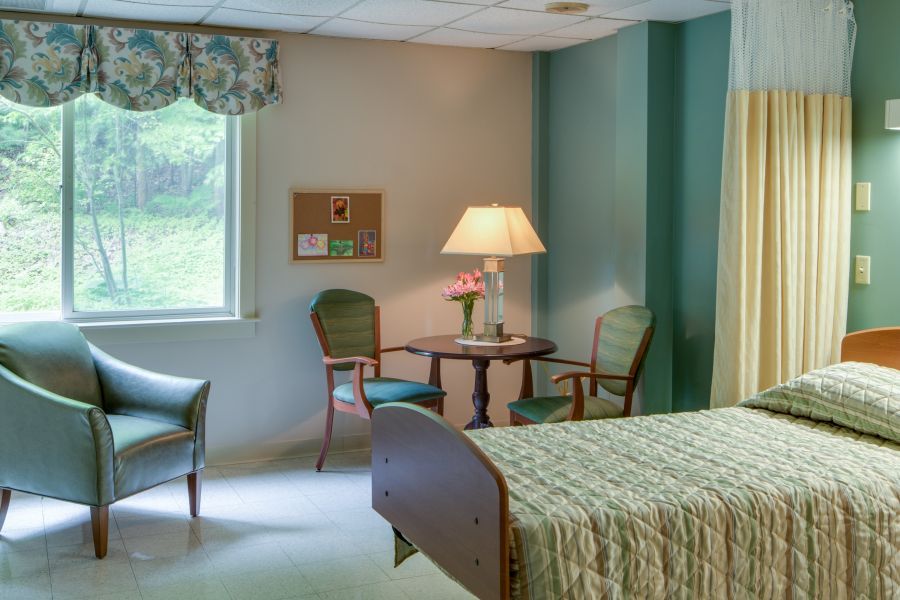
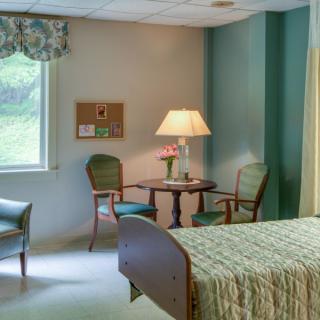
Fully furnished
Garden
General store
Housekeeping services
Kitchenette
Move-in coordination
Outdoor space
Party space
Private
Respite or short term stays offered
Telephone
Wi-Fi/high-speed internet available
Transportation
Gen Edw L Logan International (21 miles away)
Manchester (25 miles away)
Transportation & parking
Care Services
24-hour call system
24-hour supervision
Activities of daily living assistance
Assistance with bathing
Assistance with dressing
Assistance with transfers
Coordination with health care providers
Diabetes diet
Hospice care
Meal preparation and service
Medication management
Mental wellness program
Physical therapy
Psychiatric care
Special dietary restrictions
Transportation arrangement (medical)
Transportation to doctors appointments
Dining
Diabetes diet
Special dietary restrictions
Activities
Community-sponsored activities
Scheduled daily activities
Languages Spoken
English
Nearby Places of Interest
Pharmacies
CVS Pharmacy (0.5 miles)
CVS Pharmacy (1.4 miles)
Walgreens (1.6 miles)
Walgreens (3.1 miles)
Packard Pharmacy (3.3 miles)
CVS Pharmacy (3.3 miles)
CVS Pharmacy (4.3 miles)
Cafes
Starbucks (1 miles)
Panera Bread (1.4 miles)
Starbucks (2.4 miles)
Heav'nly Donuts (3.4 miles)
Perfecto's Caffe (5.8 miles)
Aroma Joe's (5.8 miles)
Duffy's Diner (6.3 miles)
Parks
Ward Reservation (1.2 miles)
Restaurants
Burtons Grill (1.4 miles)
Shawsheen Luncheonette (1.6 miles)
Cows Rock Ice Cream (2.1 miles)
McDonald's (3.1 miles)
Jaime's Restaurant (3.2 miles)
Hopothecary Ales (4.1 miles)
Mad Maggie's Ice Cream (4.2 miles)
Physicians
Dr Josef And Dr Michael Gendlerman's Office (3.4 miles)
Northeast Urologic Surgery PC (3.5 miles)
SMG New England Cardiology of Lawrence (3.7 miles)
Pleasant Valley Internists PC (5.3 miles)
Dana Farber Cancer Institute (5.7 miles)
Vascular and Vein Associates (6.3 miles)
Massachusetts Eye Associates (7.4 miles)
Hospitals
Lawrence General Hospital (3.9 miles)
Tewksbury Hospital (5.6 miles)
Whittier Rehabilitation Hospital (7.4 miles)
Merrimack Valley Hospital (8.7 miles)
Whittier Pavilion (9 miles)
Transportation
Lawrence Municipal Airport (LWM) (4 miles)
Ballardvale Mbta Station (7.8 miles)
Places of Worship
La Iglesia De Jesucristo De Los Santos De Los Últimos Días (5.9 miles)
Academy Manor's pricing reflects its premium care offerings, with monthly costs for semi-private rooms standing at $8,160 and private rooms at $9,390. These rates are notably higher than the averages seen both in Middlesex County and across Massachusetts, where semi-private accommodation is approximately $6,395 and private rooms are around $6,090. While Academy Manor's costs may be elevated compared to regional benchmarks, they likely correspond to the high standards of service and amenities provided, ensuring residents receive exceptional care in a supportive environment.
The features offered at Academy Manor are designed to address the unique challenges faced by residents with dementia or Alzheimer's disease, fostering a supportive environment that prioritizes their well-being. Assistance with dressing and bathing helps maintain personal hygiene and dignity, while medication management ensures that residents receive necessary treatments safely and on schedule. Meal preparation and service cater to dietary needs, promoting nutrition and enjoyment in dining experiences. Transportation arrangements for medical appointments facilitate access to healthcare providers, enhancing the coordination of care. Assistance with activities of daily living supports independence in a safe manner, while 24-hour supervision provides reassurance to both residents and families. Engaging in the mental wellness program encourages cognitive stimulation and emotional health, while physical therapy contributes to maintaining mobility and overall physical strength. Collectively, these services create a holistic approach that significantly improves the quality of life for individuals facing memory challenges.
"Memory Care Pathways: A Holistic Guide to Dementia Support" outlines the complexities of dementia and its various types, emphasizing early detection, patient-centered care strategies, caregiver support, and long-term care options while addressing legal and financial considerations to enhance the quality of life for individuals with dementia and their families.
Sundown syndrome, or sundowning, is a phenomenon in dementia patients characterized by increased confusion and agitation during late afternoon and evening, influenced by factors like disrupted circadian rhythms and fatigue. Effective caregiver strategies include establishing routines and managing environmental light while addressing caregiver stress through support services.
Delirium is a rapidly onset, reversible cognitive disturbance often caused by acute medical issues, while dementia is a gradual and irreversible decline due to chronic neurodegenerative diseases. Accurate differentiation between the two is essential for appropriate treatment and management in older adults.
Get PricingAsk A QuestionSchedule A TourContact Senior Advisor
By clicking submit, you agree to our Partner's Terms of Use. You
also consent to receive calls and texts, which may be autodialed, from our Partner. Your consent is not a condition to
using our Partner's service. Please visit our Partner's Privacy Policy for information about their privacy practices.





 21 resident community capacity
 Studio apartments
 Memory Care
 Skilled Nursing Facility
 Beautician on-site
 Cable or satellite TV
 Computer center
 Dining room
 Fully furnished
 Garden
 General store
 Housekeeping services
 Kitchenette
 Move-in coordination
 Outdoor space
 Party space
 Private
 Respite or short term stays offered
 Telephone
 Wi-Fi/high-speed internet available
 Gen Edw L Logan International (21 miles away)
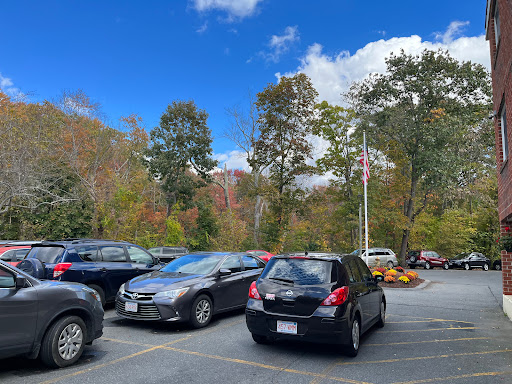
 Transportation & parking
 24-hour call system
 Activities of daily living assistance
 Assistance with bathing
 Assistance with dressing
 Assistance with transfers
 Diabetes diet
 Hospice care
 Meal preparation and service
 Medication management
 Mental wellness program
 Physical therapy
 Psychiatric care
 Special dietary restrictions
 Transportation arrangement (medical)
 English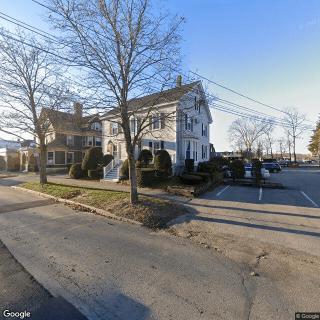
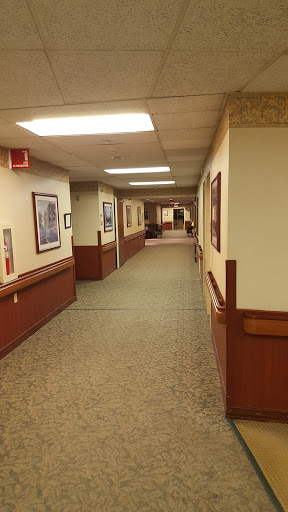
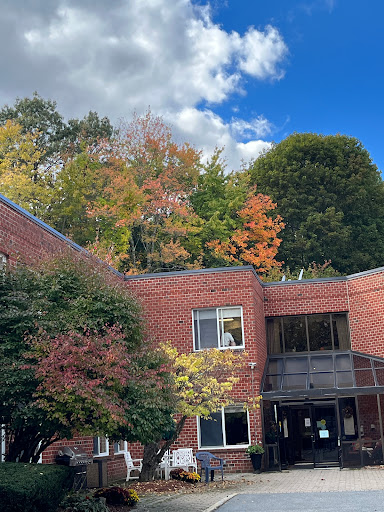
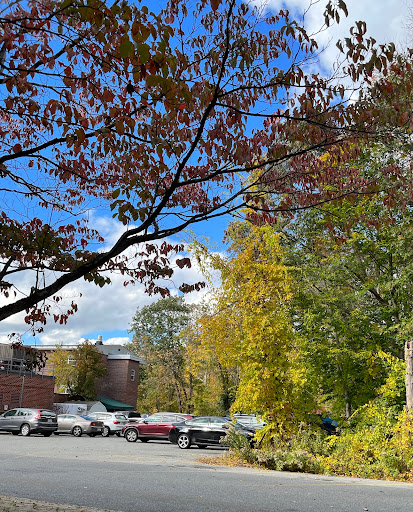
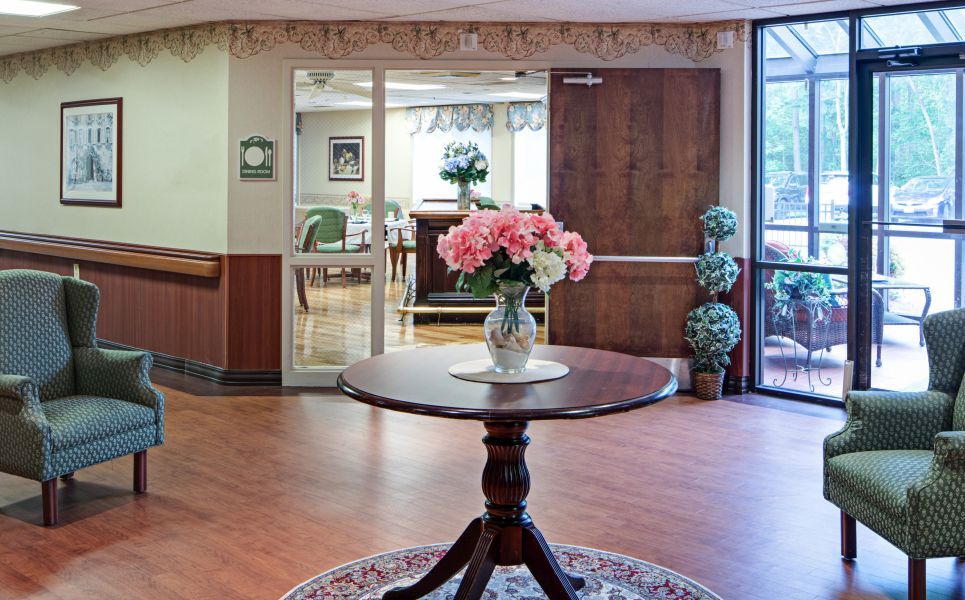
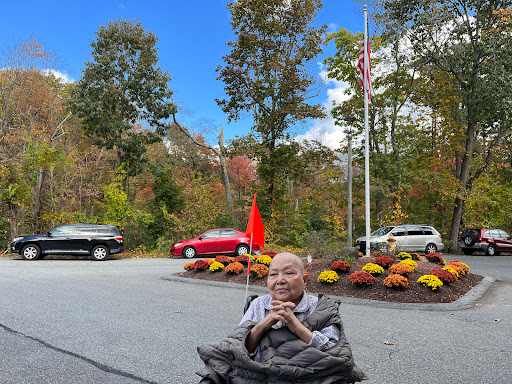
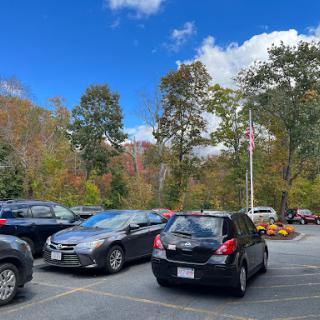
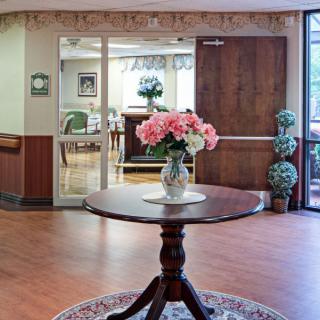
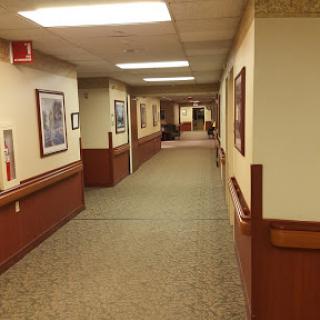
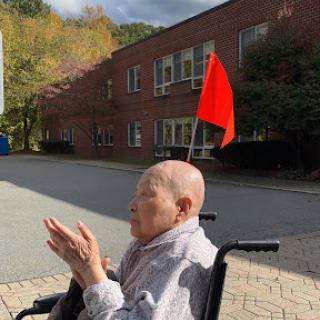
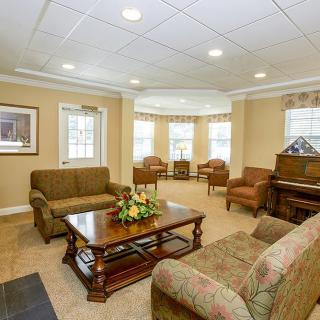
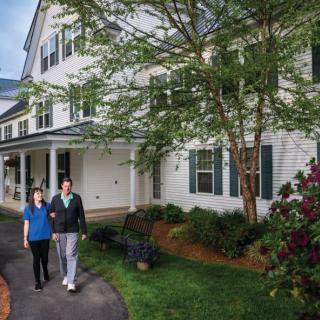
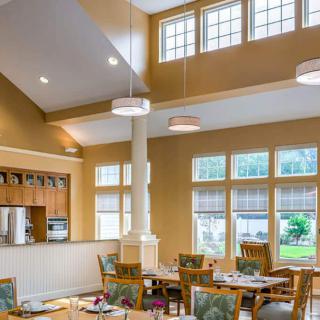
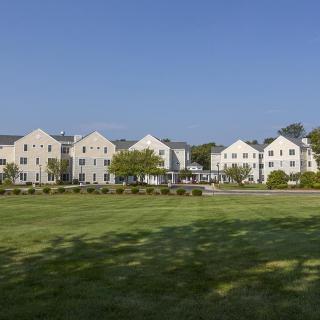
 Serene setting with easy access to healthcare, dining, and nearby amenities.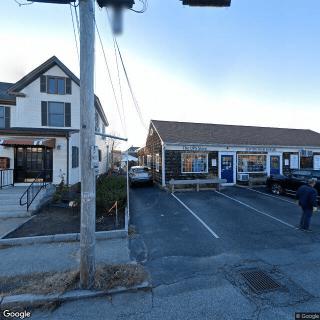


 Memory Care Pathways: A Holistic Guide to Dementia Support
 Comprehending Evening Confusion in Dementia: Causes, Manifestations, and Support
 Delirium and Dementia: Unraveling the Key Differences