For more information about senior living options: (866) 208-4318
4.4 from 47 reviews
5 stars
38
4 stars
2
3 stars
0
2 stars
1
1 stars
6
Lincoln Assisted Living Costs & Pricing
Lincoln Assisted Living offers competitive pricing for its services in comparison to both Montgomery County and the broader state of Maryland. For instance, the cost of a studio apartment at Lincoln is set at $3,500 per month, significantly lower than the county average of $5,542 and just under the state average of $4,656. Similarly, their semi-private rooms are priced at $3,500 as well, which is more economical than both the county's rate of $4,337 and the state's average of $3,545. For those seeking more spacious accommodations, Lincoln's 1-bedroom units are available for $4,500 - a price that is slightly above the county's average but still more affordable than the state's average. Lastly, private rooms at Lincoln are also priced at $4,500 monthly, which positions them favorably against Montgomery County's cost of $5,009 and remains competitive compared to Maryland's overall rate of $4,112. Overall, Lincoln Assisted Living presents an attractive option for residents seeking quality care without overstretching their financial resources.
Floor plans
Lincoln Assisted Living
Montgomery County
Maryland
Studio
$3,500
$5,542
$4,656
Semi-Private
$3,500
$4,337
$3,545
1 Bedroom
$4,500
$4,842
$3,904
Private
$4,500
$5,009
$4,112
Memory care communities with a similar price nearby
Residents and families describe care that adapts for dementia needs.
Several reviewers describe Alzheimer’s and related dementia needs, including a Lewy body dementia example. In those accounts, the staff are portrayed as responsive to changing care needs, with programming and support designed for different levels of cognitive ability. The community also positions memory care as part of its care approach.
common7 reviews mention this
Dining quality stands out
Dining quality is repeatedly described as a highlight.
Multiple reviews praise the food as excellent, wonderful, and a standout part of the experience. Residents and families also mention features tied to the dining experience, including an emphasized dining area and attention to meal preferences. One reviewer specifically describes dining support for a pureed diet and notes improvements after moving.
common11 reviews mention this
The community feels very clean
Cleanliness and upkeep are a frequent point of praise.
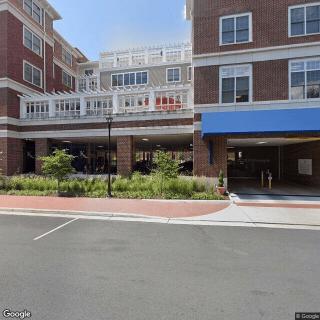
Reviewers repeatedly mention spotless conditions, no unpleasant odors, and a property that appears well maintained. Several also describe modern, bright spaces and attractive indoor and outdoor areas. A few accounts frame the overall environment as a major reason they felt comfortable during and after the move.
common30 reviews mention this
Staff responsiveness is widely noted
Residents and families describe caring, attentive support from staff.
Across many reviews, families describe staff as caring, attentive, and dedicated to resident well-being. Several accounts talk about hands-on help during move-in or transitions, including learning preferences and assisting with needs beyond day-to-day routines. Even when reviewers raise concerns about medical processes or management, other interactions still describe staff members as kind and helpful.
caveat4 reviews mention this
Some issues with operations
Operational problems come up in a handful of reviews.
A few reviewers report long-running elevator issues and express concerns about what that could mean for safety. Others describe frustration with management behavior or communication, including an example about scheduled meetings and TV access. One reviewer also raises a concern about medical care requiring too much red tape.
common2 reviews mention this
Pricing is described as competitive
At least some families describe the cost as competitive.
In the reviews, a couple of families compare the community’s pricing to other options they looked at and describe it as more competitive. Another reviewer characterizes the rooms as very reasonable. The listing also places pricing in a lower range than both county and state benchmarks across unit types.
How we summarize
Counts show how many written reviews mention each theme; a review can touch several themes, and only frequently mentioned themes are displayed.
Features
Types of Care
Board and Care Home
Memory Care
Amenities
Beautician on-site
Private
Transportation
Washington Dulles International (18 miles away)
Care Services
Ambulatory care
Diabetic care
Incontinence care
Medication management
Dining
Special dining programs
Nearby Places of Interest
This part of Germantown, Maryland offers convenient access to various amenities and services that cater to the needs of seniors. The close proximity to transportation options such as the Germantown MARC Station and rental car services like Hertz provides ease of mobility for getting around the area. There are also several reputable physicians and medical facilities nearby, including specialists in cardiology and allergy and asthma care. In terms of dining options, there are familiar chain restaurants like Wendy's and IHOP along with cafes such as Starbucks for leisurely meals or coffee outings. Additionally, residents can enjoy recreational activities at nearby parks like South Germantown Recreational Park and Black Hill Regional Park or catch a movie at AMC DINE-IN Rio Cinemas 18. Overall, this area offers a well-rounded mix of conveniences, healthcare services, dining options, and entertainment venues for seniors looking to settle down in Germantown.
Transportation
Germantown MARC Station (0.4 miles)
Nextcar Gaithersburg South (2.9 miles)
Shady Grove Metro Station (6.5 miles)
Rockville Metro Station (8.7 miles)
Hertz Rent A Car (10.1 miles)
Twinbrook Metro Station (10.8 miles)
Physicians
David L. Yeh, MD (0.6 miles)
Cardiac Associates PC (0.9 miles)
Medical Access (0.9 miles)
Doctors First P.C-Rakesh Malik MD (0.9 miles)
Leon Kao, M.D. Germantown Allergy And Asthma (1.7 miles)
Chesapeakeurology (1.7 miles)
Tibor E Frekko (3.3 miles)
Restaurants
Wendy's (0.9 miles)
McDonald's (0.9 miles)
Taco Bell (1 miles)
Chick-Fil-A (1.1 miles)
IHOP (1.1 miles)
Burger King (2.1 miles)
Bruster's Ice Cream (2.6 miles)
Pharmacies
Walgreens (1 miles)
CVS Pharmacy (1.9 miles)
Wegmans (2.3 miles)
Walgreens (3.1 miles)
CVS Pharmacy (3.4 miles)
CVS Pharmacy (3.4 miles)
CVS Pharmacy (3.5 miles)
Hospitals
Holy Cross Germantown Hospital (1.7 miles)
Adventist HealthCare Shady Grove Medical Center (6.1 miles)
Lincoln Assisted Living offers competitive pricing for its services in comparison to both Montgomery County and the broader state of Maryland. For instance, the cost of a studio apartment at Lincoln is set at $3,500 per month, significantly lower than the county average of $5,542 and just under the state average of $4,656. Similarly, their semi-private rooms are priced at $3,500 as well, which is more economical than both the county's rate of $4,337 and the state's average of $3,545. For those seeking more spacious accommodations, Lincoln's 1-bedroom units are available for $4,500 - a price that is slightly above the county's average but still more affordable than the state's average. Lastly, private rooms at Lincoln are also priced at $4,500 monthly, which positions them favorably against Montgomery County's cost of $5,009 and remains competitive compared to Maryland's overall rate of $4,112. Overall, Lincoln Assisted Living presents an attractive option for residents seeking quality care without overstretching their financial resources.
Medication management at Lincoln Assisted Living ensures that residents receive their medications on time and in the correct dosages, which is crucial for maintaining overall health and managing symptoms of dementia or Alzheimer's disease. This structured approach minimizes the risk of missed doses or medication errors, thereby enhancing residents' cognitive function and well-being. Incontinence care is equally vital, as it addresses a common challenge faced by individuals with memory impairments. By providing compassionate assistance with personal hygiene needs, residents can experience improved comfort and dignity, reducing anxiety and promoting a sense of security in their environment. Together, these features create a supportive atmosphere that fosters both physical health and emotional stability for those living with memory-related conditions.
Nearby Communities
Cherished Hands Home Health
Germantown, MD
5 from 100 reviews
Personalized care prioritizing independence with convenient access to surrounding amenities and healthcare.
M & A's Place
Germantown, MD
3.5 from 19 reviews
Family-like care with attentive, responsive staff and a clean environment.
Asheir Manor
Germantown, MD
4.8 from 10 reviews
$5,000 to $6,000 / month
Beautiful, home-like setting with private rooms, attentive staff, and engaging activities.
Time To Share
Germantown, MD
Excellent access to healthcare, dining, and social amenities nearby.
Abassiye Community Services
Germantown, MD
4 from 2 reviews
Comprehensive care and amenities (ADL support, meals, medical transport, housekeeping, activities) with diabetes-friendly options.
Warm Heart Family
Germantown, MD
5 from 2 reviews
Engaging activities and on-site/off-site devotional services; comprehensive care options.
Churchill Senior Living
Germantown, MD
4.1 from 34 reviews
$828 to $1,195 / month
Welcoming, well-maintained community with spacious 1- and 2-bedroom apartments and a variety of on-site activities.
Sunrise at Montgomery Village
Montgomery Village, MD
4.4 from 126 reviews
$2,962 to $6,270 / month
Knowledgeable, caring staff with a welcoming atmosphere, good dining, and engaging activities.
Wilson Health Care Center
Gaithersburg, MD
3.9 from 79 reviews
Caring staff and a comfortable, socially active environment.
Dementia encompasses progressive neurological disorders that impair cognitive functions and can lead to paranoia due to cognitive decline and emotional changes. The article discusses the triggers of paranoia in dementia, caregiver strategies for managing it, and the importance of distinguishing between dementia-related paranoia and other psychiatric conditions.
Memory care activities are essential for improving the quality of life of seniors with cognitive impairments, as they stimulate cognitive function, promote well-being, and encourage social interaction through tailored strategies. These activities combine structured exercises with spontaneous tasks, sensory engagement, physical workouts, creative pursuits, and intergenerational interactions to enhance emotional connection and a sense of purpose.
Transitioning from assisted living to memory care is driven by an individual's cognitive decline and specific needs, requiring careful evaluation of indicators like increased confusion and wandering. The process involves consulting medical professionals, researching suitable communities, considering financial and legal aspects, and ensuring effective communication for personalized care plans.
Get PricingAsk A QuestionSchedule A TourContact Senior Advisor
By clicking submit, you agree to our Partner's Terms of Use. You
also consent to receive calls and texts, which may be autodialed, from our Partner. Your consent is not a condition to
using our Partner's service. Please visit our Partner's Privacy Policy for information about their privacy practices.


 Board and Care Home
 Memory Care
 Beautician on-site
 Private
 Washington Dulles International (18 miles away)
 Ambulatory care
 Diabetic care
 Incontinence care
 Medication management
 Special dining programs
 Personalized care prioritizing independence with convenient access to surrounding amenities and healthcare.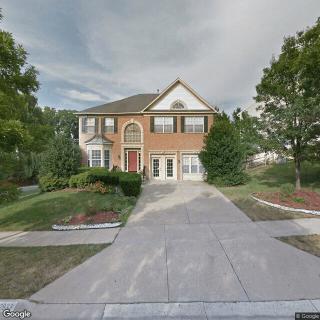

 Dementia, Paranoia, and Caregiver Guidance: Understanding the Connection
 Engaging Memory Care Activities That Enhance Quality of Life
 When to Transition from Assisted Living to Memory Care: Key Indicators, Steps, and Finding the Right Community