
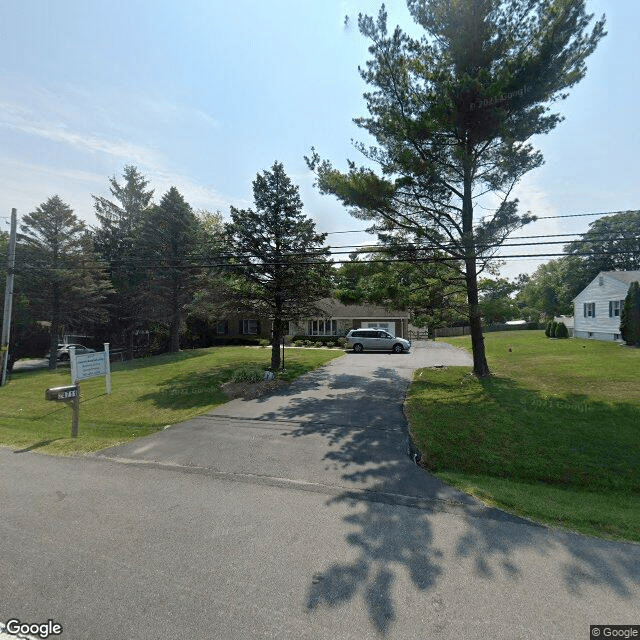
24711 Ridge Rd, Damascus, MD 20872
To contact a resident: (301) 651-3225
For more information about senior living options: (866) 208-4318
Emerald Assisted Living Costs & Pricing
Emerald Assisted Living offers competitive pricing for its residents, with a standard monthly rate of $4,000 for all room types including 1-bedroom, private, and semi-private accommodations. This aligns favorably with the average costs in Montgomery County, where similar facilities charge approximately $4,842 for 1-bedroom units and about $5,009 for private rooms. In comparison to the broader state landscape in Maryland, where the costs are generally higher - $3,904 for 1-bedrooms and up to $4,112 for private options - Emerald Assisted Living presents a cost-effective choice without compromising on quality care. Notably, the semi-private rate also stands at an attractive $4,000 compared to Montgomery County's average of $4,337 and Maryland's lower figure of $3,545. This pricing structure reflects Emerald's commitment to providing accessible assisted living solutions while maintaining high standards of service.
| Floor plans | Emerald Assisted Living | Montgomery County | Maryland |
|---|---|---|---|
| 1 Bedroom | $4,000 | $4,842 | $3,904 |
| Private | $4,000 | $5,009 | $4,112 |
| Semi-Private | $4,000 | $4,337 | $3,545 |
Memory care communities with a similar price nearby
-
About the same

Catherine's House
$4,000 / month3.5 miles away -
from +$500 / mo
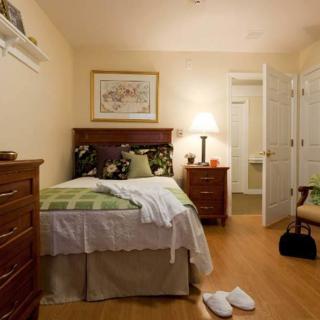
Olney Memory Care
$4,500 / month11.9 miles away -
About the same
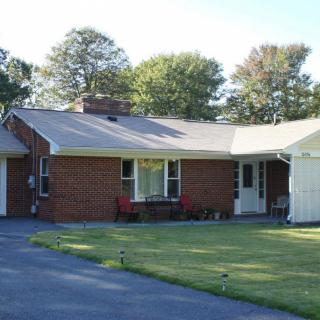
Montgomery Eldercare I
$4,000 to $5,900 / month16.2 miles away -
from -$200 / mo

Montgomery Eldercare II
$3,800 to $5,000 / month17.5 miles away -
from -$200 / mo
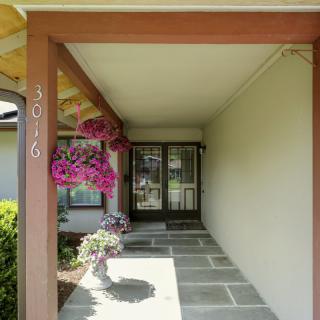
Caring Well at Aquarius
$3,800 to $5,000 / month14.0 miles away
Overall Review of Emerald Assisted Living
Pros
 Emerald Assisted Living has been described as fantastic, helpful, warm, and healing for residents.
- The staff are wonderful from day one and keep families well informed.
- The meals are excellent, with strong appreciation for dietary accommodations for diabetics.
- The hospice services connected to Emerald Assisted Living are outstanding.
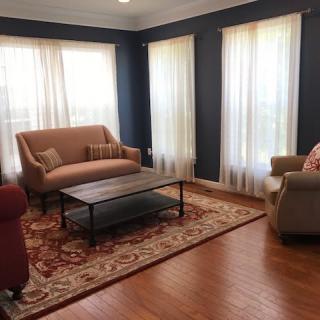
- The facility is clean, comfortable, and homey, offering a reassuring environment for residents.
- Caregivers are loving, devoted, and treat residents with respect and dignity.
- Families feel that Emerald Assisted Living provides a safe and caring place for loved ones.
- The community is regarded as trustworthy and supportive, delivering high-quality, compassionate care.
Cons
 There was a lot of primary caregiver turnover.
- The residents generally just sat and watched TV all day.
- There was no walking or chair aerobics.
- There was no mental stimulation like puzzles or card games.
- The meals were good, but not tailored for diabetics.
- The house was on a main road, small and dark, and did not smell clean upon initial entrance, making it feel like the wrong place for the mother.
- At first, they did not seem able to provide food according to his diabetic needs.
Review
Emerald Assisted Living in Damascus is best suited for families seeking a small, home-like setting where a loved one can receive intimate, hands-on care, particularly for dementia or hospice needs. The house-hospitality model, a single-family home vibe with consistently warm, attentive staff, appeals to families who prize daily kindness, safety, and dignity over the polish of a larger facility. Communication with families is a clear strength, and the environment tends to feel settling rather than clinical. For caregivers who value a sense of belonging and familiar routines, this community often becomes a reassuring, steady place where a relative can settle in with minimal disruption.
That said, some families should consider alternatives if their loved one requires more structured daily programming or a higher level of physical activity. The community tends to lean toward a relaxed pace, with residents frequently sitting and watching TV, and there is a notable absence of organized exercise or mental-stimulation activities such as puzzles or games. Dietary needs, especially for diabetics, have at times required attention and adjustment, signaling that while meals are solid, medical nutrition support may not be fully turnkey from day one. The move-in experience is described as acceptable rather than exceptional, and a few families harbor concerns about initial impressions related to the home’s setting on a main road or a perceived lack of immediate cleanliness signals.
The strongest positives center on genuine caregiving warmth and dependable communication. Staff members are described as compassionate and capable, with dementia care handled by teams that understand how to de-escalate stress and preserve dignity. Families repeatedly note that loved ones are treated like family, with caregivers who stay connected with relatives and who provide a sense of continuity, even as life circumstances change. Hospice partnerships are highlighted as a notable strength, ensuring a smoother end-of-life experience and aligned care goals. In practical terms, this translates to peaceful transitions, attentive bedside care, and the reassurance that a difficult period is managed with respect and empathy.
Where the model is most tested is in the breadth of daily programming and the consistency of staff scheduling. The footprint of care is intimate, which is a strength for personalized attention but also a potential challenge if caregiver turnover rises or if long-term coverage shifts weeks at a time. Despite occasional limits on activities, the overarching narrative is that the care quality remains high, and the ability to tailor care to individual needs, especially around hospice and comfort, often offsets the desire for a richer activity calendar. The financial and geographic practicality, price and proximity to family, are recurring positives that reduce the stress of regular visits and coordinate well with extended family involvement.
For families weighing the decision, two practical questions crystallize the path forward: who will be the primary caregiver on any given shift and how will dietary restrictions be managed day-to-day? Prospective residents should request clarity on staffing patterns, ask to meet the direct caregivers who will be responsible for daily routines, and verify a plan for diabetic meals that aligns with medical guidance. It is also wise to explore whether an activities plan can be tailored to individual preferences and cognitive ability, ensuring that the missing elements aren’t simply accepted as the norm but rather addressed with concrete programming or community volunteer engagement.
In the end, Emerald Assisted Living stands as a thoughtful, dependable option for families seeking a warm, intimate setting in which compassionate caregivers treat residents with dignity and respect. It excels for seniors who need steady, high-quality custodial care, strong family communication, and a hospice-capable environment, all within a home-like atmosphere and at a reasonable cost. Those who prioritize robust daily activity schedules, aggressive rehabilitation programming, or a highly polished institutional feel may want to compare alternatives with more formal programming and structured engagement. For dementia care, end-of-life comfort, and the reassurance of consistent, loving hands, Emerald delivers convincingly, and that makes it a compelling choice for nearby families who can align expectations with the community’s intimate pace.
 5 resident community capacity
 Assisted Living
 Board and Care Home
 Memory Care
 Cats allowed
 Dogs allowed
 Activities off-site
 Beautician on-site
 Cable or satellite TV
 Devotional services on-site
 Dining room
 Fully furnished
 Garden
 Housekeeping services
 Indoor common areas
 Move-in coordination
 Outdoor common areas
 Private
 Respite or short term stays offered
 Telephone
 Wheelchair accessible showers
 Wi-Fi/high-speed internet available
 24-hour supervision
 Assistance with bathing
 Assistance with dressing
 Assistance with transfers
 Diabetes diet
 Diabetic care
 High acuity care
 Incontinence care
 Meal preparation and service
 Medication management
 Special dietary restrictions
 Transportation arrangement (medical)
 Transportation to doctors appointments



 When Dementia Sparks Anger and Aggression: Understanding the Connection and Ways to Cope
 Dementia Behaviors: In-Depth Understanding and Effective Coping Strategies
 5 Early Indicators of Dementia and What You Can Do