
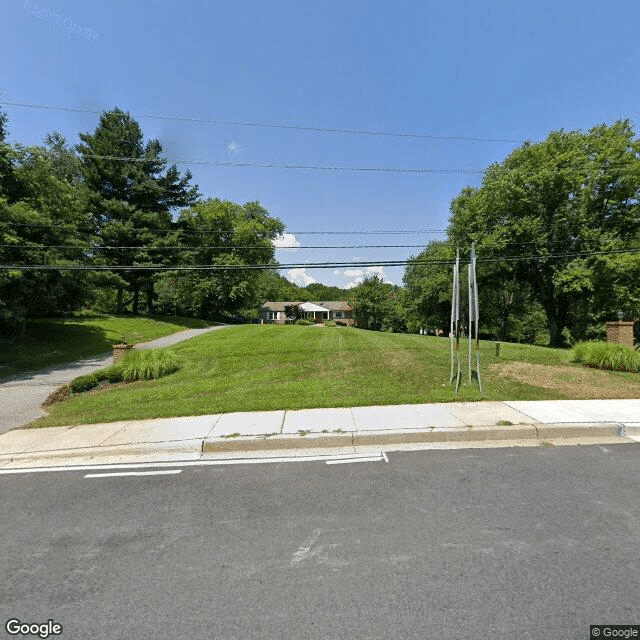
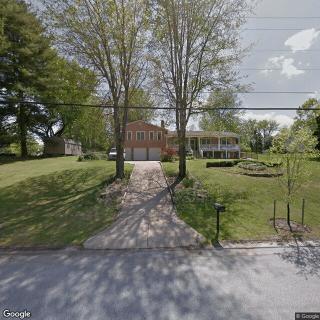
6636 Cedar Lane, Columbia, MD 21044
To contact a resident: (240) 876-7443
For more information about senior living options: (866) 208-4318
Aastoria II Costs & Pricing
Aastoria II offers competitive monthly pricing compared to both Howard County and the broader state of Maryland. For instance, the cost of a semi-private room at Aastoria II is $2,500, significantly lower than the averages in Howard County ($3,865) and Maryland as a whole ($3,545). Similarly, residents opting for a one-bedroom unit will find Aastoria II's rate of $3,500 to be more economical than both local ($3,818) and state averages ($3,904). Additionally, for those seeking privacy with a private room, Aastoria II maintains its affordability at $3,500 while comparable facilities in Howard County and across Maryland hover around $4,003 and $4,112 respectively. Overall, Aastoria II presents attractive financial advantages for potential residents looking for quality living arrangements without straining their budgets.
| Floor plans | Aastoria II | Howard County | Maryland |
|---|---|---|---|
| Semi-Private | $2,500 | $3,865 | $3,545 |
| 1 Bedroom | $3,500 | $3,818 | $3,904 |
| Private | $3,500 | $4,003 | $4,112 |
Memory care communities with a similar price nearby
-
About the same
Amazing Grace Senior Care
$2,500 to $3,000 / month17.8 miles away -
About the same
Ovalstone Comfort Home
$2,470 to $3,300 / month16.1 miles away -
from -$100 / mo

HMG Assisted Living Home
$2,400 to $4,750 / month20.1 miles away -
About the same

Rose's Place
$2,500 to $3,500 / month22.5 miles away -
from +$462 / mo
Sunrise at Montgomery Village
$2,962 to $6,270 / month16.6 miles away
Overall Review of Aastoria II
Pros
 The contact was very friendly and inviting and provided detailed information about the services offered.
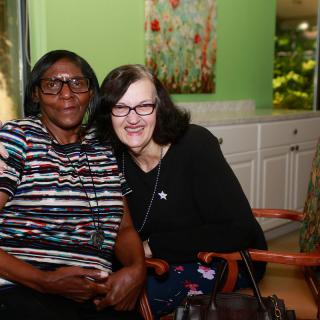
- The residents interacted with her in a friendly, personable manner.
- The Thunder Hill location was considered more suitable for her mother.
- Aastoria II accommodated shorter stays and delivered good care.
Cons
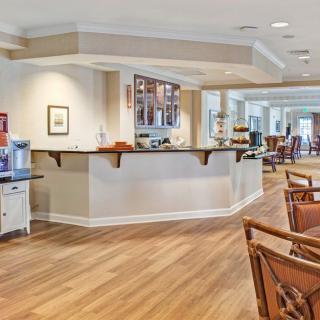
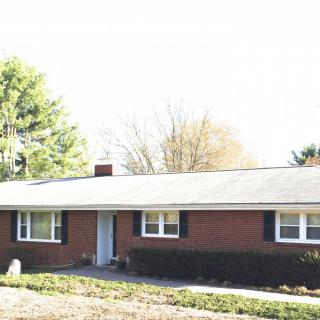
 The Cedar Lane layout was not liked, due to a small common area and steps.
- The reviewers had trouble finding respite care that accepted stays shorter than a month.
Review
Aastoria II in Columbia, MD is best suited for families seeking practical, short-term respite care for a loved one who responds well to direct, approachable staff and a no-frills, service-focused environment. The standout factor is the welcoming, detail-oriented information provided by the initial contact, which helps families navigate options without feeling entangled in unknowns. The two-location footprint, Cedar Lane and the nearby Thunder Hill campus, offers a real deployment of options: if the Cedar Lane layout feels tight, the Thunder Hill site can deliver a calmer, more navigable daily rhythm. For seniors who want reliable care without blur and flash, this community delivers a workable, no-nonsense caregiving dynamic that keeps expectations grounded.
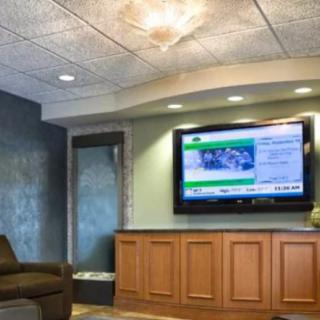
There is a clear caveat, however: the Cedar Lane address presents a smaller common area and steps that can hinder socialization and accessibility for some residents. Families who want a single, streamlined experience without the need to move between campuses may find the two-site model awkward and potentially disruptive to routines. While the Thunder Hill location mitigates the layout concern, it also adds a practical decision point: which site will host care, and how will meals, activities, and visits be coordinated across campuses? For those requiring longer-term, more intensive care or specialized services beyond the basics, this setting may fall short compared with communities that operate a single, more comprehensive campus.
On the upside, the human touch stands out. The contact’s friendliness and thorough briefing reduce the friction of evaluating options, and the observed resident-staff interactions read as genuine and neighborly, suggesting a caregiving culture that’s approachable rather than distant. The ability to accommodate respite stays shorter than a month is a tangible, real-world advantage for families testing care needs or seeking caregiver relief with minimal rigidity. Care that is described as good offers reassurance that the daily routines, medication administration, activities, and general supervision, will be competently handled without overpromising.
Care quality, when observed in context, aligns with the practical expectations for a respite-focused community. The Thunder Hill campus appears to deliver a more functional environment, addressing the Cedar Lane layout concern in a concrete way and signaling that staff can adapt the setting to comfort and safety. The overall impression is of a dependable operation, where caregiving competence is credible and responsiveness is accessible. It’s not a luxury setting, but it is a dependable one for families prioritizing reliable care with straightforward, human-centered operations.
Taken together, the strengths, clear, candid communication; a friendly caregiving tone; and flexible respite options, offset the drawbacks of a smaller common area and a multi-campus footprint for families who value practicality over upscale polish. The risk lies in potential inconsistency between sites, which can complicate routine planning if not anticipated. When properly managed, however, that risk remains modest and can be mitigated through proactive site selection and explicit scheduling. For families willing to navigate two campuses to access the better-fitting environment, the practical benefits can outweigh the friction.
Decision guidance: consider Aastoria II if the priority is flexible respite care with responsive, personable staff and the possibility to use the more suitable Thunder Hill location. Before committing, conduct thorough tours of both sites, confirm which campus will host the stay, and lay out daily routines to ensure meals, activities, and staff accessibility align with needs. If a single-campus experience with a larger common area and a fuller long-term care trajectory is essential, explore alternatives in the Columbia area that offer a cohesive environment and a broader service line. For families balancing logistics with dependable, no-nonsense care, Aastoria II provides real value, especially for those who prefer practicality over polish and can organize around a two-site model to access the best-fit setting.
 Board and Care Home
 Memory Care
 Dogs allowed
 Private
 Baltimore-Washington International (12 miles away)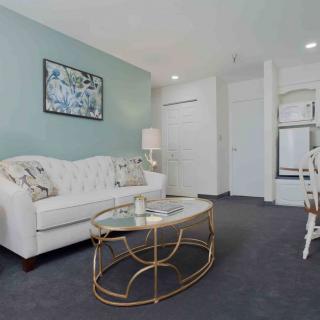

 A Thorough Discussion of Medications Potentially Linked to Dementia Risk
 Why Do Dementia Patients Sleep So Much? Understanding Oversleeping, Stages, and Care Approaches
 8 Key Indicators That Suggest It May Be Time to Transition from Assisted Living to Skilled Nursing Care