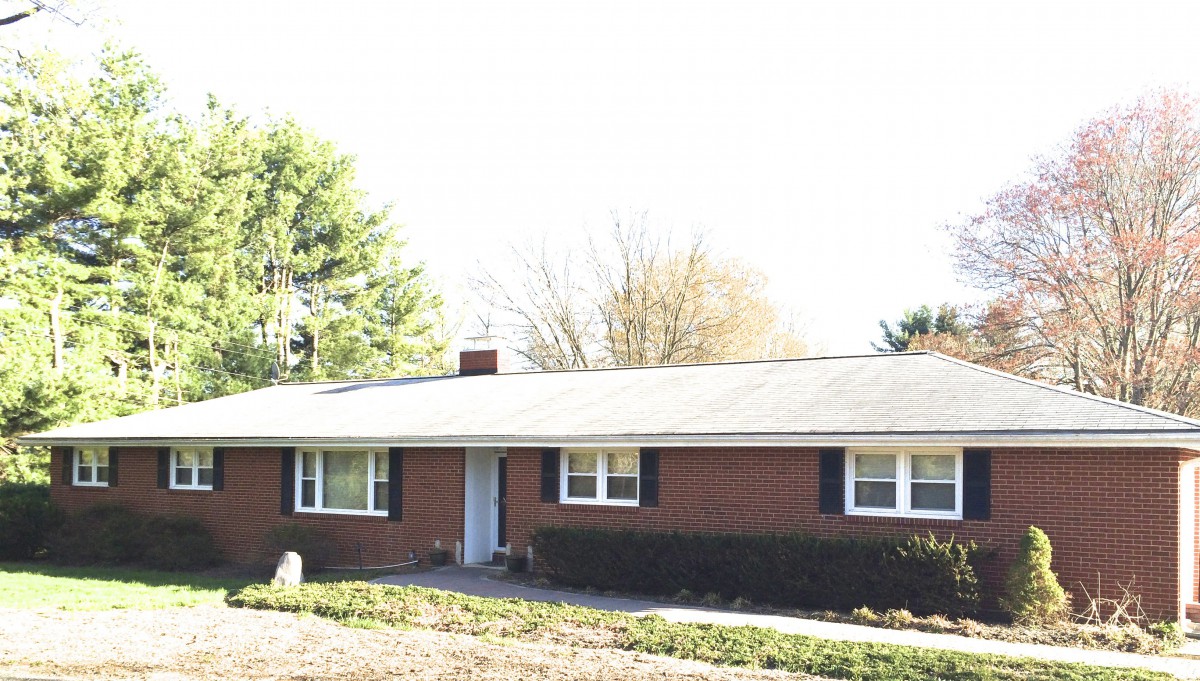
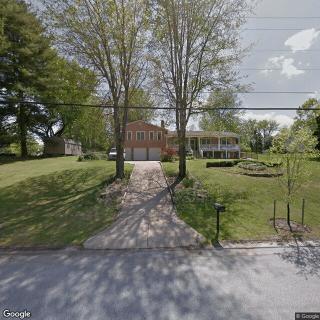
7246 Guilford Road, Clarksville, MD 21029
For more information about senior living options: (866) 208-4318
Clarksville Costs & Pricing
In Clarksville, the monthly rental costs for various room types demonstrate a competitive edge within both Howard County and the broader Maryland market. A one-bedroom apartment in Clarksville is priced at $3,500, which is slightly lower than Howard County's average of $3,818 and significantly more affordable compared to Maryland's state average of $3,904. Similarly, private rooms in Clarksville also reflect a favorable pricing structure at $3,500, undercutting Howard County's cost of $4,003 and Maryland's statewide figure of $4,112. This suggests that residents in Clarksville can enjoy quality housing options at a more accessible price point compared to their neighboring areas.
| Floor plans | Clarksville | Howard County | Maryland |
|---|---|---|---|
| 1 Bedroom | $3,500 | $3,818 | $3,904 |
| Private | $3,500 | $4,003 | $4,112 |
Memory care communities with a similar price nearby
-
from +$500 / mo

Catherine's House
$4,000 / month19.8 miles away -
from +$500 / mo
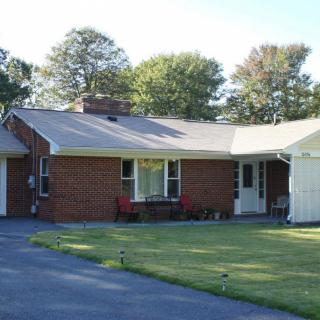
Montgomery Eldercare I
$4,000 to $5,900 / month7.7 miles away -
from +$300 / mo
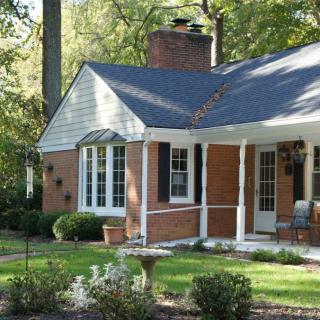
Montgomery Eldercare II
$3,800 to $5,000 / month8.5 miles away -
from +$300 / mo
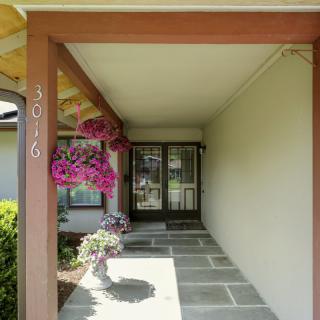
Caring Well at Aquarius
$3,800 to $5,000 / month10.2 miles away -
from -$500 / mo
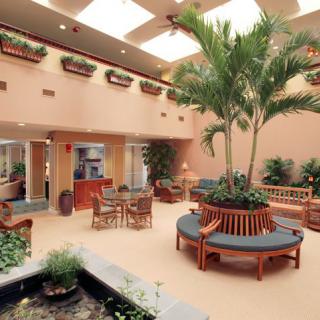
Residences at Vantage Point CCRC
$3,000 to $4,709 / month3.6 miles away
Overall Review of Clarksville
Pros
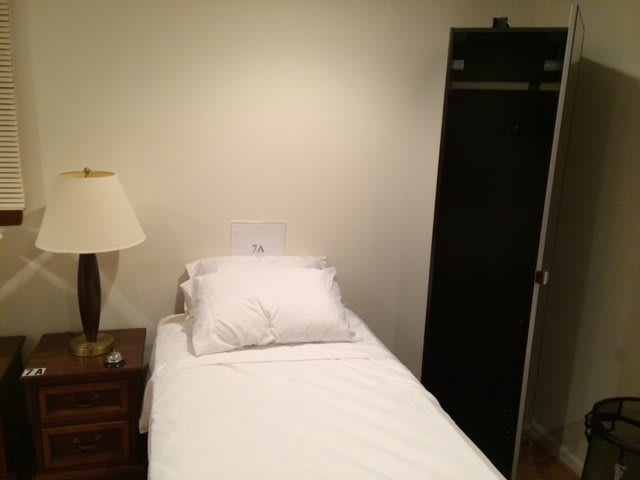
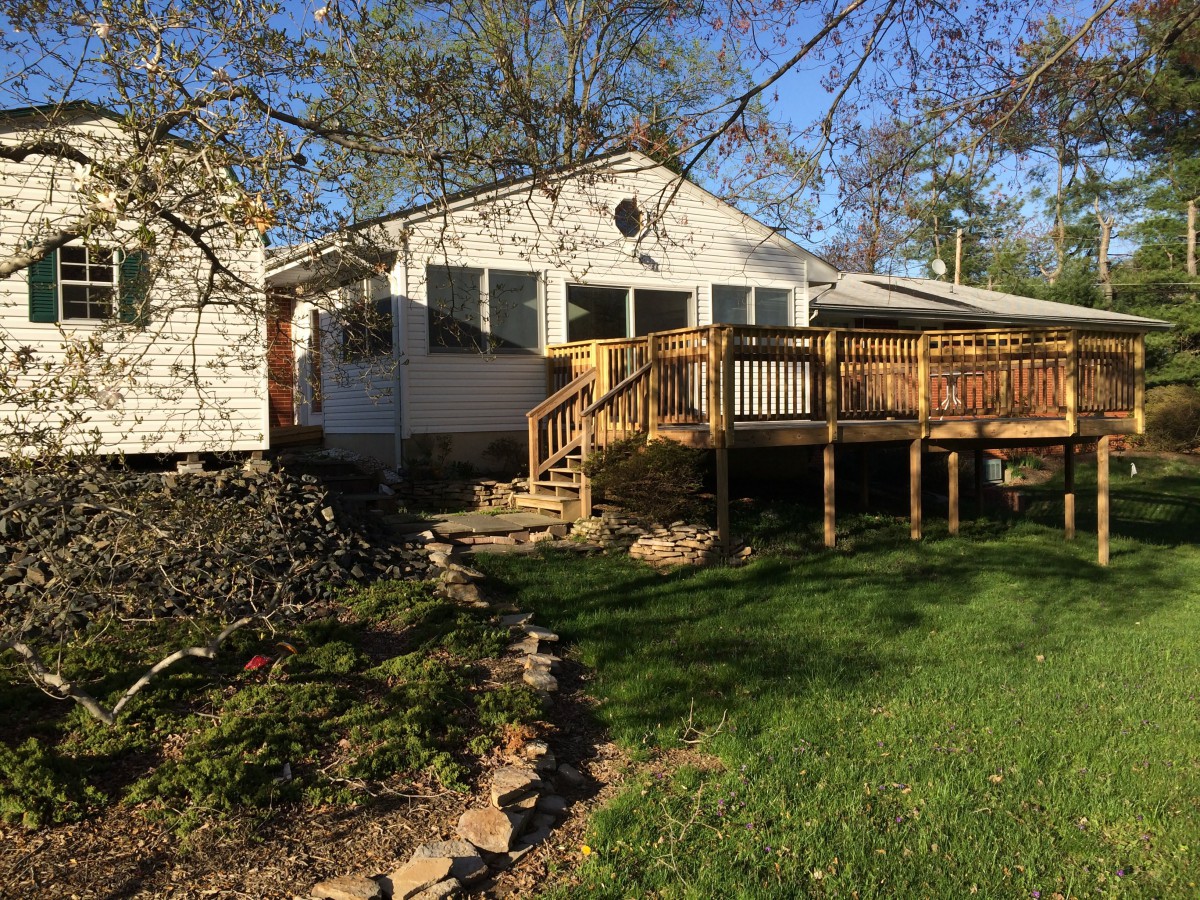
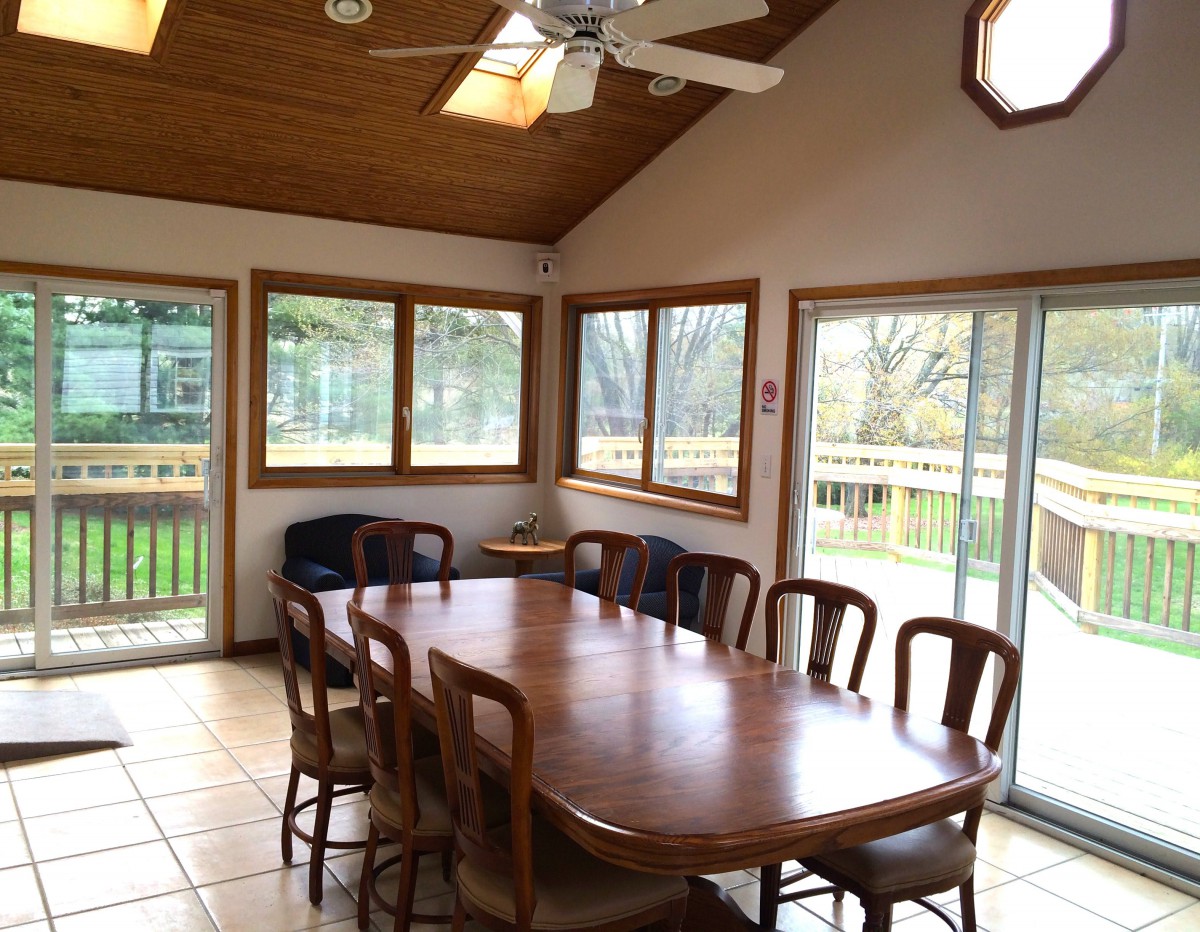
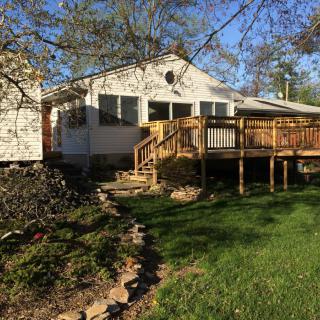
 The small community sits on beautiful grounds.
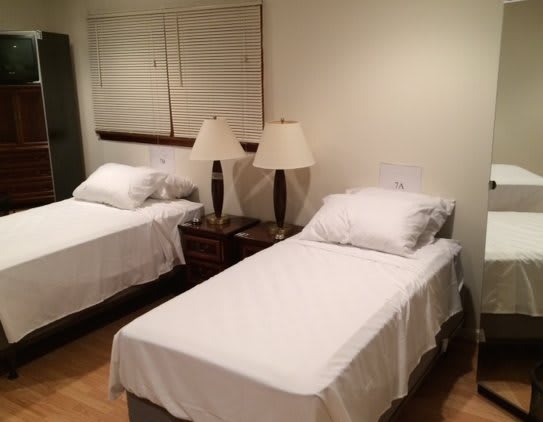
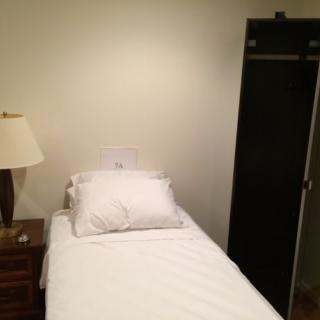
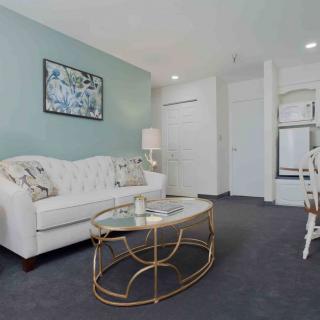
- The facility offers nicely sized bedrooms and ample space for guests.
- It is an excellent option for those seeking a smaller, more intimate residence.
- The staff is kind, professional, and attentive to residents.
- Residents are pleased with the meals.
- The staff is outstanding, with over 20 years of experience, keeping residents engaged daily.
- Clarksville Assisted Living is highly recommended for its caring atmosphere and accommodating staff.
Cons
 The residents share two common bathrooms, which is a drawback.
- The current residents have a greater age gap than the reviewer's mother.
Review
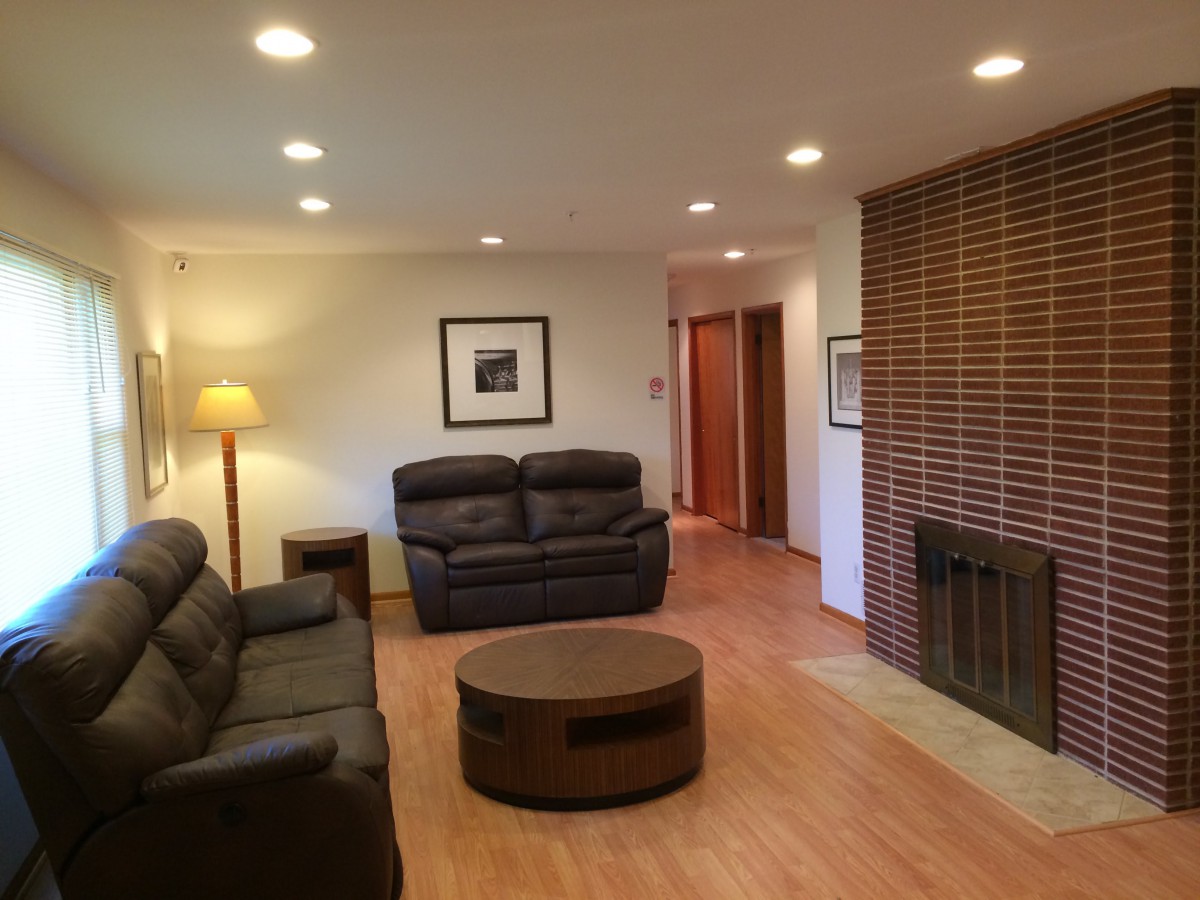
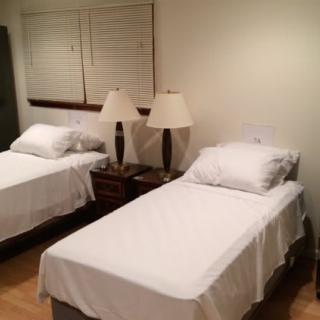
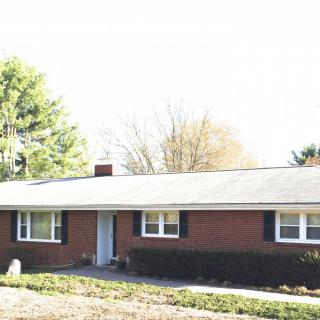
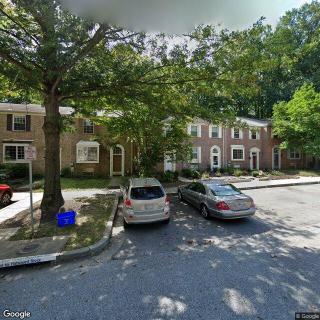
Clarksville Assisted Living in Clarksville, Maryland is best suited for families seeking a small, intimate setting where residents are known by name and staff can deliver personalized attention. The property presents a calm, well-manicured environment with generous bedrooms that make daytime visits and overnight stays practical. The community’s size matters: it feels residential rather than institutional, which tends to translate into more predictable routines and warmer, more approachable staff. For families prioritizing a home-like atmosphere over a campus feel, this is a compelling option where neighbors and caregivers build relationships rather than contend with anonymity.
Those who may want to consider alternatives include families prioritizing more robust social mixing or greater privacy, or residents who require fewer shared facilities. The layout includes two common bathrooms shared by residents, which can be a drawback for privacy or scheduling, especially for guests and families who expect convenience. Additionally, the age distribution among residents can skew older in a way that reduces opportunities for peer connections with younger or more physically active counterparts. In short, a resident with higher care needs or a desire for diverse social programming might find a larger community more suitable.
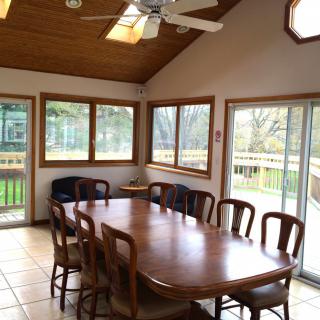
On the plus side, the staff repeatedly earns high marks for kindness, professionalism, and hands-on care. The team is described as experienced and consistently engaged, with more than two decades on the job that translates into meaningful daily activities and steady oversight. Families report that staff are accommodating to both residents and relatives, and that meals are satisfying. The facility itself is described as beautiful, with ample space for visiting family and friends. The combination of attentive caregivers, a pleasant atmosphere, and a calendar of engagement opportunities creates a sense of security and continuity that matters when a loved one transitions from home.
However, the practical realities of a smaller operation do show up as potential downsides. Shared bathrooms can affect privacy and ease of use, particularly for residents who value personal space or for families who want straightforward access to facilities during visits. The smaller, intimate setting may limit the breadth of activities and the chance to meet a broad cross-section of peers. For those seeking a higher volume of social opportunities, or a wider array of therapeutic amenities, this community may feel constrained compared to larger campuses with more diverse programs.
Nonetheless, the strengths tend to outweigh these concerns for the right resident. The strongest offset is the staff’s steadiness and the engaged daily programming that keeps residents from drifting into inactivity. The small size fosters close supervision and a homey dynamic that families consistently describe as comforting. The facility’s commendable hospitality extends to guests, with space that accommodates visitors, an important factor for families who want regular, meaningful contact. All told, the combination of care quality, staff experience, and a warm environment makes Clarksville a dependable choice for families prioritizing relationship-based care.
Decision-makers should match expectations to reality: this community shines for those who want an intimate, well-staffed setting with a homelike feel and ample guest access. It is less ideal for families seeking a highly social milieu, very private accommodations, or extensive on-site services that come with larger campuses. Prospective residents should visit to assess whether the resident mix aligns with personal preferences and to confirm that the meal program and engagement schedule meet expectations. If the priority is a larger community with broader social networks and more bathrooms, exploring other options alongside Clarksville will help identify the best fit.
 8 resident community capacity
 Assisted Living
 Board and Care Home
 Memory Care
 Activities on-site
 Bath tubs
 Cable or satellite TV
 Devotional services off-site
 Dining room
 Fully furnished
 Garden
 Housekeeping services
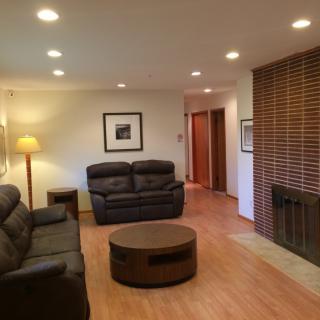
 Indoor common areas
 Move-in coordination
 Outdoor common areas
 Private
 Respite or short term stays offered
 Telephone
 Wheelchair accessible showers
 Wi-Fi/high-speed internet available
 Baltimore-Washington International (13 miles away)
 24-hour supervision
 Ambulatory care
 Assistance with bathing
 Assistance with dressing
 Assistance with transfers
 Diabetes diet
 Diabetic care
 High acuity care
 Incontinence care
 Meal preparation and service
 Medication management
 Special dietary restrictions
 Transportation arrangement (medical)
 Transportation to doctors appointments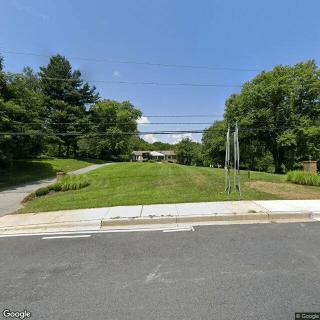


 Guiding Your Journey: Understanding Power of Attorney for Elderly Parents
 22 Remarkable Caregiver Support Groups Available Online and In-Person
 Understanding Medicaid Coverage for Assisted Living: A Comprehensive Guide