



6334 Cedar Lane, Columbia, MD 21044
For more information about senior living options: (866) 208-4318
Overall Review of Lorien Health Systems - Columbia
Pros
 The staff include caring, nice, and sweet members, with Kena highlighted as kind and responsive.
- The staff are generally good and keep family members informed.
- The facility is very clean.
- They offer activities for seniors, such as bingo, painting, and drawing.
- The physical therapists are excellent.
- The staff are pleasant and typically respond quickly to call lights.
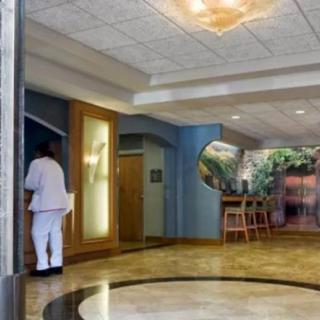
- The facility has a small store, a barber shop, and a salon for residents and visitors.
Cons
 The food is awful and often the same meal, such as a dried-out black bean burger, even for vegetarians.
- Some aides are condescending and impatient, which is demoralizing to residents and their families.
- There is no written schedule for physical or occupational therapy, making it impossible to know when therapists will arrive.
- Residents go days without showers, with showers now only twice per week.
- Calling for an aide or nurse usually results in a 30-minute-plus wait.
- Care is minimal and substandard; staff are described as begrudging with dirty linens and long waits.
- The facility is filthy, with urine smells, cold food, not turning patients as recommended, and soiled linens left in open trash.
Review
Lorien Columbia is best suited for seniors who need rehabilitation services and for families prepared to stay actively involved to oversee daily care. The emphasis on physical and occupational therapy means residents can experience real mobility gains when therapy schedules and expectations align. The setting also includes practical conveniences, an on-site cafe, barber shop, and a small store, and a generally clean environment that supports recovery. This is not a hands-off, luxury-style option; it is a rehab-forward environment where care quality can swing with staffing levels and supervisory oversight. Families comfortable with hands-on governance should consider this option.
Those who require reliable daily assistance, consistent showers, prompt responses, and dignified treatment should consider other communities. Recurrent reports of late or absent aides, long call-light delays, and inconsistencies in nursing and therapy care signal daily life that can feel unstable. For long-term care or memory care where safety, hygiene, and routine are non-negotiable, this campus may fall short. Potential residents with heightened sensitivity to odors, cleanliness, or food quality may want to compare other facilities where dining, housekeeping, and infection-control practices are more consistently prioritized.
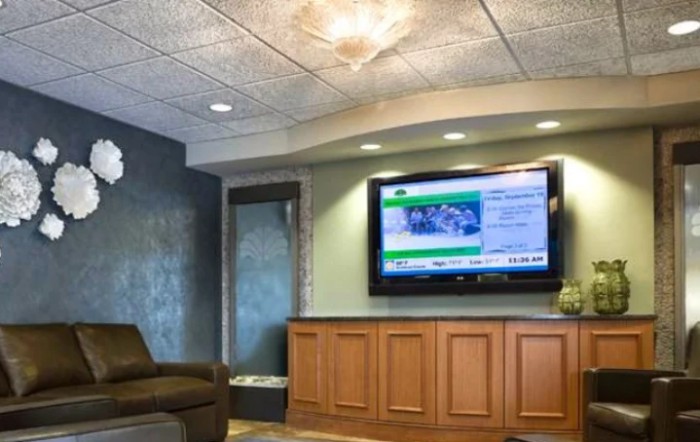
On the positive side, several reviewers highlight a rehab-focused staff that, when functioning well, delivers meaningful progress. Physical therapists and some therapists are described as capable, engaged, and able to drive tangible improvements in mobility. The facility’s public areas and common spaces are generally kept tidy, and amenities such as the cafe, barbershop, and salon help preserve dignity and social connection outside of the patient room. In bursts, staff can be responsive and communicative, with updates that help families stay informed. These strengths can partly offset the heavier drawbacks for residents prioritizing rehab outcomes over a perfectly seamless daily routine.
A further positive thread is the sense that, despite variability, the environment is not devoid of care when the right people are on shift. Several accounts describe pleasant, accommodating staff and a willingness to assist, which can make visits tolerable and occasionally reassuring. The presence of activity programming, while not universally robust, gives residents some structured options beyond solitary TV time. For families, the combination of therapy-driven structure, accessible on-site services, and the potential for honest updates can form the basis of a workable plan, so long as expectations are clearly defined and a proactive care partner remains engaged.
Yet the list of drawbacks is persistent and impactful: food quality is frequently criticized, with issues ranging from unappealing menus to meals arriving cold or repetitious. Hygiene and daily care can slip, with reports of missed showers, odors, and inconsistent room cleanliness. Call lights may go unanswered for extended periods, and staffing shortages contribute to a sense of being short-handed. Safety concerns, ranging from patient movement beyond expected boundaries to director-level notes of under-resourced staffing, appear in some reviews, underscoring the risk of decline without vigilant oversight. The absence of a stable, written daily schedule for therapy and activities further complicates planning and progress, demanding careful verification during tours and intake discussions.
Bottom line: Lorien Columbia can work for families who can actively supervise rehab plans, insist on punctual therapy, and demand consistent hygiene and respectful, timely care. For residents who require steady daily nursing, reliable meals, and a predictable routine, exploring alternatives is prudent. Prospective movers should require written policies on therapy scheduling, shower and hygiene protocols, call-light response targets, and current staffing levels; request conversations with the rehabilitation supervisor; and examine the latest survey findings and cleanliness records. If these assurances cannot be secured, it is wise to prioritize other local options that deliver steadier daily care, stronger kitchen quality, and a consistently calmer environment.
 205 resident community capacity
 Skilled Nursing Facility
 Air-conditioning
 Beauty salon
 Cable or satellite TV
 Computer center
 Dining room
 Fitness room
 Fully furnished
 Gaming room
 Garden
 Housekeeping services
 Kitchenette
 Move-in coordination
 Outdoor space
 Private bathrooms
 Restaurant-style dining
 Small library
 Telephone
 Wellness center
 Wi-Fi/high-speed internet available
 Baltimore-Washington International (12 miles away)
 Community operated transportation
 12-16 hour nursing
 24-hour call system
 Activities of daily living assistance
 Assistance with bathing
 Assistance with dressing
 Assistance with transfers
 Diabetes diet
 Medication management
 Mental wellness program
 Special dietary restrictions
 Concierge services
 Planned day trips







 Comprehensive Approaches for Arthritis: A Detailed Guide to Symptoms, Causes, and Care
 Comprehensive Insights and Practical Strategies to Help Older Adults Avoid Falls
 6 Crucial Ways an Elder Law Attorney Assists Families