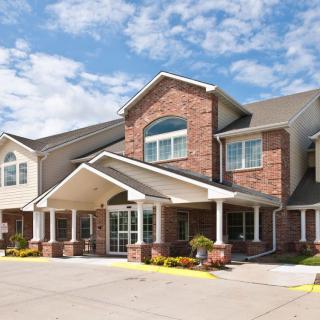
CountryHouse at Council Bluffs

Save

  • Interior

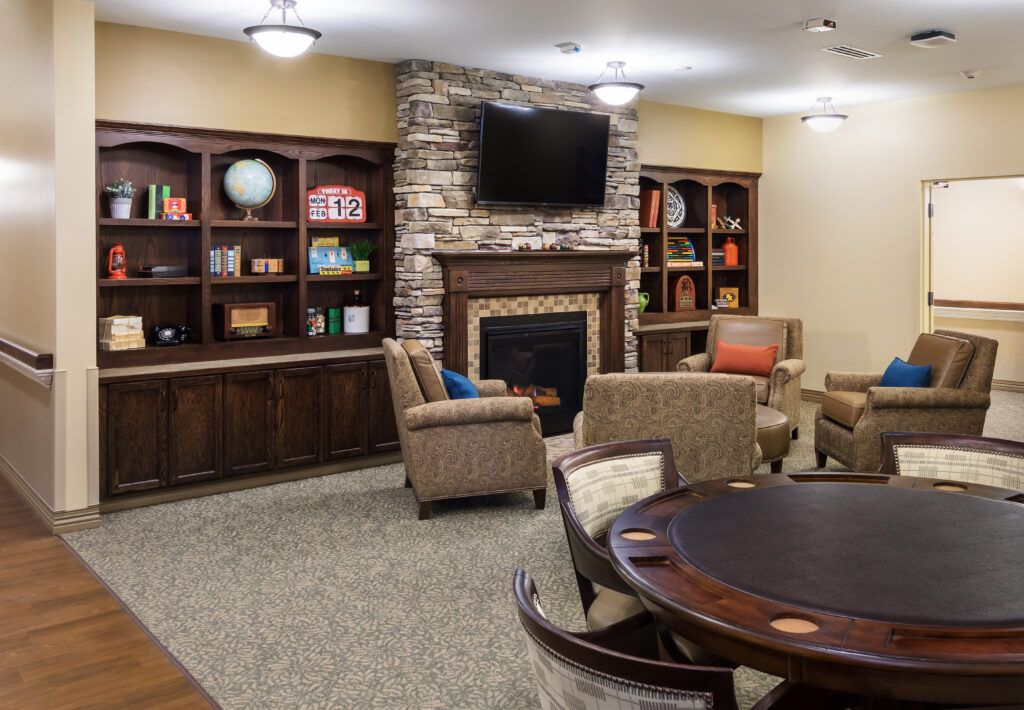
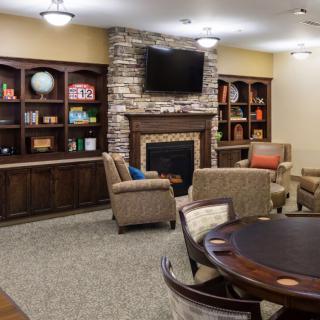
    A cozy living room with a fireplace, armchairs, and a television mounted above.
  • Decor

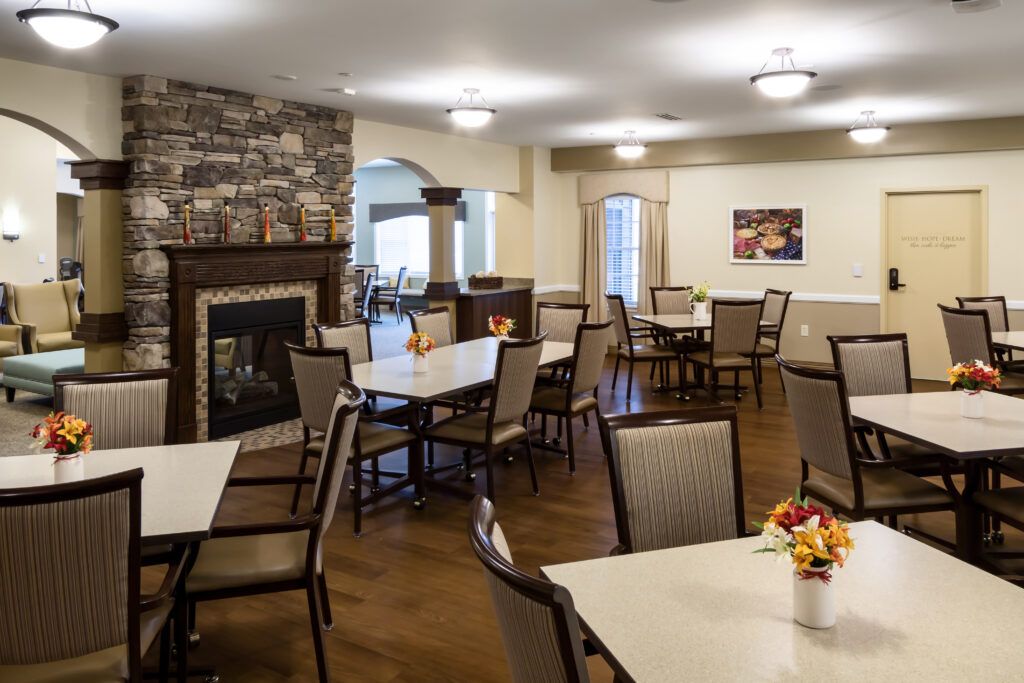
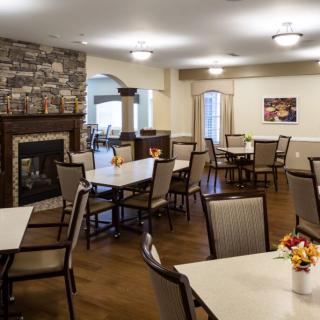
    An elegantly designed dining area featuring multiple tables and chairs, a cozy fireplace, and warm lighting.
  • Living Room

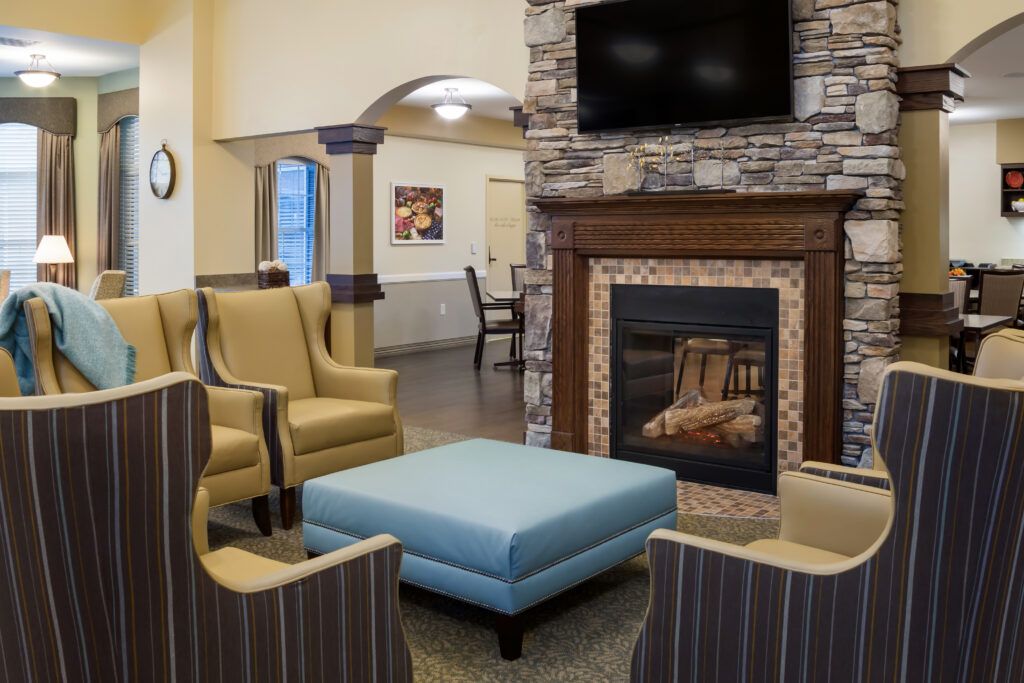
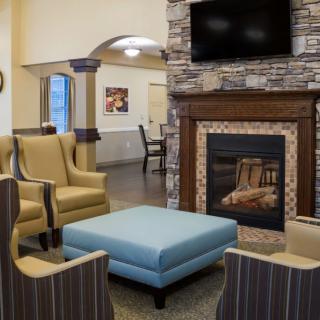
    Cozy living room with a stone fireplace and comfortable seating.
  • Windows

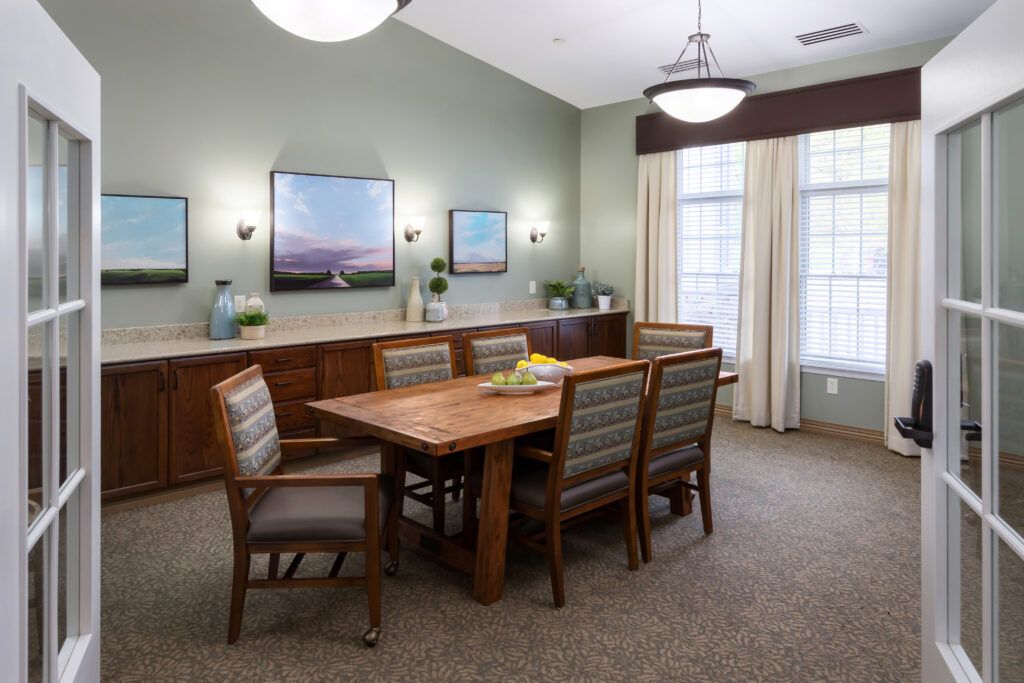
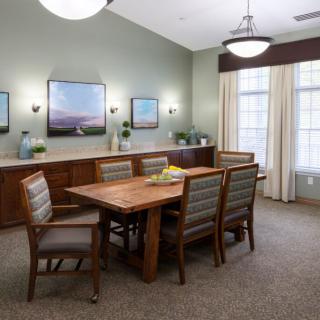
    A cozy dining room with a wooden table and six chairs, adorned with paintings and elegant lighting.
  • Kitchen

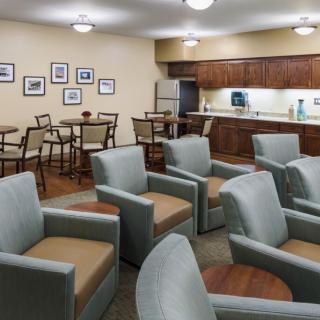
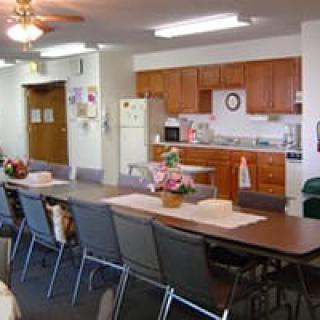
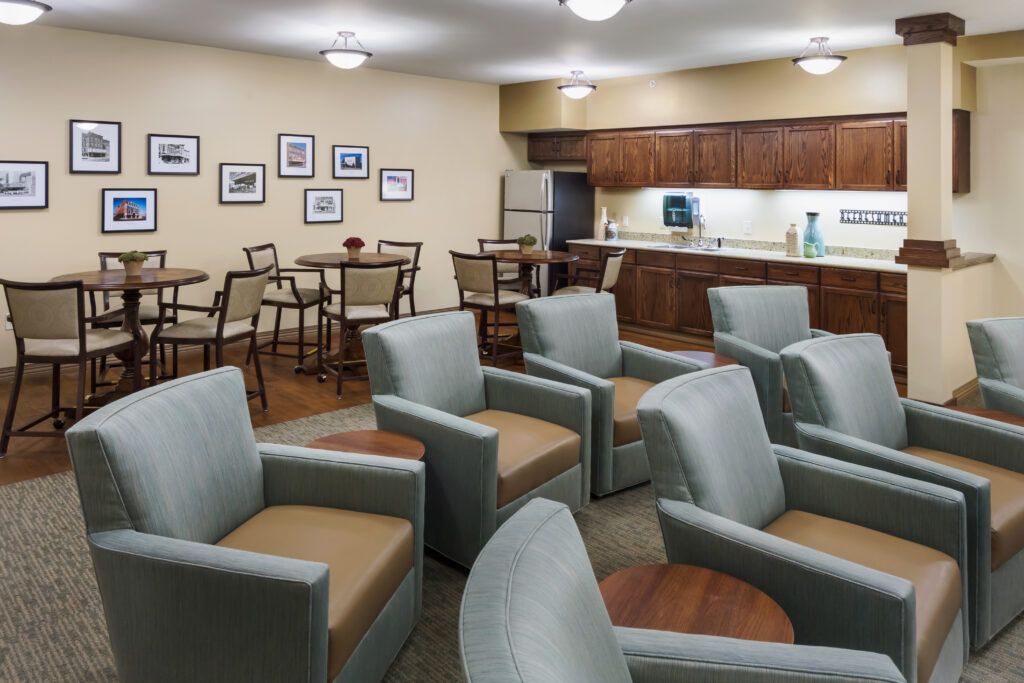
    A cozy lounge area with multiple chairs, tables, and a kitchen section in the background.
  • Seating Area

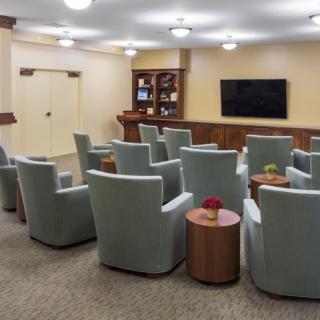
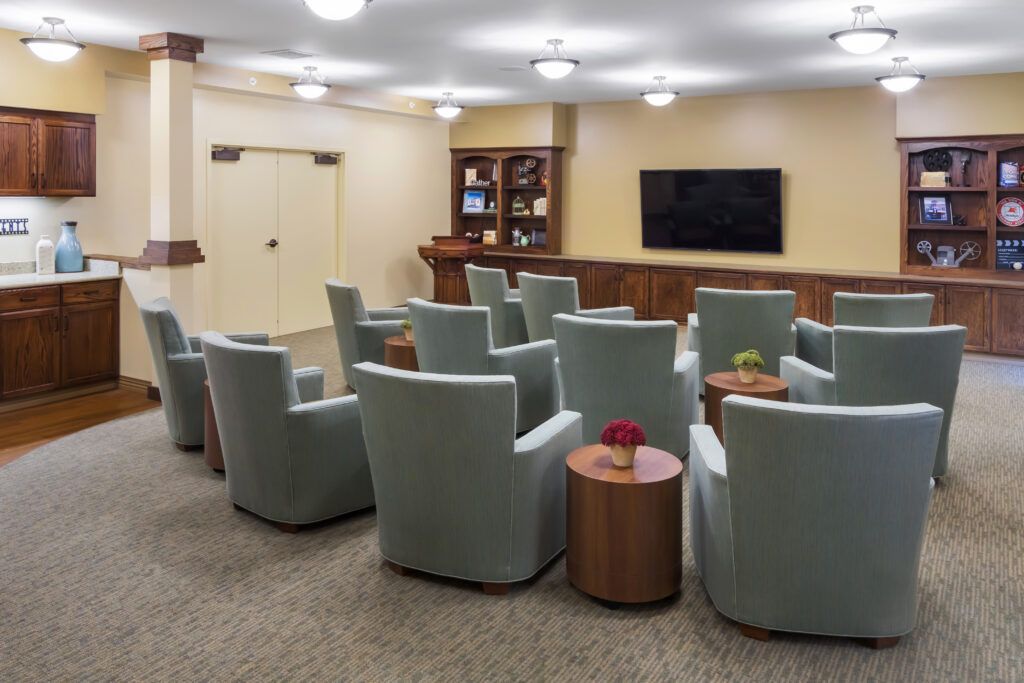
    A neatly arranged seating area with armchairs and a large television, suitable for meetings or presentations.
  • Salon

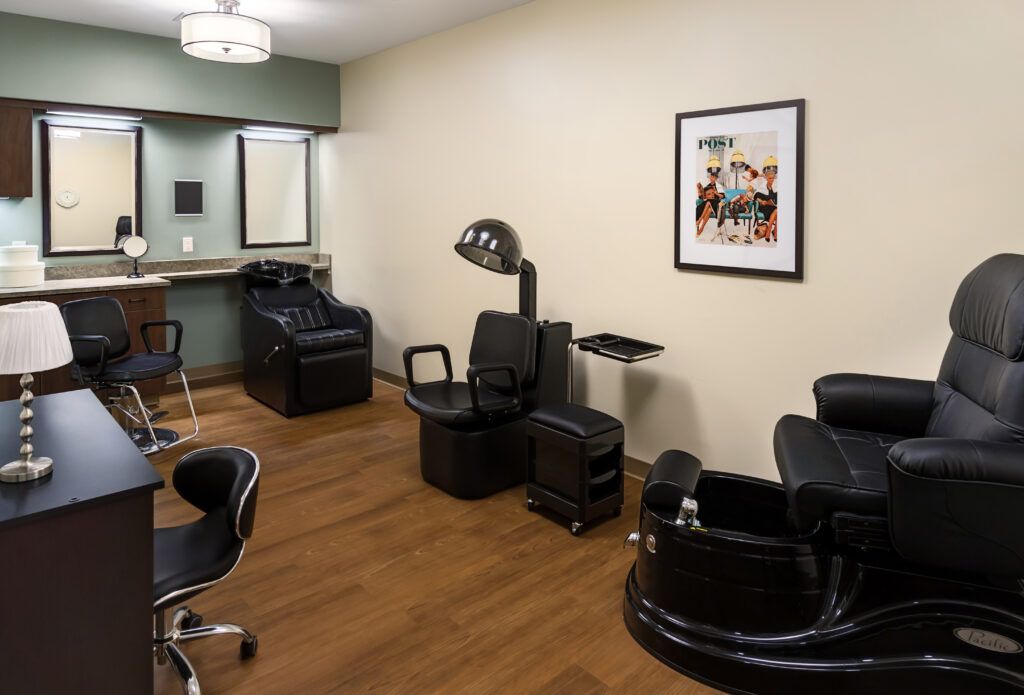
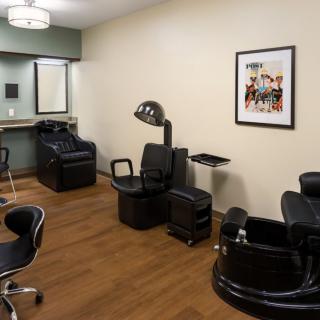
    A modern hair salon interior with chairs and styling equipment.

CountryHouse at Council Bluffs

1831 East Kanesville, Council Bluffs, IA 51503

For more information about senior living options: (844) 490-3973

4.1 from 25 reviews
5 stars
18
4 stars
1
3 stars
1
2 stars
0
1 stars
5

Memory Care

Overall Review of CountryHouse at Council Bluffs

Pros

  • pro The staff at Country House are genuinely caring and kind.
  • pro The meals are healthy, well-balanced, and accompanied by tasty desserts that residents look forward to.
  • pro The setting feels like a true home - warm, homey, and non?clinical.
  • pro A full schedule of activities keeps residents engaged from dawn to dusk.
  • pro The facility treats residents with dignity and welcomes families to be involved.
  • pro Memory care is delivered with personalized attention and compassion.
  • pro The care team maintains small nurse-to-patient ratios, ensuring individualized attention.
  • pro The environment is clean, safe, and comfortable, with residents free to move about the home.
  • pro Country House goes above and beyond to support families through events and ongoing care.
  • pro Residents often appear happy and engaged, enjoying activities like singing, dancing, and outings.
  • pro Staff communicate respectfully, listen to concerns, and work with families to address needs.
  • pro Country House is a trusted memory-care provider in the community with a positive reputation.

Cons

  • pro They describe Country House as unprofessional and extremely unethical.
  • pro They claim the staff are not properly trained to work with memory-care patients and log every incident to justify antipsychotic use.
  • pro They allege caregivers tried to drug their mother with antipsychotics to sedate her and neglect her.
  • pro They report medications were changed without medical orders and without family input, and that management was not transparent.
  • pro They say the facility is not a good place or corporation and advise looking elsewhere.
  • pro They note scheduling failures, missed meals, and poor sleep due to staff and management problems.
  • pro They accuse the facility of a high number of COVID-related deaths and question its handling of COVID policies.

Review

CountryHouse at Council Bluffs is best for families seeking a memory-care focused, intimate setting where dementia-specific needs drive daily life. The community's small scale translates into a home-like atmosphere, with staff who are repeatedly praised for warmth, attentiveness, and genuine affection. Residents benefit from a structure that feels less clinical and more like a supported home, with opportunities for daily activities, social engagement, and transportation to local outings. For families, the environment often means easier access to the facility, open visiting hours, and a sense that their loved one is known as an individual rather than a room number. Those prioritizing personalized care over row-by-row efficiency will find this setting compelling.

Those who should consider alternatives are primarily families focused on rigid medical oversight, high staffing ratios across shifts, or very transparent, tightly governed operations. Several reviews flag concerns about management style, consistency in scheduling, and how medications are handled, including incidents of changes without explicit orders. Prospective residents who require hospital-level monitoring, aggressive intervention for behavioral issues, or flawless documentation may prefer facilities with larger staffs, formalized governance, and a track record of uniform practice. For families who value immediate certainty and highly standardized processes, alternatives may provide greater reassurance.

On the positive side, the strongest selling points are vividly evident in practice. The staff are repeatedly described as caring, patient, and genuinely invested in residents' happiness and safety. The home-like layout, with rooms furnished with residents' own belongings and a secure outdoor area, supports autonomy while maintaining safety. Meals are explicit strengths - balanced plates, thoughtfully portioned proteins, and desserts that residents look forward to - creating predictable routines around nourishment. The activity calendar runs from dawn to dusk, with a blend of cognitive stimulation, social events, and local outings that help residents stay engaged and connected to the community.

Yet the cons cited by some families cannot be dismissed. A portion of reviewers reports gaps in training, turnover, and perceptions of staffing strains - factors that can affect consistency in day-to-day care. Other families express deep concern about how medications are managed, including suggestions that changes occurred without direct family or physician authorization. There are also accounts of communication gaps with leadership and sporadic adherence to schedules, which can amplify anxiety for families who rely on precise routines for loved ones with dementia. In some cases, these tensions appear to color overall impressions, even when care on the floor remains attentive.

When weighing the pros against the cons, CountryHouse's advantages notably offset challenges for families prioritizing a dementia-centric, community-oriented living experience. The intimate setting, dedicated memory-care focus, and strong emphasis on family participation create a reliable backbone for daily life, often translating into meaningful improvements in mood, engagement, and perceived quality of life. The risk, however, lies in the inconsistent undercurrents of management style and medication governance. For families comfortable with a highly personal, small-team approach and willing to engage actively with staff and administration, the benefits will largely prevail. For those seeking near-immediate, stone-cold guarantees about every medical or schedule decision, caution is advisable.

Ultimately, the decision hinges on what matters most. If a warm, homey, memory-care environment with active daily programming and close-knit staff relationships aligns with the loved one's needs, CountryHouse offers a compelling, practical option. If, instead, the priority is unwavering administrative transparency, guaranteed uniform practice, and very tight medical oversight, exploring alternatives is prudent. A thorough tour, direct conversations with front-line caregivers, and explicit questions about medication policies, staffing patterns, and how family input is integrated will reveal whether CountryHouse fits best or if another provider will better meet the family's risk tolerance and expectations.

Features

Housing

  • 21 resident community capacity 21 resident community capacity

Types of Care

  • Memory Care Memory CareMemory care is crucial for seniors as it provides specialized support and services for individuals with dementia or Alzheimer's disease. These programs offer a safe and secure environment where residents receive personalized care, cognitive stimulation, and help with daily activities. Memory care helps seniors maintain their independence, quality of life, and dignity while also providing peace of mind for their families.

Amenities

  • Beauty salon Beauty salonBeauty salons are important for seniors because they provide a space for them to feel pampered, socialize, and maintain their personal grooming and hygiene. Regular visits to a beauty salon can help boost seniors' self-esteem and overall well-being.
  • Cable or satellite TV Cable or satellite TVCable or satellite TV is important for seniors because it provides entertainment, news, and companionship, helping to combat loneliness and boredom. It also offers a wide range of programming options tailored to different interests and preferences.
  • Dining room Dining roomDining rooms are important for seniors as they provide a space for socialization, connection, and nutritious meals. They offer opportunities for residents to bond over shared meals, foster a sense of community, and promote healthy eating habits. Dining rooms also ensure that seniors have access to well-balanced meals tailored to their dietary needs and preferences.
  • Fully furnished Fully furnishedFully furnished senior living communities are important for seniors because they provide convenience, comfort, and a hassle-free moving experience. Seniors can easily settle into their new living space without the stress of having to buy and move furniture. This allows them to focus on enjoying their new home and community.
  • Garden GardenGardens are important for seniors as they provide a peaceful and therapeutic environment for relaxation, physical activity, and socialization. Being in nature has been shown to reduce stress, improve mood, and promote overall well-being. Gardens also offer opportunities for seniors to engage in gardening activities, which can improve mobility, flexibility, and cognitive function. Additionally, gardens create a sense of community and connection with others who share a passion for plants and outdoor spaces.
  • Housekeeping services Housekeeping servicesHousekeeping services are important for seniors because they help maintain a clean and safe living environment, promote independence, and reduce the risk of accidents or illnesses. Additionally, having assistance with household chores can alleviate physical strain and allow seniors to focus on other aspects of their well-being.
  • Kitchenette KitchenetteKitchenettes are important for seniors living in senior living communities because they provide the convenience and independence of being able to prepare simple meals and snacks in the comfort of their own living space. This can help promote a sense of autonomy and well-being for seniors, allowing them to maintain some level of control over their dietary choices and daily routines.
  • Move-in coordination Move-in coordinationMove-in coordination is important for seniors because it helps ease the transition into their new living environment. It ensures that all logistics, such as packing, organizing movers, and setting up utilities are taken care of, allowing seniors to focus on settling in and adjusting to their new home. Having a smooth move-in process can alleviate stress and anxiety, making the transition smoother and more enjoyable for seniors.
  • Outdoor space Outdoor spaceOutdoor spaces are important for seniors as they provide opportunities for physical activity, social interaction, exposure to natural light and fresh air, and a sense of connection to nature. Having access to outdoor spaces can improve overall well-being and quality of life for older adults living in senior communities.
  • Telephone TelephoneTelephones are important for seniors as they provide a lifeline for communication with loved ones, emergency services, and healthcare providers. They offer a sense of security and independence, enabling seniors to stay connected and access assistance when needed.
  • Wi-Fi/high-speed internet available Wi-Fi/high-speed internet availableWi-Fi/high-speed internet is important for seniors to stay connected with loved ones, access online resources, and participate in virtual activities to combat feelings of loneliness and isolation. It also allows them to easily manage healthcare needs, access entertainment, and engage in lifelong learning opportunities.

Transportation

  • Eppley Airfield (4 miles away) Eppley Airfield (4 miles away)

Care Services

  • 24-hour call system 24-hour call system24-hour call systems are important for seniors because they provide peace of mind and immediate assistance in case of emergencies. This technology ensures that help is always available, promoting safety and security for elderly individuals living alone or in assisted living facilities.
  • 24-hour supervision 24-hour supervision24-hour supervision is important for seniors to ensure their safety, well-being, and access to immediate assistance in case of emergencies or health issues. This constant support provides peace of mind for both seniors and their loved ones, allowing them to age in place with dignity and security.
  • Activities of daily living assistance Activities of daily living assistanceActivities of daily living assistance are important for seniors because they provide essential support with tasks such as eating, bathing, dressing, and mobility. This assistance helps seniors maintain their independence, dignity, and overall quality of life as they age.
  • Assistance with bathing Assistance with bathingAssistance with bathing is crucial for seniors as it helps maintain personal hygiene, prevents infections, and ensures their overall well-being and comfort. It also provides a sense of dignity and independence for seniors who may struggle with this task on their own.
  • Assistance with dressing Assistance with dressingAssistance with dressing is important for seniors because it helps maintain their independence, promotes personal hygiene, prevents accidents and injuries, and improves overall quality of life. This service ensures that seniors can continue to dress comfortably and confidently, despite any physical limitations they may have.
  • Assistance with transfers Assistance with transfersAssistance with transfers is crucial for seniors as it helps prevent falls and injuries, maintains their independence, and ensures they can safely navigate their living environment. It also provides peace of mind for both seniors and their loved ones.
  • Coordination with health care providers Coordination with health care providersCoordination with health care providers is crucial for seniors to ensure proper medical care, medication management, and overall well-being. This collaboration helps prevent overlapping treatments, track progress more effectively, and provide comprehensive support tailored to individual needs.
  • Diabetes diet Diabetes dietA diabetes diet is crucial for seniors as it helps manage blood sugar levels, reduce risks of complications, and improve overall health and well-being. By following a balanced and nutritious diet tailored to their specific needs, seniors can better control their diabetes and enhance their quality of life.
  • Meal preparation and service Meal preparation and serviceMeal preparation and service are crucial for seniors as they may have limited mobility or energy to cook nutritious meals. Having access to healthy and convenient food options can ensure they are getting the proper nutrition needed to maintain their overall health and well-being.
  • Medication management Medication managementMedication management is crucial for seniors to ensure they are taking the right medications at the correct dosages and times. This helps prevent adverse drug interactions, reduces the risk of medication errors, and promotes overall health and well-being. Proactive management also allows for adjustments as needed based on changing health conditions or new prescriptions.
  • Mental wellness program Mental wellness programMental wellness programs are essential for seniors as they promote cognitive stimulation, emotional support, and social engagement. These programs help prevent isolation, depression, and cognitive decline, ultimately enhancing the overall quality of life for older adults.
  • Mild cognitive impairment Mild cognitive impairment"Mild cognitive impairment" is important for seniors because it is an early stage of cognitive decline that can potentially progress to more severe conditions such as dementia. Recognizing and addressing mild cognitive impairment can help seniors receive appropriate care and support to maintain their quality of life and independence for as long as possible.
  • Special dietary restrictions Special dietary restrictionsSpecial dietary restrictions are important for seniors because age-related changes in metabolism and health conditions can make it difficult for their bodies to process certain foods. By following a diet tailored to their specific needs, seniors can maintain their overall health and well-being, manage chronic conditions, and reduce the risk of complications such as malnutrition or food interactions with medications.
  • Specialized memory care programming Specialized memory care programmingSpecialized memory care programming is crucial for seniors with cognitive impairments such as dementia or Alzheimer's disease. These programs provide a safe and supportive environment tailored to the unique needs of individuals with memory loss, helping them maintain their independence, dignity, and quality of life.
  • Transportation arrangement (medical) Transportation arrangement (medical)Transportation arrangements for medical purposes are essential for seniors as they may have difficulty driving themselves to appointments or accessing public transportation. Having reliable and safe transportation options ensures that seniors can receive timely medical care and maintain their health and well-being.
  • Transportation to doctors appointments Transportation to doctors appointmentsTransportation to doctors' appointments is crucial for seniors as it ensures they have access to necessary medical care and support for their health needs. Without reliable transportation, seniors may struggle to attend important appointments, leading to potential delays in treatment and health complications. Providing transportation services helps seniors maintain their overall well-being and quality of life.

Dining

  • Diabetes diet Diabetes dietA diabetes diet is crucial for seniors as it helps manage blood sugar levels, reduce risks of complications, and improve overall health and well-being. By following a balanced and nutritious diet tailored to their specific needs, seniors can better control their diabetes and enhance their quality of life.
  • Special dietary restrictions Special dietary restrictionsSpecial dietary restrictions are important for seniors because age-related changes in metabolism and health conditions can make it difficult for their bodies to process certain foods. By following a diet tailored to their specific needs, seniors can maintain their overall health and well-being, manage chronic conditions, and reduce the risk of complications such as malnutrition or food interactions with medications.

Activities

  • Community-sponsored activities Community-sponsored activitiesCommunity-sponsored activities are important for seniors as they provide opportunities for social interaction, mental stimulation, and physical activity. These activities can help improve overall well-being, combat loneliness and isolation, and promote a sense of belonging and purpose among older adults.
  • Scheduled daily activities Scheduled daily activitiesScheduled daily activities are important for seniors because they provide structure, socialization, mental stimulation, and physical activity. Engaging in regular activities can improve overall well-being and quality of life for seniors living in a community setting.

Description

The CountryHouse at Council Bluffs in Council Bluffs, IA is an assisted living community that offers a wide range of amenities and care services for its residents. The community provides a comfortable and fully furnished living environment with amenities such as cable or satellite TV, a dining room, a kitchenette, Wi-Fi/high-speed internet, and outdoor space for residents to enjoy.

In terms of care services, the CountryHouse at Council Bluffs offers 24-hour supervision and assistance with activities of daily living such as bathing, dressing, and transfers. The staff also provides medication management and coordinates with healthcare providers to ensure comprehensive care for residents. Specialized memory care programming is available for individuals with mild cognitive impairment. Additionally, the community offers diabetes diet options and can accommodate special dietary restrictions.

Residents can look forward to scheduled daily activities that promote mental wellness and engagement. The community also offers move-in coordination services to assist new residents in settling into their new home. Transportation arrangements are available for medical appointments, and there are nearby pharmacies, physicians, restaurants, transportation options, and hospitals for convenience.

Overall, the CountryHouse at Council Bluffs provides a supportive environment where residents can receive personalized care while enjoying various amenities and engaging in social activities.

Virtual Tour

Videos

Nearby Places of Interest

Hospitals

  • Mercy Hospital - CHI Health (1 miles)
  • Bluffs Family Health Care (4.2 miles)
  • University of NE Medical Center (8.1 miles)
  • Va Medical Center (8.3 miles)
  • Nebraska Medical Center (8.3 miles)

Physicians

  • Bluffs Psychiatric Associates PC (1.1 miles)
  • CHI Health Clinic Family Medicine/Pediatrics/Priority Care (W Broadway) (3.9 miles)
  • Creighton Medical Association - Old Market (6.1 miles)
  • Childrens Physicians (6.6 miles)
  • III Bennie Upchurch R MD (7 miles)
  • Downtown Pediatric Clinic (7 miles)
  • H.E.L.P. Foundation of Omaha (7.2 miles)

Pharmacies

  • Walgreens (1.2 miles)
  • CVS Pharmacy (1.8 miles)
  • CHI Health Pharmacy (Valley View) (2 miles)
  • Walgreens (2.2 miles)
  • Walgreens (3.3 miles)
  • Omaha International Food Mart (6.7 miles)
  • Walgreens (7 miles)

Restaurants

  • Village Inn (2.4 miles)
  • McDonald's (3.4 miles)
  • La Mesa Mexican Restaurant (3.6 miles)
  • Freddy's Frozen Custard & Steakburgers (3.7 miles)
  • Panda Express (3.8 miles)
  • Tastee Treet (4 miles)
  • Arby's (4.1 miles)

Transportation

  • Council Bluffs Municipal Airport (CBF) (3.3 miles)
  • Omaha Eppley Airfield (OMA) (4.2 miles)
  • Union Pacific Railroad (6 miles)

Parks

  • Lake Manawa State Park (5.4 miles)
  • Slides (5.8 miles)
  • Gene Leahy Mall (5.9 miles)
  • Turner Park (7.2 miles)
  • Hanscom Park (7.5 miles)
  • Brown Park (7.9 miles)
  • Standing Bear Lake (9 miles)

Cafes

  • Rally Coffee Co. (5.9 miles)
  • Archetype Coffee (6.2 miles)
  • Archetype Coffee (8 miles)

Places of Worship

  • Church Of The Holy Spirit (10.4 miles)

Frequently Asked Questions

Where is CountryHouse at Council Bluffs?
Does CountryHouse at Council Bluffs provide care for residents with dementia or Alzheimer's disease?
What photos are available for CountryHouse at Council Bluffs in Council Bluffs, Iowa?

Nearby Communities

  • Primrose Retirement Council Bluffs

    Primrose Retirement Council Bluffs

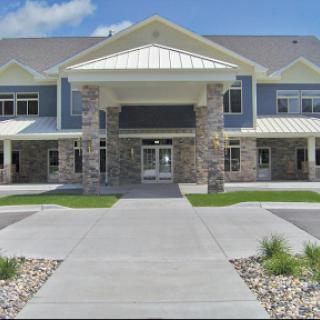
    Council Bluffs, IA


    pro Independent living with diabetic care, meals, and on-site activities.
  • Primrose of Council Bluffs

    Primrose of Council Bluffs

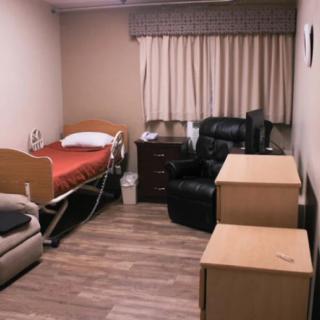
    Council Bluffs, IA


    pro Extensive amenities with 24/7 supervision and diverse care services.

  • Colonial Plaza Apartments

    Colonial Plaza Apartments

    Council Bluffs, IA


    pro Excellent access to medical care, dining, and transport.

  • North Crest Living Center

    North Crest Living Center

    Council Bluffs, IA


    pro Extensive amenities and 24/7 care

  • North Avenue Tower

    North Avenue Tower

    Council Bluffs, IA

    4 from 11 reviews
    $726 to $851 / month

  • The Rose of Council Bluffs

    The Rose of Council Bluffs

    Council Bluffs, IA

    3.8 from 21 reviews
    $659 to $925 / month

    pro Peaceful neighborhood with independent living, spacious accessible apartments, and friendly, responsive staff.

  • Harmony Court Council Bluffs

    Harmony Court Council Bluffs

    Council Bluffs, IA

    4.2 from 9 reviews
    $935 to $1,510 / month

    pro Affordable pricing with comprehensive on-site amenities and easy access to healthcare and transit.

  • Camelot Village

    Camelot Village

    Council Bluffs, IA

    4.8 from 4 reviews
    $837 to $857 / month

    pro Competitive pricing for studios/1-bedrooms; pet-friendly 55+ community with on-site activities.

  • The Heritage at Fox Run

    The Heritage at Fox Run

    Council Bluffs, IA

    4.4 from 51 reviews
     

    pro Friendly, attentive staff in a clean, well-maintained facility with home-style meals and engaging activities.

Related Resources

  • dementia stagesUnderstanding Dementia Through Its Seven Stages: A Comprehensive Look at Progression and Expectations
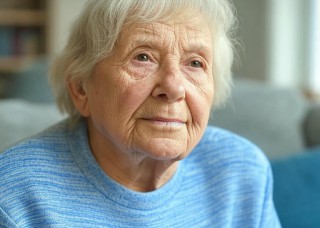
    Dementia encompasses a range of cognitive impairments characterized by types such as Alzheimer's and vascular dementia, and follows a seven-stage progression model known as the Global Deterioration Scale (GDS), highlighting varying symptoms and decline timelines. Early detection allows for lifestyle adjustments to potentially slow progression, while caregivers need support and resources to manage the challenges involved in caring for affected individuals.

  • dementia careA Holistic Dementia Care Guide: Effective Strategies for Memory Support
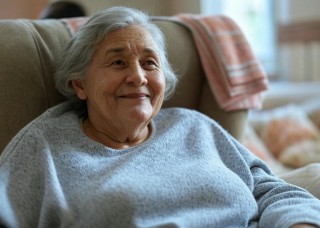
    The guide on holistic dementia care outlines the complexity of dementia and stresses the need for individualized caregiver strategies that include medical treatment, psychological support, and environmental adaptations, while emphasizing early detection, various therapeutic options, and caregiver support to enhance quality of life and maintain dignity.

  • dementia careMemory Care Pathways: A Holistic Guide to Dementia Support
    "Memory Care Pathways: A Holistic Guide to Dementia Support" outlines the complexities of dementia and its various types, emphasizing early detection, patient-centered care strategies, caregiver support, and long-term care options while addressing legal and financial considerations to enhance the quality of life for individuals with dementia and their families.