For more information about senior living options: (866) 208-4318
4.1 from 36 reviews
5 stars
27
4 stars
1
3 stars
0
2 stars
1
1 stars
7
Cardinal Nursing & Rehab Center Costs & Pricing
At Cardinal Nursing & Rehab Center, the monthly costs for care reflect a higher investment compared to both St. Joseph County and the broader state of Indiana. For residents in semi-private accommodations, the center charges $5,400, significantly above the county average of $4,265 and the state average of $3,739. Similarly, those opting for private rooms at Cardinal face a fee of $6,000, which exceeds both local and state rates - $5,275 in St. Joseph County and $4,418 across Indiana. These figures suggest that while Cardinal Nursing & Rehab Center may command higher fees than its surroundings, it likely offers specialized services or enhanced amenities that contribute to its premium pricing structure.
Floor plans
Cardinal Nursing & Rehab Center
St. Joseph County
Indiana
Semi-Private
$5,400
$4,265
$3,739
Private
$6,000
$5,275
$4,418
Skilled Nursing Facilities with a similar price nearby
Residents and families describe attentive, compassionate caregivers, though a smaller set of reviews raises serious concerns.
Many reviews focus on how staff members show compassion and responsiveness, with comments about clean rooms, recovery support, and feeling listened to. Several families and residents also describe aides and nurses as caring and dedicated, including reporting that communication helped a resident’s comfort and understanding. At the same time, some reviews describe problems with basic care and interactions, and others accuse staff or administration of wrongdoing. Overall, the staff experience in reviews is strongly positive for many families but not consistently reported.
differentiator3 reviews mention this
Therapy support is a key focus
Therapy and rehabilitation get both high praise and a few sharply negative reports in reviews.
Some residents and families describe therapy as helpful, including mention of PT/OT/ST working well toward recovery goals and improving a resident’s progress. Another review also highlights the physical therapist, but in a negative way, calling out limited visit time. That contrast suggests the therapy experience can vary depending on the resident’s situation and day-to-day scheduling.
common6 reviews mention this
Cleanliness and upgrades stand out
Reviews frequently describe a clean, updated facility with noticeable improvements.
Multiple reviews mention the facility looking clean and well kept, including rooms and common areas. Several also point to upgrades that made the building feel more homelike, along with landscaping that helps the place feel inviting. A few negative reviews do not echo the same cleanliness themes, reinforcing that impressions differ across experiences.
common2 reviews mention this
Activities and outings matter
Residents are described as having regular activities and community-sponsored outings.
Reviews mention that residents have opportunities for outings and scheduled activities, with at least one comment describing outings as enjoyable. This matches what the community offers through on-site and off-site activity programming. Together, the reviews suggest activity planning is part of day-to-day life for residents who participate.
caveat2 reviews mention this
Pricing and Medicaid concerns appear
Some reviews raise concerns related to coverage timing and the cost burden.
Price range information shows monthly rates that run higher than both county and state benchmarks for the units referenced, which can matter for families comparing options. In reviews, at least one family ties their concern to Medicaid timing, while another questions how the facility’s short-term placement works. While many reviews focus on care and facility conditions, these comments indicate coverage and affordability can be a deciding factor for some households.
caveat6 reviews mention this
Serious care and communication complaints
A minority of reviews describes breakdowns in care, communication, and resident safety.
Several negative reviews focus on problems with basic help and attention, including claims about bathroom assistance and inadequate rehabilitation follow-through. Others raise concerns about communication across departments and medication handling, and at least one review includes an allegation involving resident property. Even with the many positive comments about compassionate care, these recurring concerns point to variability in how care and operations feel to different families.
How we summarize
Counts show how many written reviews mention each theme; a review can touch several themes, and only frequently mentioned themes are displayed.
Features
Housing
144 resident community capacity
Types of Care
Assisted Living
Memory Care
Skilled Nursing Facility
Amenities
Activities off-site
Activities on-site
Air-conditioning
Bath tubs
Beautician on-site
Beauty salon
Cable or satellite TV
Computer center
Devotional services on-site
Dining room
Fitness room
Fully furnished
Gaming room
Garden
Housekeeping services
Indoor common areas
Kitchenette
Move-in coordination
Outdoor common areas
Outdoor space
Private
Private bathrooms
Respite or short term stays offered
Restaurant-style dining
Small library
Telephone
Wellness center
Wheelchair accessible showers
Wi-Fi/high-speed internet available
Transportation
South Bend Regional (5 miles away)
Community operated transportation
Transportation arrangement
Transportation arrangement (non-medical)
Care Services
12-16 hour nursing
24-hour call system
24-hour supervision
Activities of daily living assistance
Assistance with bathing
Assistance with dressing
Assistance with transfers
Coordination with health care providers
Diabetes diet
Diabetic care
High acuity care
Incontinence care
Meal preparation and service
Medication management
Mental wellness program
Special dietary restrictions
Transportation arrangement (medical)
Transportation to doctors appointments
Dining
Diabetes diet
Meals provided
Special dietary restrictions
Activities
Activities off-site
Activities on-site
Christian services
Community-sponsored activities
Concierge services
Devotional activities on-site
Fitness programs
Planned day trips
Resident-run activities
Scheduled daily activities
Nearby Places of Interest
Located in South Bend, Indiana, this neighborhood offers convenient access to a variety of amenities essential for senior living. With multiple physicians' offices, immediate care centers, and hospitals within close proximity, residents can easily access healthcare services. There are also several restaurants and cafes nearby, providing options for dining out or grabbing a quick bite to eat. Parks such as Howard Park offer a tranquil setting for outdoor activities and relaxation. Places of worship like the Basilica of the Sacred Heart cater to spiritual needs. For transportation, South Bend Station is a short distance away. Overall, this area provides a well-rounded environment for seniors looking for accessible healthcare, dining options, recreational opportunities, and community resources.
Physicians
Immediate Care Center (0.1 miles)
The South Bend Clinic ENT (0.1 miles)
The South Bend Clinic Peds (0.1 miles)
Mitchell Robert Goldstein (0.2 miles)
Darr & Associates (0.3 miles)
Muhammad Aslam, MD - Beacon Medical Group Advanced Cardiovascular Specialists South Bend (0.8 miles)
South Bend Neurology (0.9 miles)
Restaurants
Rocco's Restaurant (0.4 miles)
The Lauber (0.5 miles)
Macri's Italian Bakery (0.5 miles)
Baker's Bar and Grille (0.8 miles)
South Bend Brew Werks (0.9 miles)
O'Rourke's Public House (0.9 miles)
Cambodian Thai (0.9 miles)
Hospitals
Memorial Epworth Center (0.5 miles)
Beacon Children's Hospital (0.9 miles)
Newbold Philipmemorial Hospital South Bend (1 miles)
At Cardinal Nursing & Rehab Center, the monthly costs for care reflect a higher investment compared to both St. Joseph County and the broader state of Indiana. For residents in semi-private accommodations, the center charges $5,400, significantly above the county average of $4,265 and the state average of $3,739. Similarly, those opting for private rooms at Cardinal face a fee of $6,000, which exceeds both local and state rates - $5,275 in St. Joseph County and $4,418 across Indiana. These figures suggest that while Cardinal Nursing & Rehab Center may command higher fees than its surroundings, it likely offers specialized services or enhanced amenities that contribute to its premium pricing structure.
The features offered at Cardinal Nursing & Rehab Center are designed to create a supportive environment tailored to the unique needs of residents with dementia or Alzheimer's disease. With 24-hour supervision, staff can ensure safety and immediate assistance, while support with activities of daily living, such as bathing and dressing, enhances personal dignity and comfort. Assistance with transfers helps maintain mobility while reducing the risk of falls, and coordination with healthcare providers ensures that residents receive continuous medical attention. Incontinence care allows for dignity during sensitive moments, while meal preparation and service cater to nutritional needs, which is crucial for overall health. Medication management alleviates concerns about adherence to prescriptions, supporting both physical health and cognitive function. Additionally, a mental wellness program fosters engagement and social interaction, which are vital for emotional well-being, while transportation arrangements facilitate access to necessary medical appointments. Together, these features create a holistic approach to care that prioritizes both safety and quality of life for individuals facing memory challenges.
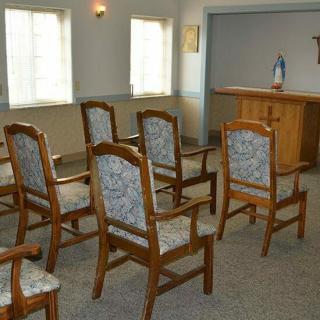
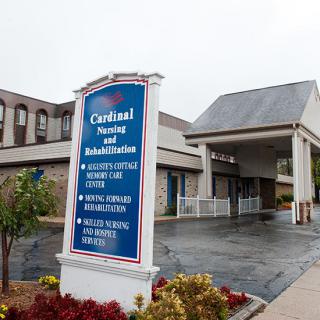
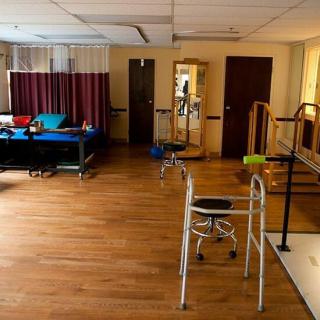
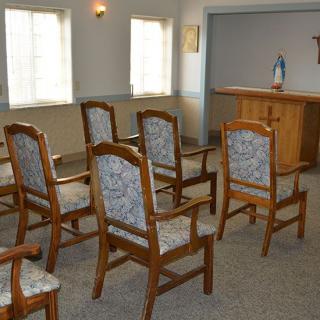
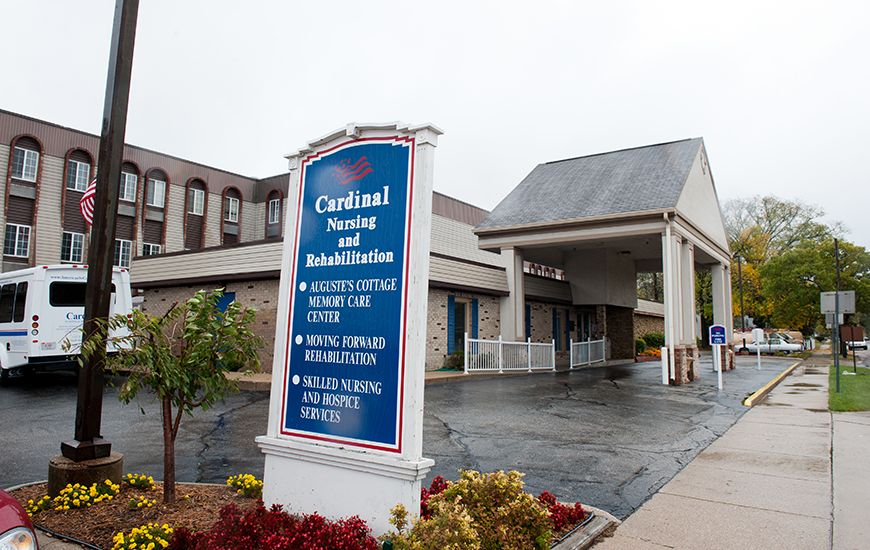
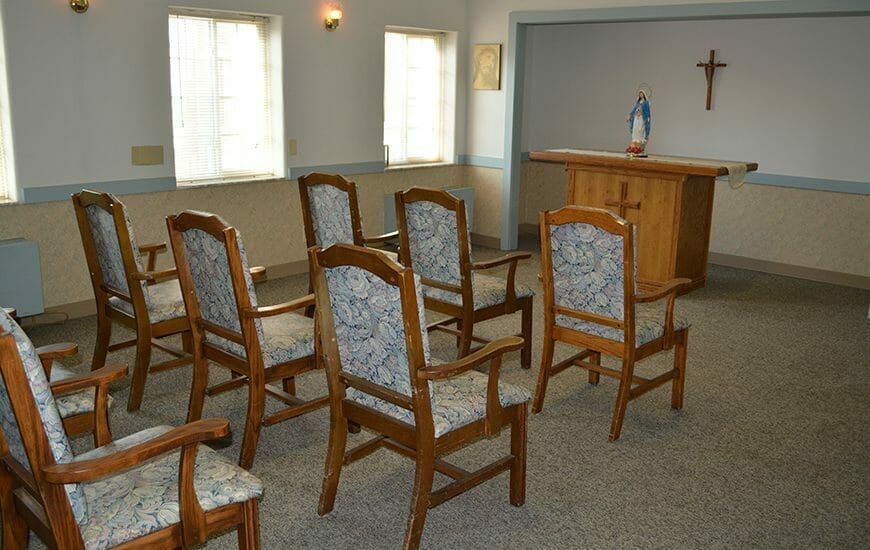
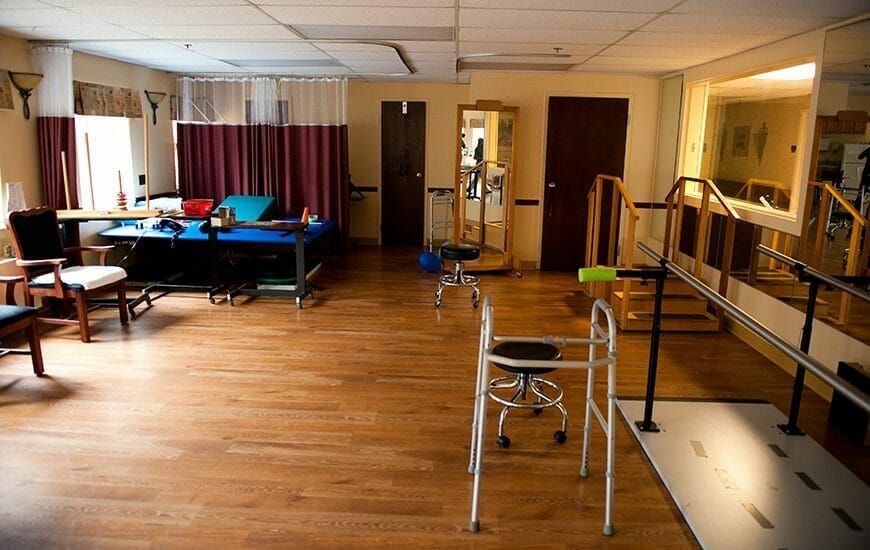
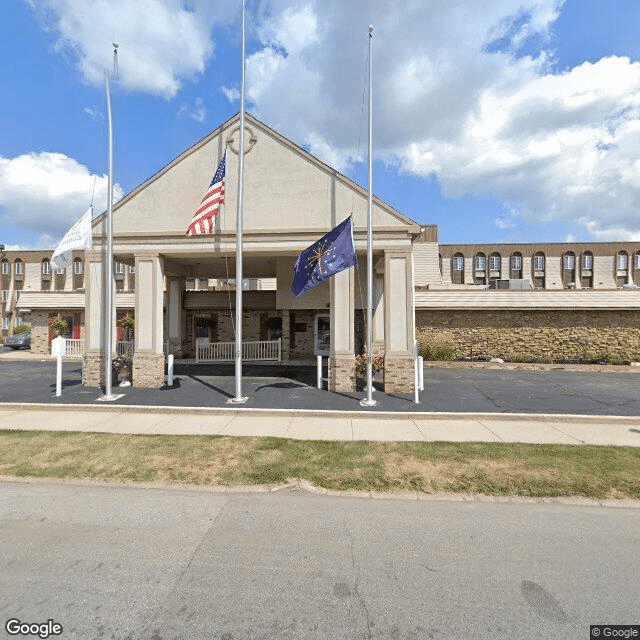
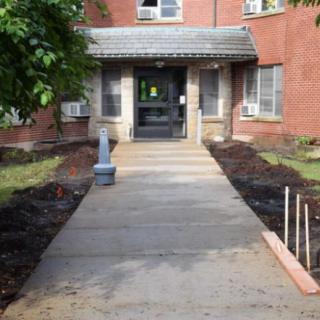
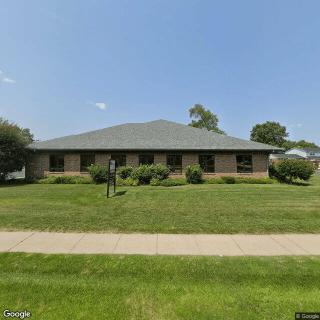
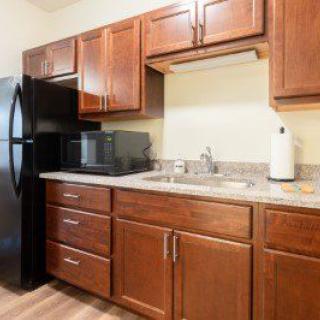
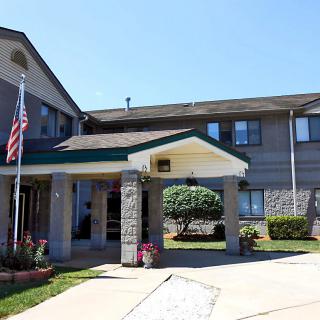
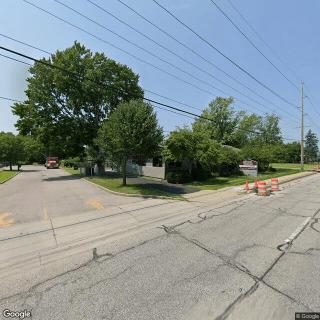
Cardinal Nursing & Rehab Center on seniors.fyi includes 5 photos including images showing interior, chapel, seating, building, entrance, parking, rehabilitation, physical therapy, and more.
Nearby Communities
Morningview Assisted Living Residences
South Bend, IN
4.3 from 33 reviews
$3,500 / month
Friendly staff, engaging activities, and a warm, caring community.
REM-LNDIANA SILP
South Bend, IN
4.2 from 119 reviews
Diabetes-focused care with on-site activities and indoor social spaces.
The Milton Home
South Bend, IN
3.9 from 17 reviews
Comprehensive 24/7 care with a wide range of amenities and restaurant-style dining.
Holy Cross Care Svc Inc
South Bend, IN
Diabetic care and engaging on-site activities in a faith-friendly setting.
St Joseph's Tower
South Bend, IN
Vibrant neighborhood with easy access to parks, dining, healthcare, and transportation.
Senior Helpers - South Bend, IN
Mishawaka, IN
4.7 from 18 reviews
Reliable in-home care with compassionate, professional staff and efforts to retain/replace caregivers.
Silver Birch of Mishawaka
Mishawaka, IN
3.6 from 56 reviews
Caring nursing staff and clean environment
The Woodridge Village
South Bend, IN
4.3 from 36 reviews
$2,900 to $4,500 / month
Vibrant, home-like community with engaging activities and responsive, caring staff.
Home Instead Senior Care - Mishawaka, IN
Mishawaka, IN
4.9 from 145 reviews
Compassionate, well-trained staff with good caregiver matching and flexible scheduling.
Sundown syndrome, or sundowning, is a phenomenon in dementia patients characterized by increased confusion and agitation during late afternoon and evening, influenced by factors like disrupted circadian rhythms and fatigue. Effective caregiver strategies include establishing routines and managing environmental light while addressing caregiver stress through support services.
Delirium is a rapidly onset, reversible cognitive disturbance often caused by acute medical issues, while dementia is a gradual and irreversible decline due to chronic neurodegenerative diseases. Accurate differentiation between the two is essential for appropriate treatment and management in older adults.
Dementia, including Alzheimer’s disease, is often mischaracterized in terms of lethality as it leads to complications that can be fatal rather than being a direct cause of death; it causes a progressive decline in cognitive and physical health, making patients vulnerable to infections and other health crises. Effective management of nutrition, hydration, and communication is crucial in patient care, with palliative care becoming vital in advanced stages to enhance comfort and quality of life while caregivers play a key role amidst the challenges posed by the disease.
Get PricingAsk A QuestionSchedule A TourContact Senior Advisor
By clicking submit, you agree to our Partner's Terms of Use. You
also consent to receive calls and texts, which may be autodialed, from our Partner. Your consent is not a condition to
using our Partner's service. Please visit our Partner's Privacy Policy for information about their privacy practices.



 144 resident community capacity
 Assisted Living
 Memory Care
 Skilled Nursing Facility
 Activities off-site
 Air-conditioning
 Bath tubs
 Beautician on-site
 Cable or satellite TV
 Computer center
 Devotional services on-site
 Dining room
 Fitness room
 Fully furnished
 Gaming room
 Garden
 Housekeeping services
 Indoor common areas
 Kitchenette
 Move-in coordination
 Outdoor common areas
 Private
 Private bathrooms
 Respite or short term stays offered
 Restaurant-style dining
 Small library
 Telephone
 Wellness center
 Wheelchair accessible showers
 Wi-Fi/high-speed internet available
 South Bend Regional (5 miles away)
 Community operated transportation
 12-16 hour nursing
 24-hour call system
 Assistance with bathing
 Assistance with dressing
 Assistance with transfers
 Diabetes diet
 Diabetic care
 High acuity care
 Incontinence care
 Medication management
 Mental wellness program
 Special dietary restrictions
 Transportation arrangement (medical)
 Christian services
 Concierge services
 Planned day trips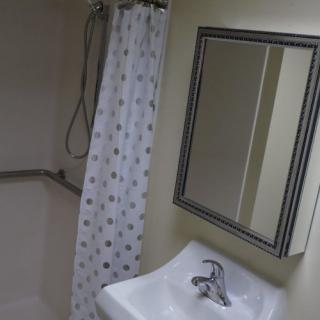
 Friendly staff, engaging activities, and a warm, caring community.
 Comprehending Evening Confusion in Dementia: Causes, Manifestations, and Support
 Delirium and Dementia: Unraveling the Key Differences
 Are Dementia and Alzheimer's Disease Lethal? A Comprehensive Exploration