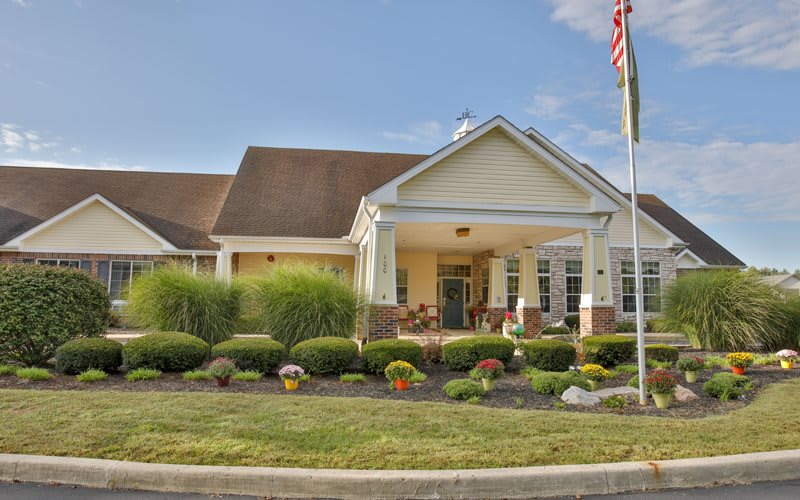
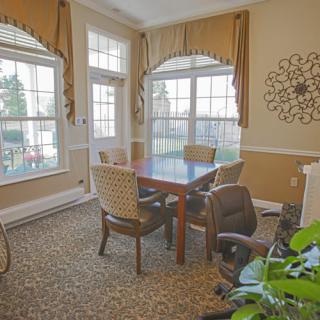
100 Bickford Land, Crawfordsville, IN 47933
To contact a resident: (765) 362-2000
For more information about senior living options: (866) 208-4318

Bickford of Crawfordsville Costs & Pricing
Bickford of Crawfordsville offers competitive pricing for its residential options, particularly when compared to both Montgomery County and the broader state of Indiana. For a studio apartment, Bickford's monthly cost stands at $3,042, which is notably lower than the county average of $3,209 and more affordable than the state average of $3,258. In the case of a one-bedroom unit, however, the monthly fee rises to $3,802; this figure closely aligns with the county rate of $3,804 but exceeds the state average of $3,300. Overall, Bickford presents an attractive choice for residents seeking quality accommodations in Crawfordsville while keeping costs reasonable relative to local benchmarks.
| Floor plans | Bickford of Crawfordsville | Montgomery County | Indiana |
|---|---|---|---|
| Studio | $3,042 | $3,209 | $3,258 |
| 1 Bedroom | $3,802 | $3,804 | $3,300 |
Memory care communities with a similar price nearby
-
from +$152 / mo
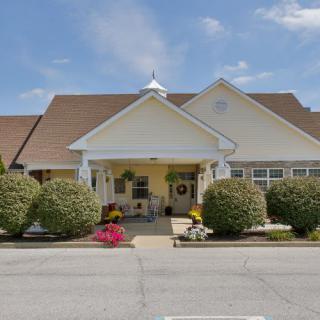
Bickford of Lafayette
$3,194 / month22.5 miles away -
from -$222 / mo
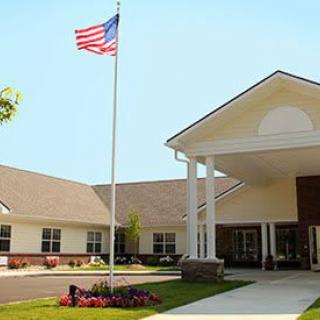
Creasy Springs Health Campus
$2,820 to $4,770 / month24.4 miles away -
from +$348 / mo
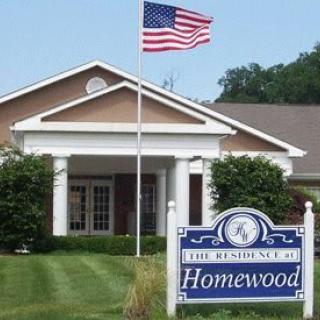
Homewood Health Campus
$3,390 to $5,160 / month21.2 miles away
Overall Review of Bickford of Crawfordsville
Pros
 The facility is clean, well-maintained, and up-to-date, with friendly, helpful nurses.
- The staff are caring, attentive, and easy to communicate with, keeping families informed.
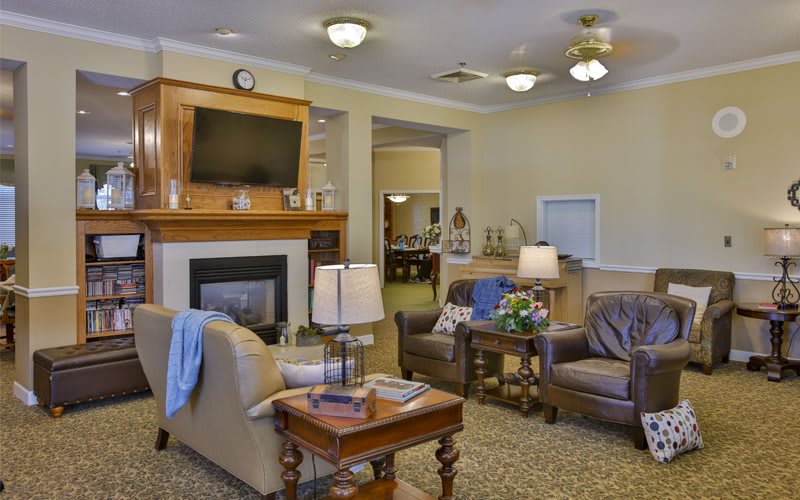
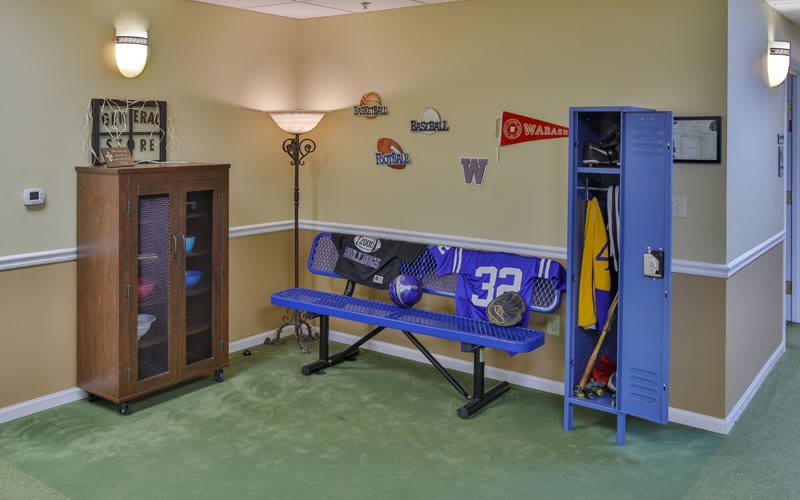
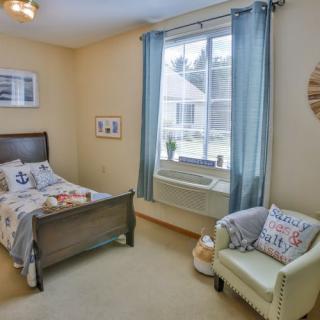
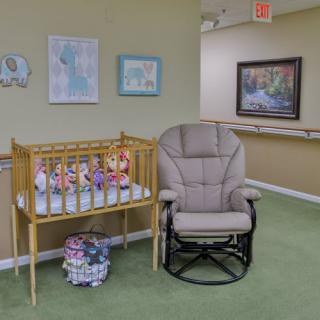
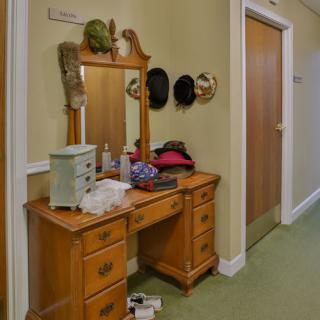
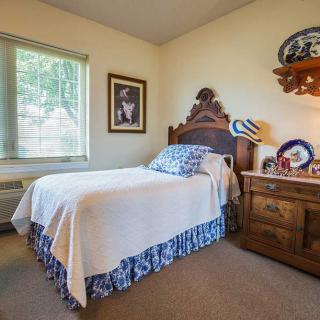
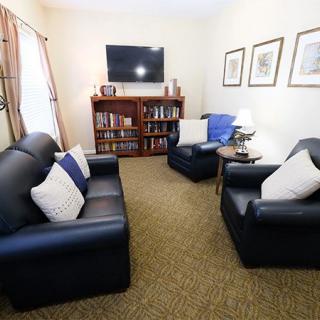
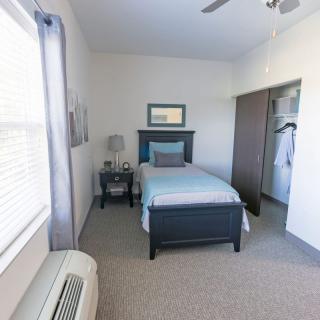
- The environment feels like a warm, home-like place rather than a nursing home.
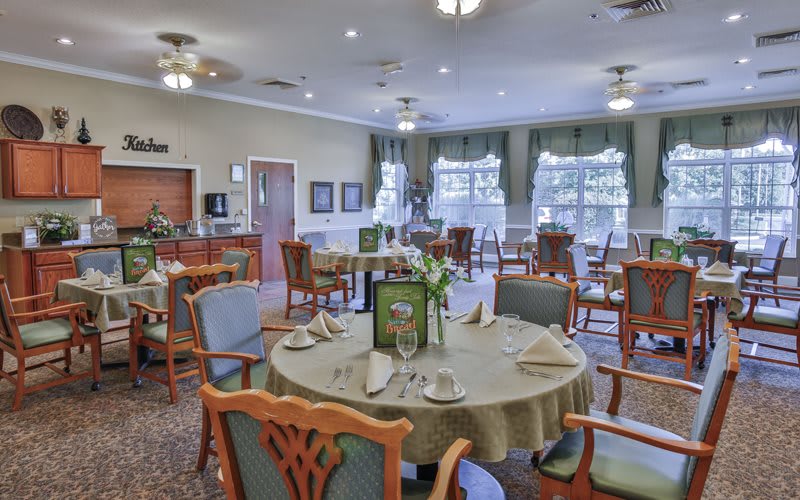
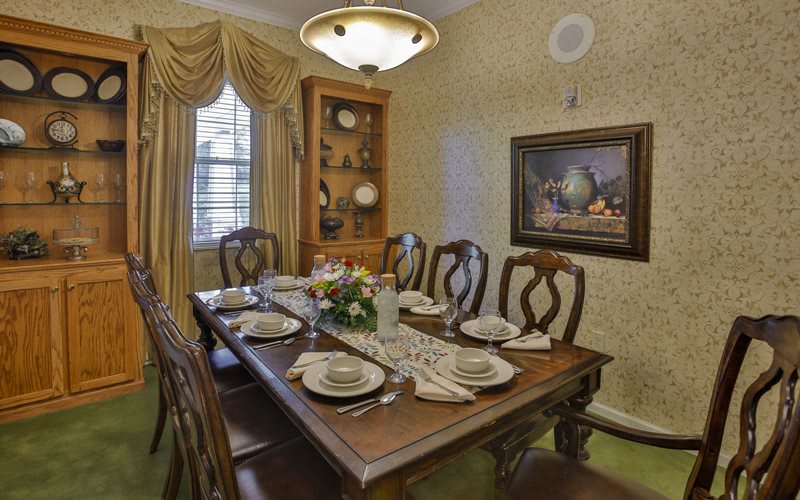
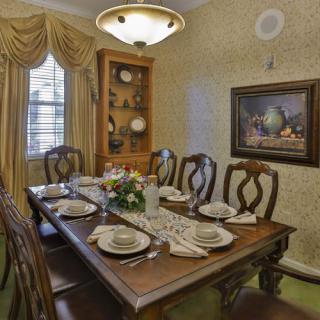
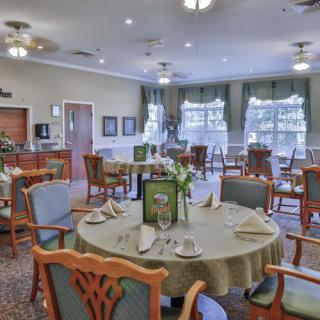
- The dining area is inviting, with tablecloths and flowers, and the meals look appealing.
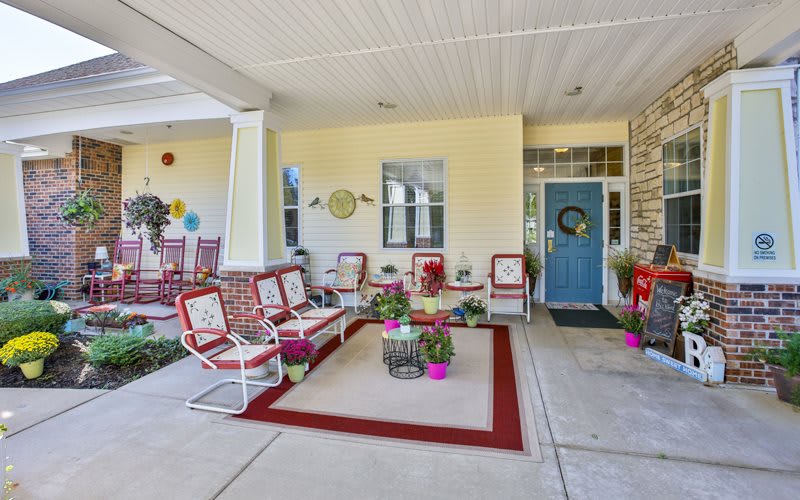
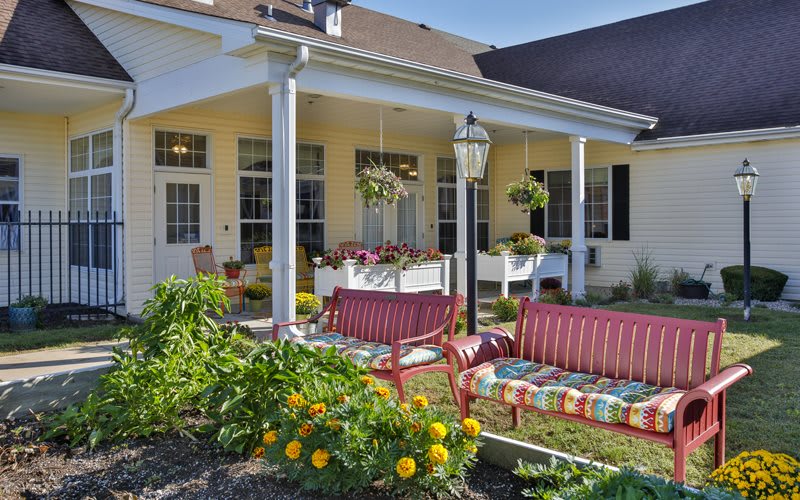
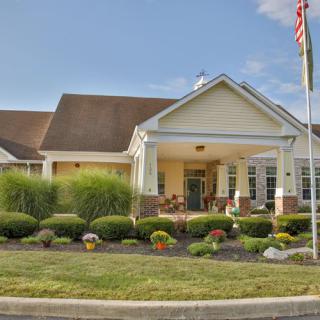
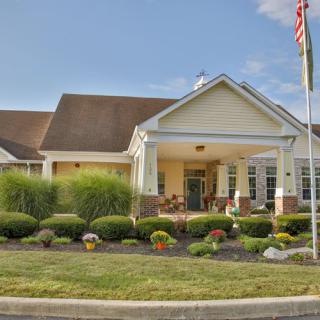
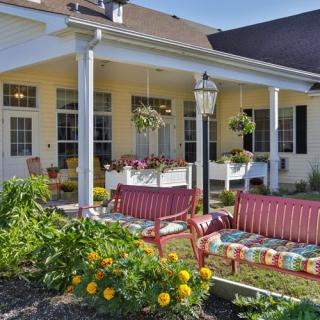
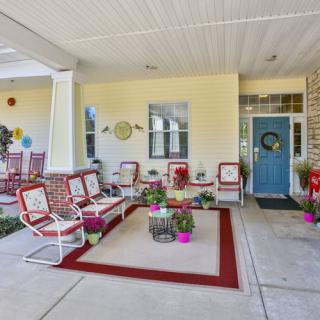
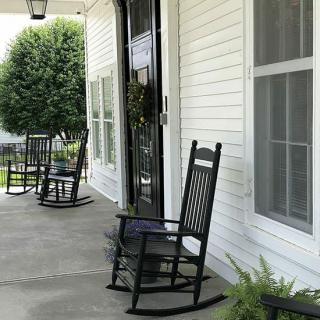
- The surroundings are beautiful, with flowers and comfortable outdoor spaces such as patios and porches.
- Residents have engaging activities and outings, and staff encourage participation.
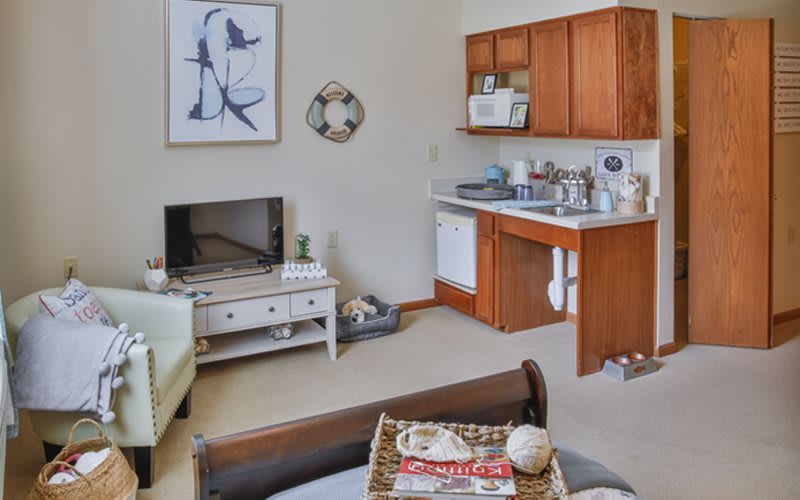
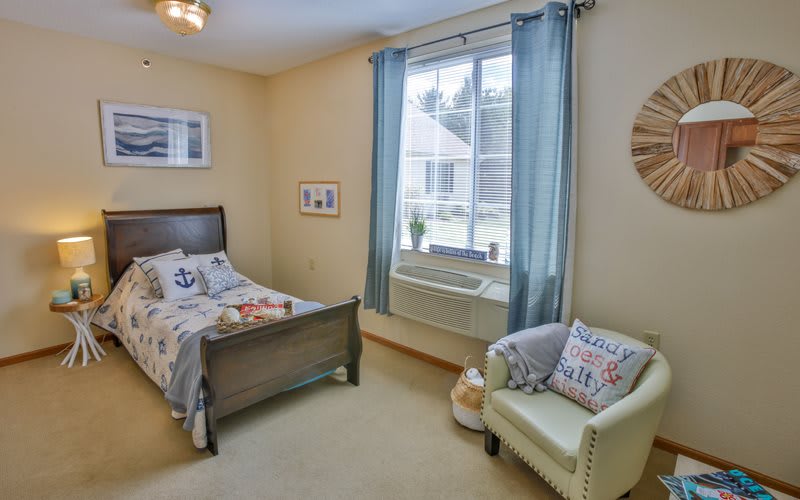
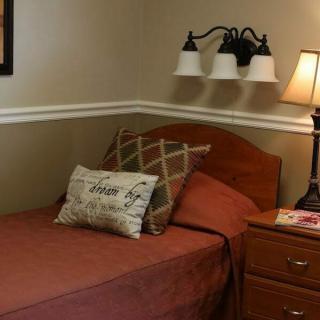
- The facility offers different floor plans and an outdoor courtyard for residents to use.
- Pets are welcome, which is a big plus for families.
Cons
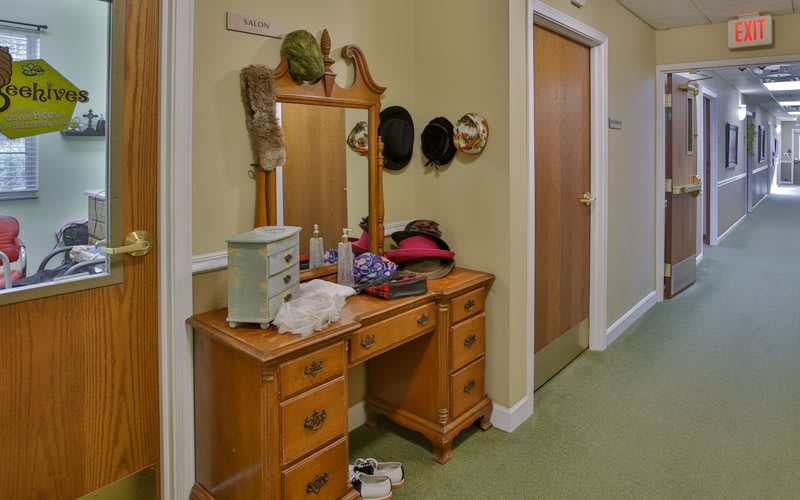
 The hallways were congested because the nurses’ station was in the hub of activity.
- The staff were busy with their tasks and did not take time to work with residents, making them feel like it wasn’t their home.
- The dining area was small because the facility itself was small.
- It wasn’t what they needed for their parents.
- Some family members were not impressed that it wasn’t open or easy to move around with walkers.
Review
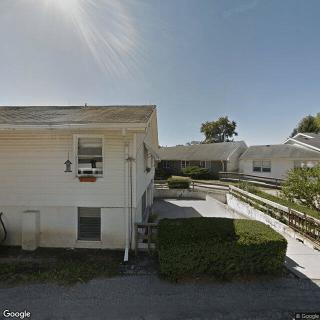
Bickford of Crawfordsville is best suited for seniors who want a warm, home-like assisted living experience on a compact, well-kept campus. The community delivers a clean, inviting environment where staff are repeatedly described as kind, attentive, and easy to communicate with. Families seeking a place that feels like a neighborhood residence, complete with pet-friendly policies, pleasant outdoor spaces, and a dining area that feels comfortable and welcoming, will find this option a natural fit. The shared sentiment across reviews is that residents are known well by the team, routines are predictable, and daily life includes substantive activities and social engagement without the impersonality of a large institutional setting.
Those who may want to consider alternatives include families needing a larger campus with more expansive common areas, bigger dining rooms, or more extensive memory-care capabilities. If mobility is a priority and a wider, easier-to-navigate layout is essential, the small footprint and the central hub arrangement may feel congested. For families seeking a facility with substantial room for visitors, larger group activities, or more specialized memory-care services, other communities with broader footprints could offer a better fit. In short, the trade-off here is intimate, personalized service versus expansive space and potentially broader clinical offerings.
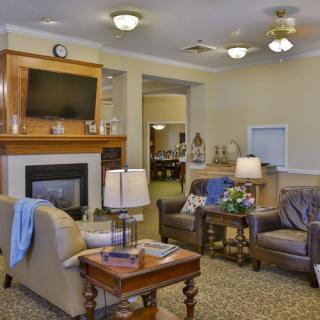
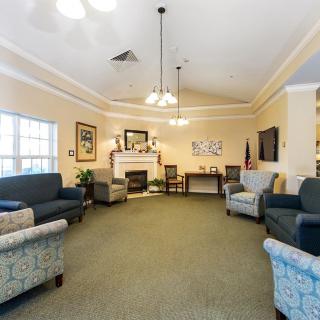
The strongest pros, cleanliness, visible attention from staff, and a home-like ambiance, do a lot to offset the main drawbacks. Residents benefit from a facility that looks and smells inviting, with well-kept rooms and attractive dining areas that convey a sense of occasion rather than clinical distance. The staff’s responsiveness and willingness to keep families in the loop are repeatedly highlighted, which matters for peace of mind when transitions are underway. Meals appear appealing, and the dining environment, tablecloths, flowers, and a cozy fireplace vibe, supports a dignified, community-centered experience. In practical terms, these positives create trust and continuity, which can be more valuable than a larger menu of amenities in a bigger campus.
The facility’s intimate size translates into tangible advantages: easier oversight of routines, more predictable interactions, and a sense that staff truly knows the residents. Patience and personalized care reportedly shine through even with residents who can be challenging at times, and the sentiment that “there is no better memory care” in practice reflects robust caregiver dedication. Outdoor courtyards and accessible spaces provide safe places to relax and socialize, while a structured activity calendar keeps residents engaged. Yet the same small footprint can feel limiting, hallways around the nurses’ station can become congested, the dining area is compact, and maneuvering with walkers may require careful planning. These realities aren’t flaws so much as design limitations that influence day-to-day comfort for some residents.
Even with the small-scale limits, families repeatedly note reliable communication and consistent care. The ability to observe activities in action, see varied floor plans, and tour a space that feels like a home rather than a sterile institution adds practical confidence. The positive tone about staff interactions, the way they know individual needs, coordinate care, and stay connected with families when staff aren’t present, offers a compelling argument for choosing a smaller, community-centered option. These elements tend to offset the occasional constraint of size because trust and familiarity become central to daily life, and they tend to translate into steadier routines and fewer surprises for families monitoring a transition.
In sum, Bickford of Crawfordsville stands out for families prioritizing a clean, personable, and homelike setting with attentive staff and active engagement. It works particularly well for seniors who want a modest, manageable environment where caregivers can knows residents well, meals feel thoughtful, and social activities feel relevant and approachable. Alternatives make sense for those who require more space, broader dining facilities, or more specialized memory-care resources. Prospective families should plan a visit with a realistic eye on layout and mobility, ask about staff-to-resident ratios, review the activity calendar, and inspect menus and dining flow. If a compact, closely knit community aligns with the resident’s needs and family’s expectations for communication and care, this Crawfordsville option is a confident, informed choice.
 Memory Care
 Cats allowed
 Dogs allowed
 Activities off-site
 Air-conditioning
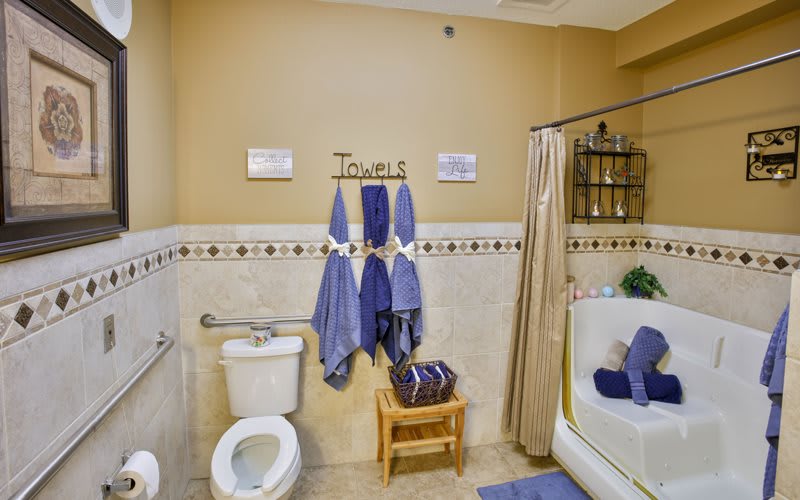
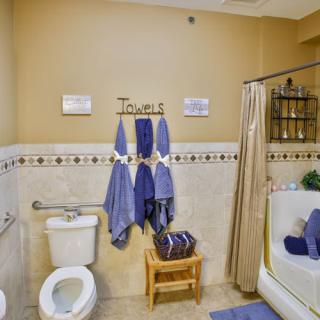
 Bath tubs
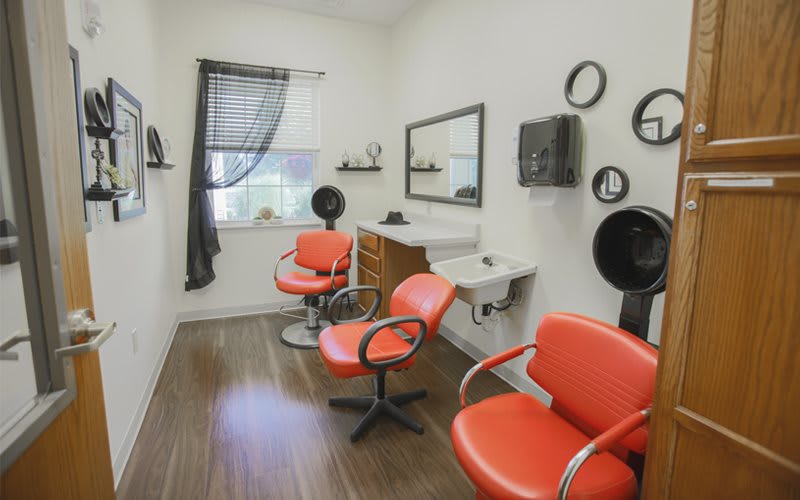
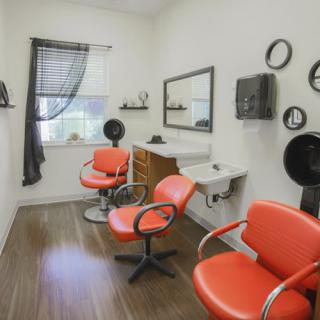
 Beautician on-site
 Devotional services off-site
 Ground floor units
 Handicap accessible
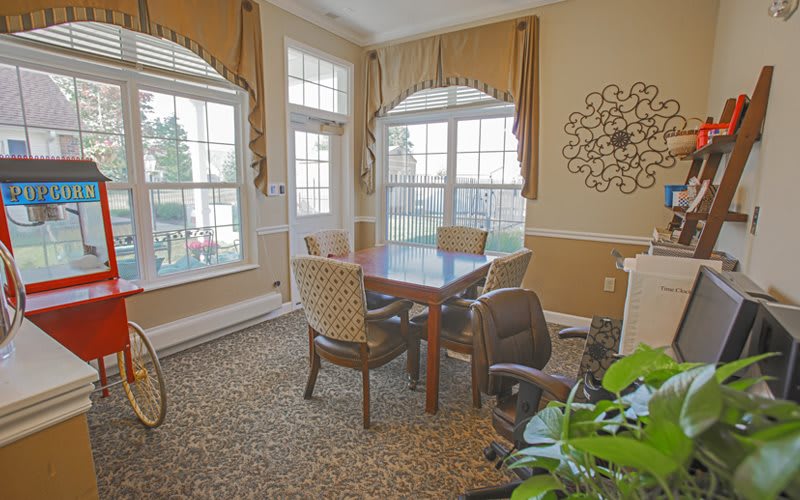
 Indoor common areas
 Kitchenette
 Laundry
 Outdoor common areas
 Resident parking
 Respite or short term stays offered
 Wheelchair accessible showers
 Wi-Fi/high-speed internet available
 Transportation & parking
 Ambulatory care
 Diabetic care
 Incontinence care
 Medication management
 Guest meals
 Bible study group
 Cooking classes
 Day trips and outings
 Educational speakers / life long learning
 Happy hour
 Live well programs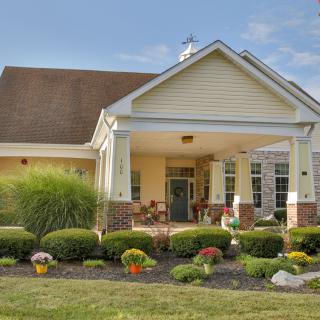
 Assisted Living and Memory Care: Understanding Their Core Differences
 Choosing the Right Senior Care: A Detailed Exploration of Assisted Living and Nursing Homes
 Safeguarding Your Memory Through the Golden Years: Eight Ways to Preserve Cognitive Health