







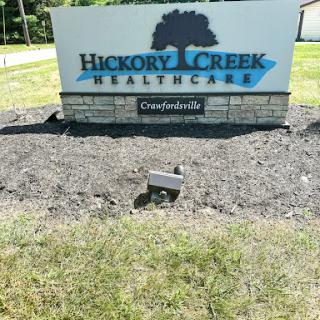
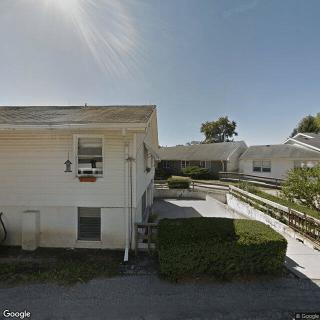
817 North Whitlock Avenue, Crawfordsville, IN 47933
For more information about senior living options: (866) 208-4318
Overall Review of Hickory Creek At Crawfordsville
Pros
 The leadership team cares greatly for the residents.
- The smaller building allows staff to be very personable with the residents.
- There is great leadership at the facility.
- It is a wonderful place.
- Staff members go above and beyond to care for the residents.
- Residents are well taken care of in a small facility where the staff are personable and kind.
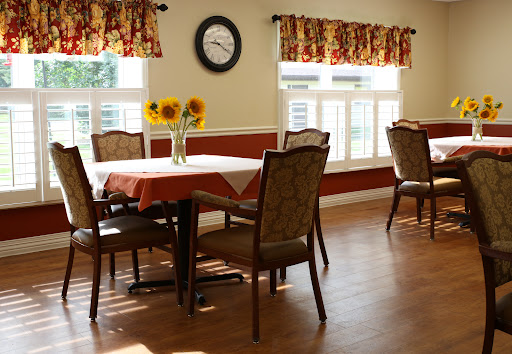
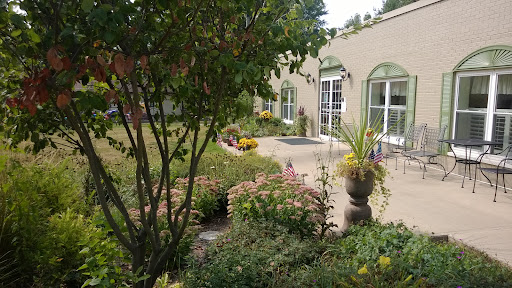
- The facility's small size ensures every resident receives a personal touch daily, and it is beautiful and well cared for.
Cons
 The nursing home is inadequate.
- The food quality is going downhill.
- The facility is always understaffed.
- They receive many complaints from families about the care.
- The care provided is poor.
- The staff did not brush the resident’s teeth, indicating neglect of dental care.
- There is a constant battle to get the staff to follow the doctors’ orders.
Review
Hickory Creek at Crawfordsville is best suited for families seeking a small, home-like assisted living environment where staff can form genuine relationships with residents and caregivers are clearly invested in daily well-being. The community excels for seniors who value predictable routines, direct access to leaders, and a staff cohort that can know individual histories, preferences, and health needs. Residents who prefer a social, warm atmosphere without the bustle of a large campus will find that the intimate footprint translates into quick-response care, frequent smiles, and a sense of belonging. This setting works well for those who want personal touch as a daily standard rather than occasional performances from a larger team.
However, consideration should be given to those with higher-acuity needs or complex medical regimens. The small scale, while enabling close attention, may limit the breadth of on-site clinical resources, advanced specialty care, or the intensity of rehabilitation programming that a larger facility can sustain. Families seeking robust memory care options, extensive wound care teams, or vigorous, schedule-heavy therapy may want to compare options. Likewise, if a resident requires a more structured, hospital-like environment or activity calendars with a wider array of elective offerings, alternatives could provide more scale, while potentially sacrificing the intimate staff-resident rapport this community prizes.
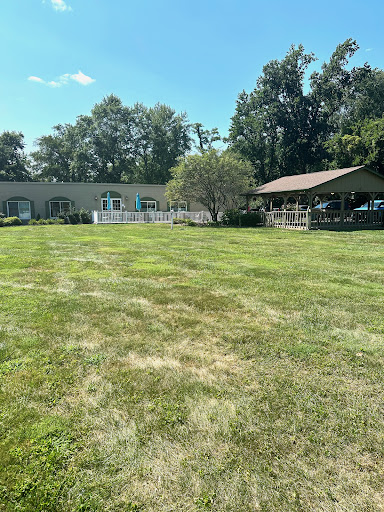
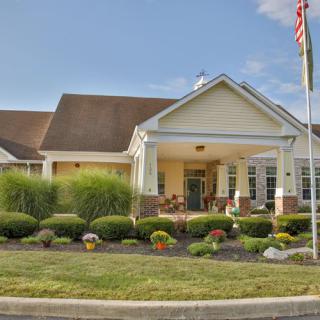
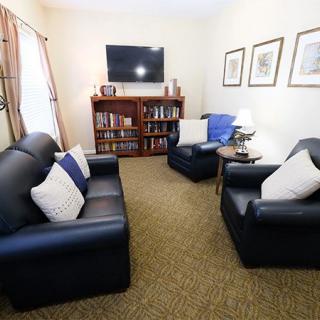
On the upside, the leadership team is repeatedly described as engaged and compassionate, setting a tone of accountability that translates into action. The daily experience emphasizes a personal touch: the building’s small size allows nearly every resident to encounter familiar faces, caregivers who know their names, preferences, and routines. Families repeatedly praise caregivers who go above and beyond, with staff described as patient, kind, and responsive. The rehabilitation component, supported by a dedicated team, adds practical value for residents returning from injuries or surgeries. The overall environment feels welcoming, well-kept, and as much a “home” as possible, which underpins consistent satisfaction for many residents and their families.
Yet, there are significant red flags raised by a minority of reviewers. The most pointed critique centers on understaffing and inconsistent care in higher-stress periods, with complaints about following physician orders and some declines in routine tasks such as dental hygiene. Those cautions cannot be dismissed: they signal that, despite a strong core team, staffing fluctuations can threaten continuity of care and timely response. For families prioritizing airtight clinical oversight, or for residents who require constant supervision and rapid escalation of needs, these concerns warrant serious attention. In short, the small size is a double-edged sword: intimacy and responsiveness when well-staffed, vulnerability when staffing is stretched.
Ultimately, the pros largely offset the cons for a large portion of potential residents who prize relationship-rich care. The very factor driving satisfaction, the ability to connect with a stable, engaged staff, also makes any lapse in coverage more consequential. Prospective residents should demand current staffing metrics, caregiver turnover rates, and a tour during peak activity to gauge whether the team remains sturdy under pressure. The rehab-forward approach and the evident pride in leadership offer reassurance that when operations are well-supported, the care quality remains high. For families on the fence, this community represents a compelling balance of warmth and accountability, with the caveat that ongoing staffing adequacy must be verified before committing.
In guiding a decision, prioritize alignment between care needs and the demonstrated strengths here: personal attention, strong leadership, and a welcoming atmosphere. If those are the decisive factors, Hickory Creek at Crawfordsville stands as a prudent choice. If, however, the loved one requires continuous, high-level skilled nursing, expansive therapy hours, or a facility with broader clinical resources, alternatives should be actively explored. The prudent path is a candid, time-bound visit that includes conversations with current residents and families about daily rhythms, staffing patterns, and how well care plans are actually implemented day-to-day.
 36 resident community capacity
 Assisted Living
 Independent Living
 Memory Care
 Beauty salon
 Cable or satellite TV
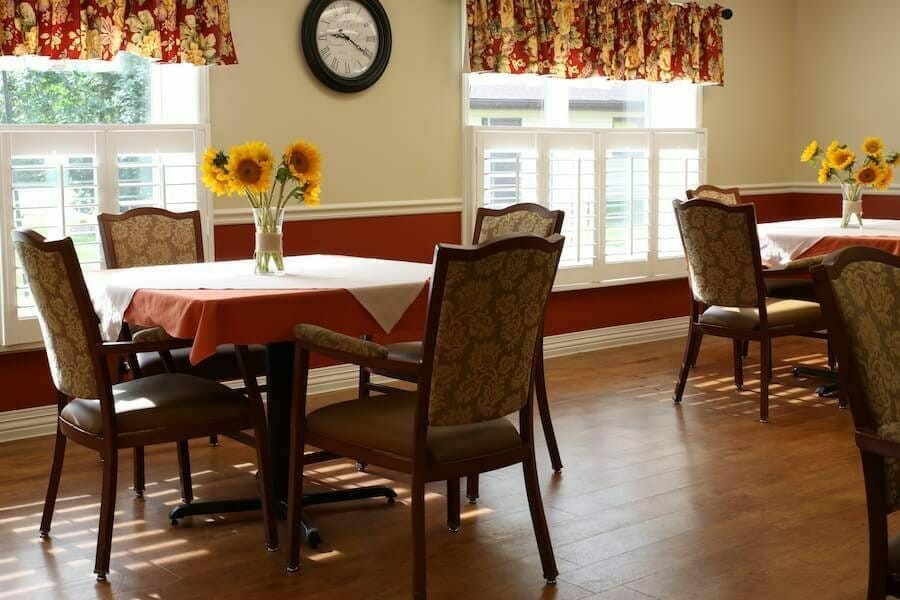
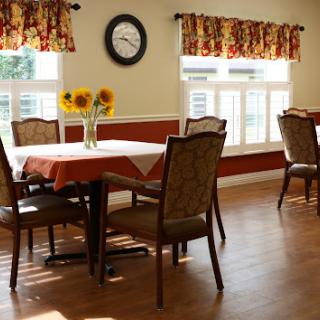
 Dining room
 Fully furnished
 Garden
 Housekeeping services
 Kitchenette
 Move-in coordination
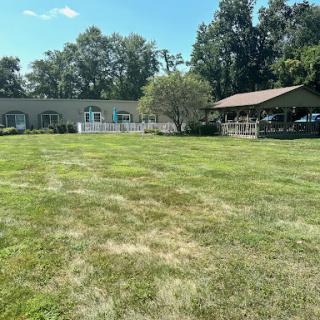
 Outdoor space
 Telephone
 Wi-Fi/high-speed internet available
 24-hour call system
 Activities of daily living assistance
 Assistance with bathing
 Assistance with dressing
 Assistance with transfers
 Diabetes diet
 Meal preparation and service
 Medication management
 Mental wellness program
 Special dietary restrictions
 Transportation arrangement (medical)
 Transportation to doctors appointments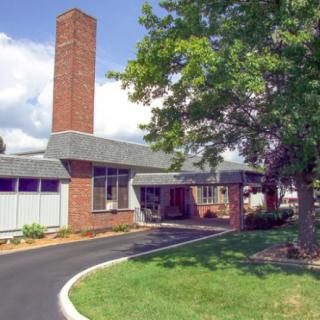




 Exploring the Contrasts Between Assisted Living and Skilled Nursing
 Vibrant Senior Living: A Comprehensive Guide for Active Older Adults
 Assisted Living and Memory Care: Understanding Their Core Differences