


100 Bickford Lane, Crawfordsville, IN 47933
For more information about senior living options: (866) 208-4318
Overall Review of Crawfordsville Bickford Cottage
Pros
 The staff are very nice and attentive.
- Bickford of Crawfordsville is described as a smaller, warm, and welcoming memory-care setting.
- Residents are helped to stay engaged by given small, meaningful tasks that suit their strengths.
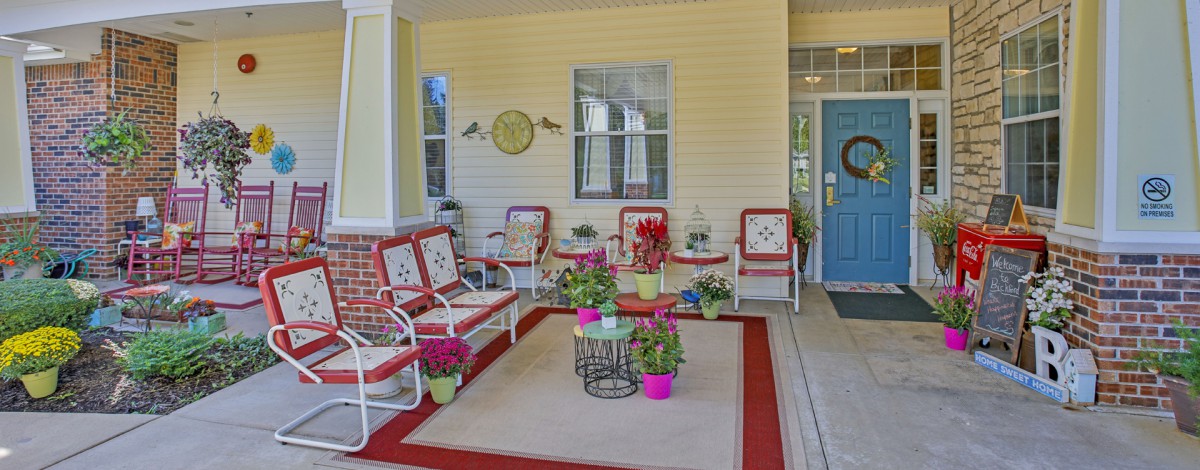
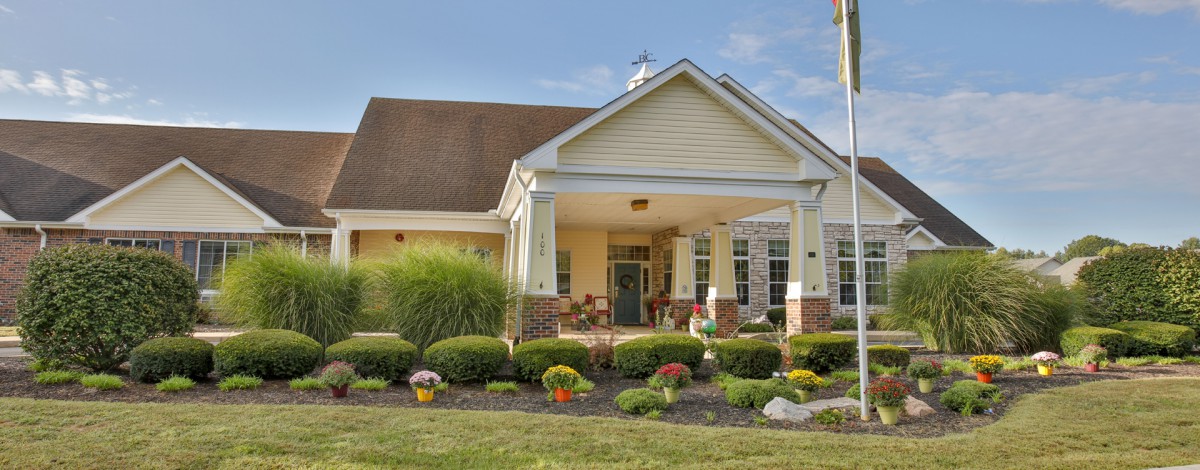
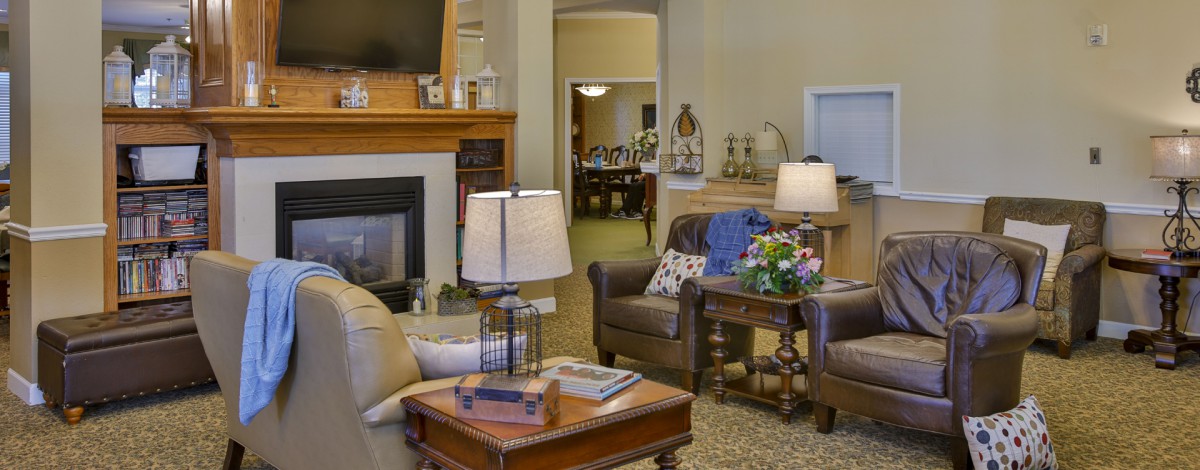
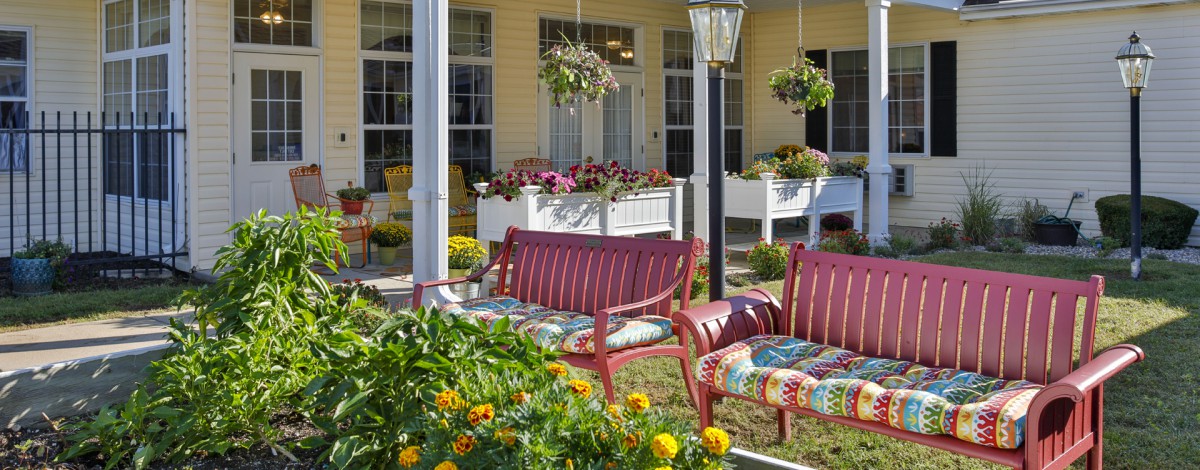
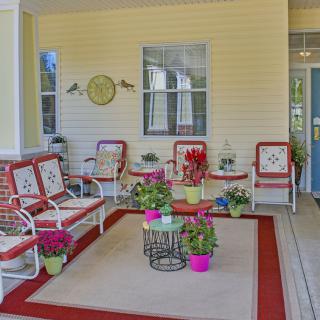
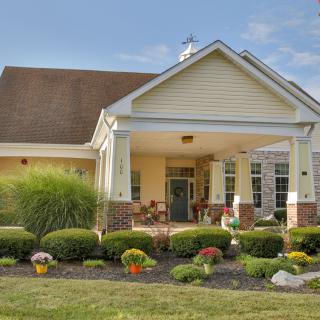
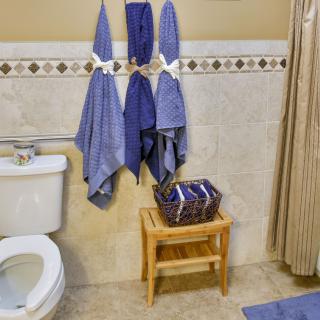
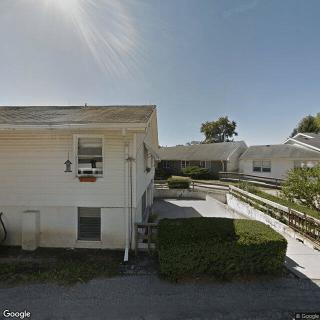
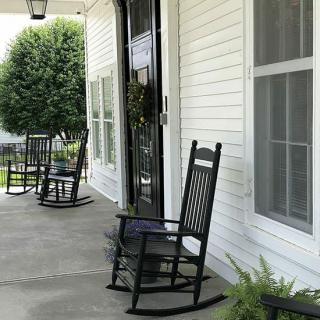
- The facility is clean, well-maintained, and inviting with pleasant surroundings.
- There are two to three daily activities and a full calendar of events.
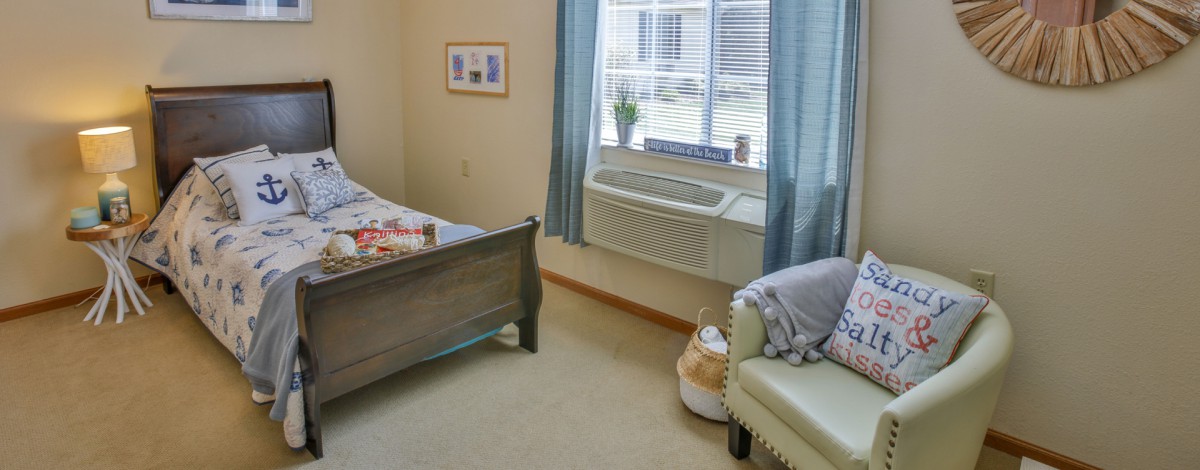
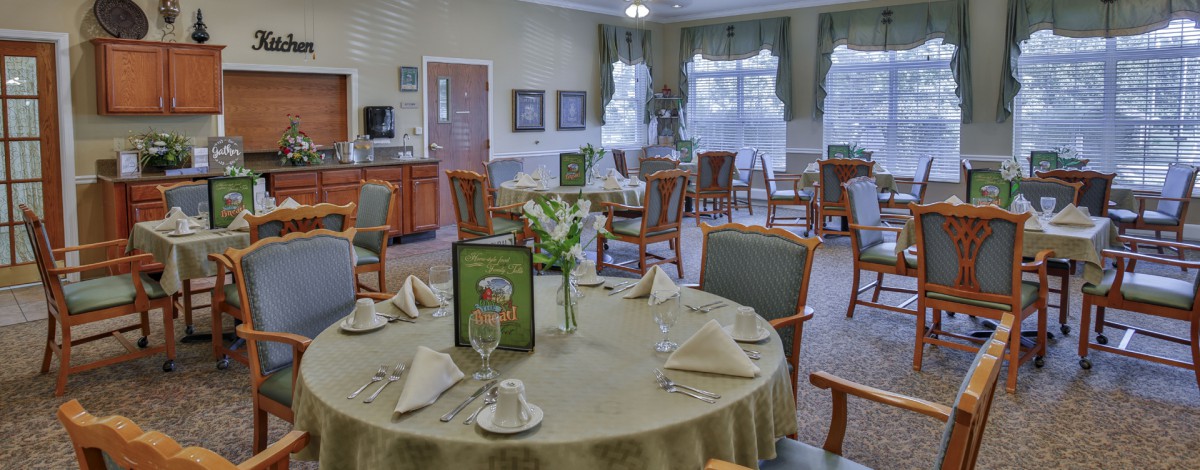
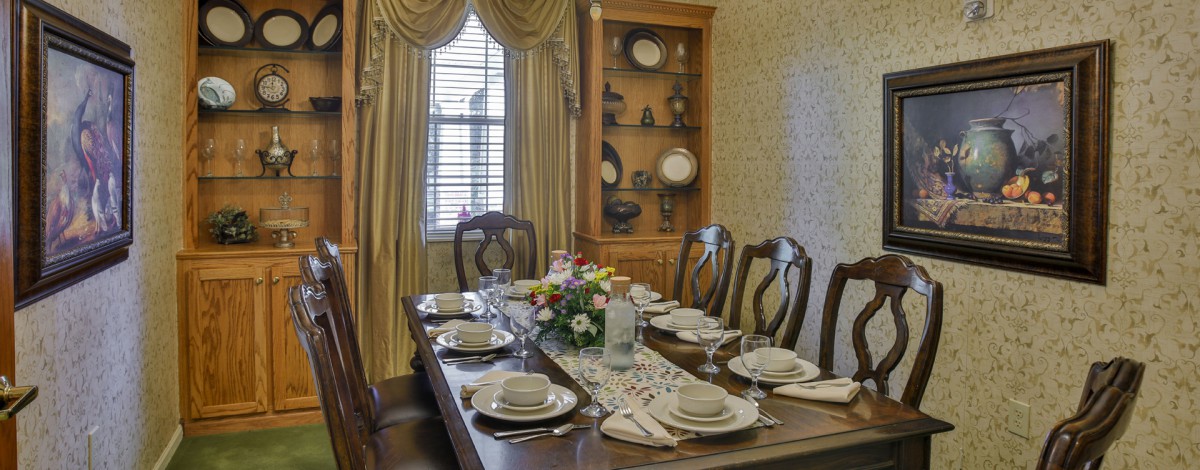
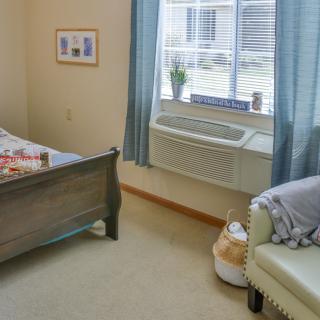
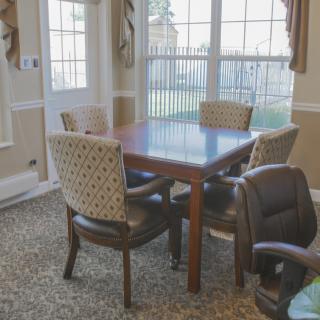
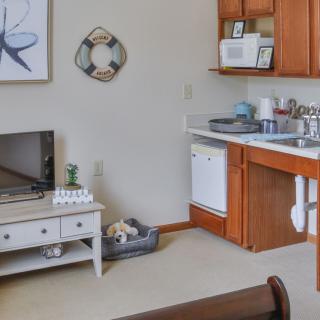
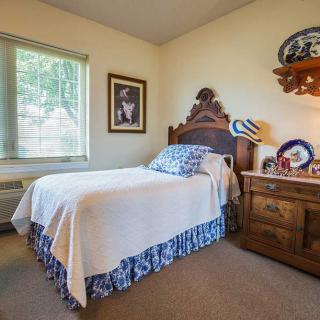
- The dining area is pleasant, and the rooms are spacious, with studio options available.
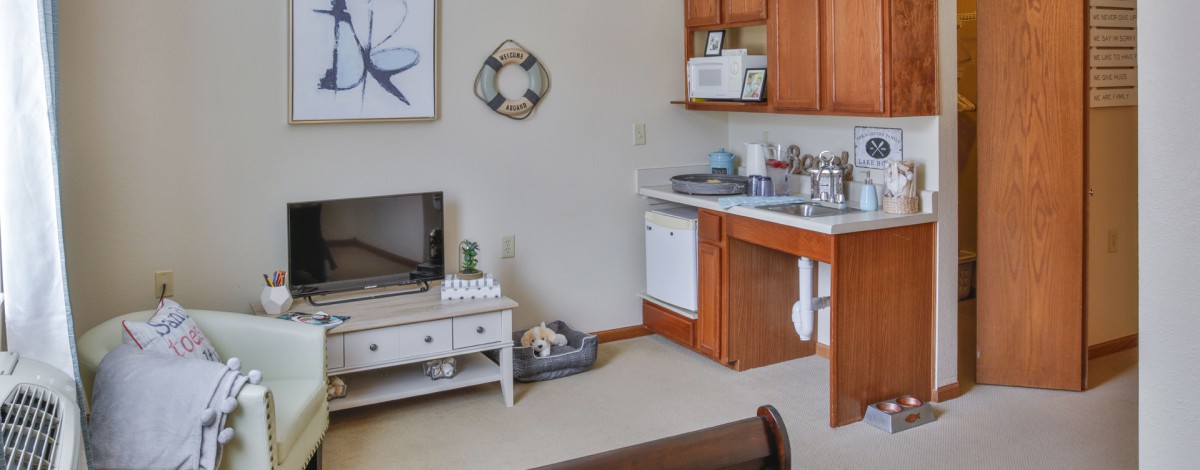
- Pets are allowed, which is a meaningful plus for families.
Cons
 The hallways were a little congested because the nurses' station was right there in the hub of everything.
- The reviewers' parents were not impressed that it wasn't open or easy to move around with walkers.
- The staff were friendly but busy, not taking the time to work with residents and make them feel at home.
- It wasn't what they needed for their parents.
- The dining area was small due to the facility's size.
Review
Crawfordsville Bickford Cottage is best suited for memory care residents who thrive in a small, home-like setting where staff know individuals by name and can tailor daily life to personal strengths. It works well for families that value hands-on supervision, purposeful tasks, and a warm, open atmosphere over a grand campus. The small scale supports steady routines, real-time redirection, and a sense of belonging that can reduce wandering or agitation, making it a solid option for someone who benefits from highly attentive, consistent care in a contained environment.
Those who may want to consider alternatives are families seeking more expansive space, a larger dining and social footprint, or a facility designed for greater mobility and independent living options beyond memory care. If a resident requires more open corridors, bigger common areas, or a broader selection of high-traffic activities and transportation logistics typical of larger campuses, another community might fit better. Those who prioritize ultra-modern construction or a broader menu of on-site clinical services across multiple buildings may also find a different setting more aligned with their expectations.
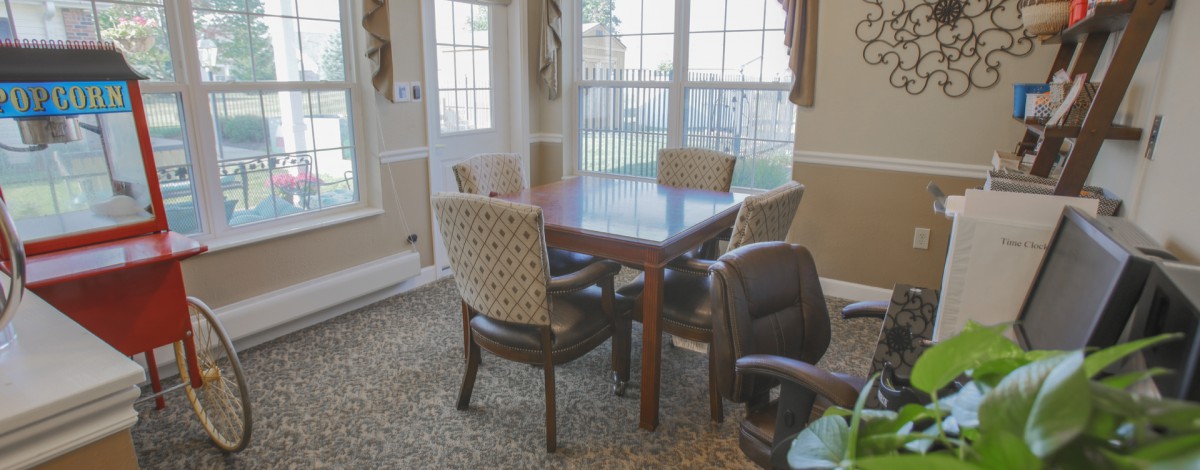
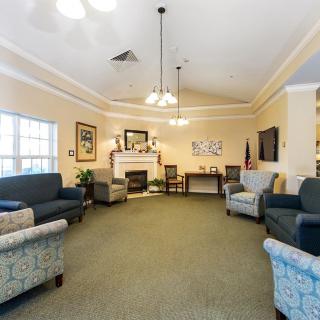
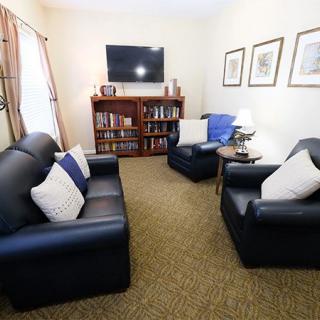
The strongest positives center on intimate staffing and resident-centric programming. Staff are repeatedly described as nice, attentive, and responsive, with a demonstrated ability to redirect residents safely when they pursue activities they shouldn’t. The facility makes good use of residents’ strengths, offering small jobs and tasks that fill time and preserve purpose. Cleanliness is consistently noted, and the building reads as warm, welcoming, and well maintained, with pleasant touches such as a featured dining area, a patio, and spaces designed for hobbies and quiet enjoyment. The activity calendar appears robust, with multiple daily offerings that help residents stay engaged and connected to the community.
On the downside, the layout can feel congested for walkers and mobility aids. Several reviewers call out that the nurses’ station sits at the hub of activity, which can bottleneck circulation and make navigation less forgiving for residents who rely on assistive devices. The dining space is described as pleasant but small, and overall the facility’s compact footprint limits the sense of spaciousness that some families expect in assisted living or memory care settings. There is also a sense in some notes that staff, while friendly, are occupied with clinical or administrative duties rather than spending extended, home-like time with residents. These factors can diminish the feeling of “home” for some families seeking a more expansive or highly interactive environment.
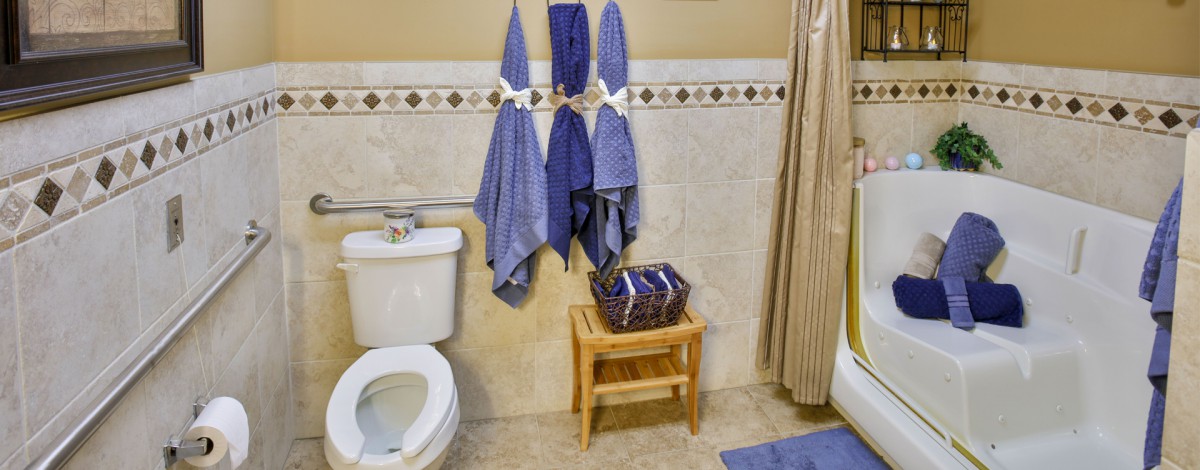
Yet the key pros do not vanish in light of these constraints; they offset the cons in practical ways for the target resident profile. The tight, manageable environment can heighten safety and observation, enabling staff to provide quick redirection and meaningful engagement. The emphasis on purposeful activity, the option to participate in daily tasks, and the availability of pet-friendly policies and outdoor spaces add to a resident’s sense of value and normalcy, often more so than a larger, busier campus could. Cleanliness and a transparent showing of room layouts and menus help families feel confident in what is being offered, reducing the ambiguity that can accompany larger facilities. In short, for memory care residents who benefit from routine, personalization, and a warm, intimate setting, the pros substantially compensate for the spatial limitations.
For families weighing this choice, the recommendation is clear: arrange a thorough tour with a focus on how a loved one’s specific mobility needs, daily rhythm, and social preferences will be met. Probe the resident-to-staff ratio during peak times, request to see actual rooms and the dining area in use, and confirm the pet policy if that is important. Consider a trial or a short-term stay to gauge how well the environment feels like home and how staff interactions translate into daily life. When intimate attention, a structured day, and a caring, small-community culture align with the loved one’s needs, Crawfordsville Bickford Cottage stands out as a thoughtful, capable choice. If bigger space, more expansive sameness of day-to-day activity, or broader clinical reach is non-negotiable, however, it is prudent to explore alternatives that better align with those priorities.
 33 resident community capacity
 Assisted Living
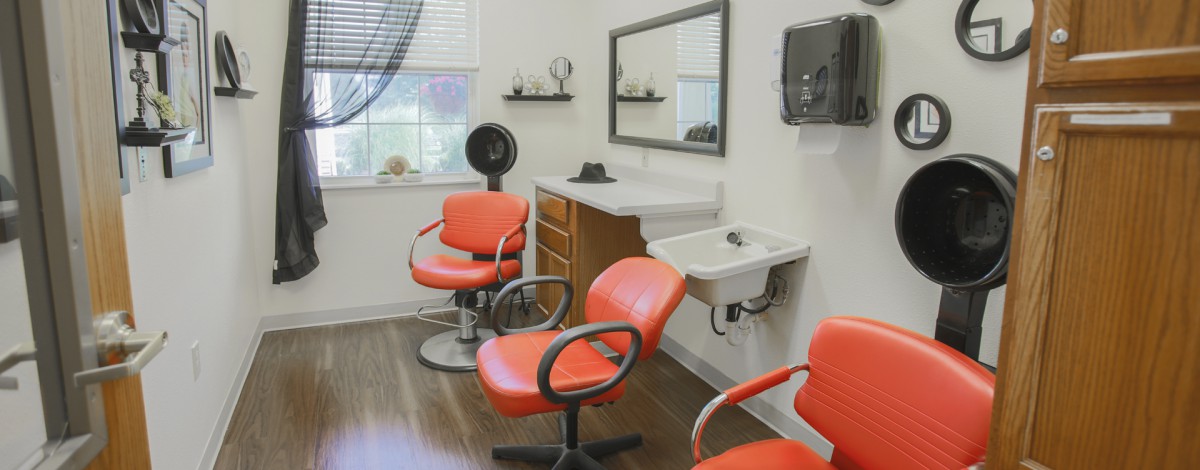
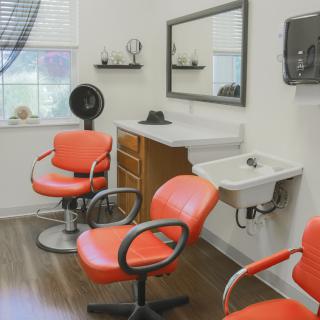
 Beautician on-site
 Cable or satellite TV
 Dining room
 Fully furnished
 Garden
 Housekeeping services
 Kitchenette
 Laundry
 Move-in coordination
 Outdoor space
 Resident parking
 Restaurant-style dining
 Small library
 Telephone
 Wi-Fi/high-speed internet available
 Transportation & parking
 24-hour call system
 Activities of daily living assistance
 Assistance with bathing
 Assistance with dressing
 Assistance with transfers
 Diabetes diet
 Medication management
 Mental wellness program
 Special dietary restrictions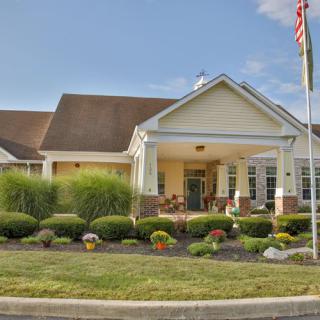



 Understanding the Distinctions: Assisted Living and Memory Care Explained
 Guiding Elderly Parents Who Refuse Assisted Living: 6 Practical Steps
 Your Comprehensive Guide to Luxury Assisted Living: Elevated Facilities, Amenities, and Costs