
1609 Lafayette Road, Crawfordsville, IN 47933
For more information about senior living options: (866) 208-4318
Overall Review of Williamsburg Health Care
Pros
 The staff have been extremely caring and patient with residents' needs.
- They go above and beyond to ensure residents have everything they need.
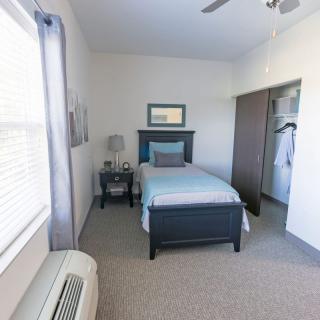
- The rooms are a nice size with plenty of room for residents and their roommates.
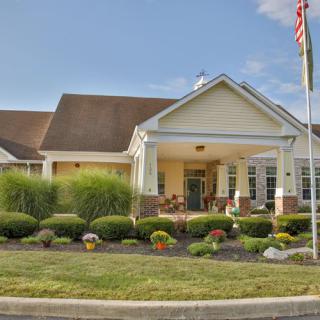
- The facility is clean and encourages residents to make it homey by bringing in items from home.
- Williamsburg offers daily activities to keep residents active and social.
- They match up residents who would be good together, showing thoughtful accommodation.
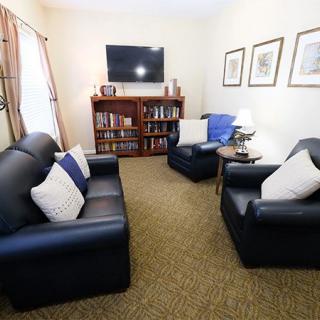
- They provide three separate meeting rooms for visitors to congregate, which is a huge plus.
Cons
 Residents are upset and feel they were kicked out of their home.
- The facility cannot keep track of residents or which hospital they are sent to.
- The nursing home is understaffed, causing residents to develop bedsores.
- Staff are afraid to report issues and treat friends and family members like they are stupid.
Review
Who this community is best suited for: Williamsburg Health Care is most appropriate for families seeking a smaller, home-like nursing setting where attentive staff, reasonable room size, and a focus on compatibility among residents matter. It works best for households that value personable, patient care and daily opportunities for social engagement, plus practical conveniences like on-site meeting spaces for family visits. Residents who respond positively to routine activities and the chance to personalize their space with items from home will likely feel comfortable here. The facility’s strengths center on human-scale care and a welcoming, residential atmosphere rather than a brand-new, hospital-like environment.
Who may want to consider alternatives: For families prioritizing rock-solid staffing levels, consistent, proactive medical oversight, and transparent accountability, this community may fall short. If concerns about staff availability and timely care rising to the level of preventing bed sores or properly documenting incidents are non-negotiable, look elsewhere. Those with complex medical needs, memory care requirements, or a desire for stricter discharge controls should scrutinize other options with clearer QA processes and stronger resident rights protections. Potential discharges or abrupt changes in residency appear to be a stability risk, making alternatives with clearer continuity of care worth considering.
How the key pros offset the main cons: The strongest arguments in Williamsburg’s favor are tangible day-to-day care signals: rooms that accommodate a roommate comfortably, a staff that reportedly shows compassion and patience, and a willingness to go the extra mile to ensure needs are met. Responding promptly to call lights, maintaining cleanliness, and encouraging residents to personalize their space help offset the “nursing home atmosphere” through a more homelike feel. The existence of multiple visitor rooms is a practical plus, reducing congestion and offering privacy for family interactions. Regular activities and social opportunities further strengthen the day-to-day quality of life, especially for residents who thrive on routine and engagement.
However, these positives do not fully compensate for the most troubling gaps. The concern that understaffing can lead to preventable complications, such as bed sores, casts a long shadow over otherwise solid daily care. When staff members appear reluctant to report issues or hold one another to account, the trust essential to safe, transparent care erodes. Reports of residents feeling “kicked out” or displaced, combined with accounts that staff treat family members poorly, raise red flags about administrative stability and culture. In short, the care experience can be excellent in small moments, but it remains vulnerable to systemic issues that undermine consistency and safety.
Practical, action-oriented conclusions: Families can still make Williamsburg work, but it requires proactive oversight. Before committing, request a detailed tour focused on staffing patterns, shift coverage, and wound-care protocols. Ask for current wound care plans, incident reporting processes, and how discharge decisions are communicated and documented. Speak directly with current residents and their families about who handles urgent problems after hours, and how concerns are escalated. Verify that there is a clear, documented plan for personalization, room assignments, and matching roommates, as well as accessible visitor spaces that meet the family’s needs. If these assurances cannot be obtained or sustained, it is prudent to explore other facilities with stronger day-to-day reliability.
Bottom line: Williamsburg Health Care can deliver meaningful, compassionate care in a home-like setting, especially for residents who thrive on personal attention and social programs. Yet the facility’s staffing and administrative inconsistencies present real risks that require vigilant family involvement and ongoing monitoring. For families prepared to engage actively and demand clear processes, the positives can outweigh the negatives. For those seeking a higher guaranteed standard of daily staffing, immediate oversight, and fewer opportunities for care gaps, pursuing alternatives remains a prudent, informed choice.
 116 resident community capacity
 Assisted Living
 Air-conditioning
 Beauty salon
 Cable or satellite TV
 Computer center
 Dining room
 Fitness room
 Fully furnished
 Gaming room
 Garden
 Housekeeping services
 Kitchenette
 Move-in coordination
 Outdoor space
 Private bathrooms
 Restaurant-style dining
 Small library
 Telephone
 Wellness center
 Wi-Fi/high-speed internet available
 Community operated transportation
 24-hour call system
 Activities of daily living assistance
 Assistance with bathing
 Assistance with dressing
 Assistance with transfers
 Diabetes diet
 Medication management
 Special dietary restrictions
 Concierge services
 Planned day trips



 Exploring the Contrasts Between Assisted Living and Skilled Nursing
 8 Key Indicators That Suggest It May Be Time to Transition from Assisted Living to Skilled Nursing Care
 Vibrant Senior Living: A Comprehensive Guide for Active Older Adults