
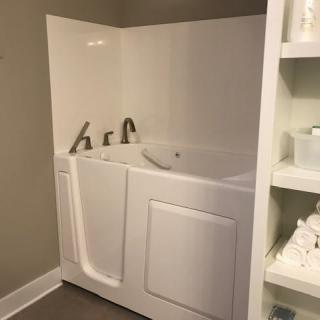
13633 Carey Rd, Carmel, IN 46033
To contact a resident: (317) 449-5696
For more information about senior living options: (866) 208-4318
Story Cottage at Carey Grove Costs & Pricing
At Story Cottage at Carey Grove, the monthly cost for a one-bedroom unit is set at $9,200, notably higher than both the average rates in Hamilton County and the broader state of Indiana, which are $3,945 and $3,300 respectively. This premium pricing reflects the specialized services and amenities that Story Cottage likely provides, catering to residents who may prioritize comprehensive care or enhanced living experiences. While it stands significantly above local averages, the value proposition includes personalized support tailored to individual needs within a welcoming community environment.
| Floor plans | Story Cottage at Carey Grove | Hamilton County | Indiana |
|---|---|---|---|
| 1 Bedroom | $9,200 | $3,945 | $3,300 |
Memory care communities with a similar price nearby
-
About the same
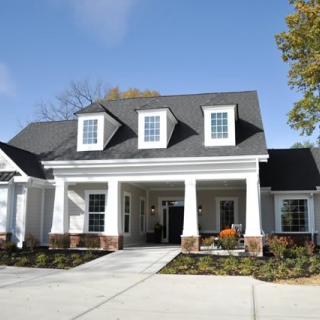
Story Cottage of West Clay
$9,200 / month4.3 miles away -
About the same
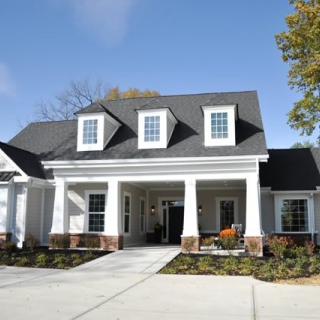
Story Cottage at Meridian Hills
$9,200 / month5.5 miles away
Overall Review of Story Cottage at Carey Grove
Pros
 The reviewer is very pleased with the care his wife receives at Cary Grove Story Cottage.
- The facility has a very low resident-to-caregiver ratio, allowing attentive care.
- The caretakers are competent and caring.
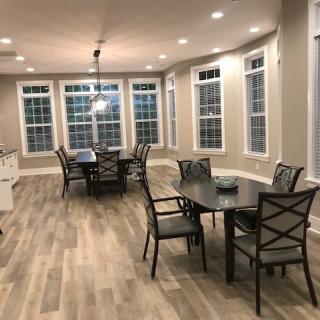
- There is a chef who prepares delicious meals.
- The reviewer cannot imagine his wife being anywhere else.
Review
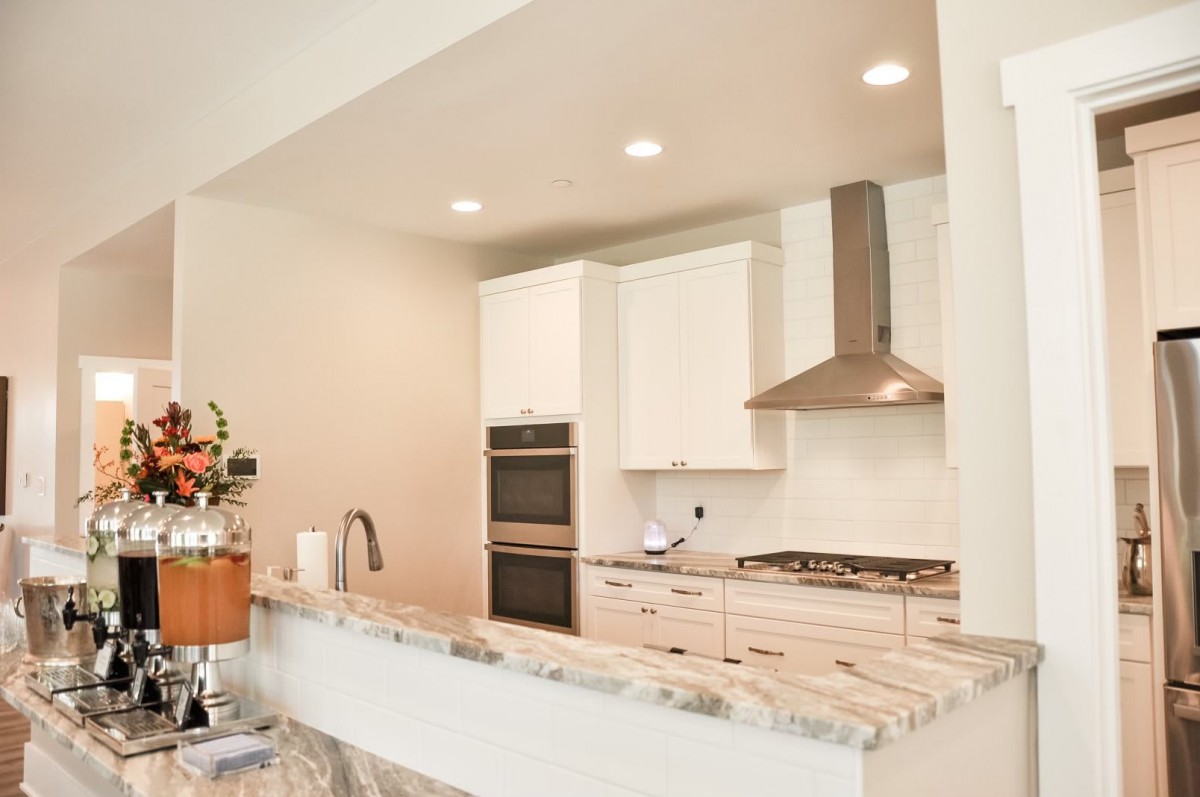
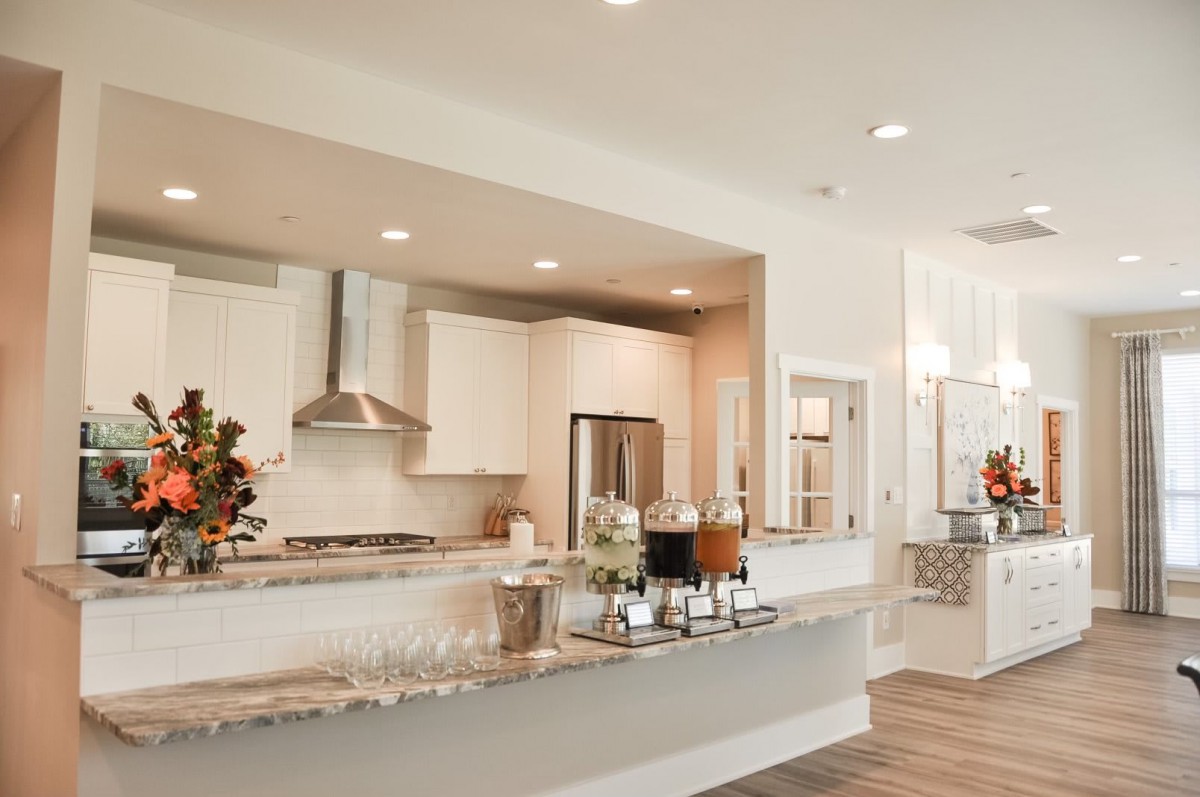
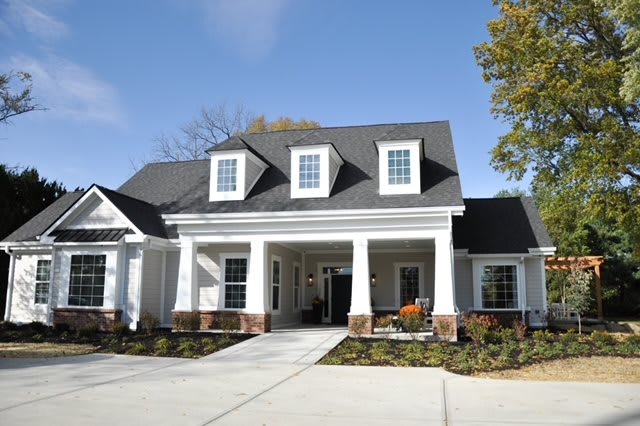
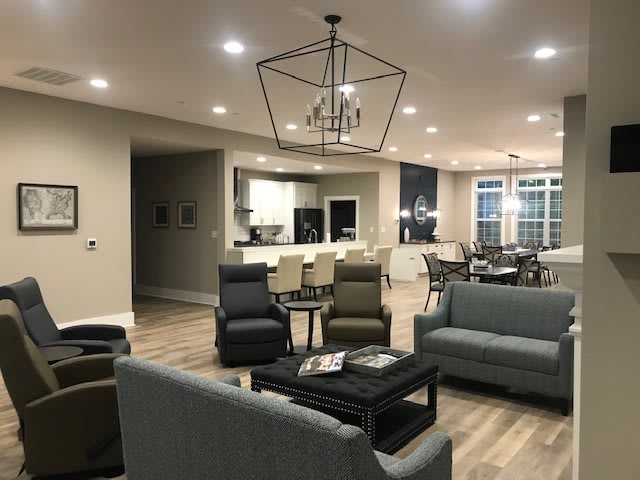
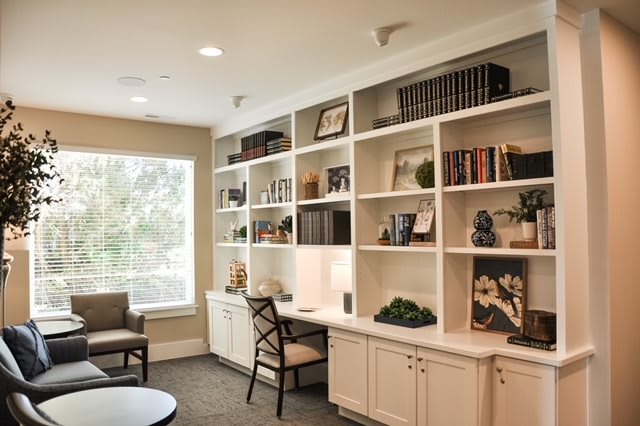
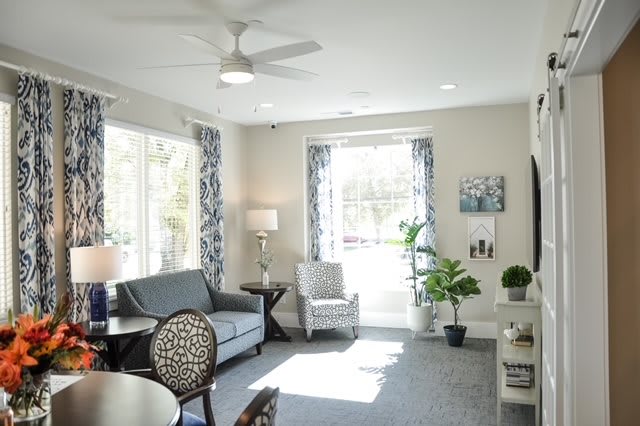
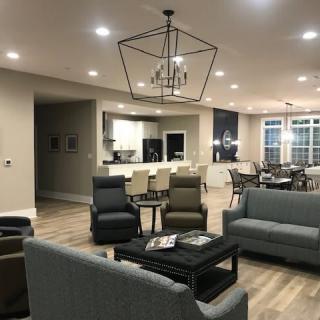
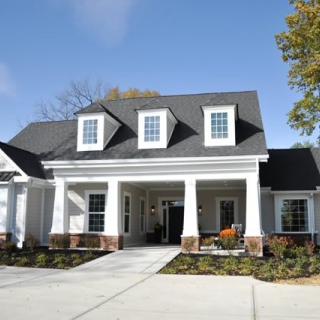
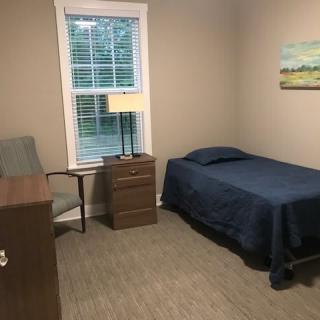
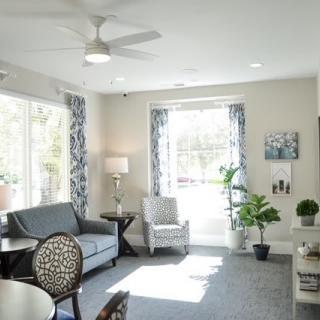
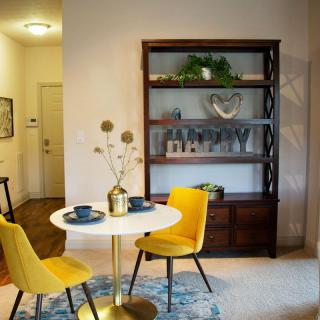
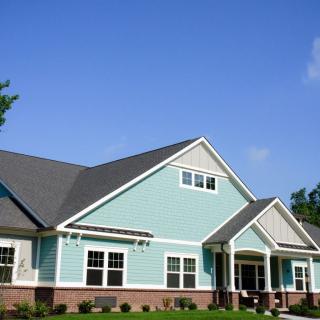
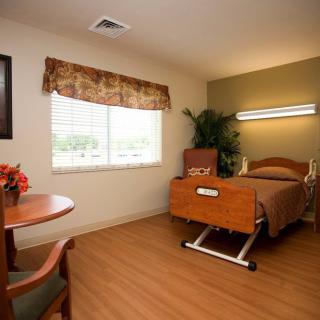
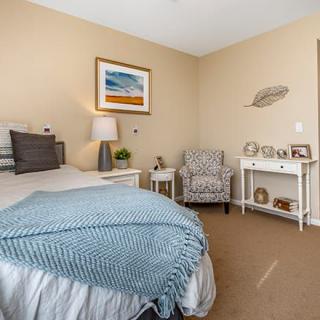
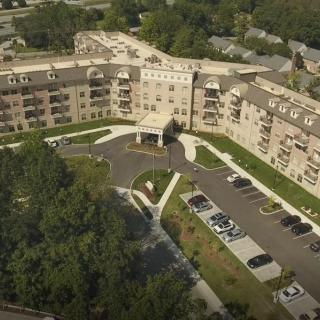
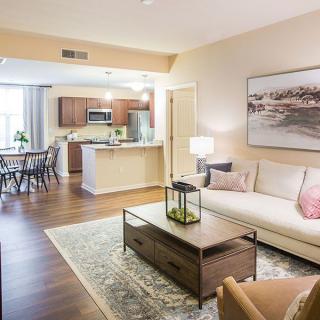
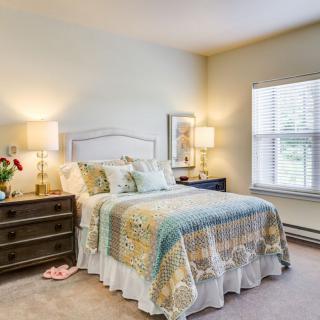
Story Cottage at Carey Grove is best suited for families seeking an intimate, dementia-focused care environment where every resident receives unusually high, hands-on attention in a home-like setting. In Carmel, Indiana, this small cottage houses about ten residents, delivering a remarkably low resident-to-caregiver ratio. The care team is described as competent and genuinely caring, with staff members who stay close to the people they support. A chef on site ensures meals are not only nourishing but enjoyable, which matters deeply in daily quality of life. For families prioritizing safety, routine, and a sense of being known by name, this community aligns with those needs with impressive coherence and consistency.
The strongest case here rests on the human-centered caregiving dynamic. The family member recounts six months of positive immersion in a tightly knit routine where caregivers know residents’ preferences, respond quickly, and provide steady supervision. The emphasis on warmth, skill, and reliability translates into real peace of mind for spouses and children navigating dementia care decisions. The culinary component, while not the central metric of care, reinforces consecutive days of comfort and appropriate nutrition, contributing to overall well-being and morale. In a dementia setting, such fidelity and presence from the care team can be as decisive as medical oversight, creating a sustenance of dignity and familiarity that can be hard to find in larger, less intimate campuses.
For families weighing alternatives, this option may not be the right fit if expectations include broad social programming, expansive amenities, or extensive on-site medical services. Larger memory care campuses often offer more activities, diversified outings, and quicker access to ancillary medical care or specialists. If independence at a higher level, a wider range of living options, or aggressive clinical intervention capabilities are priorities, a larger community could deliver those features more readily. Prospective residents who anticipate rapid changes in medical needs or who value a broad network of service lines may find the cottage environment more limiting than ideal. In short, the fit hinges on style of care and desired pace of daily life.
Yet the key advantages, exceptional caregiver availability, steady personal attention, and a comforting, home-like atmosphere, tend to offset the potential drawbacks in meaningful ways. The extremely low staff-to-resident ratio means less chance of missed cues, quicker response times, and a workflow that preserves residents’ dignity during routine activities and during transitions. Personalization matters here: caregivers become familiar with routines, preferences, and triggers, which reduces agitation and supports calmer days for residents with dementia. The intimate setting also strengthens family involvement, allowing relatives to participate in care planning, daily rituals, and meals without feeling like an outsider in a large, impersonal environment.
In evaluating this community, the prudent approach centers on a clear judgment of needs versus capabilities. If the priority is ultra-tangible, person-centered care in a small-scale setting, where staff know every resident and meals are thoughtfully prepared, Story Cottage at Carey Grove stands out as a high-probability win. Prospective families should still probe practicalities: exact caregiver ratios per shift, staff training in dementia-specific approaches, the availability of medical partners, and how transitions are managed if a loved one’s needs evolve. It’s also wise to confirm access to meaningful activity within the cottage and how often residents leave for communal events, if at all. The right questions will reveal whether a small, devoted ecosystem can sustain long-term care as needs mature.
Bottom line: for families chasing a high-touch, dementia-focused care experience in a compact, homey setting, Story Cottage at Carey Grove is a compelling, well-executed option. It delivers a level of caregiver presence and culinary quality that can translate into meaningful daily comfort and safety for a person living with dementia. If the decision-maker prioritizes intimacy, stability, and personalized attention over breadth of programming or expansive medical resources, this community deserves serious consideration. Conversely, those who anticipate needing a broader care continuum, more diverse activities, or on-site medical intensity should assess larger campuses or different models to ensure alignment with future needs. A visit to observe interactions, taste the meals, and discuss transition plans will crystallize whether this intimate cottage is the right home.
 Memory Care
 Indianapolis International (21 miles away)
 Comprehensive Guide to VA Nursing Homes: A Crucial Long-Term Care Resource for Veterans
 Estimating the Expenses of At-Home Dementia Care: A Detailed Exploration
 Comprehensive Insights on the Late Stages of Dementia: What to Expect and How to Provide Care