The Lodge at Fairway Forest #1 offers a range of living options that reflect competitive pricing in comparison to Kootenai County and the broader state of Idaho. For instance, the monthly cost for a private room is set at $3,450, which is notably higher than the county average of $3,124 but lower than the state average of $3,906. In terms of larger accommodations, a one-bedroom unit costs $4,400, surpassing both Kootenai County's average of $3,605 and Idaho's general rate of $3,774. Meanwhile, studio apartments are available for $4,950 - again placing it above both local ($3,512) and state ($3,213) levels. Finally, for those needing more space, the two-bedroom option at $5,100 stands well above county and state averages of $3,475 and $3,599 respectively. Overall, while The Lodge provides premium options that cater to various needs and preferences, its pricing may be positioned on the higher end when compared to regional benchmarks.
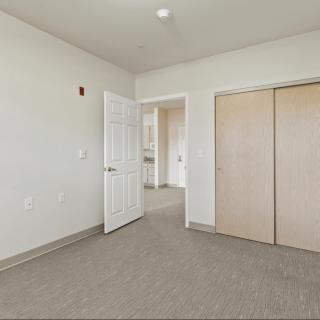
Floor plans
The Lodge at Fairway Forest # 1
Kootenai County
Idaho
Private
$3,450
$3,124
$3,906
1 Bedroom
$4,400
$3,605
$3,774
Studio
$4,950
$3,512
$3,213
2 Bedrooms
$5,100
$3,475
$3,599
Memory care communities with a similar price nearby
Residents highlight consistently good meals, including help with special diets.
Multiple residents and families describe the food as homemade and enjoyable, and they point to caring support in the kitchen. Several reviews also mention accommodations for specific dietary needs, including gluten-free and other restrictions. There are also a couple of comments that point to room for improvement with dinner consistency, even while other meals are described positively.
common24 reviews mention this
Staff are caring and responsive
Many reviewers say the staff is friendly, caring, and attentive to needs.
Across reviews, families describe the team as friendly, professional, and understanding, with staff who are willing to help and communicate. Several people specifically thank the staff for hands-on support and one-on-one attention, including efforts to help residents eat and stay comfortable. A few reviews also note variability in consistency, but even those commonly tie concerns to availability rather than lack of kindness.
caveat4 reviews mention this
Call buttons and staffing availability
Some residents and families report slow help and staffing coverage gaps.
A recurring negative theme is that help can be difficult to reach, including concerns about call buttons not working consistently and taking too long to arrive. Reviewers also describe situations where a resident was left waiting for assistance, including bathroom and transfer support. In at least one long complaint, the concern is framed as not enough staff on hand to cover daily needs, with staff described as kind but hard to find.
caveat3 reviews mention this
Fees and income requirements can be high
Pricing and move-in requirements come up as a barrier for some families.
Some reviewers say costs and requirements made it harder to move forward, including an up-front fee timing expectation. Others mention financial documentation requirements such as showing income for a period. There’s also at least one comment calling dementia recommendations very expensive.
common4 reviews mention this
Facility upkeep and cleanliness varies
Many describe a clean, well-kept environment, though some report odors.
Several reviews describe the community as clean and brand new, with rooms and common areas presented positively. A few comments also describe a home-like feel and a generally neat presentation. At the same time, one detailed review contrasts what was seen during a tour with the experience after moving, mentioning stronger odors and lower hygiene in a different building.
common3 reviews mention this
Activities help keep residents engaged
Reviews mention daily activity programming to keep residents busy.
More than one family says the community offers activities and that residents stay engaged as a result. Some reviews also describe exercise as part of the day, and one notes that activities helped keep a loved one busy. There is also at least one comment implying limited activity was seen during a tour, suggesting expectations can vary.
How we summarize
Counts show how many written reviews mention each theme; a review can touch several themes, and only frequently mentioned themes are displayed.
Features
Types of Care
Board and Care Home
Memory Care
Amenities
Activities on-site
Bath tubs
Beautician on-site
Devotional services on-site
Indoor common areas
Outdoor common areas
Private
Private bathrooms
Respite or short term stays offered
Swimming pool / hot tub
Wheelchair accessible showers
Care Services
Ambulatory care
Diabetic care
High acuity care
Incontinence care
Medication management
Dining
Kosher
Meals provided
Vegetarian
Activities
Activities on-site
Devotional activities on-site
Nearby Places of Interest
This part of Coeur d'Alene, Idaho, offers a convenient and diverse range of amenities for senior living. There are a variety of restaurants nearby, ranging from casual options like Meltz Extreme Grilled Cheese and Jack In The Box to more sit-down establishments like Chili's Grill & Bar and Cracker Barrel. Additionally, there are pharmacies such as Fred Meyer Pharmacy and Medicine Man North Pharmacy available for any healthcare needs. For leisurely activities, there are cafes like Awaken Coffee and Dutch Bros Coffee within a short distance. Medical care is easily accessible with physicians such as Northwest Family Medicine and Coeur d'Alene Primary Care nearby. Parks like Atlas Waterfront Park provide opportunities for outdoor recreation, while hospitals like Kootenai Health ensure residents have access to quality healthcare facilities in case of emergencies. Lastly, places of worship such as Coeur D'alene Bible Church offer spiritual support for those seeking it in the community.
Restaurants
Meltz Extreme Grilled Cheese (0.1 miles)
Jack In The Box (0.9 miles)
Chili's Grill & Bar (0.9 miles)
Sweeto Burrito (1 miles)
Cracker Barrel (1 miles)
Las Chavelas (1 miles)
Mongolian Bbque (1.3 miles)
Pharmacies
Fred Meyer Pharmacy (0.8 miles)
Medicine Man North Pharmacy (1 miles)
Medicine Man Pharmacy (1.4 miles)
Walgreens (1.4 miles)
Interlake Pharmacy (1.7 miles)
Pharmacy Services (1.8 miles)
Rite Aid (1.8 miles)
Cafes
Awaken Coffee (1.1 miles)
CK Coffee (1.4 miles)
Dutch Bros Coffee (1.8 miles)
Starbucks (1.8 miles)
Chomper Cafe (2.1 miles)
Starbucks (2.2 miles)
Physicians
Northwest Family Medicine (1.1 miles)
Coeur d'Alene Primary Care (1.2 miles)
Asthma & Allergy of Idaho (1.2 miles)
The Lyman Knee Clinic (1.2 miles)
Stowell Richard Dr Orthopedic Specialty Institute Coeur D Alene (1.2 miles)
Venia (1.4 miles)
North Idaho Heart Clinic (1.4 miles)
Parks
Atlas Waterfront Park (1.3 miles)
Hospitals
Emergency Room, Kootenai Medical Center (1.5 miles)
The Lodge at Fairway Forest #1 offers a range of living options that reflect competitive pricing in comparison to Kootenai County and the broader state of Idaho. For instance, the monthly cost for a private room is set at $3,450, which is notably higher than the county average of $3,124 but lower than the state average of $3,906. In terms of larger accommodations, a one-bedroom unit costs $4,400, surpassing both Kootenai County's average of $3,605 and Idaho's general rate of $3,774. Meanwhile, studio apartments are available for $4,950 - again placing it above both local ($3,512) and state ($3,213) levels. Finally, for those needing more space, the two-bedroom option at $5,100 stands well above county and state averages of $3,475 and $3,599 respectively. Overall, while The Lodge provides premium options that cater to various needs and preferences, its pricing may be positioned on the higher end when compared to regional benchmarks.
The Lodge at Fairway Forest #1 incorporates medication management as a crucial aspect of its memory care services, ensuring residents receive their medications accurately and on schedule, which is vital for maintaining cognitive function and overall health in individuals with dementia or Alzheimer's disease. This support alleviates the anxiety that can accompany self-administration of medications and minimizes the risk of missed doses or adverse interactions. Additionally, incontinence care is attentively provided to enhance residents' dignity and comfort while addressing one of the common challenges faced by individuals with cognitive decline. By offering compassionate assistance in personal care, the facility fosters a supportive environment that preserves residents' autonomy while promoting their well-being and peace of mind during all stages of their journey.
Nearby Communities
Lodge at Fairway Forest
Coeur D'alene, ID
4 from 23 reviews
Comprehensive care with 24/7 supervision and extensive amenities (dining, housekeeping, activities, transport coordination).
All Valley Home Care
Coeur D'Alene, ID
4.7 from 6 reviews
Consistent, friendly, and dedicated aides; well-organized service.
Meadow Ranch
Coeur D'alene, ID
Personalized care with meals, medication management, and Wi-Fi.
The Renaissance At Coeur D'Alene
Coeur D' Alene, ID
4.4 from 72 reviews
Excellent care and cleanliness with a warm, homey environment and friendly staff.
The Renaissance At Coeur D'Alene
Coeur D'alene, ID
4.3 from 55 reviews
Memory-care focused with 24/7 supervision and tailored programming.
Legends Park Assisted Living Community
Coeur D' Alene, ID
4.6 from 66 reviews
$4,025 to $5,950 / month
Caring, attentive staff in a clean, home-like setting with engaging activities.
Leisure Park
Hayden Lake, ID
4 from 10 reviews
Excellent proximity to parks, dining, pharmacies, physicians, and transportation.
Rose Terrace Cottages
Coeur D'alene, ID
3.8 from 16 reviews
$2,500 to $2,900 / month
Caring, supportive staff and a warm, positive atmosphere.
Guardian Angel Homes
Liberty Lake, WA
4.1 from 15 reviews
$1,050 to $2,400 / month
Friendly staff, pleasant decor, and a robust activities calendar.
Dementia causes cognitive decline and challenging behaviors that caregivers must manage, necessitating an understanding of the neurological basis of these issues. Effective strategies and self-care for caregivers can enhance support for those with dementia and improve their daily lives.
The content outlines five key early indicators of dementia, including significant memory loss and confusion about time and place, while emphasizing the need for professional evaluation and emotional support for both individuals showing symptoms and their caregivers. It encourages family members to monitor these signs closely and use online quizzes for initial awareness.
The article highlights eight indicators that a loved one with dementia may require specialized memory care, emphasizing the emotional and logistical challenges families encounter in this decision. It discusses signs such as difficulties with daily tasks, safety concerns, and caregiver burnout, suggesting that memory care facilities can provide the necessary support and structured environments for those experiencing cognitive decline.
Get PricingAsk A QuestionSchedule A TourContact Senior Advisor
By clicking submit, you agree to our Partner's Terms of Use. You
also consent to receive calls and texts, which may be autodialed, from our Partner. Your consent is not a condition to
using our Partner's service. Please visit our Partner's Privacy Policy for information about their privacy practices.


 Board and Care Home
 Memory Care
 Activities on-site
 Bath tubs
 Beautician on-site
 Devotional services on-site
 Indoor common areas
 Outdoor common areas
 Private
 Private bathrooms
 Respite or short term stays offered
 Swimming pool / hot tub
 Wheelchair accessible showers
 Ambulatory care
 Diabetic care
 High acuity care
 Incontinence care
 Medication management
 Kosher
 Comprehensive care with 24/7 supervision and extensive amenities (dining, housekeeping, activities, transport coordination).
 Dementia Behaviors: In-Depth Understanding and Effective Coping Strategies
 5 Early Indicators of Dementia and What You Can Do
 8 Important Indicators That Memory Care May Be Necessary