










350 S Allumbaugh St, Boise, ID 83709
To contact a resident: (208) 322-1555
For more information about senior living options: (866) 208-4318
MorningStar Memory Care at Englefield Green Costs & Pricing
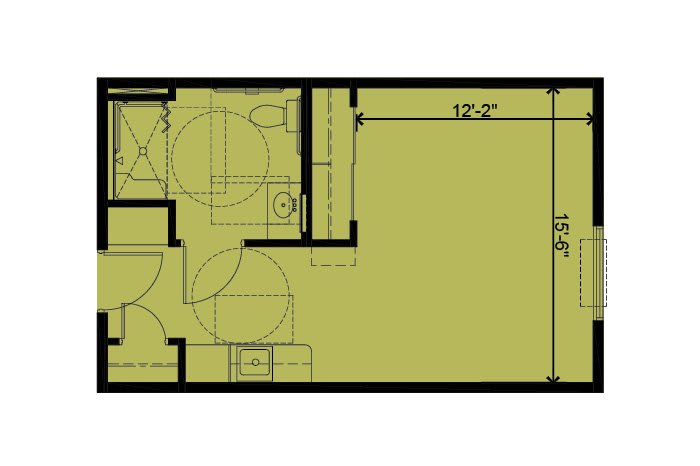
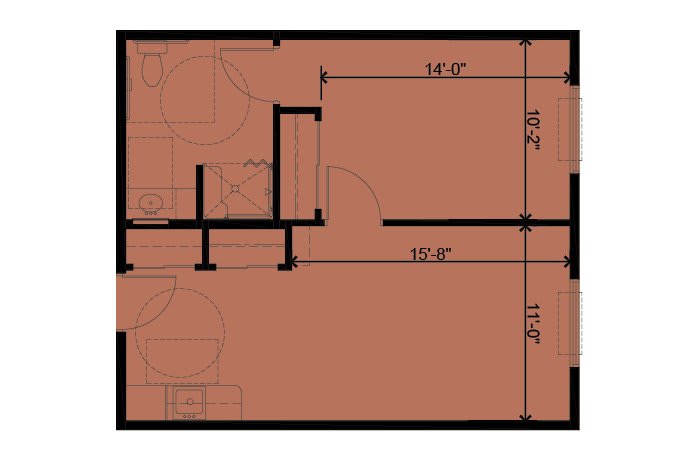
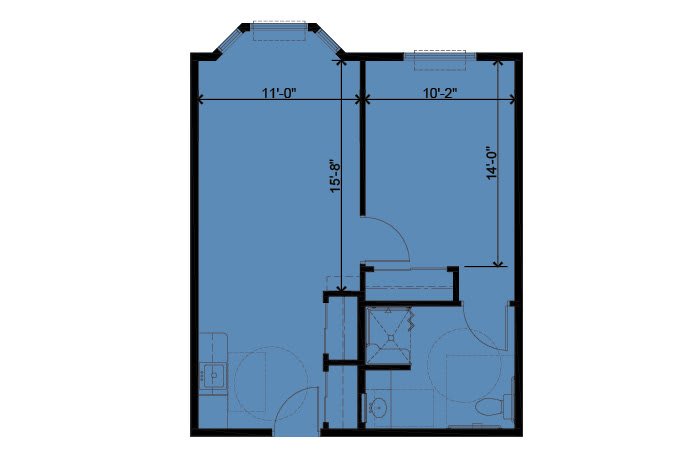
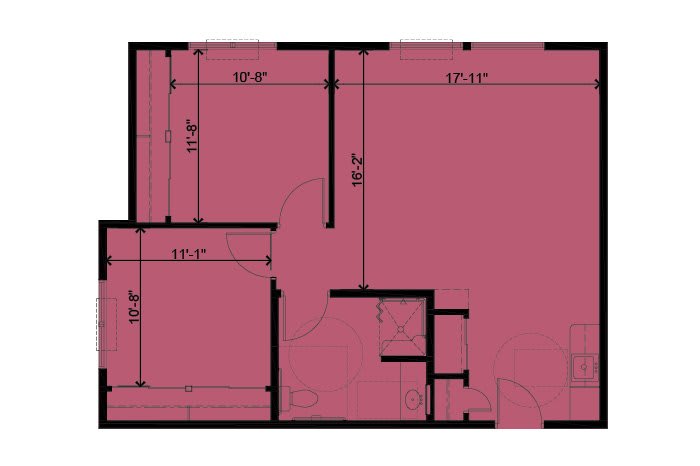
MorningStar Memory Care at Englefield Green offers a higher level of care and amenities reflected in its pricing, with monthly costs for a studio unit set at $6,510 and a one-bedroom unit priced at $6,935. In comparison, the average costs for similar types of accommodations in Ada County are significantly lower, at $3,387 for a studio and $3,691 for a one-bedroom. Furthermore, when looking at statewide averages across Idaho, these numbers remain competitive but still highlight the premium associated with MorningStar's specialized memory care services. While the costs may be greater than other local options, they encompass comprehensive support tailored to the needs of residents facing memory-related challenges. This investment is indicative of the quality and personalized care that families can expect from MorningStar Memory Care.
| Floor plans | MorningStar Memory Care at Englefield Green | Ada County | Idaho |
|---|---|---|---|
| Studio | $6,510 | $3,387 | $3,213 |
| 1 Bedroom | $6,935 | $3,691 | $3,774 |
Memory care communities with a similar price nearby
-
from -$710 / mo
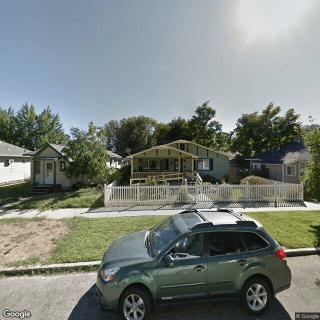
Amber Lane Residence
$5,800 / month3.0 miles away -
from -$760 / mo

Touchmark at Meadow Lake Village
$5,750 / month3.9 miles away -
from -$794 / mo
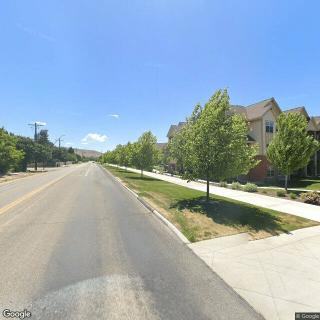
The Terraces of Boise
$5,716 to $6,797 / month7.9 miles away -
from -$1200 / mo

Meadow Lake Village Retirement Resort - Owyhee Bldg
$5,310 / month4.0 miles away
Overall Review of MorningStar Memory Care at Englefield Green
Pros
 The facility is very clean.
- The CNA nurses have been very sweet to him.
- They have hired more people, so it is better now.
- Dad seemed happy with the people who were seeing to his needs as well.
- There were a couple of nurses who took good care of him and did a good job.
- The staff seem to be trying to do their best.
Cons
 The husband's bathroom has not been as clean as it should be.
- They have been short staffed.
- The maintenance side of things has been lacking and required several calls to resolve issues in his unit.
- The activities are not well tailored to the clientele, adopting a generic, one-size-fits-all approach due to limited manpower.
- The staff were stretched thin.
- The CNAs could use more training and more help.
Review
MorningStar Memory Care at Englefield Green in Boise is best suited for families seeking a memory-care environment where cleanliness, a warm frontline staff presence, and a path toward steadier operations under new leadership are the primary buying points. The community appears geared toward residents who need close supervision, help with daily tasks, and care that can adapt to cognitive and sensory needs. The emphasis on a tidy, orderly setting provides a reassuring foundation for families navigating memory care. Expect a practical, no-nonsense atmosphere, with the understanding that staffing and process improvements are actively taking shape as ownership changes take hold.
Cleanliness stands out as the clearest strength. The facility’s maintenance and housekeeping come across as consistently solid, which matters greatly in memory care where comfort and infection risk are intertwined. The kindness of frontline staff is repeatedly noted; CNAs and nurses are described as “sweet” and attentive, able to form meaningful, if sometimes imperfect, connections with residents. This personal warmth matters when a resident may resist care or require gentle handling through daily routines. The ongoing hiring push and the turnover underway to bring more hands on deck suggest the care team is stabilizing, not shrinking, and that has meaningful implications for daily responsiveness and morale.
Yet there are clear caveats that families must weigh. Staffing has been a chronic shortfall, with witnesses to days when coverage felt thin and requests took longer to resolve. Maintenance and unit-specific issues have surfaced, signaling operational gaps that can affect timely repairs and fine-tuning of individual environments. Activities, while present, tend to feel generic and not always tailored to the memory-care population’s preferences or pace. The reviewers note that a one-size-fits-all approach is a function of manpower, which means residents who crave highly individualized programming may experience frustration or disengagement at times. Acknowledging these gaps helps set realistic expectations about day-to-day life in the community.
The upside of the staffing and programming realities is that several nurses and aides have proven capable of delivering good care within constraints, and a visible shift toward more staff is underway. The combination of cleaner spaces, kinder interactions, and the promise of more consistent coverage under Cornerstone’s oversight points to a sustained improvement trajectory. For residents who can tolerate occasional delays in maintenance or less-than-perfect activity customization, the personnel warmth and cleaner environment can deliver meaningful daily quality of life. In other words, core strengths can and do compensate for the present operational rough edges, provided families are prepared for a period of adjustment during the transition.
Families who priorititize highly structured activity programs, rapid maintenance response, and perfectly consistent staffing may want to compare alternatives. Other communities with deeper, more robust memory-care programming, more stable staffing ratios, or a longer track record of specialized dementia care may be a better fit for residents with pronounced engagement needs or families seeking near-immediate reliability. It’s also prudent to consider whether a quieter, more predictable routine is essential, as the current pacing and programming can feel uneven when demand outpaces supply.
In the end, MorningStar Englefield Green represents a practical option for those who value cleanliness and a compassionate caregiver base, with a credible plan for stabilization in motion. The blend of improved staffing, sincere staff interactions, and a clean environment makes it worth a careful visit for families who can tolerate current transition bumps. Prospective buyers should go in with concrete questions: What are current staff-to-resident ratios on each shift? How are maintenance requests tracked and resolved, and what is the average turnaround? How personalized are the activity offerings right now, and what examples exist of tailoring for memory-impaired residents? If the answers point to ongoing, credible improvement and a calm, supportive setting, this community becomes a sensible, well-considered choice. If those assurances feel tentative, exploring alternatives with more established memory-care programming and staffing consistency remains advisable.
 Memory Care
 Activities on-site
 Beautician on-site
 Cable or satellite TV
 Devotional services on-site
 Indoor common areas
 Outdoor common areas
 Wheelchair accessible showers
 Wi-Fi/high-speed internet available
 Boise Air Terminal (3 miles away)
 Diabetic care
 High acuity care
 Incontinence care
 Medication management
 Gluten-free
 Art classes
 Gardening club
 Live well programs
 Sensory-based programs
 Visiting chaplain or priest






 Nourishing the Mind: Essential Dietary Approaches for Dementia
 Understanding Dementia Behaviors: Practical Insights and Strategies for Caregivers
 When Dementia Sparks Anger and Aggression: Understanding the Connection and Ways to Cope