
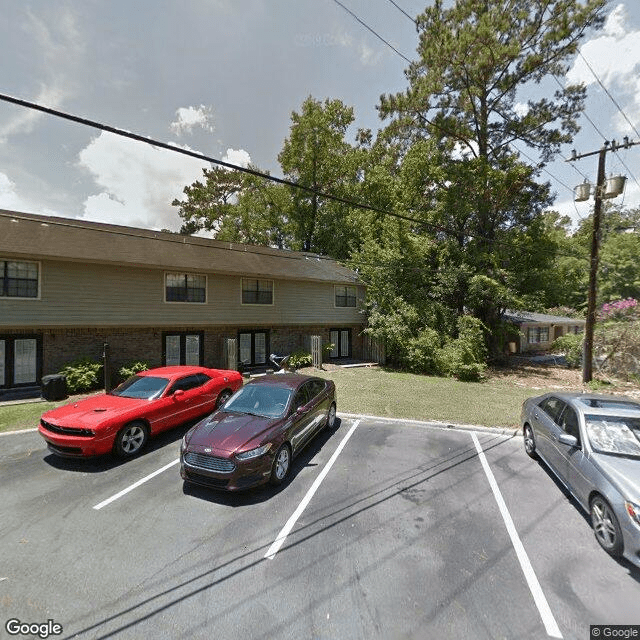
249 Holland Dr, Savannah, GA 31419
To contact a resident: (912) 925-3445
For more information about senior living options: (866) 208-4318
The Gardens of Savannah Costs & Pricing
The Gardens of Savannah offers competitive pricing for various living arrangements, presenting an attractive option for potential residents. For a studio, the cost stands at $3,000 per month, which is notably lower than both Chatham County's average of $3,564 and the state average of $3,520. The one-bedroom unit is available for $3,300, slightly above Chatham County's average of $3,245 but still within a reasonable range compared to Georgia's average of $3,412. Conversely, the private room option is priced at $5,000 per month - a premium compared to Chatham County's average of $3,077 and Georgia's lower average of $2,864. Overall, The Gardens of Savannah presents an appealing value proposition for those seeking independent living in a community-focused environment while offering transparent comparisons with local and state averages.
| Floor plans | The Gardens of Savannah | Chatham County | Georgia |
|---|---|---|---|
| Studio | $3,000 | $3,564 | $3,520 |
| 1 Bedroom | $3,300 | $3,245 | $3,412 |
| Private | $5,000 | $3,077 | $2,864 |
Memory care communities with a similar price nearby
-
from -$500 / mo
Loving Care
$2,500 to $2,800 / month6.0 miles away -
from +$560 / mo
The Suites at Station Exchange
$3,560 to $3,960 / month10.4 miles away -
from +$380 / mo

Harmony at Savannah
$3,380 to $4,245 / month2.7 miles away -
from +$540 / mo
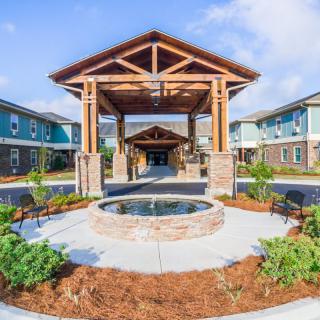
Oaks at Pooler
$3,540 to $5,725 / month13.0 miles away -
from +$550 / mo
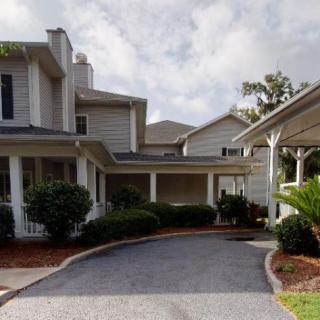
Summer Breeze Senior Living
$3,550 to $4,195 / month8.9 miles away
Overall Review of The Gardens of Savannah
Pros
 The Gardens of Savannah is a beautiful, warm community with a homey feel.
- The staff are amazing and truly care for the residents.
- The Gardens of Savannah is a great spot for loved ones who desire a private, home-like setting.
- The administrator Lindsey and her staff are genuine and attentive to residents and their families.
- The administrator and her assistant are lovely people who care for the residents.
- It is an awesome place to be with very compassionate staff.
- They really care about the well-being of residents, offering thoughtful activities and making it a home away from home.
- It is a beautiful place that looks and smells amazing, a peaceful home rather than a facility.
- Each staff member shows that they are well educated in understanding residents with Alzheimer's and dementia.
- The facility is a home away from home for residents, with friendly staff and a great environment.
- It is a very nice place with upgrades, and the staff take pride in their work.
- The new cook, Mr. Brandon, prepares healthy, delicious meals that residents enjoy.
Cons
 The facility is described as horrible, with management often absent and residents left without power during the hurricane, no generator available, and staff treated poorly.
- The management is accused of a scamming/payroll incident, where a worker wasn’t paid for an 8-hour shift and the issue was not resolved, leading to the reviewer stating they would never work there again.
- Gardens of Savannah is criticized as having horrible management and a corporate focus on profits, evidenced by a high turnover rate and the impression that they don’t care about staff or residents.
Review
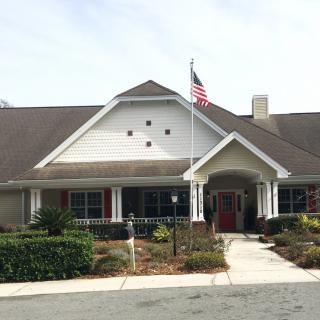
The Gardens of Savannah is best suited for seniors who want a warm, intimate, home-like environment where care feels personal and daily life centers on connection. This community shines for families seeking a small-house feel rather than a sprawling campus, with staff described as genuinely caring and present. The emphasis on meaningful activities, dementia-aware care, and a strong sense of community makes it a compelling option for residents who thrive on regular engagement and social routines. The setting reads less like a clinic and more like a private residence, which helps reduce overwhelm for new movers or couples who wish to maintain familiar routines while aging in place.
However, this is not a one-size-fits-all choice. Families prioritizing rock-solid management stability and transparent governance should consider alternatives. Several reviews raise concerns about leadership consistency and accountability, including reports of management being hard to reach, payroll disputes, and rapid turnover. The specter of corporate strategies that seem to privilege margins over resident experience also appears in some voices. In a worst‑case scenario, one account describes a hurricane-related power outage without backup power, underscoring the potential fragility of emergency contingencies. For families needing unwavering operational reliability, other facilities with longer, documented track records may be more prudent.
On the positives, the staff’s warmth and resident-centered approach stand out. Multiple reviewers praise extremely friendly, attentive caregivers who cultivate a family atmosphere, keep residents engaged, and maintain high cleanliness standards. The administrator and her assistant receive particular commendation for responsiveness and genuine concern for residents and families. The care team’s commitment shows in a robust activity calendar, dementia-friendly programming, and attentiveness during meals and daily routines. A kitchen upgrade and a new cook delivering healthy, appealing meals further enhance daily life. These strengths translate into tangible daily experiences that many families actively seek when choosing a home for a loved one.
That said, the management picture is uneven in the eyes of reviewers. Accounts consistently surface concerns about leadership, responsiveness, and perceived corporate priorities. High turnover, pay-related disputes, and questions about decision-making undermine the sense of stability that families want. Yet, the front-line staff frequently defies the negatives with steady, compassionate care, suggesting a gap between corporate rhetoric and bedside reality. For families where day-to-day warmth and robust activity are decisive, this dissonance can be tolerated if the care remains personal and respectful, but it demands candid, direct conversations with leadership during tours and pre-move planning.
Emergency preparedness offers a practical barometer. The hurricane-era outage story is troubling because it signals potential vulnerability in power outages or backup systems. Prospective residents should demand a clear, documented disaster plan, confirm backup power capabilities, and observe how staff coordinate during tours or trial stays. Equally important is a frank discussion about staffing stability and payroll practices, will the same caregivers be there in coming quarters? The answers will influence whether the perceived warmth and activity level justify navigating governance uncertainties, or if a facility with steadier oversight is a better match for long-term peace of mind.
When the fit is right, the home-like atmosphere, active daily life, dementia-informed care, and an accessible leadership team, The Gardens of Savannah stands out as a compelling option. It is especially strong for couples who want to stay together and for seniors who prize social engagement and a sense of belonging. Prospective families should visit with a purposeful checklist: observe staff–resident interactions, inquire about turnover and training, sample meals, review the activity calendar, and press for specifics about disaster preparedness and payroll practices. For those needing steady corporate governance and a predictable governance track record, alternatives may be wiser; for others, this community can deliver a warm, lived-in quality of life that resonates day after day.
 Memory Care
 Activities off-site
 Beautician on-site
 Devotional services off-site
 Indoor common areas
 Outdoor common areas
 Respite or short term stays offered
 Wheelchair accessible showers
 Savannah International (11 miles away)
 Ambulatory care
 Diabetic care
 Incontinence care
 Meals provided

 Dementia Behaviors: In-Depth Understanding and Effective Coping Strategies
 5 Early Indicators of Dementia and What You Can Do
 8 Important Indicators That Memory Care May Be Necessary