
455 Whitlock Ave NW, Marietta, GA 30064
To contact a resident: (770) 590-1900
For more information about senior living options: (866) 208-4318
Ashley Oaks Personal Care Home Costs & Pricing
Ashley Oaks Personal Care Home offers competitive pricing for its residents, with costs significantly lower than the average in both Cobb County and the broader state of Georgia. For semi-private rooms, Ashley Oaks charges $1,500 per month, which is well below the county's average of $2,367 and the state's average of $2,529. Private room rates at Ashley Oaks range from $1,700 to $3,876, again positioning them favorably against Cobb County's average of $2,788 and Georgia's average of $2,864. Additionally, their one-bedroom apartments are priced at $2,400 - a cost-effective option compared to the county's $3,303 and the state's $3,412 averages. This pricing structure reflects Ashley Oaks' commitment to providing affordable care without compromising on quality.
| Floor plans | Ashley Oaks Personal Care Home | Cobb County | Georgia |
|---|---|---|---|
| Semi-Private | $1,500 | $2,367 | $2,529 |
| Private | $1,700 to $3,876 | $2,788 | $2,864 |
| 1 Bedroom | $2,400 | $3,303 | $3,412 |
Memory care communities with a similar price nearby
-
from +$250 / mo
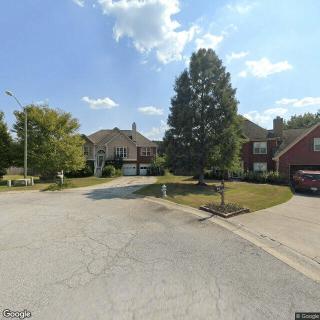
Clover Senior Living
$1,750 to $4,700 / month10.9 miles away -
from +$100 / mo
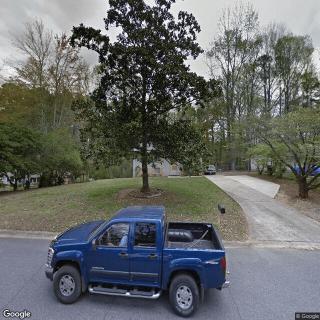
My Care Your Care Home
$1,600 to $1,900 / month5.4 miles away -
from +$200 / mo

Hall of Grace Personal Care Home
$1,700 / month6.9 miles away -
from +$146 / mo
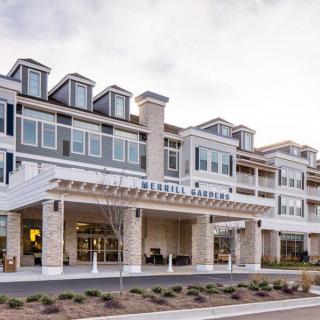
Merrill Gardens at Woodstock
$1,646 to $5,595 / month10.7 miles away -
About the same

Joy's Manor Pch
$1,500 to $4,000 / month22.5 miles away
Overall Review of Ashley Oaks Personal Care Home
Pros
 The director and her staff are highly impressive to the family.
- The facility is reminiscent of a resort and residents appear well tended.
- The director has helped families through difficult times.
- The staff is described as one of the most caring and attentive in a senior community.
- The Oak at West Cobb is described as one of the most innovative communities.
- The staff across management, maintenance, nurses, and housekeeping are amazing and caring.
- Julian, the maintenance director, went above and beyond.
Cons
 It is described as the worst place you could put a family.
 - Residents are overmedicated, turning into drugged-out zombies.
- Staff are said to treat residents worse than you would treat a dog.
- There is neglect, with residents left on the floor in their own excrement for hours.
- The facility is poorly run, with constant medication mix-ups and staff shortages.
- The front desk is often unmanned and phone calls go unanswered.
- There is a revolving door of management and staff, making positive change very difficult.
- Activities are almost nonexistent and meals are not nutritious.
- The price is overpriced for what is provided.
- One reviewer warns to run away from this facility.
Review
Ashley Oaks Personal Care Home in Marietta appeals to families craving a polished, resort-like setting where residents can enjoy a warm, social atmosphere and well-kept spaces. It is best suited for guardians who are prepared to stay deeply involved in care decisions, asking pointed questions, and verifying daily routines. The property often draws praise for its aesthetics, cleanliness, and the impression of attentiveness from several staff members, including those in nursing and maintenance roles. For loved ones who need memory-supporting services, the ambiance and activity options can be a plus, yet the true measure will hinge on staffing reliability and the quality of daily interactions. In short, this is a strong fit only for families ready to supervise closely and advocate consistently.
However, serious caveats exist that push many families to explore alternatives. A recurring thread of reviews centers on staffing instability, high turnover, and leadership turnover, which translates into inconsistent care. Reports describe occasions of medication mismanagement and even episodes of neglect, including extended periods without adequate monitoring. Front-desk coverage is uneven, access after hours is unreliable, and billing or administrative communications have prompted distrust. Several reviewers question the safety and security of the environment, citing frequent director changes and a perception of disorganization. For families prioritizing predictable routines, strong memory-care expertise, and transparent governance, these signals warrant caution and a wide-ranging comparison with other local options.
On the upside, Ashley Oaks has pockets of genuine care and professionalism that show up in concrete, everyday ways. Instances of staff kindness, responsiveness, and hands-on assistance appear in multiple accounts, with particular appreciation for maintenance and front-line personnel who go the extra mile to welcome visitors. When the director is present and actively engaged, communication with families is cited as prompt and meaningful, and some residents experience well-prepared meals and thoughtful daily activities. The facility’s public-facing areas are described as bright and inviting, with a level of upkeep that reinforces a sense of safety and comfort. For families who can align with a dependable core of staff, these positives provide meaningful reassurance.
Yet the negative experiences cited are not trivial. The most disturbing themes involve potential overmedication in memory care, reports of residents being restrained by pharmacology rather than care, and danger signs such as residents left unmonitored or unattended for hours. Several reviews recount broken promises, missed meals, or delayed assistance, alongside frequent delays or gaps in communication. The dining and activity programs are described as inconsistent, with some noting nutritionally sparse meals and limited engagement. A pervasive concern is the revolving door of management and nurses, making it difficult to establish continuity of care, trust, and accountability. These patterns overshadow the facility’s aesthetic appeal and the moments of warmth found in individual staff interactions.
Given these mixed signals, the key to a favorable outcome lies in robust due diligence and an explicit plan for oversight. The aesthetics and some staff attitudes cannot compensate for systemic issues in care delivery, but they can offer a viable environment for families who are willing to demand concrete care commitments: clear medication policies, a stable caregiving team, defined accountability, and targeted engagement with administrators. Prospective residents should seek to observe memory-care routines during different shifts, speak with multiple caregivers, and request detailed explanations about staffing ratios, caregiver training, and how changes in leadership are communicated. If these assurances cannot be secured, alternatives with steadier leadership and verified outcomes deserve serious consideration.
Bottom line: Ashley Oaks is not a one-size-fits-all choice. It suits families prepared to micromanage care in a high-end setting, where beauty and warmth exist alongside legitimate safety and consistency concerns. For those who cannot or will not commit to active oversight, or who need a proven track record of stable memory-care management, exploring other local options is prudent. The recommended path is to schedule comprehensive tours at busy and quiet times, request candid references from current families, verify direct contact with the administrator, and demand written policies on med management, incident reporting, and security. With disciplined due diligence, a well-matched option can be found; without it, the risk of frustration, and compromised well-being, remains high.
 Board and Care Home
 Memory Care
 Private
 William B Hartsfield-Atlanta International (23 miles away)





 When to Transition from Assisted Living to Memory Care: Key Indicators, Steps, and Finding the Right Community
 Understanding the Distinctions: Assisted Living and Memory Care Explained
 How to Communicate with a Loved One Living with Dementia: 10 Supportive Strategies