Tender Personal Care Home #2 offers a range of accommodations designed to meet the needs of its residents, with pricing reflective of the quality care provided. For a private room, the monthly cost is $3,500, positioning it above both Gwinnett County's average of $2,551 and the statewide average of $2,864. Alternatively, residents opting for a one-bedroom suite will find the cost at $4,000 per month, which still surpasses local and state averages - Gwinnett County at $3,647 and Georgia overall at $3,412. While these rates are higher than regional benchmarks, they signify a commitment to personalized care and comfortable living environments that many families value when considering long-term care options for their loved ones.
Floor plans
Tender Personal Care Home #2
Gwinnett County
Georgia
Private
$3,500
$2,551
$2,864
1 Bedroom
$4,000
$3,647
$3,412
Memory care communities with a similar price nearby
Caregivers are described as attentive, knowledgeable, and responsive to residents’ needs.
Many reviewers say the owners and caregivers meet individual needs day to day, including helping families with updates and special requests. Several also describe staff as compassionate and patient, with residents appearing comfortable and calm. In cases involving dementia or advanced care needs, reviewers highlight close attention and day-to-day support.
common
Home-like setting and cleanliness
Residents and families frequently mention a clean, home-like environment.
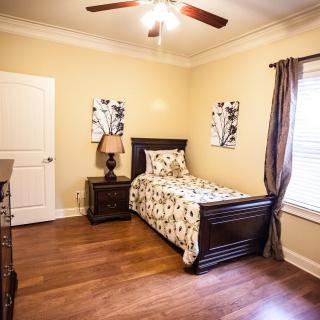
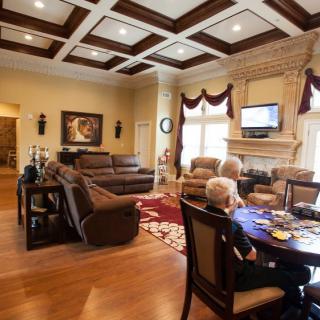
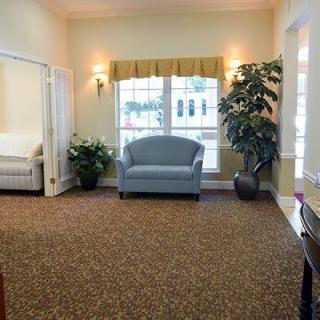
Reviewers describe the home as clean and comfortable, with common areas and private rooms that feel bright and welcoming. Multiple comments mention family-style dining spaces and gathering spots like outdoor areas (including a gazebo), which contribute to the “home” feel. Several reviewers also emphasize cleanliness as an ongoing standard, not a one-time impression.
common
Meals are a consistent highlight
Family-style meals and the quality of food come up repeatedly in reviews.
Residents and families frequently comment on meals being enjoyable and better than institutional food, and they mention regular home-cooked cooking. Several reviewers describe family-style eating as part of the overall atmosphere, and some say special diets are handled well. Dining is also mentioned alongside activities and celebrations, tying meals to day-to-day life.
differentiator
Memory care needs are emphasized
Reviewers often discuss support for dementia and Alzheimer’s care needs.
Many reviewers specifically reference dementia or Alzheimer’s, describing the home as a good fit as conditions progressed. They highlight attentive assistance with daily needs and mention that residents stayed engaged through activities and celebrations. The community also states it serves memory care, which aligns with how frequently dementia-related experiences appear in reviews.
caveat
Pricing can be a concern
Some families say the cost may be difficult to fit within their budget.
At least one reviewer mentions cost as the main thing holding them back compared with an alternative within the same brand. Pricing is presented as above county levels for at least one unit type, with Private pricing notably higher than the county and also higher than the state. One other reviewer frames affordability as less stressful than other options they tried, but overall cost still comes up as a concern for some families.
caveat
Respite information was disputed
One reviewer disputed the respite/daycare information given when they called.
One review says they called about respite care and felt the response was misleading regarding day care versus true respite services. The community lists respite or short-term stays as offered, so this appears to be a mismatch between what was discussed on the phone and what the caller expected. If respite time is a key requirement, this is worth clarifying directly.
How we summarize
We summarize when many written reviews mention each theme; a review can touch several themes, and only frequently mentioned themes are displayed.
Features
Types of Care
Board and Care Home
Memory Care
Amenities
Activities on-site
Bath tubs
Devotional services on-site
Indoor common areas
Outdoor common areas
Private
Private bathrooms
Respite or short term stays offered
Wheelchair accessible showers
Care Services
Ambulatory care
Diabetic care
High acuity care
Incontinence care
Medication management
Dining
Meals provided
Activities
Activities on-site
Devotional activities on-site
Nearby Places of Interest
This part of Lawrenceville, Georgia, offers a convenient and diverse range of amenities for seniors considering the area for living. There are several places of worship nearby for spiritual needs, pharmacies for easy access to medications, and various restaurants offering a variety of dining options. Additionally, there are multiple healthcare facilities in close proximity, including physician offices and a hospital with a wound treatment center. For leisure activities, there are parks for outdoor enjoyment and theaters for entertainment. Cafes provide opportunities for socializing over coffee or tea. Overall, this area provides a well-rounded and accessible environment that can cater to the needs and interests of seniors looking to settle down in Lawrenceville.
Places of Worship
12Stone Church - Central Campus (0.6 miles)
First United Methodist Church of Lawrenceville (3.4 miles)
Pharmacies
CVS Pharmacy (0.8 miles)
Walgreens (2.2 miles)
Walgreens (2.3 miles)
CVS Pharmacy (2.8 miles)
Walgreens (3.1 miles)
Walgreens (4 miles)
CVS Pharmacy (4 miles)
Restaurants
Bruster's Ice Cream (2.1 miles)
Chick-Fil-A (2.7 miles)
Slow Pour Brewing Company (3 miles)
Culver's (3.4 miles)
Subway (3.7 miles)
Sonic Drive-In (3.7 miles)
McDonald's (3.7 miles)
Physicians
Lawrenceville Family Practice (2.1 miles)
Philip A. Romm (2.3 miles)
Gwinnett County Radiation Therapy Center (2.4 miles)
Gwinnett Clinic (2.6 miles)
Georgia Cancer Specialists (2.7 miles)
Eye Consultants of Atlanta - Lawrenceville (2.9 miles)
Tender Personal Care Home #2 offers a range of accommodations designed to meet the needs of its residents, with pricing reflective of the quality care provided. For a private room, the monthly cost is $3,500, positioning it above both Gwinnett County's average of $2,551 and the statewide average of $2,864. Alternatively, residents opting for a one-bedroom suite will find the cost at $4,000 per month, which still surpasses local and state averages - Gwinnett County at $3,647 and Georgia overall at $3,412. While these rates are higher than regional benchmarks, they signify a commitment to personalized care and comfortable living environments that many families value when considering long-term care options for their loved ones.
Tender Personal Care Home #2's medication management ensures that residents receive the correct dosages of their prescribed medications at the right times, which is essential for maintaining their cognitive function and overall well-being. This organized system minimizes the risk of missed doses or medication errors, providing peace of mind for both residents and families. Meanwhile, incontinence care is critical for addressing the often sensitive and challenging needs of individuals with dementia or Alzheimer's disease. By offering compassionate support in this area, staff can help maintain dignity and comfort, reduce anxiety, and promote a more positive living environment. Together, these features contribute to a holistic approach that enhances daily life for residents with cognitive impairments.
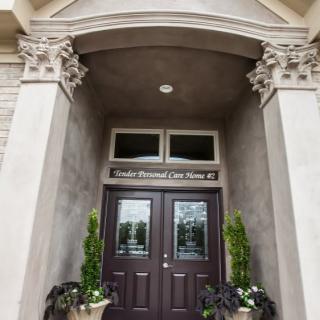
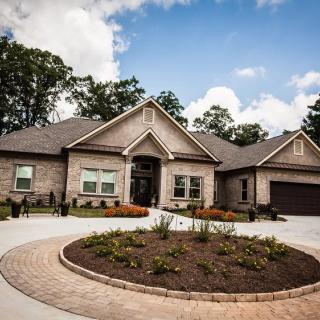
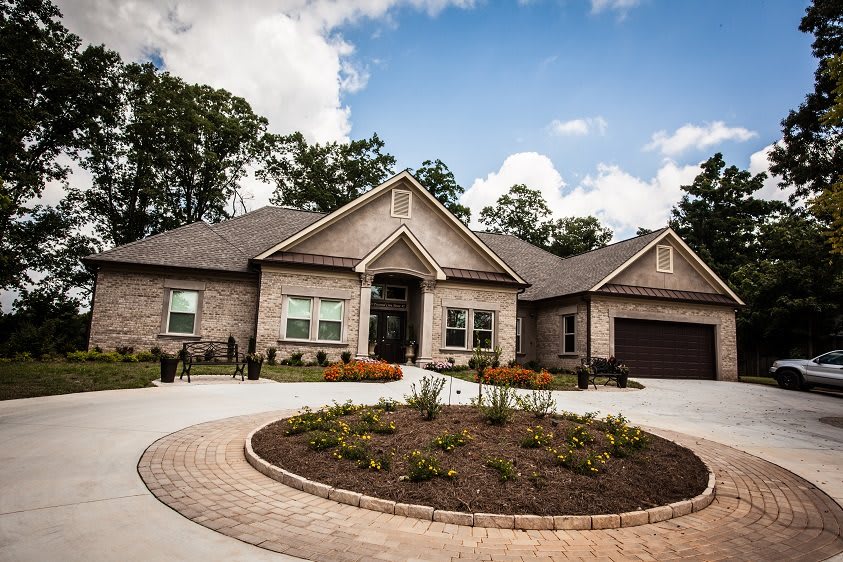
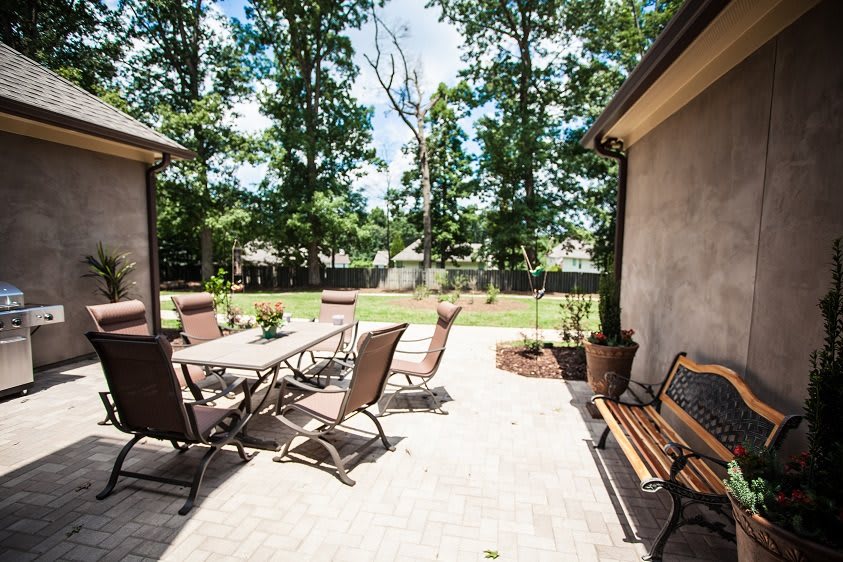
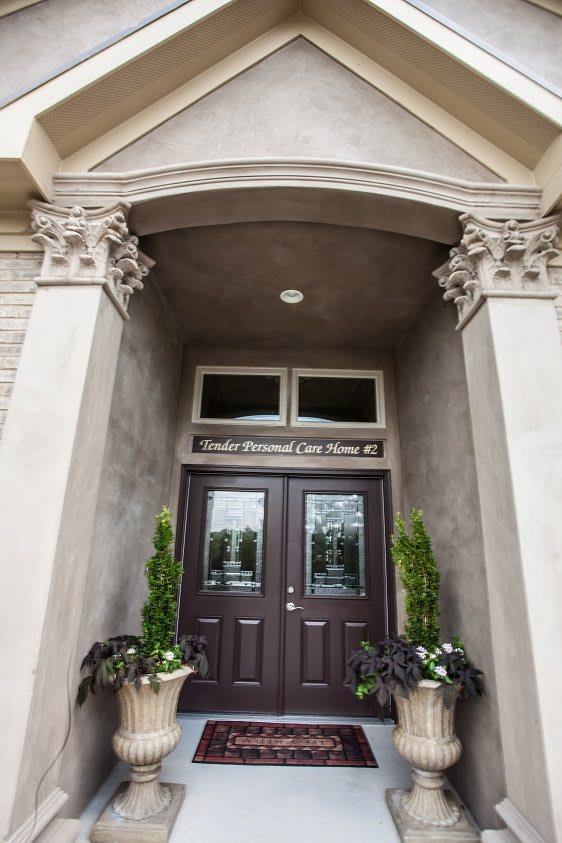
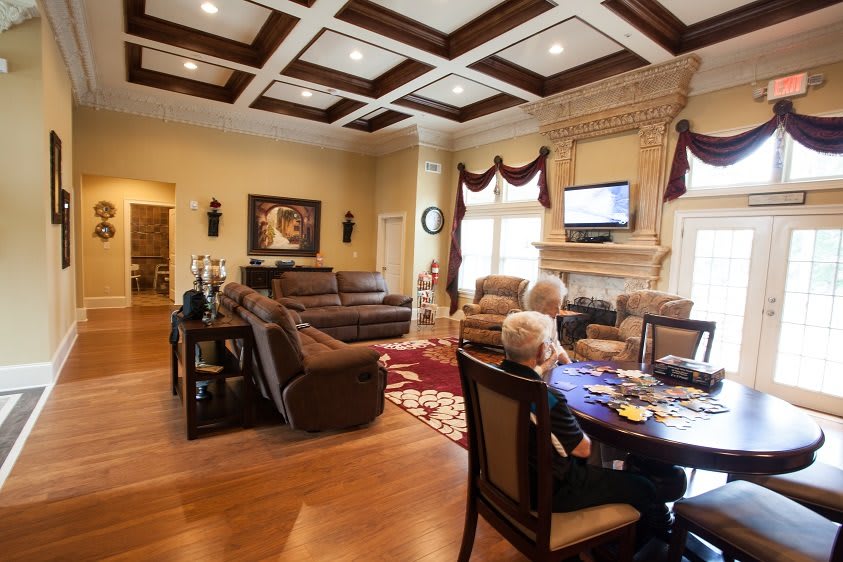
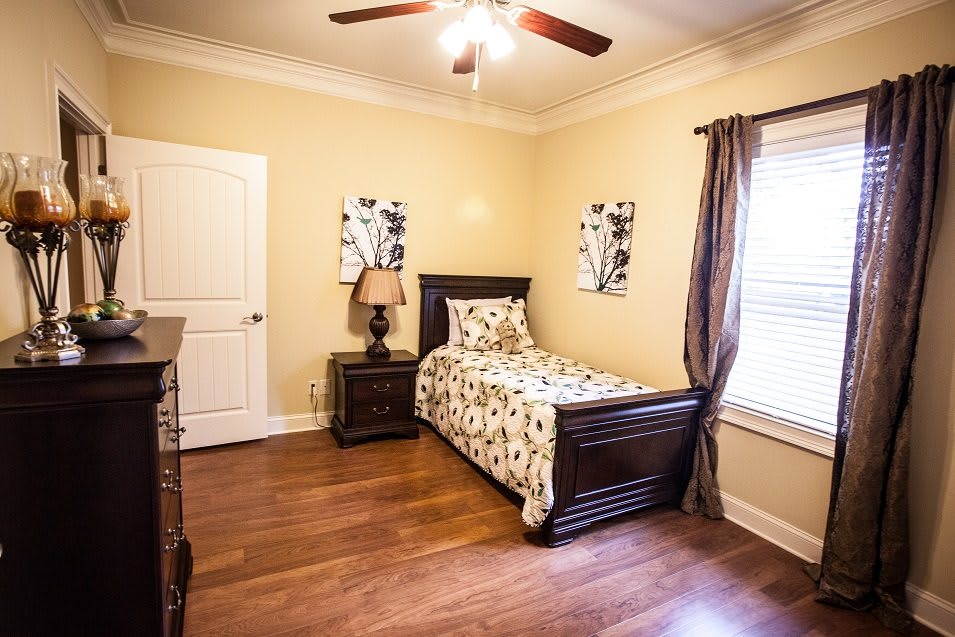
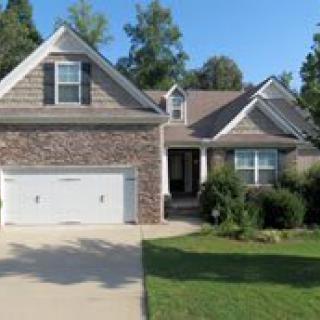
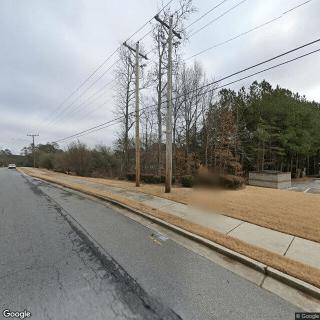
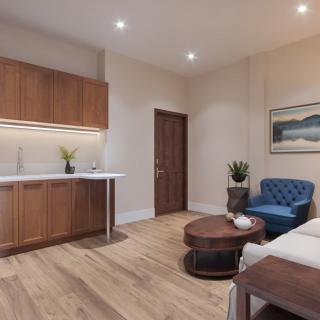
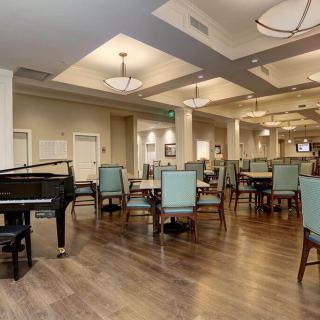
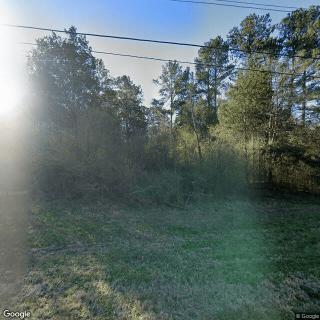
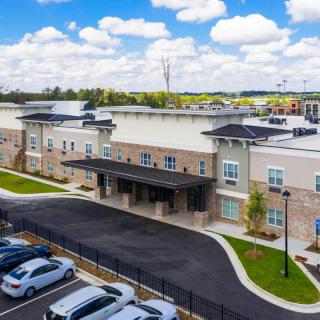
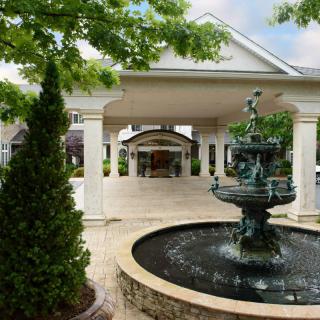
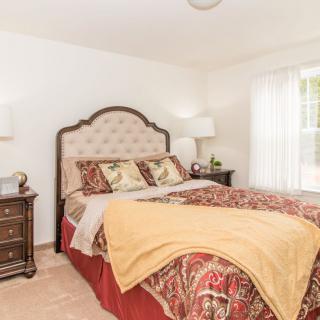
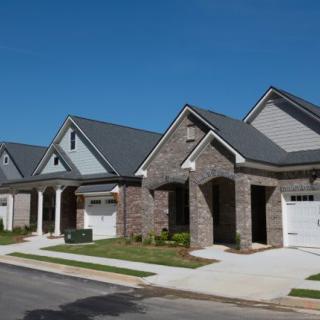
Tender Personal Care Home #2 on seniors.fyi includes 6 photos including images showing bedroom, architecture, landscaping, patio, outdoor furniture, trees, entrance, building, and more.
Nearby Communities
ComForcare Home Care - Northeast Atlanta
Lawrenceville, GA
4.6 from 19 reviews
Professional, caring staff with good caregiver matching and clear communication.
Providia Home Care - Lawrenceville, GA
Lawrenceville, GA
Close to numerous amenities (cafes, parks, pharmacies, doctors, restaurants, theaters, and hospitals).
Gateway Health Care System, LLC
Snellville, GA
5 from 1 review
Specialized dining program with low/no-sodium and no added sugar options.
The Mansions at Gwinnett Park Assisted Living and Memory Care
Lawrenceville, GA
4.6 from 36 reviews
$3,140 to $5,625 / month
Friendly, attentive staff; engaging activities in a clean, home-like setting.
Home Care for the 21st Century of Lawrenceville, GA
Gwinett, GA
1 from 1 review
Excellent access to healthcare, dining, parks, and cultural venues via nearby amenities.
Marieta's Mission Personal Care Home
Lawrenceville, GA
4.8 from 65 reviews
$2,100 to $2,550 / month
Warm, home-like atmosphere with attentive caregiving and a nurse-owner's expertise.
Garden Plaza at Lawrenceville
Lawrenceville, GA
4.4 from 80 reviews
$2,495 to $3,795 / month
Friendly, compassionate staff and a warm, family-like atmosphere.
Choosing between assisted living and nursing homes involves evaluating emotional and financial factors, with assisted living offering independence and support for daily activities at a lower cost, while nursing homes provide intensive medical care for individuals with significant health needs. The decision is influenced by personal preferences, health status, cognitive function, and varying Medicaid coverage across states.
The article presents eight strategies for preserving cognitive health and memory in older adults, emphasizing a nutrient-rich diet, regular exercise, intellectually stimulating activities, adequate sleep, social connections, stress management techniques, limiting harmful substances, and regular medical checkups to mitigate age-related memory decline.
Activities of Daily Living (ADLs) are fundamental tasks vital for an individual's independence, particularly in older adults over 85, and include functions like bathing and dressing; assessing ADLs alongside Instrumental Activities of Daily Living (IADLs) helps determine the level of required assistance due to age-related health challenges. Tailored support plans, involving family and community resources, are essential for maintaining dignity and autonomy in assisted living environments.
Decor, Living Room, Television, Fireplace, and Dining Table
Landscaping
Building and Entrance
Architecture
Trees, Patio, and Outdoor Furniture
Get PricingAsk A QuestionSchedule A TourContact Senior Advisor
By clicking submit, you agree to our Partner's Terms of Use. You
also consent to receive calls and texts, which may be autodialed, from our Partner. Your consent is not a condition to
using our Partner's service. Please visit our Partner's Privacy Policy for information about their privacy practices.

 Board and Care Home
 Memory Care
 Activities on-site
 Bath tubs
 Devotional services on-site
 Indoor common areas
 Outdoor common areas
 Private
 Private bathrooms
 Respite or short term stays offered
 Wheelchair accessible showers
 Ambulatory care
 Diabetic care
 High acuity care
 Incontinence care
 Medication management
 Meals provided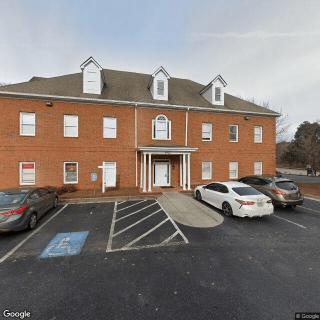
 Professional, caring staff with good caregiver matching and clear communication.
 Choosing the Right Senior Care: A Detailed Exploration of Assisted Living and Nursing Homes
 Safeguarding Your Memory Through the Golden Years: Eight Ways to Preserve Cognitive Health
 Comprehensive Insights into Activities of Daily Living (ADLs) and Their Assessment