Concordia Nursing & Rehabilitation Center - Lafayette in Fayetteville, GA

Save

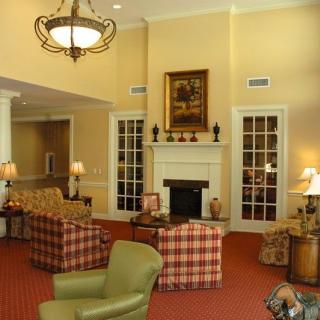
  • Interior

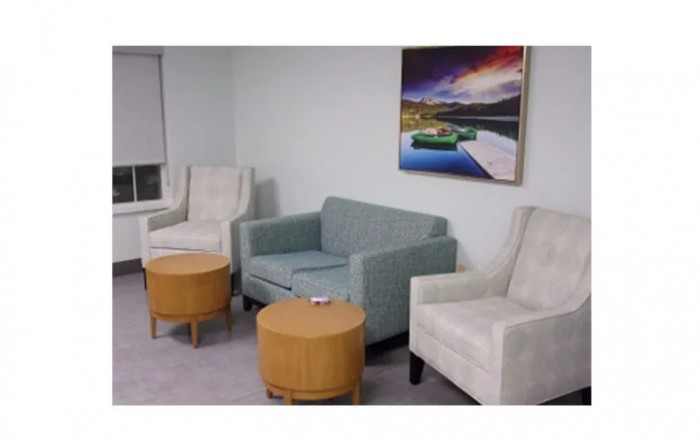
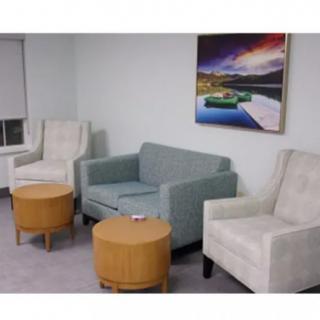
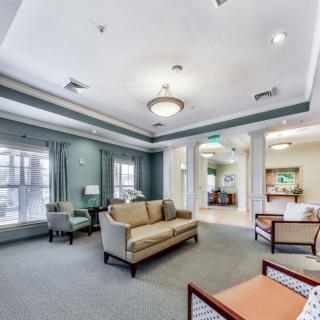
    A cozy living room with two armchairs, a sofa, and round tables, complemented by a vibrant artwork on the wall.
  • Decor

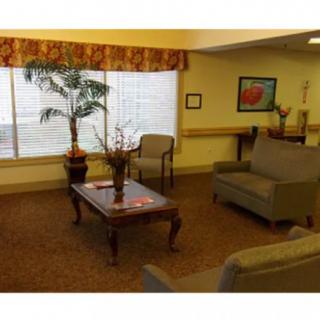
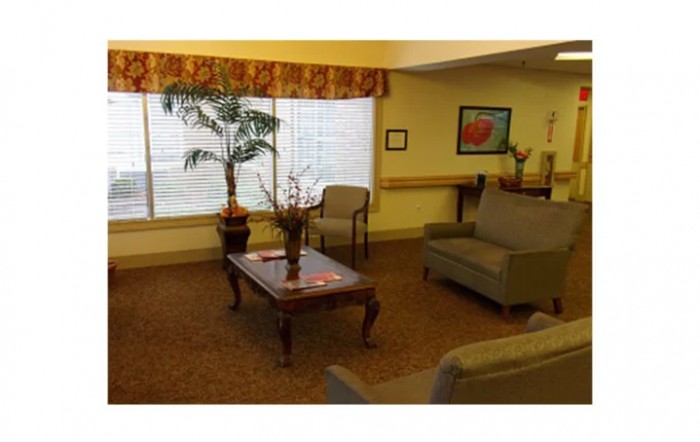
    A cozy living room with a sofa, chairs, and a coffee table adorned with decorative items.
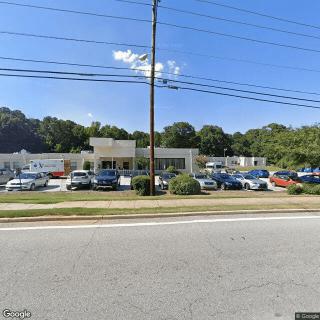
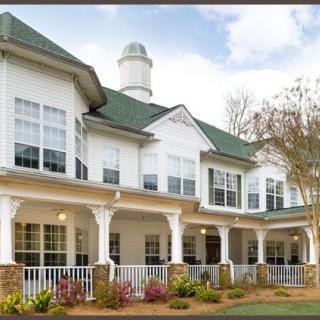
  • Building

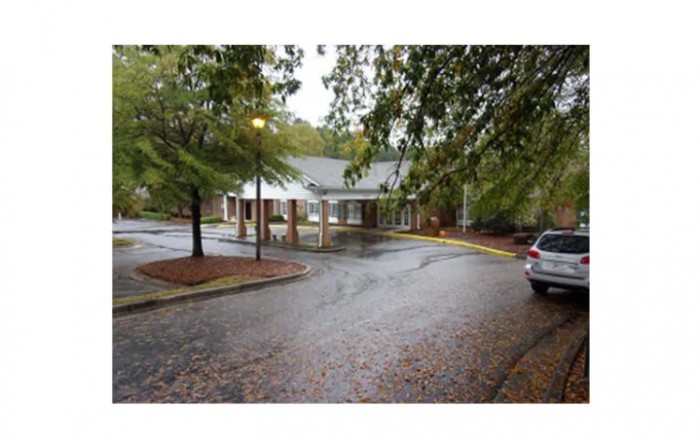
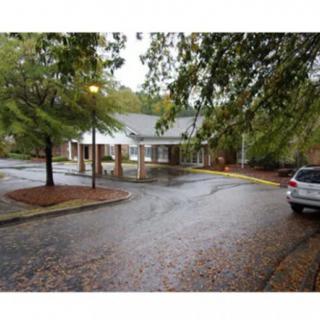
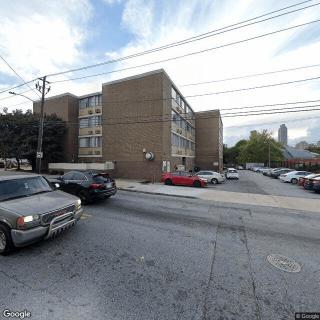
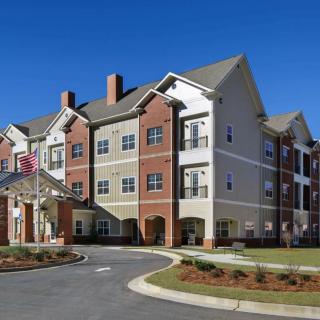
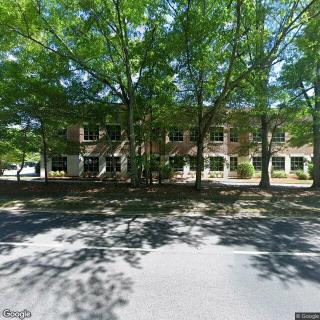
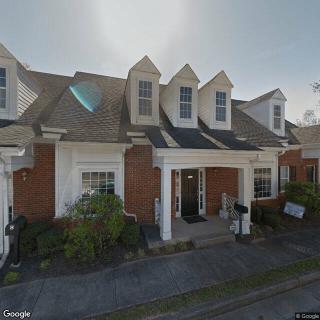
    A building entrance with a driveway, surrounded by trees on an overcast day.
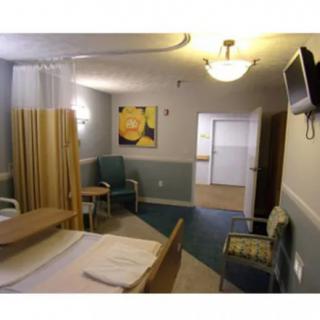
  • Bedroom

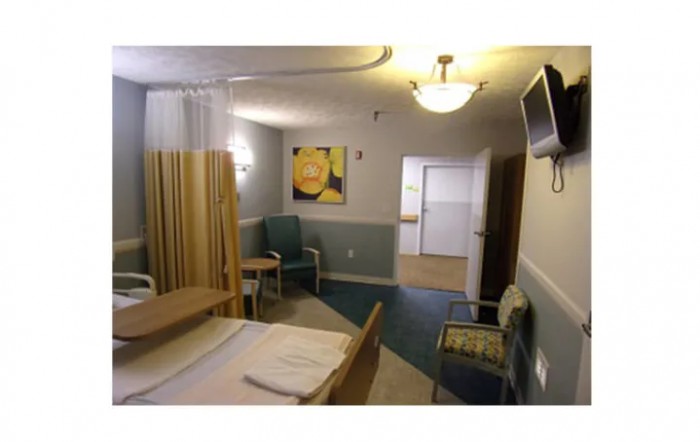
    A hospital room with a bed, chairs, a wall-mounted television, and artwork on the wall.
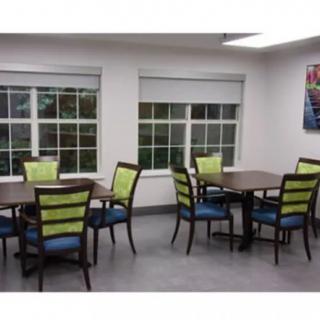
  • Windows

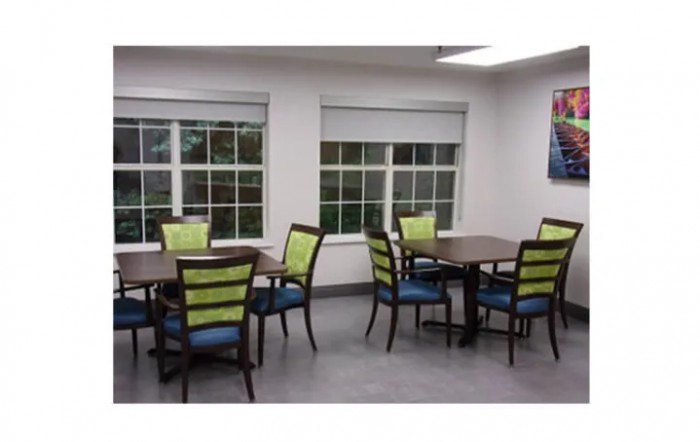
    A well-lit dining area with chairs and tables, featuring large windows.
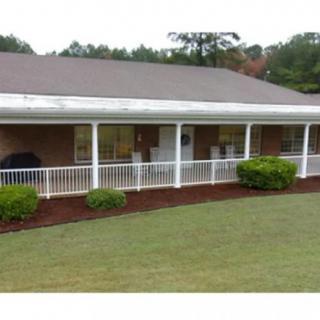
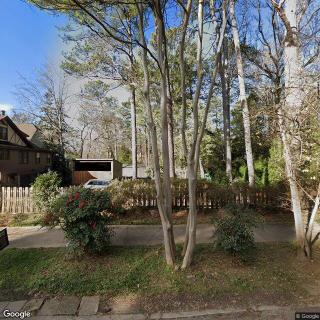
  • Landscaping

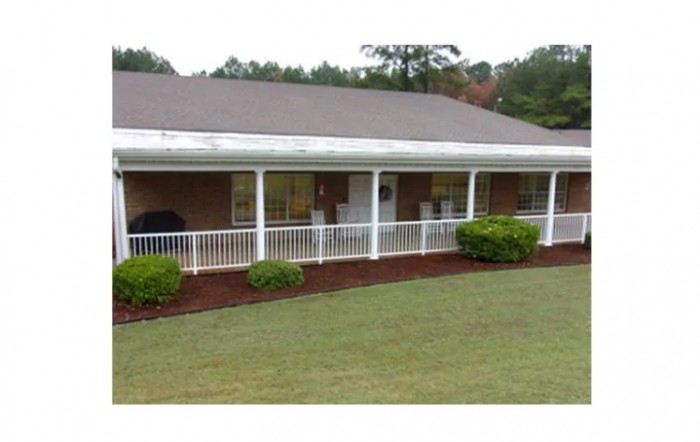
    A suburban house with a spacious front porch and well-maintained lawn.
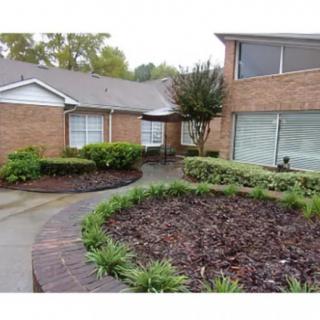
  • Garden

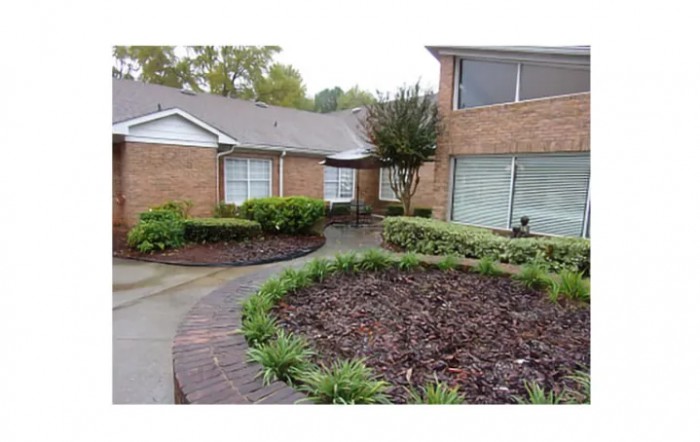
    A brick house with landscaped garden and pathway in the yard.
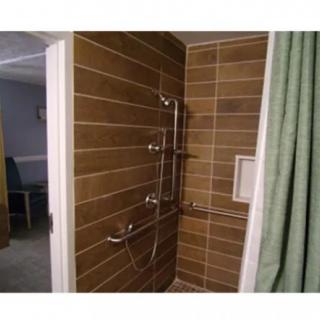
  • Bathroom

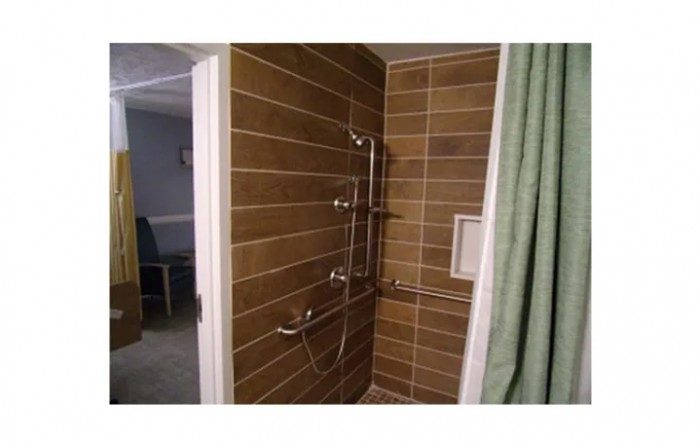
    A tiled shower with grab bars for accessibility.
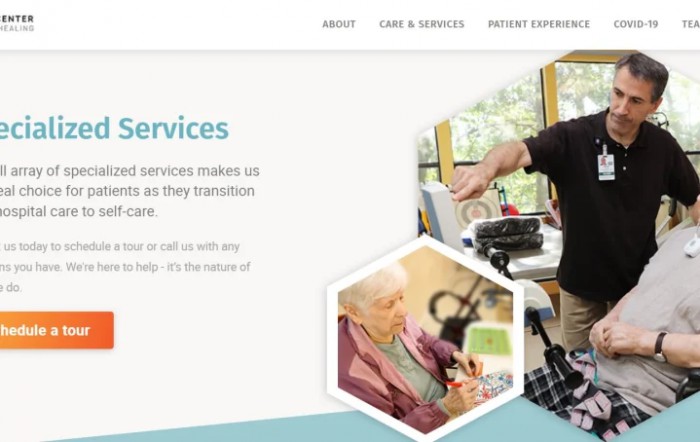
  • Healthcare

    A healthcare service poster depicting elder care and medical services at home.

Concordia Nursing & Rehabilitation Center - Lafayette in Fayetteville, GA

Information last verified:

110 Brandywine Boulevard, Fayetteville, GA 30214

For more information about senior living options: (844) 490-3973

4.1 from 141 reviews
5 stars
101
4 stars
11
3 stars
1
2 stars
2
1 stars
26

Seniors.FYI Elite Community Awards

Top 5% Senior Living Community in 2026

Add this award to your website

Concordia Nursing & Rehabilitation Center - Lafayette Costs & Pricing

Concordia Nursing & Rehabilitation Center in Lafayette presents a higher monthly cost for private rooms at $5,000 compared to the average rates in Fulton County and the broader state of Georgia, which are $3,203 and $2,864 respectively. This premium pricing may reflect the quality of care, amenities, and services offered at Concordia, positioning it as a choice for families seeking specialized rehabilitation and nursing care. While it is essential for potential residents and their families to evaluate this investment against the level of personalized attention and support provided, it's clear that Concordia's costs significantly exceed local averages.

Floor plansConcordia Nursing & Rehabilitation Center - LafayetteFulton CountyGeorgia
Private$5,000$3,203$2,864

Overall Review of Concordia Nursing & Rehabilitation Center - Lafayette

Pros

  • pro Rachel delivered an awesome experience on day one.
  • pro The staff are kind, professional, and attentive.
  • pro Ms. Callaway (Concierge) is helpful and approachable with a smile.
  • pro The facility is nice and clean.
  • pro Rachel at the front desk is pleasant, helpful, and professional.
  • pro Shanna consistently follows up to answer questions.
  • pro The concierge staff are excellent and extremely nice.
  • pro Quenterica Sims is a blessing and a valuable asset, always professional and kind.
  • pro Emily is truly kind and sweet to residents.
  • pro Kimberly is a true saint who puts people first and goes above and beyond.
  • pro The Fayetteville staff are dedicated, caring, and treat residents with respect.

Cons

  • pro The staff were described as disgustingly lazy and nasty, leaving an elderly patient sitting in a chair from breakfast to lunch.
  • pro Care was marked by neglect: infrequent baths, leaving residents in soiled conditions, and unaddressed wounds.
  • pro Medications were not given on time or at all, and basic needs like drinks and snacks were ignored.
  • pro The facility was dirty and had a strong urine smell, with thin, torn linens and poor housekeeping.
  • pro Some staff were noted as rude and unhelpful, with little sympathy for residents or their families.
  • pro There were serious lapses in communication and disorganization, including miscommunications about admissions and discharges.
  • pro Wound care was substandard, with reports of bedsores and other avoidable medical issues.
  • pro Families warned others not to place loved ones there due to mistreatment and neglect.
  • pro Safety concerns were raised, including unplugged oxygen and incorrect catheter care.
  • pro Allegations of retaliation and false reporting by staff toward families were mentioned.

Review

Concordia Nursing & Rehabilitation Center in Fayetteville is best suited for families seeking a warm, organized rehab-focused option where the front-line experience can be highly positive and where a quick, well-coordinated admissions process helps move a loved one from hospital to recovery. The facility tends to shine for short-term post-acute needs, with clean, welcoming surroundings and a concierge-oriented vibe that makes visiting and navigating care feel manageable. When a family wants reliable front-desk support, clear communication from admissions, and a rehab team that appears capable of getting a patient back on their feet, this community often delivers. It is particularly well aligned with those who value proximity to home and a staff culture that emphasizes courtesy, responsiveness, and visible goodwill from several standout team members.

That said, it is prudent to consider alternatives for residents with higher demands for consistent 24/7 medical oversight, complex wound care, or highly time-sensitive medication management. Several reviews raise serious red flags about care consistency, nursing responsiveness, and day-to-day reliability on some units. Families should be cautious if a loved one requires unwavering, predictably prompt nursing attention, or if past experiences at similar facilities have shown a pattern of delayed med passes, missed baths, or gaps in basic daily care. Even though many visitors report outstanding interpersonal support, the risk tolerance for variability in care quality across shifts warrants a careful, firsthand inspection and direct conversations with clinical leadership before deciding.

The strongest positives here quietly counterbalance the larger concerns in important ways. Cleanliness and a pleasant atmosphere are repeatedly highlighted, creating a calm, respectful setting for recovery. The concierge team, especially figures like the front-desk staff and admissions leaders, consistently earns praise for friendliness, accessibility, and a willingness to coordinate services beyond the basics. When Kim, Rachel, and other veteran staff are involved, families frequently describe meaningful, proactive communication, rapid problem-solving, and a sense that someone is truly looking out for their loved one. The rehab program itself is often cited as capable, with attentive therapy teams and a willingness to work toward meaningful progress, which can make a substantial difference in short-term recovery trajectories.

Yet the downsides cannot be ignored. A recurring concern centers on inconsistent nursing coverage and reports of neglect or disorganization on certain shifts or wings. Some reviews allege that basic needs, hydration, timely baths, medication administration, even room cleanliness and laundry handling, were not consistently met, with particularly troubling accounts involving wound care or discharge coordination. Several families recount experiences of miscommunication between halls and departments, delays in addressing questions, or encounters with staff who seemed overwhelmed or unresponsive. Taken together, these anecdotes illuminate a real risk that a loved one could experience uneven care quality, especially when care needs are complex or when transitions between teams occur.

To navigate these realities, prospective families should approach decisively. Plan a comprehensive on-site tour and insist on speaking with both the nursing leadership and the rehabilitation manager. Ask pointed questions about nurse-to-patient ratios during day and night shifts, the facility’s wound-care protocol, the med-pass process, and how promptly cries for help are triaged. Request to see current care plans, medication administration records, and recent incident reports. Visit different wings to assess cleanliness and odor, talk with current residents about daily routines, and observe the tone and tempo of staff interactions during peak activity times. Verify with leadership how deficits are tracked and addressed, and whether there is a clear chain of accountability when concerns arise.

In the end, Concordia Lafayette presents a nuanced choice. For families who can actively engage, demand transparent access to care plans, and verify that the staff leadership is consistently present and responsive, the center can be a strong option, especially when a loved one benefits from a welcoming environment, strong admissions support, and rehab-focused therapy that emphasizes progress. However, for families prioritizing ironclad consistency in nursing care, rigorous wound management, and seamless, disruption-free day-to-day routines, the evidence suggests exploring alternatives may be wise. The decision should hinge on direct conversations with caregivers currently managing similar needs, a transparent review of current staffing patterns, and a clear, documented plan for any anticipated medical or therapy milestones. This approach ensures the choice aligns with the specific medical, emotional, and logistical needs of the person entering care.

Features

Housing

  • 162 resident community capacity 162 resident community capacity

Types of Care

  • Memory Care Memory CareMemory care is crucial for seniors as it provides specialized support and services for individuals with dementia or Alzheimer's disease. These programs offer a safe and secure environment where residents receive personalized care, cognitive stimulation, and help with daily activities. Memory care helps seniors maintain their independence, quality of life, and dignity while also providing peace of mind for their families.
  • Skilled Nursing Facility Skilled Nursing FacilitySkilled Nursing Facilities are crucial for seniors as they provide round-the-clock medical care, rehabilitation services, and assistance with daily activities. These facilities ensure that seniors receive the specialized care they need to maintain their health and well-being as they age.

Pets

  • Cats allowed Cats allowed"Pet friendly" senior living communities are important for seniors because pets provide companionship, reduce feelings of loneliness and depression, promote physical activity and mental stimulation, and offer a sense of purpose and responsibility. Pets can improve overall well-being and quality of life for seniors in many ways.
  • Dogs allowed Dogs allowed"Pet friendly" senior living communities are important for seniors because pets provide companionship, reduce feelings of loneliness and depression, promote physical activity and mental stimulation, and offer a sense of purpose and responsibility. Pets can improve overall well-being and quality of life for seniors in many ways.

Amenities

  • Air-conditioning Air-conditioningAir conditioning is important for seniors as they are more vulnerable to heat-related illnesses and may have underlying health conditions that make it difficult for them to regulate their body temperature. It helps to keep them comfortable, safe, and healthy in hot weather.
  • Beauty salon Beauty salonBeauty salons are important for seniors because they provide a space for them to feel pampered, socialize, and maintain their personal grooming and hygiene. Regular visits to a beauty salon can help boost seniors' self-esteem and overall well-being.
  • Cable or satellite TV Cable or satellite TVCable or satellite TV is important for seniors because it provides entertainment, news, and companionship, helping to combat loneliness and boredom. It also offers a wide range of programming options tailored to different interests and preferences.
  • Computer center Computer centerA computer center is essential for seniors as it provides access to technology, communication tools, and resources that can enhance their daily lives. It allows them to stay connected with loved ones, engage in online activities, and learn new skills, ultimately promoting socialization and mental stimulation.
  • Dining room Dining roomDining rooms are important for seniors as they provide a space for socialization, connection, and nutritious meals. They offer opportunities for residents to bond over shared meals, foster a sense of community, and promote healthy eating habits. Dining rooms also ensure that seniors have access to well-balanced meals tailored to their dietary needs and preferences.
  • Fitness room Fitness roomHaving a fitness room in a senior living community is essential for seniors to stay active, maintain their physical health, and improve their overall well-being. Regular exercise can help prevent falls, reduce the risk of chronic diseases, and promote mental sharpness. It also provides social opportunities for residents to connect with others and enjoy a sense of community.
  • Fully furnished Fully furnishedFully furnished senior living communities are important for seniors because they provide convenience, comfort, and a hassle-free moving experience. Seniors can easily settle into their new living space without the stress of having to buy and move furniture. This allows them to focus on enjoying their new home and community.
  • Gaming room Gaming roomGaming rooms are important for seniors as they provide a fun and engaging environment for socializing, cognitive stimulation, and physical activity. Games can improve memory, problem-solving skills, and overall mental well-being while fostering friendships and reducing feelings of isolation.
  • Garden GardenGardens are important for seniors as they provide a peaceful and therapeutic environment for relaxation, physical activity, and socialization. Being in nature has been shown to reduce stress, improve mood, and promote overall well-being. Gardens also offer opportunities for seniors to engage in gardening activities, which can improve mobility, flexibility, and cognitive function. Additionally, gardens create a sense of community and connection with others who share a passion for plants and outdoor spaces.
  • Housekeeping services Housekeeping servicesHousekeeping services are important for seniors because they help maintain a clean and safe living environment, promote independence, and reduce the risk of accidents or illnesses. Additionally, having assistance with household chores can alleviate physical strain and allow seniors to focus on other aspects of their well-being.
  • Kitchenette KitchenetteKitchenettes are important for seniors living in senior living communities because they provide the convenience and independence of being able to prepare simple meals and snacks in the comfort of their own living space. This can help promote a sense of autonomy and well-being for seniors, allowing them to maintain some level of control over their dietary choices and daily routines.
  • Move-in coordination Move-in coordinationMove-in coordination is important for seniors because it helps ease the transition into their new living environment. It ensures that all logistics, such as packing, organizing movers, and setting up utilities are taken care of, allowing seniors to focus on settling in and adjusting to their new home. Having a smooth move-in process can alleviate stress and anxiety, making the transition smoother and more enjoyable for seniors.
  • Outdoor space Outdoor spaceOutdoor spaces are important for seniors as they provide opportunities for physical activity, social interaction, exposure to natural light and fresh air, and a sense of connection to nature. Having access to outdoor spaces can improve overall well-being and quality of life for older adults living in senior communities.
  • Private PrivatePrivacy is important for seniors as it allows them to maintain their independence, dignity, and sense of control over their own lives. It also gives them the space and freedom to relax, reflect, and engage in activities that bring them joy and fulfillment. Creating private spaces within senior living facilities is crucial for promoting overall well-being and quality of life.
  • Private bathrooms Private bathroomsPrivate bathrooms are important for seniors in senior living communities because they provide independence, dignity, and comfort. Having a private bathroom allows seniors to maintain their personal hygiene routines without the need for assistance, promoting a sense of autonomy and privacy. Additionally, private bathrooms help prevent the spread of infections and provide a safe and clean environment for seniors to navigate safely.
  • Restaurant-style dining Restaurant-style diningRestaurant-style dining is important for seniors because it allows them to enjoy delicious, nutritious meals in a social and upscale setting. This enhances their dining experience, promotes healthy eating habits, and fosters socialization with fellow residents, ultimately contributing to their overall well-being and quality of life.
  • Small library Small librarySmall libraries are important for seniors as they provide access to a variety of reading materials, including books, newspapers, and magazines. This can help stimulate their minds, keep them engaged, and provide a sense of community through book clubs and other social activities. Additionally, reading has been shown to improve cognitive function and overall mental well-being in older adults.
  • Telephone TelephoneTelephones are important for seniors as they provide a lifeline for communication with loved ones, emergency services, and healthcare providers. They offer a sense of security and independence, enabling seniors to stay connected and access assistance when needed.
  • Wellness center Wellness centerWellness centers are important for seniors because they offer a variety of programs and services that promote physical, mental, and emotional well-being. These centers provide opportunities for exercise, socialization, education, and relaxation, helping seniors maintain their overall health and quality of life.
  • Wi-Fi/high-speed internet available Wi-Fi/high-speed internet availableWi-Fi/high-speed internet is important for seniors to stay connected with loved ones, access online resources, and participate in virtual activities to combat feelings of loneliness and isolation. It also allows them to easily manage healthcare needs, access entertainment, and engage in lifelong learning opportunities.

Transportation

  • William B Hartsfield-Atlanta International (13 miles away) William B Hartsfield-Atlanta International (13 miles away)
  • Community operated transportation Community operated transportationCommunity operated transportation is crucial for seniors as it provides them with the means to access essential services, social activities, and medical appointments. It allows seniors to maintain their independence and quality of life by ensuring they can participate in activities outside of their homes. Additionally, community-operated transportation services offer a safe and reliable way for seniors to travel without having to rely on family or friends for assistance.
  • Transportation arrangement Transportation arrangementTransportation arrangements are crucial for seniors as they may face challenges with driving, mobility, or access to public transportation. Having reliable transportation services ensures that seniors can easily attend appointments, social activities, and maintain their independence and quality of life.
  • Transportation arrangement (non-medical) Transportation arrangement (non-medical)Transportation arrangements are essential for seniors as they provide access to essential services, activities, and social interactions outside the home. This service helps maintain independence, mobility, and overall well-being for seniors who may have limited transportation options.
  • Transportation to doctors appointments Transportation to doctors appointmentsTransportation to doctors appointments is crucial for seniors as it ensures they have access to necessary medical care and support, promoting their health and well-being. It allows them to receive timely treatment, monitor existing conditions, and address any new health concerns efficiently. Additionally, transportation services can help seniors maintain their independence and quality of life by enabling them to stay connected with their healthcare providers.

Care Services

  • 12-16 hour nursing 12-16 hour nursing12-16 hour nursing care is crucial for seniors in order to ensure around-the-clock monitoring, timely medication administration, and prompt response to any health concerns or emergencies. This level of care helps to promote the overall well-being and safety of seniors living in senior living communities.
  • 24-hour call system 24-hour call system24-hour call systems are important for seniors because they provide peace of mind and immediate assistance in case of emergencies. This technology ensures that help is always available, promoting safety and security for elderly individuals living alone or in assisted living facilities.
  • 24-hour supervision 24-hour supervision24-hour supervision is important for seniors to ensure their safety, well-being, and access to immediate assistance in case of emergencies or health issues. This constant support provides peace of mind for both seniors and their loved ones, allowing them to age in place with dignity and security.
  • Activities of daily living assistance Activities of daily living assistanceActivities of daily living assistance are important for seniors because they provide essential support with tasks such as eating, bathing, dressing, and mobility. This assistance helps seniors maintain their independence, dignity, and overall quality of life as they age.
  • Assistance with bathing Assistance with bathingAssistance with bathing is crucial for seniors as it helps maintain personal hygiene, prevents infections, and ensures their overall well-being and comfort. It also provides a sense of dignity and independence for seniors who may struggle with this task on their own.
  • Assistance with dressing Assistance with dressingAssistance with dressing is important for seniors because it helps maintain their independence, promotes personal hygiene, prevents accidents and injuries, and improves overall quality of life. This service ensures that seniors can continue to dress comfortably and confidently, despite any physical limitations they may have.
  • Assistance with transfers Assistance with transfersAssistance with transfers is crucial for seniors as it helps prevent falls and injuries, maintains their independence, and ensures they can safely navigate their living environment. It also provides peace of mind for both seniors and their loved ones.
  • Diabetes diet Diabetes dietA diabetes diet is crucial for seniors as it helps manage blood sugar levels, reduce risks of complications, and improve overall health and well-being. By following a balanced and nutritious diet tailored to their specific needs, seniors can better control their diabetes and enhance their quality of life.
  • Meal preparation and service Meal preparation and serviceMeal preparation and service are crucial for seniors as they may have limited mobility or energy to cook nutritious meals. Having access to healthy and convenient food options can ensure they are getting the proper nutrition needed to maintain their overall health and well-being.
  • Medication management Medication managementMedication management is crucial for seniors to ensure they are taking the right medications at the correct dosages and times. This helps prevent adverse drug interactions, reduces the risk of medication errors, and promotes overall health and well-being. Proactive management also allows for adjustments as needed based on changing health conditions or new prescriptions.
  • Mental wellness program Mental wellness programMental wellness programs are essential for seniors as they promote cognitive stimulation, emotional support, and social engagement. These programs help prevent isolation, depression, and cognitive decline, ultimately enhancing the overall quality of life for older adults.
  • Special dietary restrictions Special dietary restrictionsSpecial dietary restrictions are important for seniors because age-related changes in metabolism and health conditions can make it difficult for their bodies to process certain foods. By following a diet tailored to their specific needs, seniors can maintain their overall health and well-being, manage chronic conditions, and reduce the risk of complications such as malnutrition or food interactions with medications.

Dining

  • Diabetes diet Diabetes dietA diabetes diet is crucial for seniors as it helps manage blood sugar levels, reduce risks of complications, and improve overall health and well-being. By following a balanced and nutritious diet tailored to their specific needs, seniors can better control their diabetes and enhance their quality of life.
  • Special dietary restrictions Special dietary restrictionsSpecial dietary restrictions are important for seniors because age-related changes in metabolism and health conditions can make it difficult for their bodies to process certain foods. By following a diet tailored to their specific needs, seniors can maintain their overall health and well-being, manage chronic conditions, and reduce the risk of complications such as malnutrition or food interactions with medications.

Activities

  • Community-sponsored activities Community-sponsored activitiesCommunity-sponsored activities are important for seniors as they provide opportunities for social interaction, mental stimulation, and physical activity. These activities can help improve overall well-being, combat loneliness and isolation, and promote a sense of belonging and purpose among older adults.
  • Concierge services Concierge servicesConcierge services are essential for seniors as they provide assistance with daily tasks and errands, enhance their quality of life by offering convenience and personalized care, and promote a sense of safety and security.
  • Fitness programs Fitness programsFitness programs are crucial for seniors as they help improve strength, flexibility, balance, and overall well-being. Staying active can reduce the risk of chronic diseases, improve mental health, and enhance quality of life in older adults.
  • Planned day trips Planned day tripsPlanned day trips are important for seniors because they offer opportunities for socialization, mental stimulation, and physical activity. They provide a change of scenery and help seniors stay engaged and connected to their community, promoting overall well-being and quality of life.
  • Resident-run activities Resident-run activitiesResident-run activities are important for seniors as they encourage social interaction, creativity, and a sense of autonomy. These activities empower seniors to stay engaged and active in their community while fostering meaningful connections with their peers.
  • Scheduled daily activities Scheduled daily activitiesScheduled daily activities are important for seniors because they provide structure, socialization, mental stimulation, and physical activity. Engaging in regular activities can improve overall well-being and quality of life for seniors living in a community setting.

Description

Concordia Nursing & Rehabilitation Center in Fayetteville, GA offers high-quality care and comfortable living for seniors in need of skilled nursing services. Our facility is equipped with a range of amenities to enhance the residents' experience, including a beauty salon, cable or satellite TV, community operated transportation, a computer center, a dining room, a fitness room, a gaming room, a garden, housekeeping services, kitchenette facilities, move-in coordination assistance, outdoor spaces to enjoy nature, private accommodations with private bathrooms.

Residents can enjoy delicious restaurant-style dining and have access to a small library and telephone services. We provide non-medical transportation arrangements as well as transport to doctors' appointments. Additionally, our wellness center is available for residents seeking physical activity or health-related programs. Wi-Fi/high-speed internet connectivity is also provided for convenience.

Our dedicated staff ensures around-the-clock care with a 24-hour call system and supervision. Assistance with activities of daily living such as bathing and dressing is readily available. We offer specialized care for individuals with diabetes through dietary management and cater to special dietary restrictions.

At Concordia Nursing & Rehabilitation Center, we prioritize the wellbeing of our residents by providing medication management services and promoting mental wellness through tailored programs. We arrange various activities for social engagement and entertainment including concierge services, fitness programs for physical well-being, planned day trips to explore the local area, resident-run activities for active participation within the community; all scheduled daily activities contribute towards an enriched lifestyle.

With nearby amenities such as cafes, parks, pharmacies, physicians' offices/restaurants/places of worship/theaters/hospitals within close proximity; residents can easily access essential resources in their neighborhood. Join us at Concordia Nursing & Rehabilitation Center where compassionate care meets comfort and convenience for seniors in Fayetteville.

Nearby Places of Interest

Located in Fayetteville, Georgia, this neighborhood offers convenient access to a variety of amenities that cater to senior living. With several physicians' offices nearby such as Psycare and Piedmont Physicians at Yorktown II, residents have easy access to healthcare services. In addition, there are numerous dining options including Franks At Old Mill and City Cafe & Bakery, along with pharmacies like Walgreens and Summit Point for medication needs. For entertainment, Cinemark Tinseltown 17 And Xd is just a short drive away, while parks like McCurry Park provide opportunities for outdoor recreation. Places of worship such as Whitewater Church and New Macedonia Baptist Church offer spiritual support for residents. Overall, this area provides a well-rounded community with essential services and amenities for seniors looking to settle down in a peaceful environment.

Physicians

  • Psycare (0.2 miles)
  • Piedmont Physicians at Yorktown II (0.3 miles)
  • Clair, Alvin H MD,PC (0.5 miles)
  • Eye Consultants of Atlanta (0.5 miles)
  • Southern Behavioral Healthcare PC (1.1 miles)
  • Center for Allergy and Asthma of Georgia (1.4 miles)
  • Digestive Health Care Of Ga - W Michael Strain MD (1.5 miles)

Restaurants

  • Franks At Old Mill (0.8 miles)
  • Chick-Fil-A (0.9 miles)
  • City Cafe & Bakery (1.6 miles)
  • Checkers (1.6 miles)
  • McDonald's (1.7 miles)
  • Broadway Diner (1.7 miles)
  • Burger King (1.9 miles)

Hospitals

  • Children's Healthcare of Atlanta (1.5 miles)
  • Piedmont Fayette Hospital (1.5 miles)

Cafes

  • Starbucks (2.1 miles)
  • Panera Bread (2.9 miles)
  • Starbucks (4.8 miles)
  • Starbucks (6.2 miles)
  • Starbucks (6.3 miles)

Pharmacies

  • Walgreens (2.1 miles)
  • Summit Point (2.1 miles)
  • CVS Pharmacy (5 miles)
  • Walgreens (5.9 miles)
  • CVS Pharmacy (6.2 miles)
  • Kroger Pharmacy (6.2 miles)
  • CVS Pharmacy (6.3 miles)

Theaters

  • Cinemark Tinseltown 17 And Xd (2.8 miles)

Parks

  • McCurry Park (3.6 miles)
  • Blue Smoke Park (6.4 miles)
  • Picnic Park (6.8 miles)
  • Creel Park (8 miles)

Places of Worship

  • Whitewater Church (4 miles)
  • Church of Jesus Christ of Latter Day Saints (5.9 miles)
  • St Paul Lutheran School (6.7 miles)
  • New Macedonia Baptist Church (7.3 miles)
  • Woolsey Baptist Church (7.5 miles)

Frequently Asked Questions

How much does it cost to live at Concordia Nursing & Rehabilitation Center - Lafayette in Fayetteville, GA?
Where is Concordia Nursing & Rehabilitation Center - Lafayette?
Does Concordia Nursing & Rehabilitation Center - Lafayette provide care for residents with dementia or Alzheimer's disease?
Does Concordia Nursing & Rehabilitation Center - Lafayette allow residents to have pets?
What photos are available for Concordia Nursing & Rehabilitation Center - Lafayette in Fayetteville, Georgia?

Nearby Communities

  • Heartis Fayetteville

    Heartis Fayetteville

    Fayetteville, GA

    4.4 from 93 reviews
     

    pro Well-maintained environment with friendly staff and engaging activities.
  • Heartis Fayetteville

    Heartis Fayetteville

    Fayetteville, GA

    4.5 from 134 reviews
    $3,150 to $5,700 / month

    pro Caring staff in a welcoming, well-located community with engaging activities.

  • Comforcare

    Comforcare

    Fayetteville, GA

    4.8 from 48 reviews
     

    pro Willing to accommodate Mom as the sole patient and show concern for her loneliness.

  • Compassus - Fayetteville

    Compassus - Fayetteville

    Fayetteville, GA

    4.2 from 19 reviews
     

    pro Small, intimate assisted living with comprehensive care and on-site amenities.

  • Hope Center Memory Care

    Hope Center Memory Care

    Fayetteville, GA

    4.4 from 99 reviews
    $4,250 to $5,750 / month

    pro Compassionate, knowledgeable staff with clean facilities, engaging activities, and uniform units that ease transitions.

  • Heavenly Companion Care

    Heavenly Companion Care

    Fayetteville, GA

    4.7 from 14 reviews
     

    pro Professional, compassionate staff and proactive management.

  • Azalea Estates of Fayetteville

    Azalea Estates of Fayetteville

    Fayetteville, GA

    4.5 from 77 reviews
    $3,800 to $4,975 / month

    pro Welcoming staff, abundant activities and amenities, and well-maintained grounds.

  • The Reserve At Peachtree City

    The Reserve At Peachtree City

    Peachtree City, GA

    4.6 from 108 reviews
    $3,550 to $6,700 / month

    pro Caring, professional staff; clean, welcoming environment with engaging activities and good dining.

  • Country Gardens Senior Living

    Country Gardens Senior Living

    Union City, GA

    4.2 from 50 reviews
    $3,030 to $4,810 / month

    pro Friendly, caring staff in a warm, home-like setting with a variety of engaging activities.

Related Resources

  • when should someone with dementia go into a care home8 Important Indicators That Memory Care May Be Necessary

    The article highlights eight indicators that a loved one with dementia may require specialized memory care, emphasizing the emotional and logistical challenges families encounter in this decision. It discusses signs such as difficulties with daily tasks, safety concerns, and caregiver burnout, suggesting that memory care facilities can provide the necessary support and structured environments for those experiencing cognitive decline.

  • what do dementia patients think aboutDelving into the Inner World of Dementia: Insights into Thoughts and Awareness

    Dementia, primarily caused by Alzheimer's disease but also linked to other conditions, leads to cognitive decline impacting memory and daily functioning, with individuals experiencing varied awareness of their impairments. Despite memory loss, emotional connections persist, enabling responses to familiar stimuli, highlighting the need for caregivers to provide compassionate support that recognizes both limitations and retained emotional depth.

  • does my mom have dementia quizFive Subtle Dementia Indicators to Observe: An In-Depth Guide to Understanding “Does My Mom Have Dementia?”
    The article presents five subtle indicators of dementia, such as memory lapses and mood swings, to help families assess cognitive decline in loved ones. It emphasizes early detection, open communication, and seeking professional help while providing practical support steps.