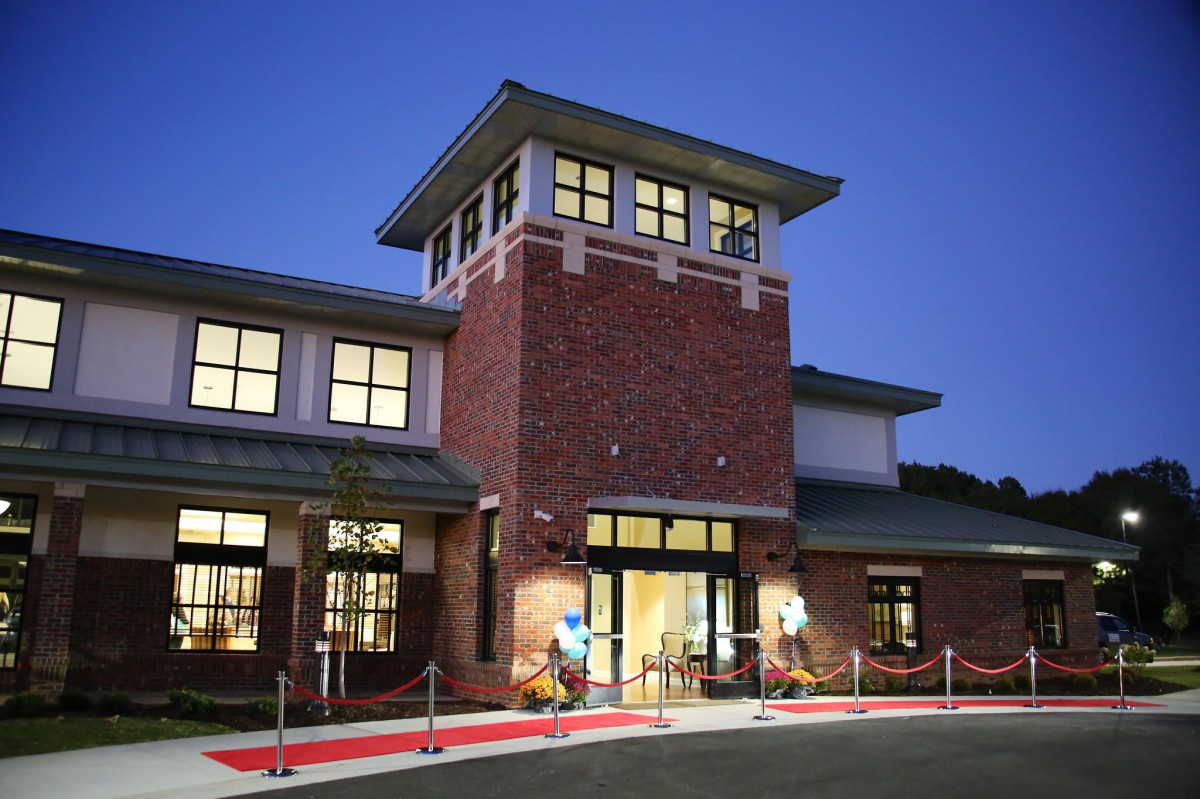
The Memory Center Atlanta offers specialized care for individuals with memory-related conditions, and its pricing reflects the premium services and environment provided. The monthly cost for a semi-private room at The Memory Center is $5,500, significantly higher than the average rates in Gwinnett County and across Georgia, which stand at approximately $2,530. For those seeking a more private option, a studio room at The Memory Center is available for $8,250, also exceeding local averages of around $3,580 in Gwinnett County and $3,520 statewide. These costs underline the center's commitment to delivering exceptional care tailored to the unique needs of its residents while indicating a marked difference from standard assisted living facilities in the region.
Floor plans
The Memory Center Atlanta
Gwinnett County
Georgia
Semi-Private
$5,500
$2,530
$2,529
Studio
$8,250
$3,580
$3,520
Memory care communities with a similar price nearby
Residents and families describe a true memory-care specialty rather than a general assisted-living approach.
Multiple reviews emphasize that the community is dedicated to dementia and Alzheimer’s, with staff who understand residents’ needs. Families describe peace of mind from that specialization, including comfort around safety and appropriate handling of behaviors. Several reviews also contrast their experience with prior facilities where memory-care patients may have felt overlooked.
common18 reviews mention this
Activities keep residents engaged
Families repeatedly highlight the activity calendar and resident engagement.
Reviews frequently mention day-to-day programming that keeps residents involved, including scheduled activities and community events. Several families talk about specific experiences like sing-alongs, cooking classes, live entertainment, faith-based programming, and ice cream socials. Even where one resident was less likely to participate, reviewers still describe the activities on offer as strong.
common14 reviews mention this
Staff communication and responsiveness
Many families say staff stays in touch and answers concerns.
A recurring theme is communication—reviews describe staff explaining what’s happening, keeping families informed, and responding to questions. Several families specifically mention updates about events or situations that come up, as well as support with coordinating care and follow-ups like specialist appointments. Others note improvements over time when leadership and processes change.
caveat10 reviews mention this
Food quality gets mixed feedback
Food is frequently discussed, with praise for variety and taste but also complaints over time.
Many reviews are positive about meals, describing fresh, tasty, and varied dining along with treats like ice cream socials and other food-centered events. Dining support is also mentioned in relation to residents’ needs and assistance at mealtimes. At the same time, a few reviews say food quality declined, and others raise concerns about cleanliness and kitchen conditions.
common12 reviews mention this
Cleanliness and upkeep are noticed
Residents and families often mention cleanliness, including the overall facility upkeep.
Multiple reviews describe a clean, well-maintained environment, including positive first impressions and ongoing upkeep. Several families say residents are kept clean and that the facility feels comfortable. A smaller number of reviews describe serious lapses, including dirty rooms and hygiene problems, along with broader concerns about staffing.
caveat12 reviews mention this
Staffing and management concerns
Some reviews cite understaffing, turnover, and management changes affecting care consistency.
While many reviews praise the caregivers and nurses, several also describe periods of insufficient staffing and leadership disruption. Complaints include difficulty keeping up with residents’ basic needs, inconsistent attention, and concerns about continuity between shifts. Others say short staffing and reliance on less familiar agency staff created problems, including delayed or missed care needs.
How we summarize
Counts show how many written reviews mention each theme; a review can touch several themes, and only frequently mentioned themes are displayed.
Features
Housing
60 resident community capacity
Types of Care
Memory Care
Amenities
Activities off-site
Activities on-site
Air-conditioning
Beautician on-site
Beauty salon
Cable or satellite TV
Computer center
Devotional services on-site
Dining room
Fireplaces
Fitness room
Fully furnished
Gaming room
Garden
Garden view
Ground floor units
Handicap accessible
Housekeeping services
Indoor common areas
Kitchenette
Move-in coordination
Outdoor common areas
Outdoor space
Private bathrooms
Respite or short term stays offered
Restaurant-style dining
Small library
Telephone
Wellness center
Wheelchair accessible showers
Wi-Fi/high-speed internet available
Transportation
Community operated transportation
Transportation arrangement
Care Services
24-hour call system
24-hour supervision
Activities of daily living assistance
Assistance with bathing
Assistance with dressing
Assistance with transfers
Diabetes diet
Diabetic care
High acuity care
Incontinence care
Meal preparation and service
Medication management
Mental wellness program
Mild cognitive impairment
Special dietary restrictions
Specialized memory care programming
Dining
Diabetes diet
Guest meals
Low / no sodium
Meals provided
No Sugar
Professional chef
Restaurant style dining
Special dietary restrictions
Special dining programs
Vegetarian
Activities
Art classes
Community-sponsored activities
Concierge services
Cooking classes
Day trips and outings
Devotional activities on-site
Educational speakers / life long learning
Fitness programs
Karaoke
Live dance or theater performances
Live musical performances
Live well programs
Planned day trips
Resident-run activities
Scheduled daily activities
Visiting chaplain or priest
Wine tasting
Nearby Places of Interest
This part of Johns Creek, Georgia offers a convenient and vibrant community for senior living. With multiple pharmacies, hospitals, and physicians within close proximity, residents have easy access to healthcare services. There is a variety of restaurants serving different cuisines nearby, as well as cafes for socializing and enjoying a cup of coffee. The area boasts several parks for outdoor recreation and relaxation, perfect for staying active and enjoying nature. For entertainment, there are theaters in the vicinity where seniors can catch a movie. Additionally, places of worship are available for spiritual fulfillment and community engagement. Overall, this neighborhood provides a well-rounded living environment with ample amenities and services to cater to the needs of seniors.
Pharmacies
Walgreens (0.3 miles)
CVS Pharmacy (1.7 miles)
CVS Pharmacy (2.1 miles)
Walgreens (2.3 miles)
CVS Pharmacy (2.9 miles)
Walgreens (3.3 miles)
CVS Pharmacy (4.1 miles)
Hospitals
Emory Johns Creek Hospital (0.3 miles)
Restaurants
Chick-Fil-A (0.7 miles)
Five Guys Burgers & Fries (1.8 miles)
McDonald's (2.6 miles)
Mangia Ristorante & Pizzeria (2.6 miles)
Ariana Kabob House (3.2 miles)
Chick-Fil-A (3.4 miles)
Wendy's (3.4 miles)
Physicians
Pandya Medical Center (0.8 miles)
Internal Medicine Associates of John Creek (1.5 miles)
The Memory Center Atlanta offers specialized care for individuals with memory-related conditions, and its pricing reflects the premium services and environment provided. The monthly cost for a semi-private room at The Memory Center is $5,500, significantly higher than the average rates in Gwinnett County and across Georgia, which stand at approximately $2,530. For those seeking a more private option, a studio room at The Memory Center is available for $8,250, also exceeding local averages of around $3,580 in Gwinnett County and $3,520 statewide. These costs underline the center's commitment to delivering exceptional care tailored to the unique needs of its residents while indicating a marked difference from standard assisted living facilities in the region.
The Memory Center Atlanta's 24-hour supervision ensures that residents receive constant support and safety, which is essential for individuals with dementia or Alzheimer's disease who may be prone to wandering or disorientation. Assistance with activities of daily living, including bathing, dressing, and transfers, promotes dignity and helps maintain a sense of normalcy in the lives of residents. Incontinence care further enhances comfort and reduces anxiety related to personal hygiene issues. The meal preparation and service ensure that nutritional needs are met while accommodating dietary restrictions, fostering physical health. Medication management is crucial for maintaining cognitive function and overall well-being by ensuring timely intake of prescribed treatments. Additionally, the mental wellness program and specialized memory care programming cater specifically to the unique cognitive challenges faced by those with mild cognitive impairment or advanced dementia, promoting engagement and quality of life through tailored activities that stimulate memory and encourage social interaction. Together, these features create a supportive environment that addresses both the physical and emotional needs of residents.
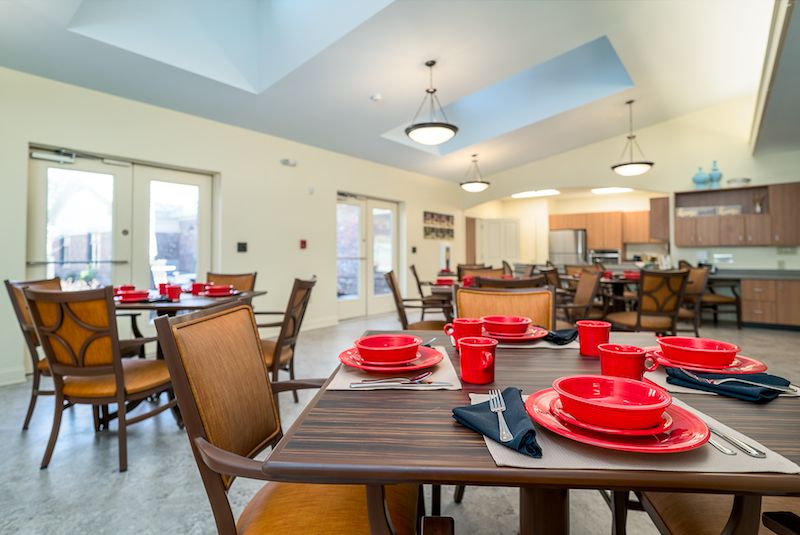
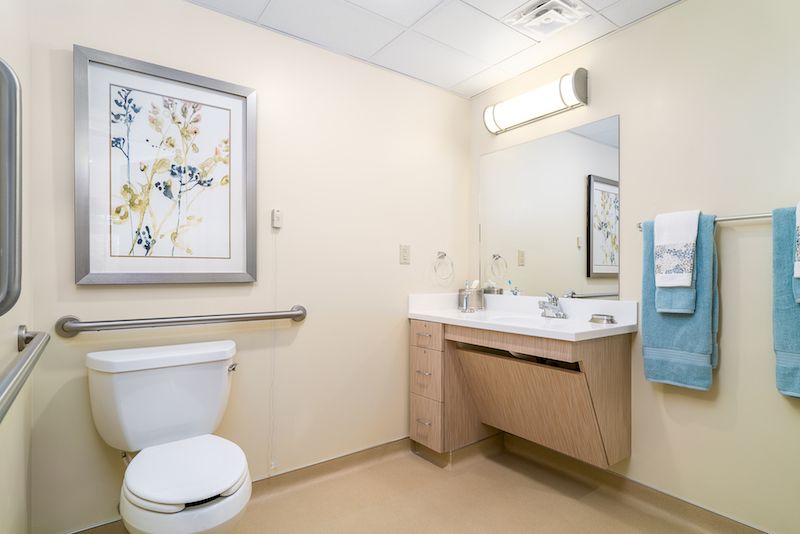
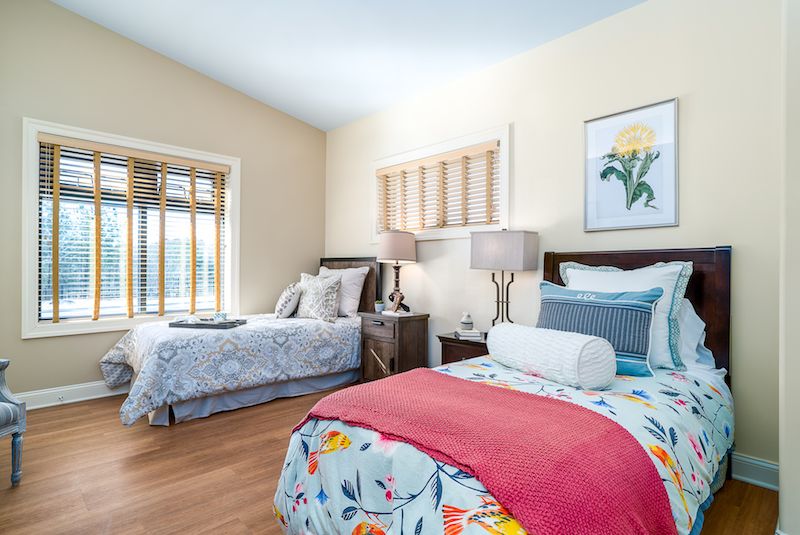
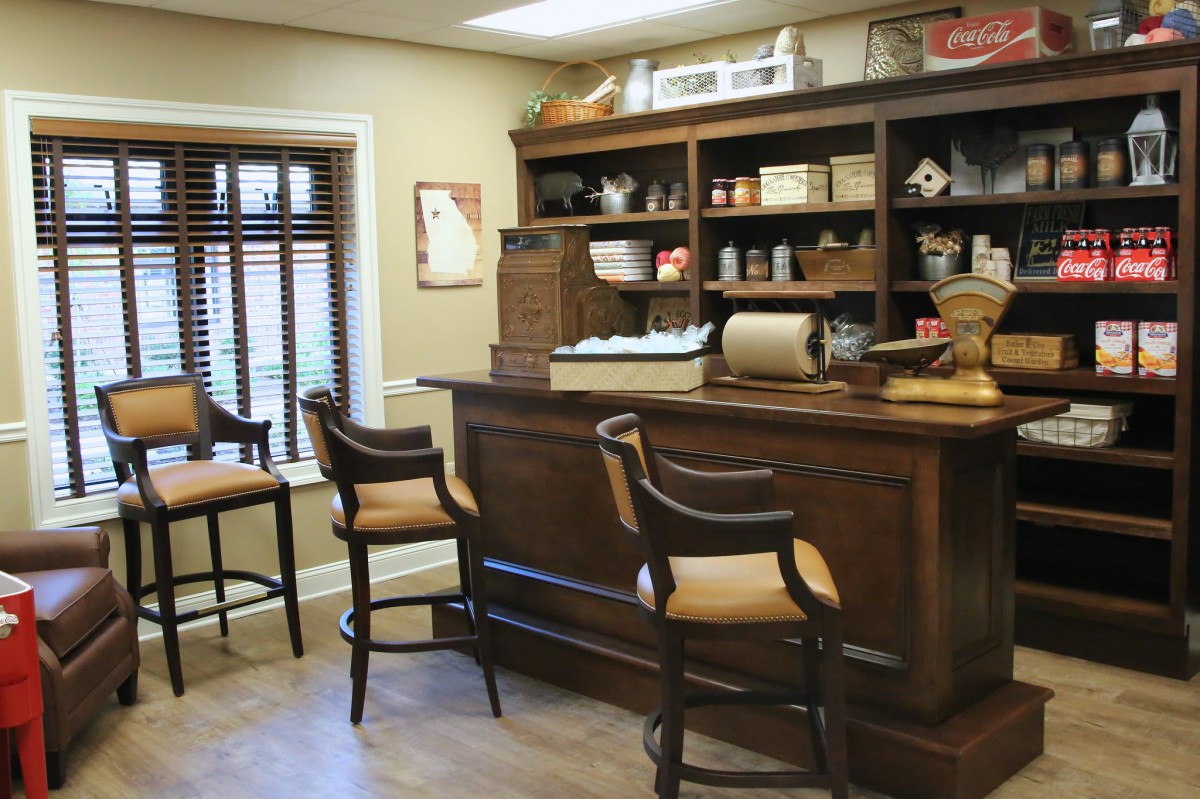
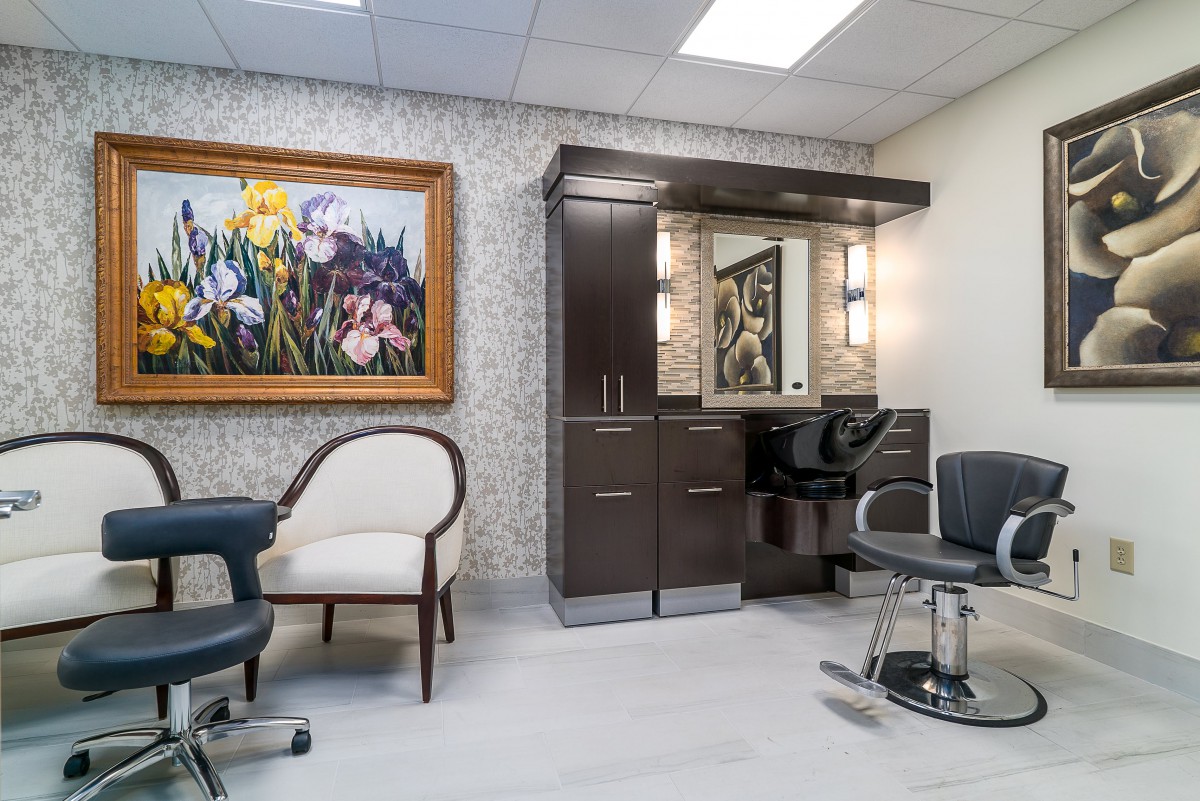
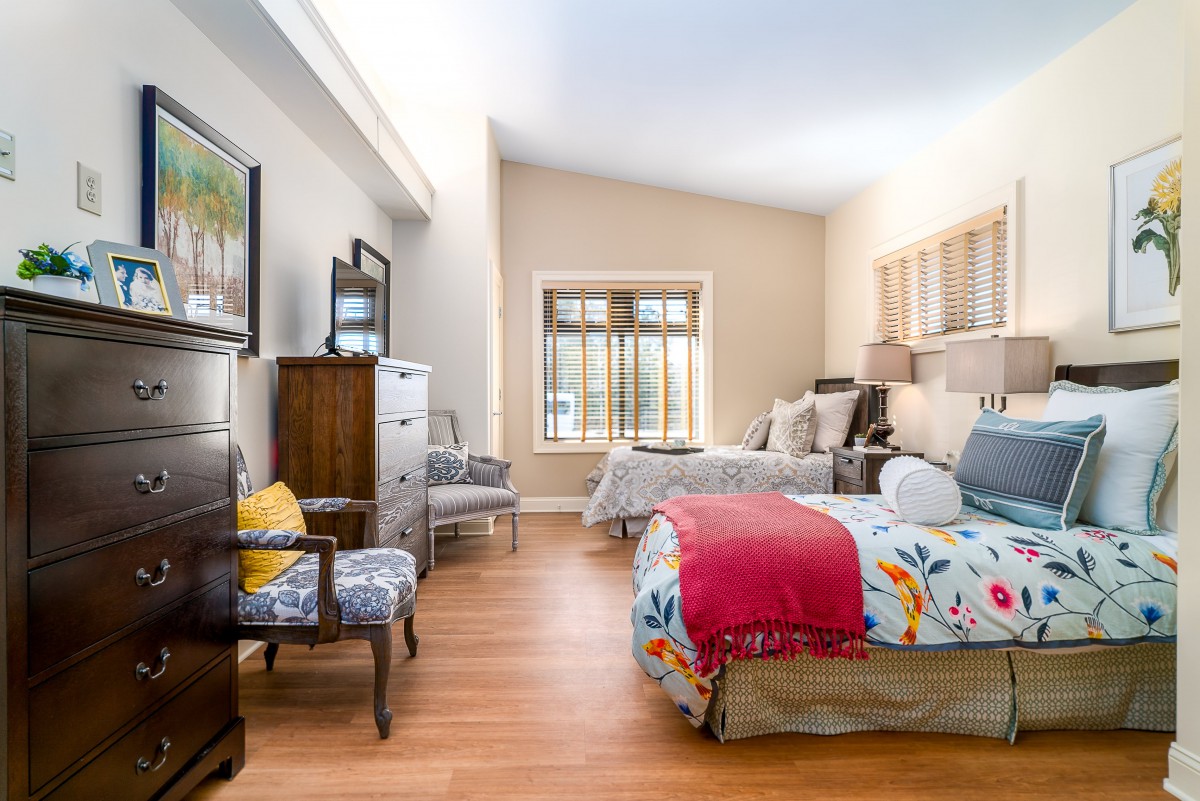
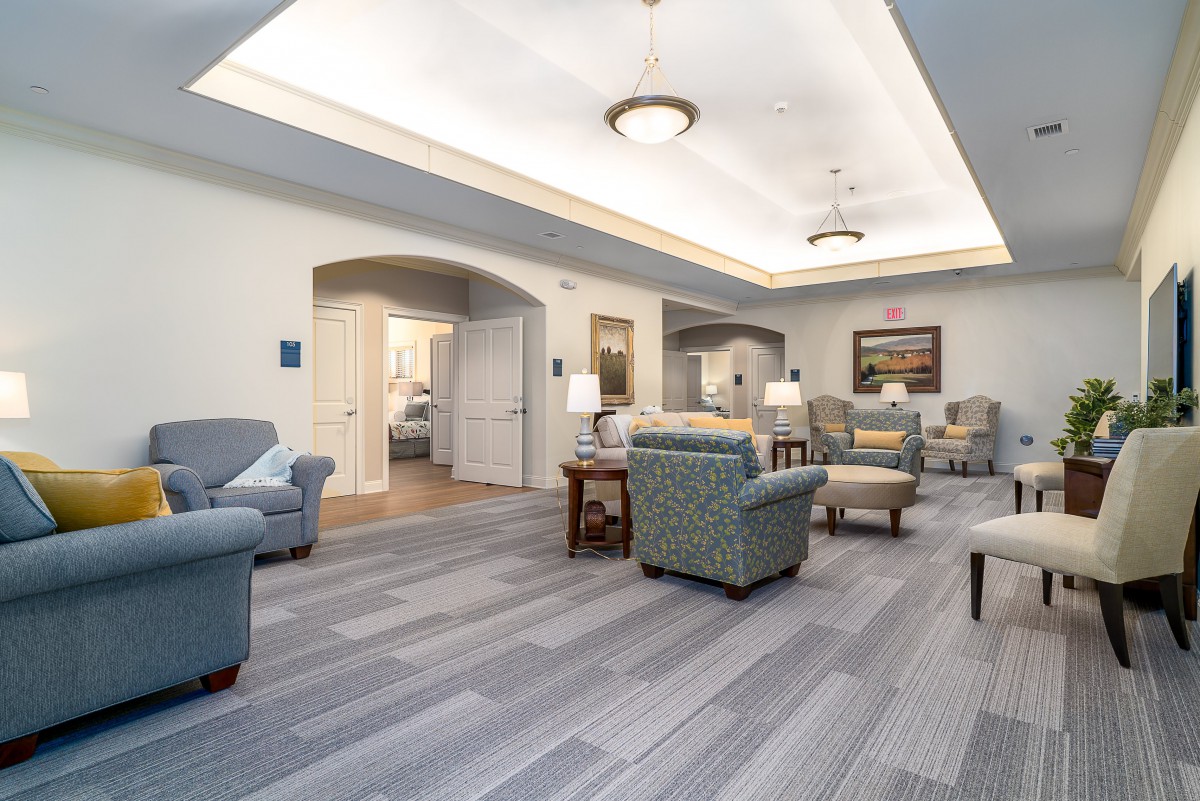
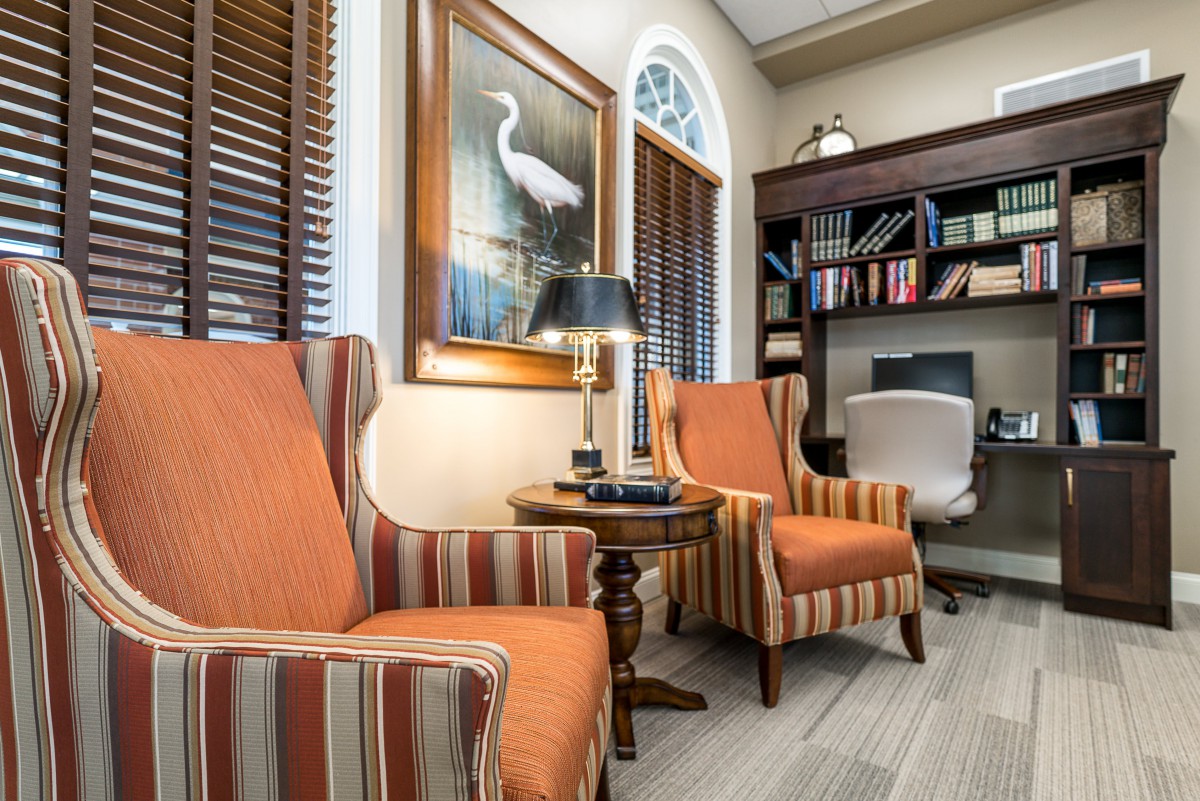
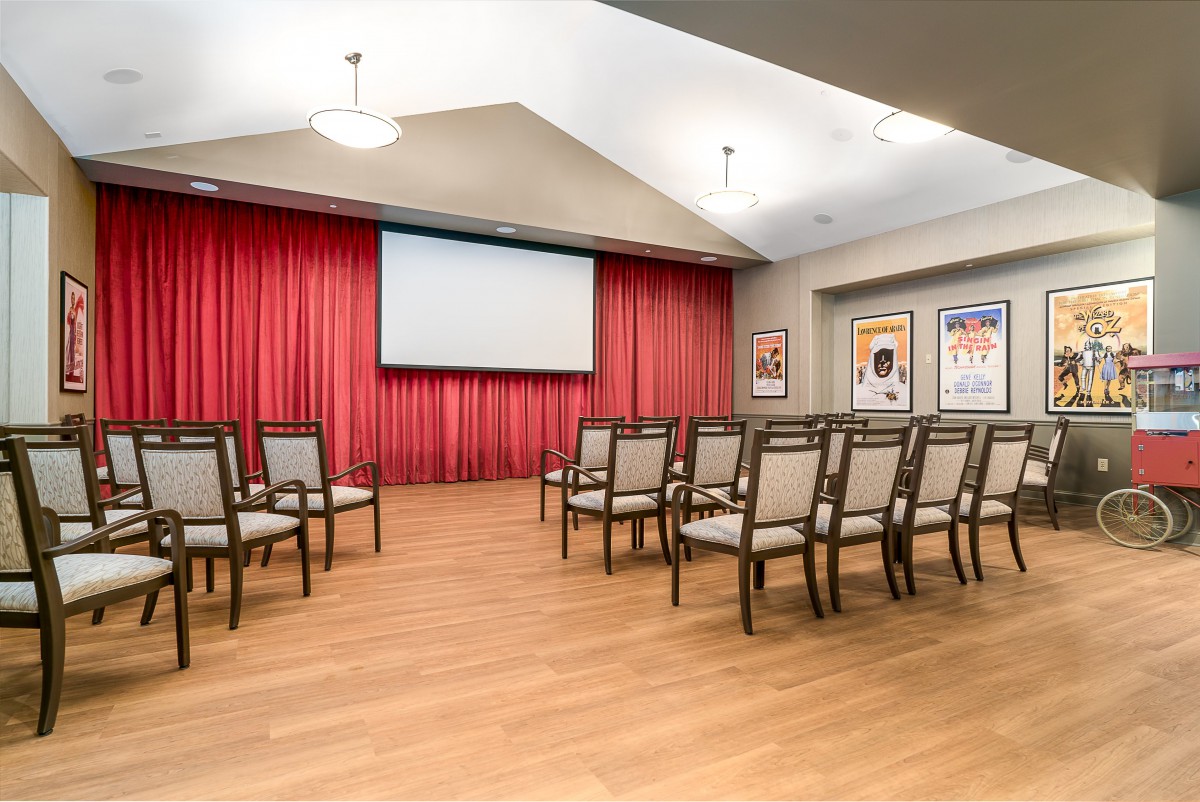
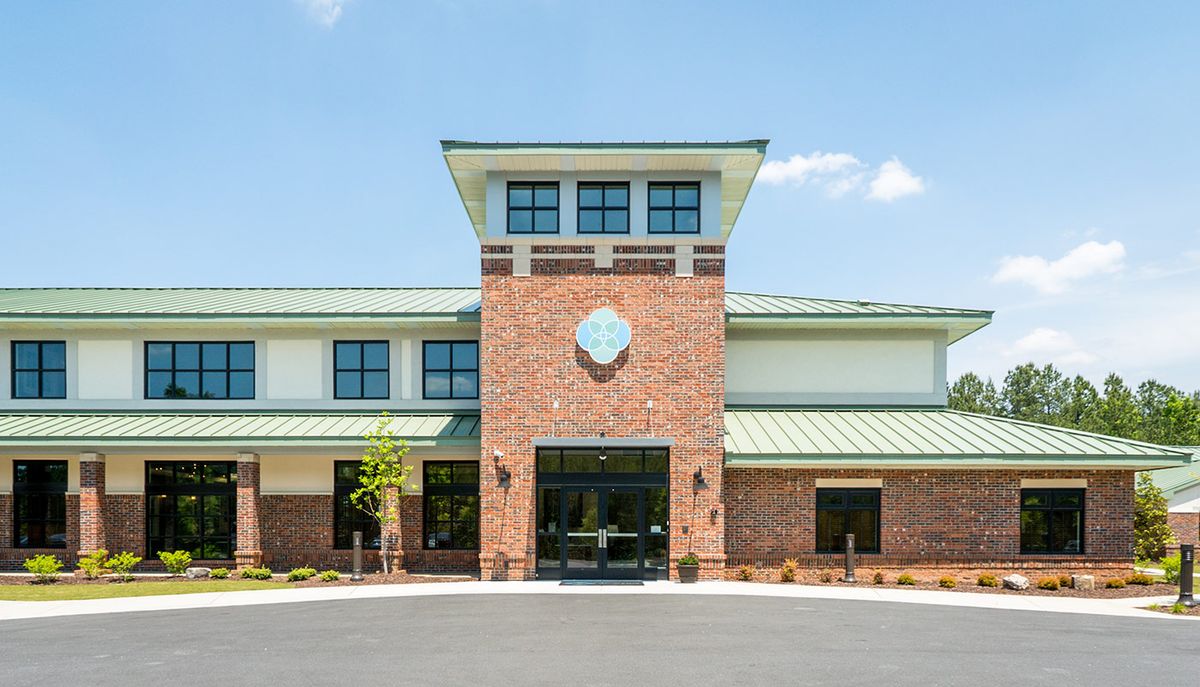
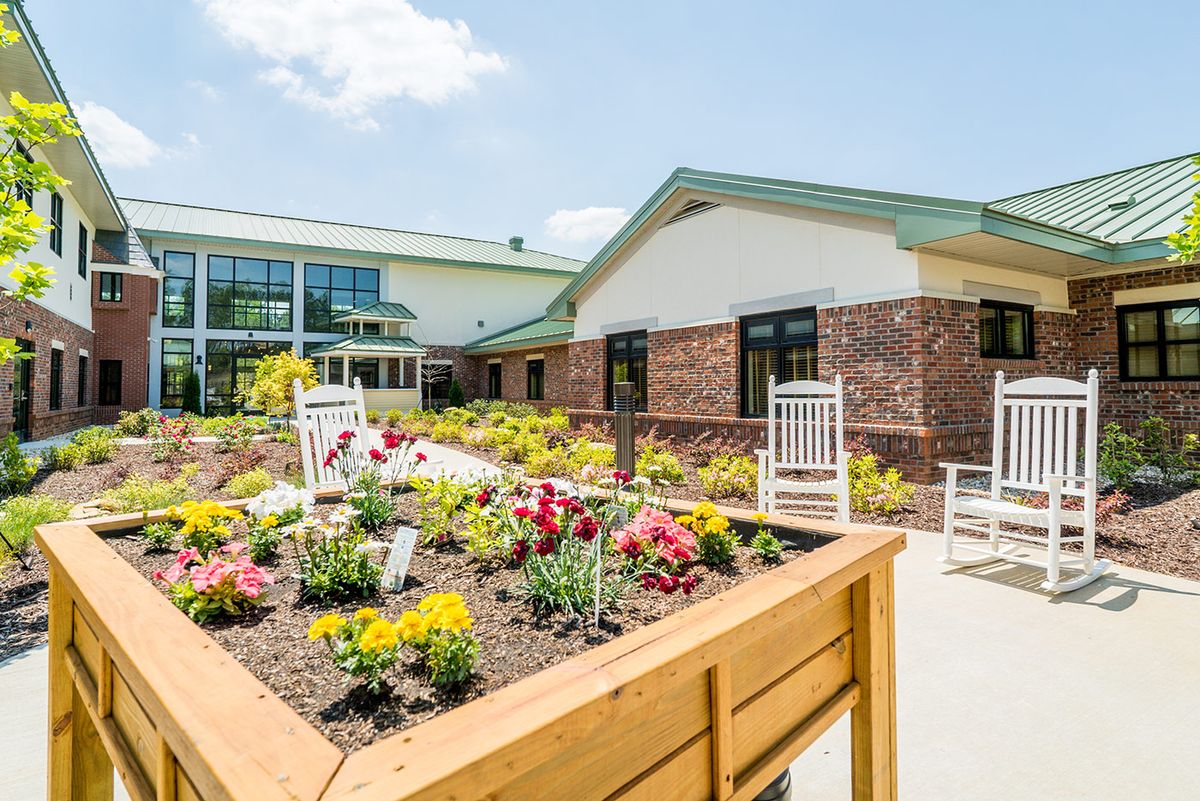
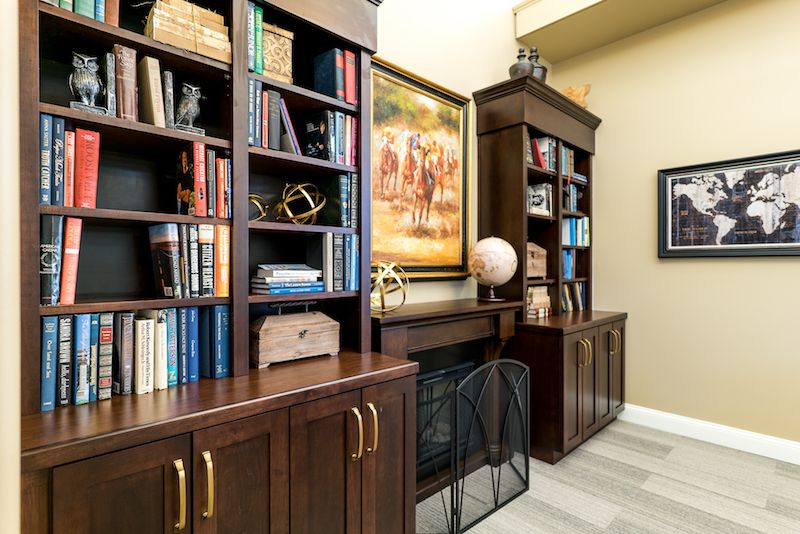
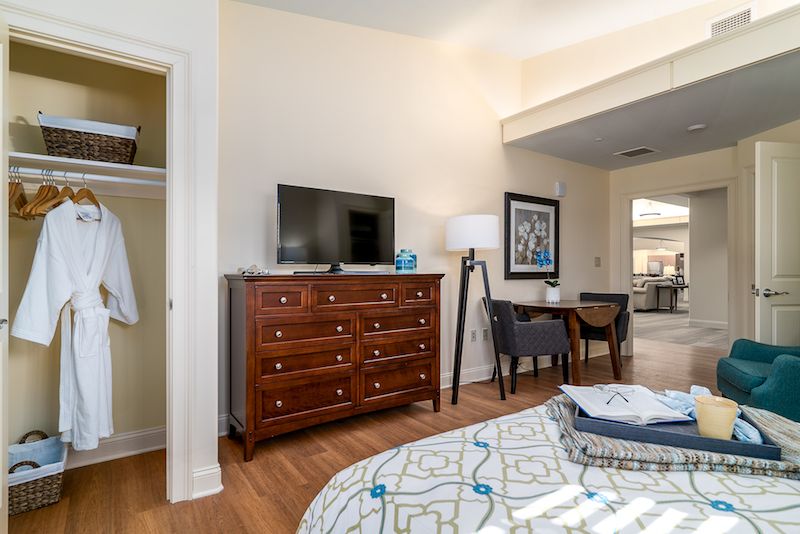
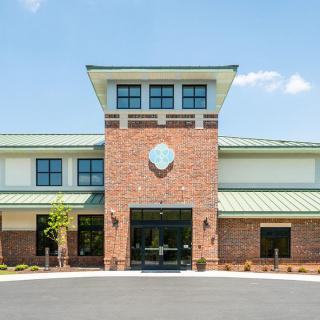
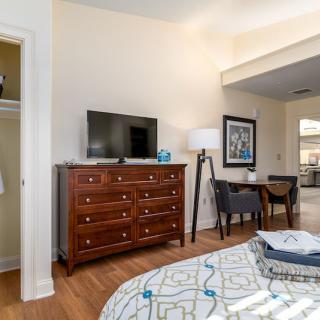
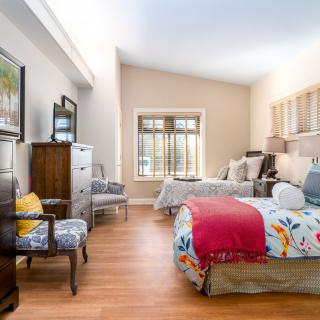
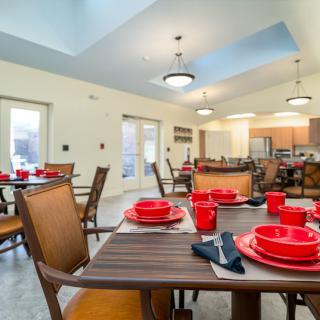
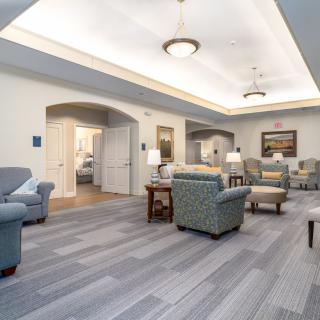
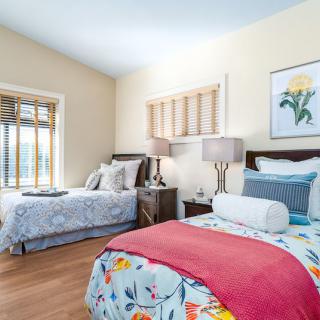
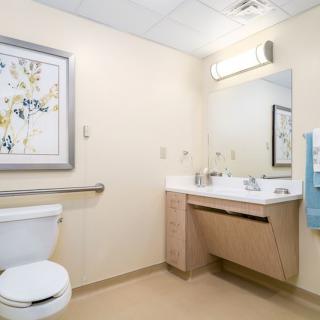
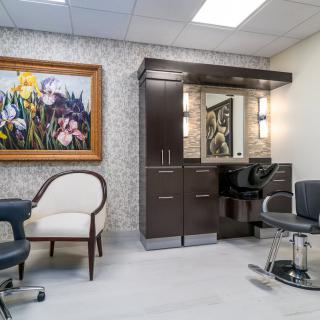
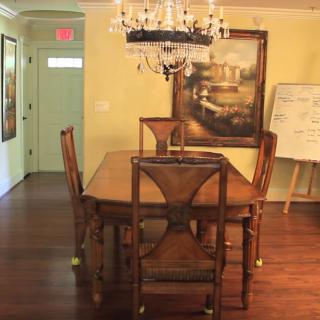
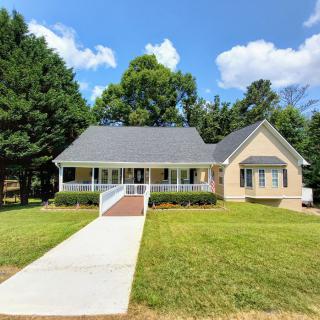
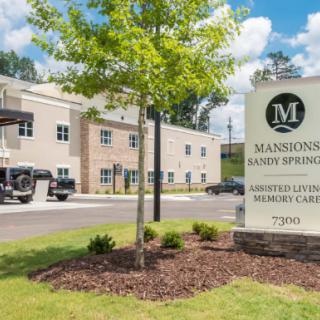
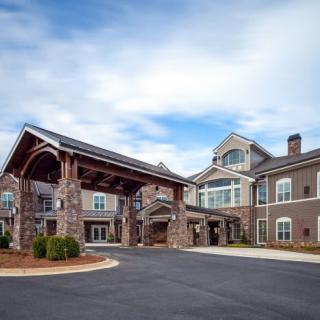
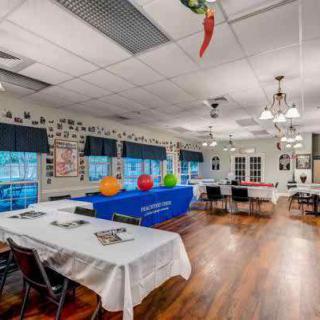
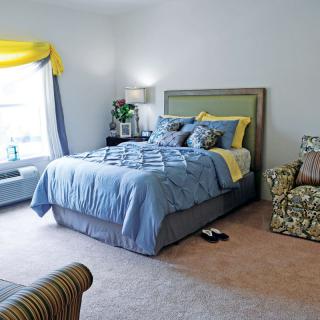
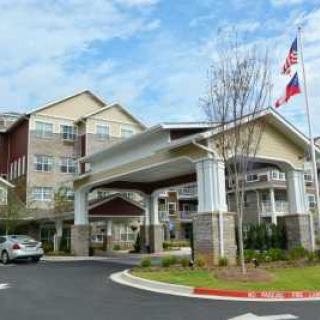
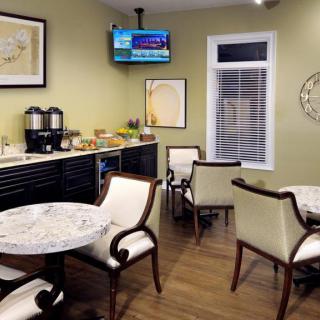
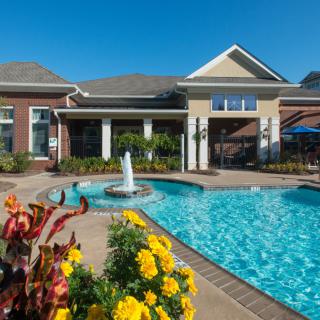
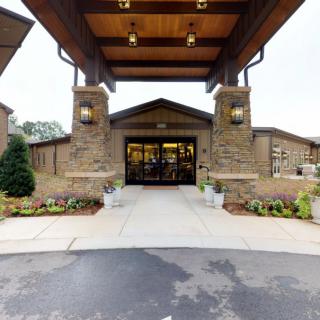
The Memory Center Atlanta on seniors.fyi includes 20 photos including images showing interior, decor, bedroom, building, windows, bar, brick, living room, and more.
Nearby Communities
Sunrise of Johns Creek
Johns Creek, GA
4.1 from 87 reviews
$4,200 to $5,640 / month
Friendly, attentive staff in a clean, engaging community.
HearthSide Johns Creek
Johns Creek, GA
4.7 from 39 reviews
$5,755 to $7,481 / month
Premium amenities and around-the-clock care in a vibrant Johns Creek setting.
Ashwood Meadows Gracious Retirement Living
Johns Creek, GA
4.5 from 57 reviews
Clean facility with friendly, compassionate staff and engaging activities.
Ashwood Meadows
Johns Creek, GA
4.7 from 83 reviews
$2,615 to $4,445 / month
Friendly staff, clean and well-maintained environment with active social programs and strong resident community.
Belmont Village Senior Living Johns Creek
Suwanee, GA
4.4 from 91 reviews
$3,712 to $6,116 / month
Friendly, attentive staff; welcoming, homey vibe with engaging activities and quality dining.
Park at Johns Creek
Suwanee, GA
4.8 from 158 reviews
$1,715 to $2,115 / month
Excellent staff, well-kept grounds, and modern renovated apartments with a robust activity calendar in a safe, gated, convenient location.
Celebration Village Forsyth
Suwanee, GA
4.2 from 83 reviews
$3,100 to $5,995 / month
Beautiful, well-equipped campus with diverse housing options and on-site activities.
Addington Place of John’s Creek
Johns Creek, GA
4.3 from 54 reviews
$3,150 to $4,920 / month
Friendly staff and a clean, home-like environment with active memory-care programming.
Ivy Hall Assisted Living
Johns Creek, GA
4.6 from 41 reviews
$3,150 to $3,600 / month
Excellent, compassionate care with attentive staff in a warm, smaller community.
Vibrant Senior Living emphasizes active senior living communities that promote independence and engagement through diverse amenities and activities, fostering wellness and social interaction among older adults. These communities range from independent to assisted living, with a focus on personal growth, family involvement, financial planning, and leveraging technology to enhance residents' experiences.
Assisted living provides moderate support for seniors seeking independence, while memory care offers specialized support for individuals with dementia or cognitive impairments through structured routines and trained staff. Key differences include care approaches, environment security measures, staff training levels, activity types, and cost considerations.
Choosing between assisted living and nursing homes involves evaluating emotional and financial factors, with assisted living offering independence and support for daily activities at a lower cost, while nursing homes provide intensive medical care for individuals with significant health needs. The decision is influenced by personal preferences, health status, cognitive function, and varying Medicaid coverage across states.
Get PricingAsk A QuestionSchedule A TourContact Senior Advisor
By clicking submit, you agree to our Partner's Terms of Use. You
also consent to receive calls and texts, which may be autodialed, from our Partner. Your consent is not a condition to
using our Partner's service. Please visit our Partner's Privacy Policy for information about their privacy practices.








 60 resident community capacity
 Memory Care
 Activities off-site
 Air-conditioning
 Beautician on-site
 Cable or satellite TV
 Computer center
 Devotional services on-site
 Dining room
 Fireplaces
 Fitness room
 Fully furnished
 Gaming room
 Garden
 Ground floor units
 Handicap accessible
 Housekeeping services
 Indoor common areas
 Kitchenette
 Move-in coordination
 Outdoor common areas
 Private bathrooms
 Respite or short term stays offered
 Restaurant-style dining
 Small library
 Telephone
 Wellness center
 Wheelchair accessible showers
 Wi-Fi/high-speed internet available
 Community operated transportation
 24-hour call system
 Assistance with bathing
 Assistance with dressing
 Assistance with transfers
 Diabetes diet
 Diabetic care
 High acuity care
 Incontinence care
 Medication management
 Mental wellness program
 Special dietary restrictions
 Art classes
 Concierge services
 Cooking classes
 Day trips and outings
 Educational speakers / life long learning
 Karaoke
 Live dance or theater performances
 Live musical performances
 Visiting chaplain or priest
 Wine tasting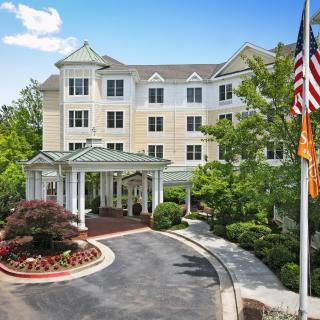
 Friendly, attentive staff in a clean, engaging community.
 Vibrant Senior Living: A Comprehensive Guide for Active Older Adults
 Assisted Living and Memory Care: Understanding Their Core Differences
 Choosing the Right Senior Care: A Detailed Exploration of Assisted Living and Nursing Homes