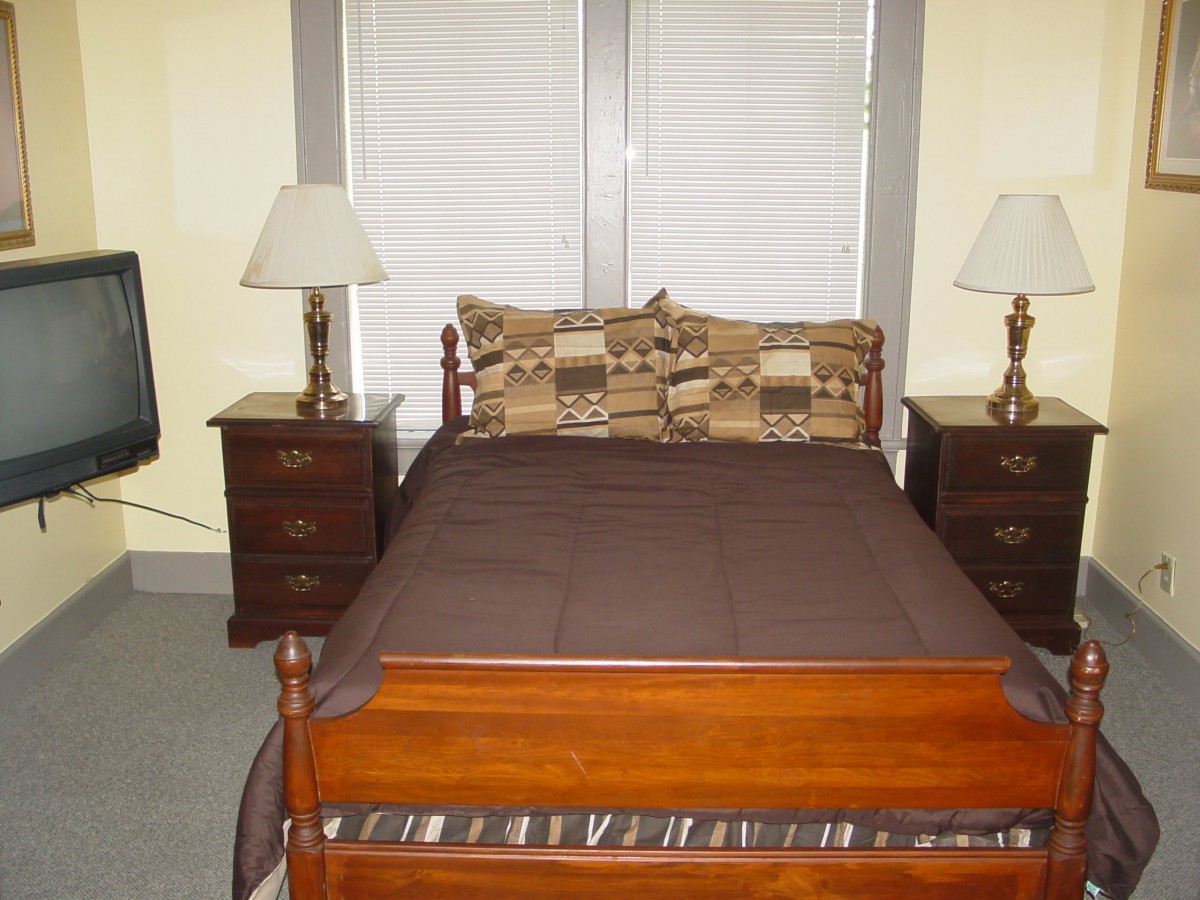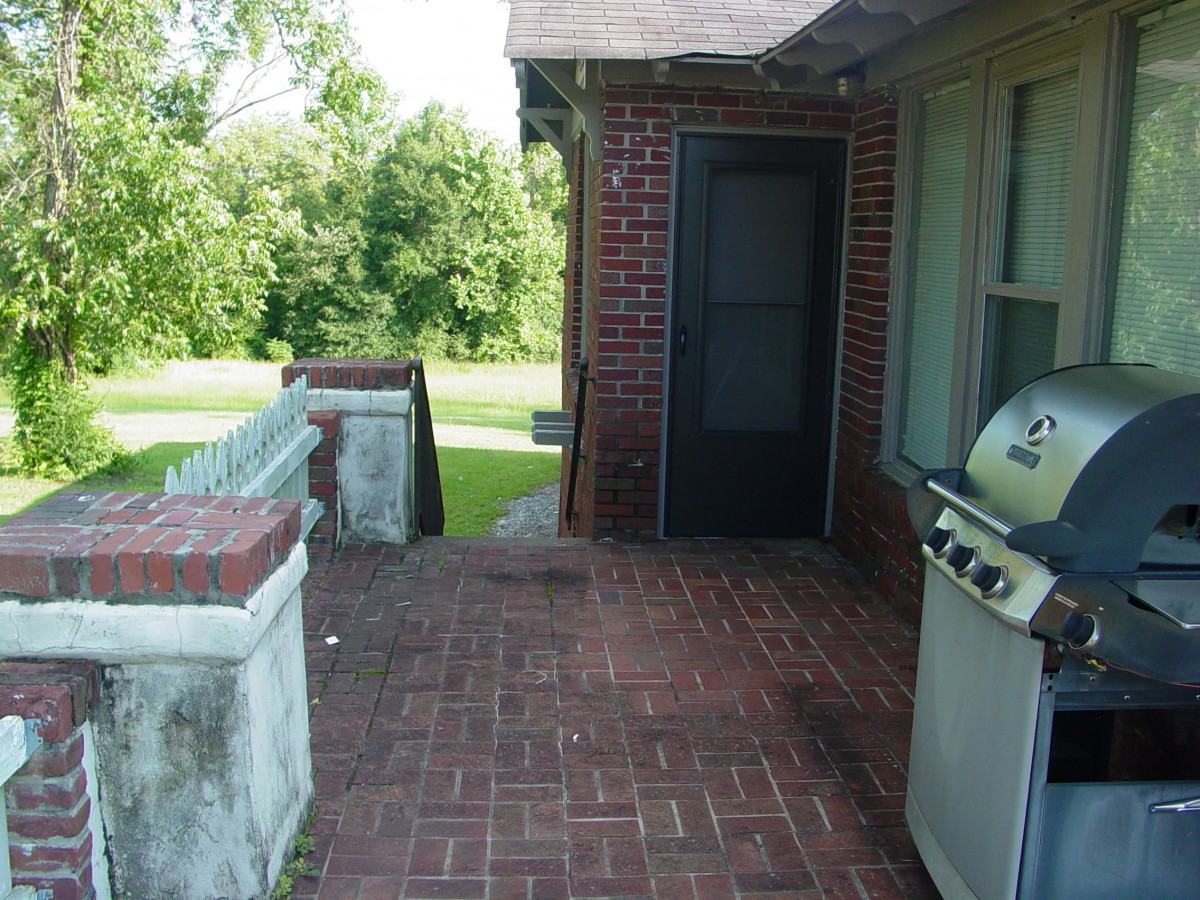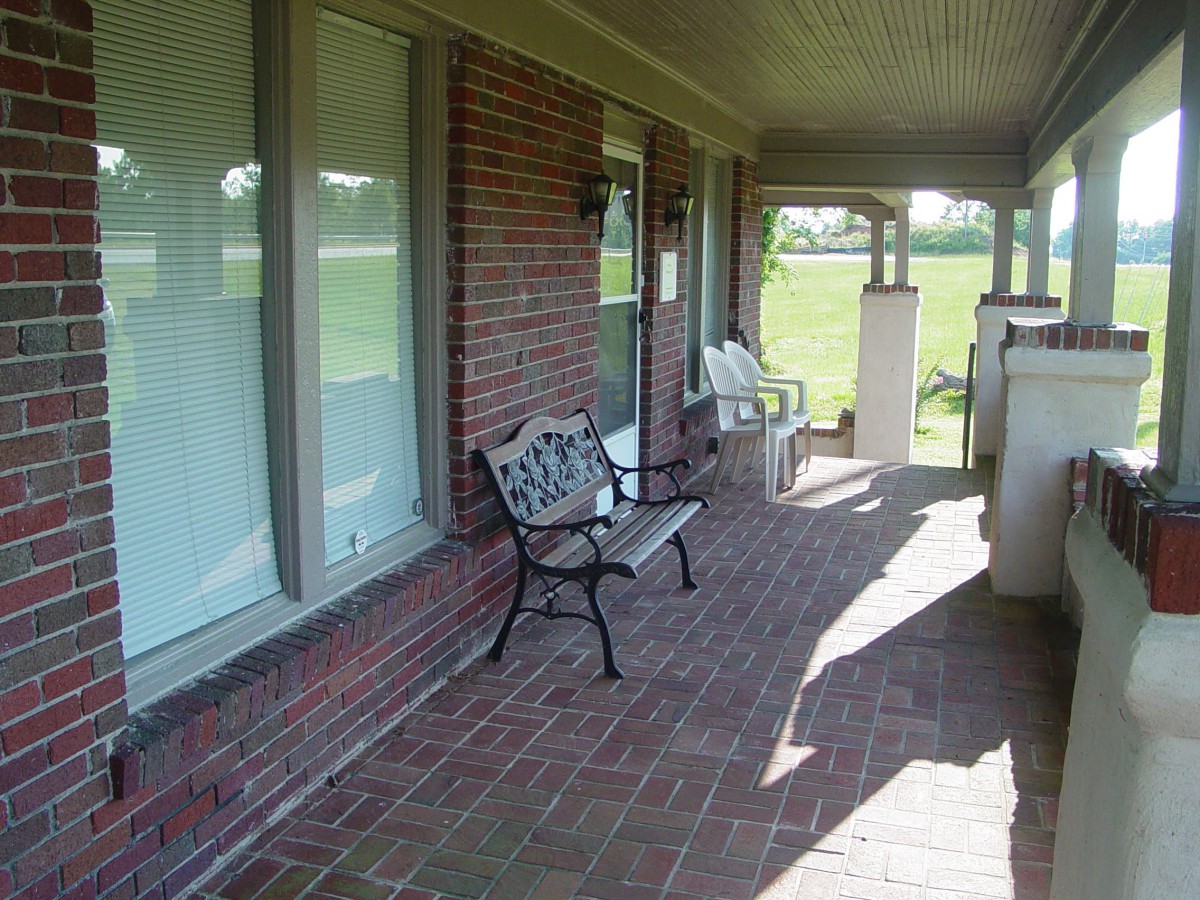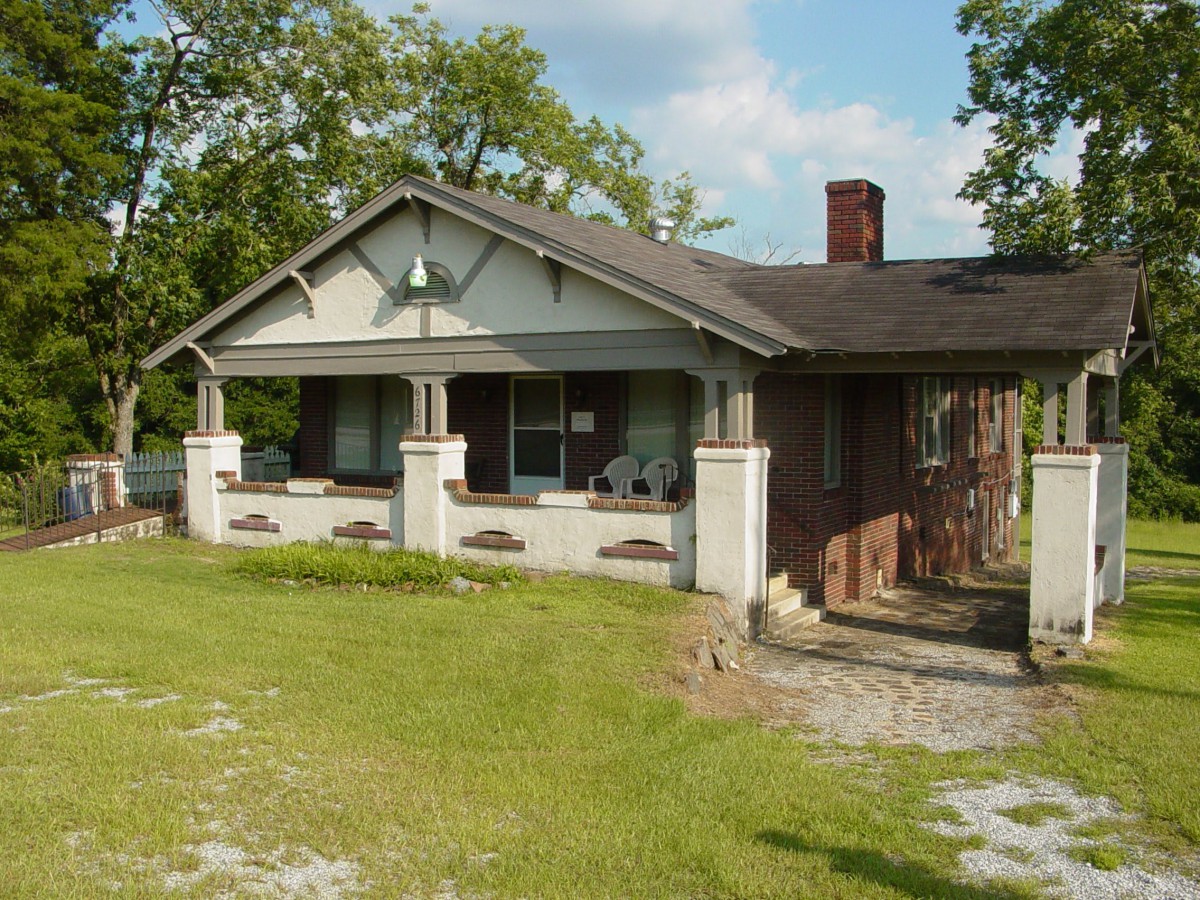
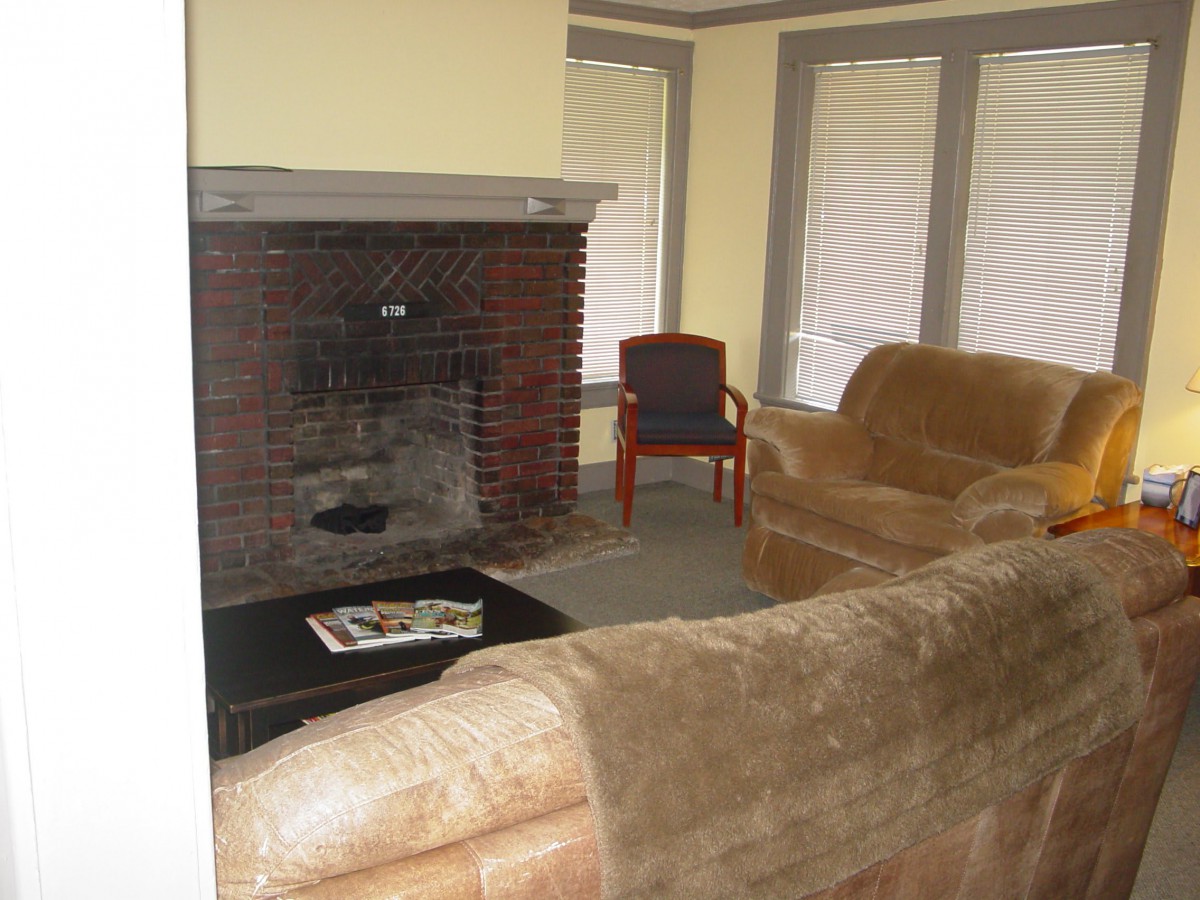
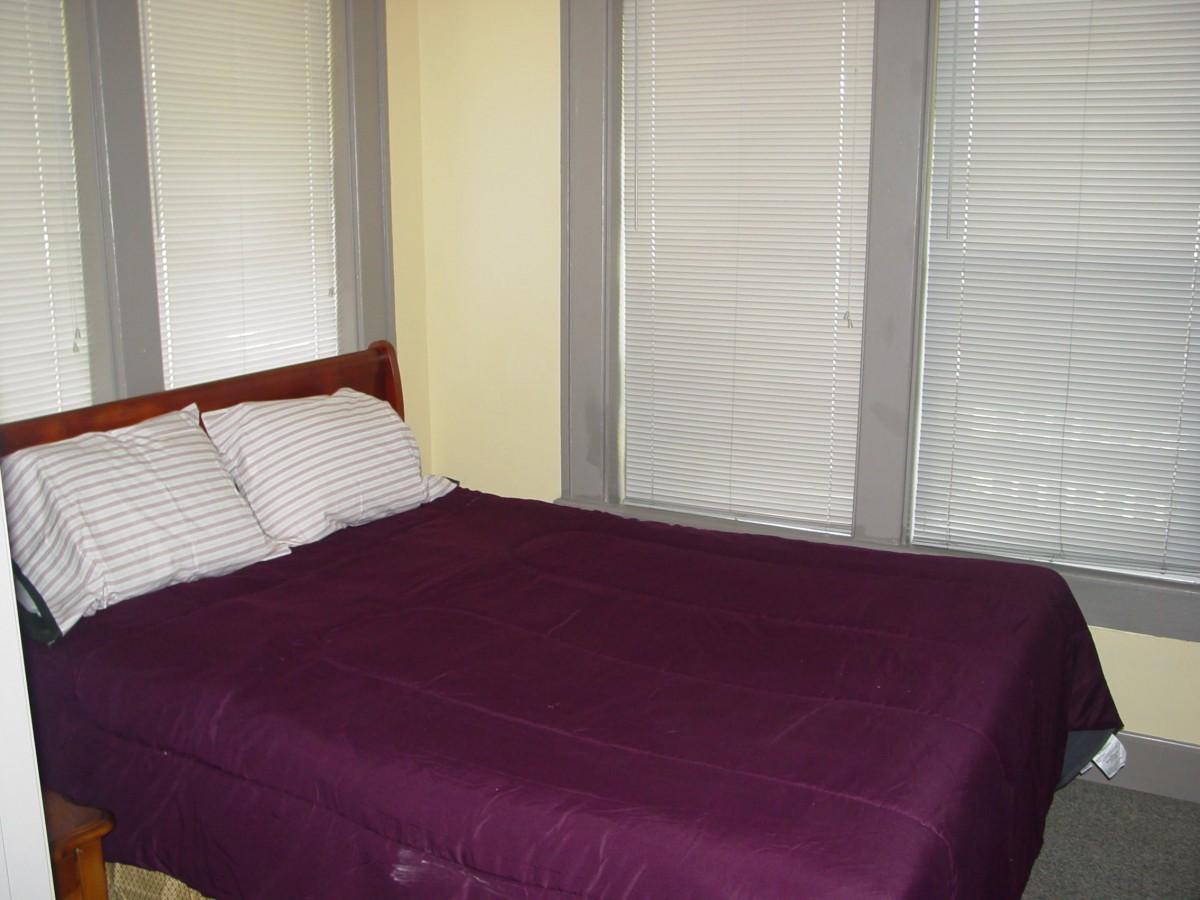
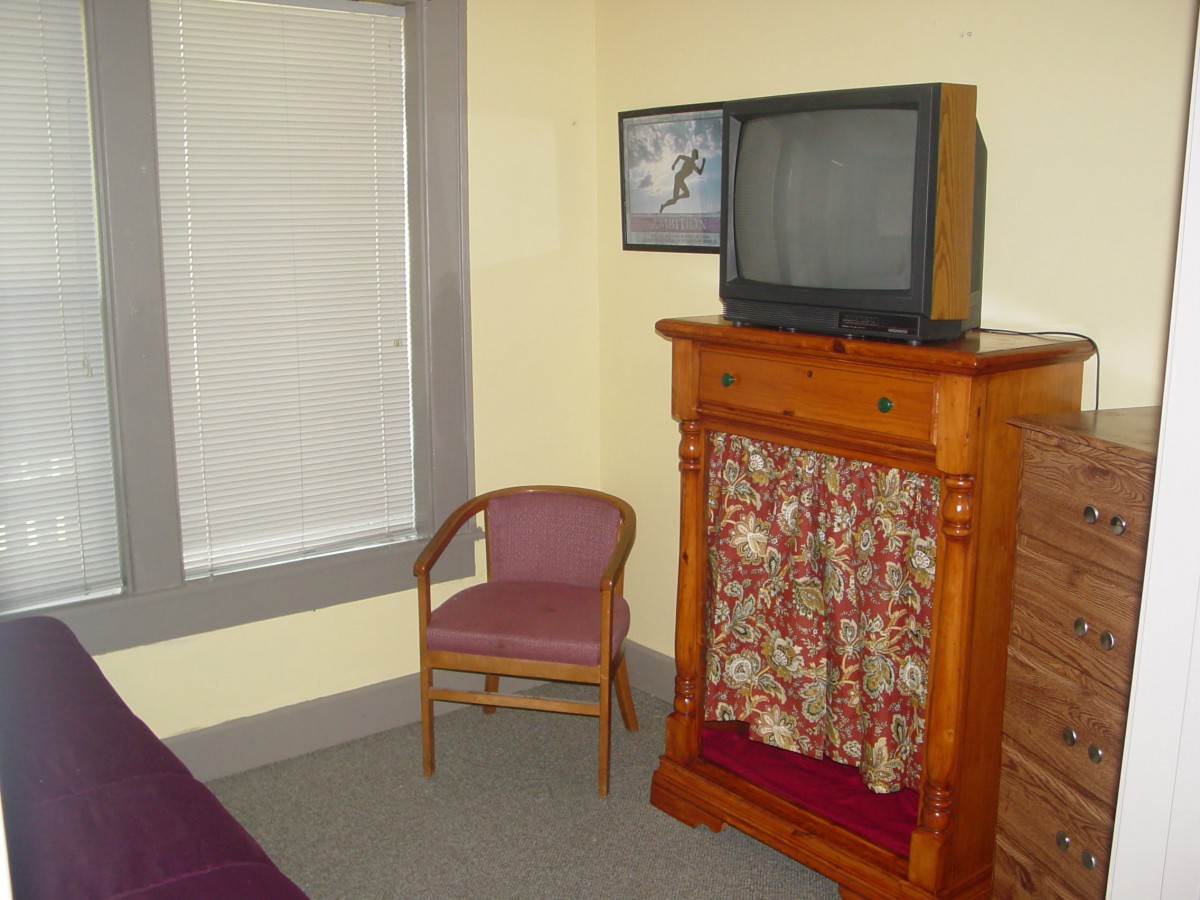
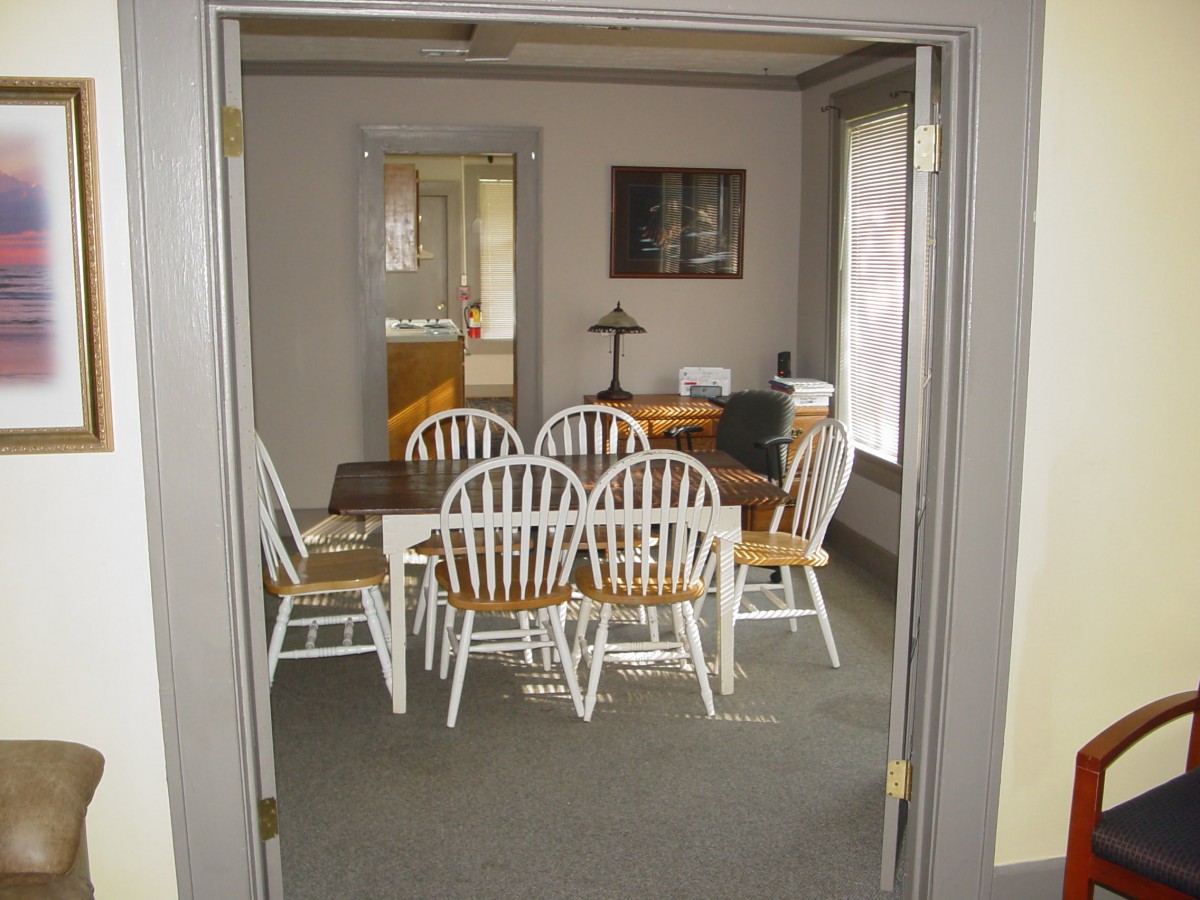
6726 Buena Vista Road, Columbus, GA 31907
To contact a resident: (706) 594-4266
For more information about senior living options: (866) 208-4318
Truly A Blessing II Costs & Pricing
Truly A Blessing II offers competitive pricing for its accommodation options within the context of Muscogee County and the state of Georgia. For semi-private rooms, residents pay a monthly fee of $1,250, significantly lower than the county average of $2,650 and the state average of $2,529. The facility also provides private room accommodations that range from $2,000 to $8,500 per month. While the lower end of this range is still more affordable than the Muscogee County average of $4,007 and Georgia's statewide average of $2,864, it's worth noting that prices can escalate based on specific features or amenities desired. Overall, Truly A Blessing II represents a valuable option for those seeking quality care in a financially accessible setting.
| Floor plans | Truly A Blessing II | Muscogee County | Georgia |
|---|---|---|---|
| Semi-Private | $1,250 | $2,650 | $2,529 |
| Private | $2,000 to $8,500 | $4,007 | $2,864 |
Memory care communities with a similar price nearby
-
from +$245 / mo
The Landings of Columbus
$1,495 to $3,400 / month8.6 miles away -
About the same
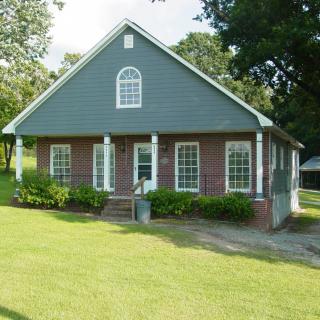
Truly A Blessing
$1,250 to $2,000 / month0.1 miles away -
from +$50 / mo
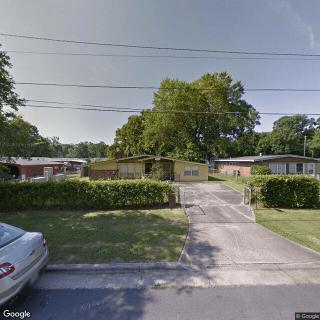
South Columbus Personal Care Home
$1,300 to $1,500 / month7.1 miles away
Overall Review of Truly A Blessing II
Pros
 The spirit in this church is one of brotherly love, humility, and obedience to God.
- It is praised as a house of prayer.
- The church atmosphere is lovely and the worship is great.
- Pastor Outley is real, down to earth, relatable, and kind.
- Pastor Outley delivers the word of God straight from the Bible and is the truth.
- Pastor Outley goes to the trenches to save souls and pursues the one.
- The congregation thanks God for sending Pastor Outley.
- The spirit is very strong.
- The experience is excellent and the service is wonderful.
- The people are welcoming and attendees plan to return to OCC.
Cons
 It does not have an inviting feel.
- There is uncertainty about the staff's professionalism.
- The reviewer is not interested.
Review
Truly A Blessing II in Columbus, GA is best suited for seniors and families who want a faith-centered living environment with active worship, accessible pastoral leadership, and a close-knit spiritual community. The core value here is religious life: opportunities to participate in services, prayer, and biblical teaching are central, and the sense of belonging comes from a warm, church-family atmosphere. For residents who want daily spiritual engagement as a primary source of meaning and social connection, this setting offers clear, tangible benefits. It is not aimed at those seeking a secular or strictly clinical care model, but rather a home where faith informs daily living and social interaction.
Those weighing alternatives should explicitly consider whether robust medical oversight and professional care management are priorities. If the primary need is comprehensive assisted living services, medication management, clear staffing protocols, and a polished administrative experience, other communities with documented care plans and more standardized operations may be a better fit. A secular or multi-faith environment, or a facility with stronger emphasis on organizational professionalism, could reduce potential friction for residents who require consistent accountability and a more neutral atmosphere.
The strongest pros center on spiritual vitality and personal connection. Reviews consistently describe a palpable, uplifting energy in worship and an emphasis on genuine, down-to-earth pastoral leadership. A pastor who is seen as relatable, biblically grounded, and willing to go to the trenches to reach souls creates a sense of purpose and belonging that can dramatically reduce loneliness and cultivate daily meaning. The warmth of attendees and the welcoming nature of the community can translate into meaningful social ties, regular activity participation, and a steady source of emotional support for residents who thrive on shared faith and communal prayer.
However, the main cons cannot be ignored, and they carry practical implications for decision-making. A subset of reviews signals that the environment may not feel inviting to everyone and raises questions about staff professionalism. In assisted living terms, these concerns point to potential gaps in how care, safety, and day-to-day operations are coordinated. For residents who prioritize a consistently professional care experience, clear communication protocols, and a polished front-facing operation, these red flags could outweigh the spiritual benefits. The tension between a strong religious identity and a potentially uneven administrative experience is the core trade-off to weigh.
From a practical vantage point, the decision should hinge on alignment of values and tolerance for operational variability. Pros offset cons best when the prospective resident places highest value on faith-based community, regular worship, and human connection over formalized care metrics. Tour and conversation should probe how religious programming is integrated with daily routines, whether pastoral care extends to pastoral counseling for everyday life or medical concerns, and how staff accessibility and responsiveness are managed. Meeting current residents and staff, observing service times, and examining safety, meal, and activity schedules will illuminate how the spiritual environment actually plays out in daily living.
In the end, Truly A Blessing II presents a thoughtful option for families prioritizing faith-driven living and active community engagement. It delivers compelling spiritual nourishment, authentic leadership, and a welcoming social climate that can significantly enhance well-being for residents who value a church-centered lifestyle. Yet for those whose primary criteria include institutional rigor, consistent professional oversight, and a uniformly polished administrative experience, alternatives with stronger operational track records may prove a wiser choice. The best path is to assess personal care needs against the pull of a robust spiritual community, and to choose a setting where daily living and long-term peace of mind are in symmetric, clearly understood alignment.
 Board and Care Home
 Memory Care
 Activities off-site
 Bath tubs
 Devotional services off-site
 Indoor common areas
 Outdoor common areas
 Private
 Private bathrooms
 Respite or short term stays offered
 Columbus Metropolitan (5 miles away)
 Ambulatory care
 Diabetic care
 Incontinence care
 Medication management
 Kosher



 An In-Depth Look at Reminiscence Therapy in Dementia Care
 Dementia-Related Hallucinations: Causes, Experiences, and Practical Approaches
 Illuminating Insights About Alzheimer's Disease: Ten Crucial Realities