

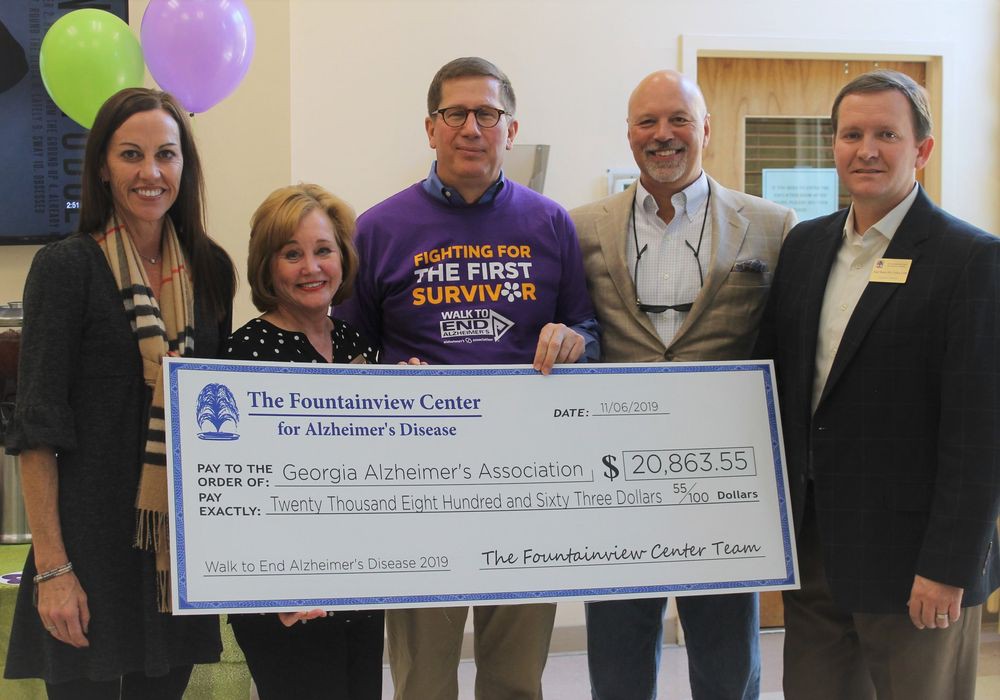
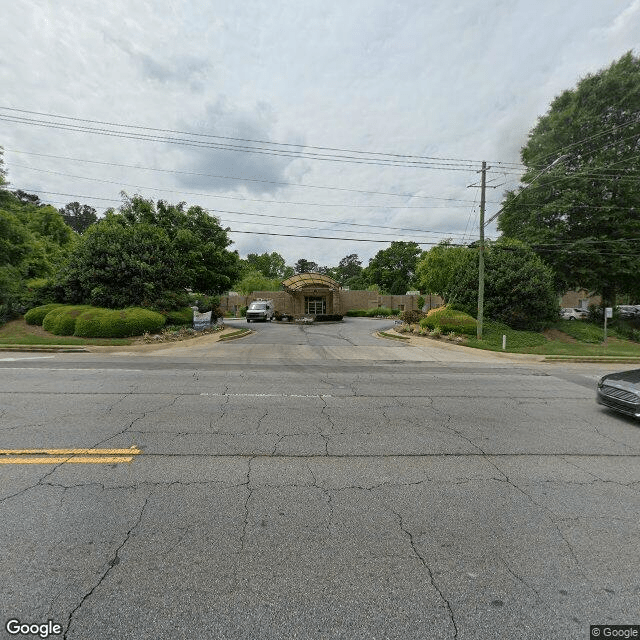
2631 N Druid Hills Rd NE, Atlanta, GA 30329
To contact a resident: (404) 325-7994
For more information about senior living options: (866) 208-4318
Overall Review of Fountainview Center-Alzheimers
Pros
 The facility is well maintained, clean, and pleasant, and the care it provides is excellent.
- The care team communicates well with families and creates a supportive environment.
- Terrence and Julius are supportive and have inspired confidence in the residents and their families.
- The therapy program is good, the wound care program is excellent, and the staff are compassionate, attentive, and thorough.
- The leadership team's tenure is impressive for the industry.
- The staff perform demanding work with dedication, consistently doing it better than others in the area.
- Fountainview has been a trusted home delivering compassionate care with dignity.
- The nurses and staff work with passion and grace, engaging residents in a variety of daily activities.
- End-of-life care is handled with kindness and thoughtful support that is deeply appreciated by families.
Cons
 The facility could be better.
- The staff are snappy and short-tempered.
- The DON’s behavior was toxic for bad-mouthing nurses to a potential new employee.
- The family was not happy with the care during the 10-week stay.
- Only a few caregivers were attentive; many staff did the bare minimum.
- Wound care was not initiated promptly, allowing the wound to worsen.
- The family was told to leave despite ongoing concerns about care.
- The meals were awful and often hard to chew for residents with no teeth.
- Clothes went missing and staff couldn’t locate them.
- The facility is sad and dark, with residents suffering, and low pay leads to high turnover of CNAs.
- There was little activity in the building and some rooms smelled like sewage.
- Management is perceived as uncaring; the owner pays low wages while living in a large home.
Review
Fountainview Center-Alzheimers in Atlanta is best suited for families seeking a memory-care environment where daily dignity is the core objective and where clinical supports are hands-on and integrated into everyday life. The community tends to work best for residents with Alzheimer's or other dementias who respond to structured routines, purposeful activities, and visible attention from a long-tenured care leadership team. Families that value clear, frequent communication and a hands-on approach to nursing, therapy, and wound care will find this site aligns with those priorities, especially for longer stays where continuity of staff and care philosophy matters.
Alternatives are worth considering for those with very high expectations around staffing consistency, bite-size improvements in daily operations, or culinary quality that remains uniformly excellent. Several reviews flag variability in the caregiving experience, with some staff appearing detached or overwhelmed at times and a few incidents suggesting delays in routine tasks or responsiveness. For families prioritizing a consistently seamless day-to-day experience across all shifts, or for residents who require near-flawless execution of every meal, shower, and moment of engagement, exploring other options may prevent ongoing frustration and distrust.
On the plus side, Fountainview earns its keep through a well-maintained, clean, and orderly environment paired with what families repeatedly praise as compassionate, attentive care. The care team is often described as cohesive and communicative, with individual staff members, Terrence and Julius cited by name, standing out for support and professionalism. Therapy programs and in-house wound care receive particular emphasis for their effectiveness, and the leadership’s long tenure is highlighted as a stabilizing force that contributes to consistent care values over time. For families seeking reassurance that a loved one receives meticulous attention to daily needs and medical concerns, these elements frequently offset a good portion of otherwise shared concerns.
Where the reviews diverge, the most salient gaps center on staffing consistency and responsiveness. Some families recount instances of delayed assistance, short-tempered interactions, or gaps in routine care, concerns that heighten when a resident is reliant on consistent help with basic tasks or wound care. There are also pointed critiques about food quality, occasional loss of personal clothing, and a perception that management, in some moments, did not address concerns with the urgency expected in highly vulnerable dementia care. These realities cannot be dismissed; they signal that this community can deliver excellent, heart-forward care in the right circumstances, but may fall short when staffing pressure peaks or when leadership communication falters.
The key pros do not merely siphon away concern; they actively offset several of the main drawbacks when families engage proactively. A clean, safe environment, strong clinical capabilities (notably rehab and wound care), and a front-line staff culture that prioritizes ongoing family updates create a bedrock of trust. Long-tenured leadership helps keep protocols consistent and fosters accountability, which matters greatly for dementia care where small miscommunications can escalate. Families who are willing to participate in regular conversations, monitor care plans closely, and press for timely wound care or dietary accommodations are more likely to experience the favorable outcomes highlighted in the positive reviews.
Decision-making here should be guided by direct conversations with the nursing leadership about staffing models, wound-care pathways, and daily rhythm. Prospective families should inquire about nurse-to-resident ratios on most shifts, how quickly concerns are escalated, and whether there is an in-house wound-care clinician who shepherds treatments. It is prudent to tour during different times of day, speak with multiple families, and review the latest incident logs or care-plan updates. Ask specifically about meal planning for residents with dental needs, and verify that missing belongings or laundry issues have effective tracking and resolution processes. In short, this community is a strong fit for those prioritizing compassionate care with solid clinical support, provided the family is comfortable with some variability in day-to-day staffing consistency and is prepared to actively oversee care measures.
Taken together, Fountainview offers a pragmatic, experienced pathway for families navigating memory care. It rewards engagement, questions, and persistence with a level of clinical attention and humane treatment that is meaningful for long-term dementia care. It is particularly well-suited for families who will leverage the staff’s strengths, clear communication, stable leadership, and robust wound-care and rehabilitation programs, while remaining vigilant about staffing rhythms and responsive follow-through. For those who require near-perfect consistency across every shift or who demand consistently outstanding meals and strict adherence to every daily micro-task, alternatives will likely prove more reliable.
 Memory Care
 Skilled Nursing Facility
 William B Hartsfield-Atlanta International (14 miles away)





 Are Dementia and Alzheimer's Disease Lethal? A Comprehensive Exploration
 Exploring the Power of Reminiscence Therapy for Individuals With Dementia
 An In-Depth Look at Reminiscence Therapy in Dementia Care