
2631 North Druid Hills Road North E, Atlanta, GA 30329
For more information about senior living options: (866) 208-4318
Fountainview Center For Alzheimer Costs & Pricing
Fountainview Center for Alzheimer presents a notably higher cost structure compared to both DeKalb County and the broader state of Georgia. For semi-private accommodations, residents can expect to pay $4,000 per month, significantly above the county's average of $2,188 and the state's average of $2,529. Those seeking private rooms will find even steeper costs at Fountainview, with a monthly rate of $6,000 that surpasses DeKalb County's typical charge of $2,415 and Georgia's average of $2,864. These figures reflect the specialized care and amenities provided by Fountainview Center for individuals living with Alzheimer's disease, underscoring its commitment to quality support in a nurturing environment.
| Floor plans | Fountainview Center For Alzheimer | DeKalb County | Georgia |
|---|---|---|---|
| Semi-Private | $4,000 | $2,188 | $2,529 |
| Private | $6,000 | $2,415 | $2,864 |
Skilled Nursing Facilities with a similar price nearby
-
About the same
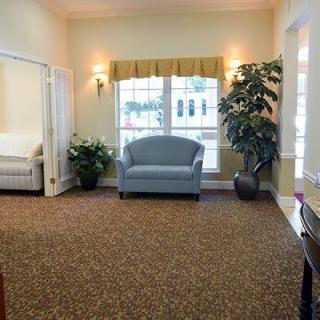
Historic Roswell Place
$3,895 to $4,666 / month14.1 miles away -
About the same

Atria Park Of Tucker
$4,095 to $4,795 / month9.2 miles away -
from +$650 / mo
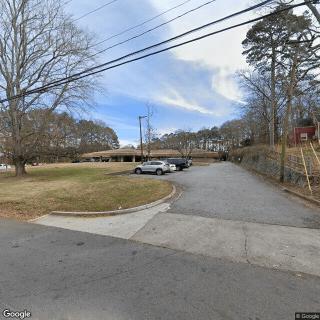
Fulton Center for Rehabilitation
$4,650 to $4,826 / month11.5 miles away -
from -$600 / mo
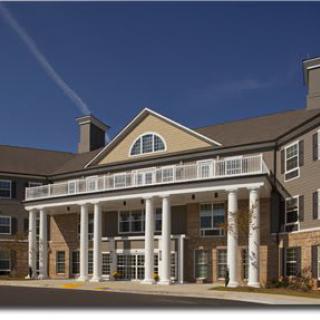
Canterfield of Kennesaw
$3,400 to $4,800 / month21.3 miles away -
from -$288 / mo
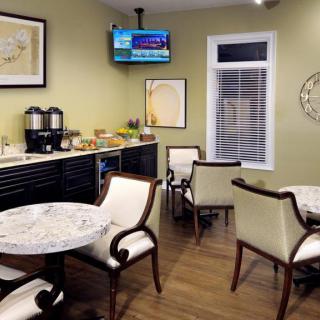
Belmont Village Senior Living Johns Creek
$3,712 to $6,116 / month19.2 miles away
Overall Review of Fountainview Center For Alzheimer
Pros
 The facility is well maintained, clean and pleasant.
- The care team provides excellent care and communicates well with families.
- The wound care program is excellent.
- The staff are compassionate, attentive, and detailed.
- The leadership team's long tenure is unprecedented in the industry.
- Fountainview delivers compassionate care with dignity.
- The nurses and staff perform with passion and grace.
- The center is safe, clean, and has a hands-on approach to caregiving.
Cons
 The DON Julius is accused of bad-mouthing his own nurses to a potential new employee, describing them as jaded and spoiled—a toxic impression.
- Only a few caregivers in the patient’s community were attentive, while the others seemed to be there just to receive a paycheck.
- The facility failed to initiate in-house wound care promptly, allowing a small pressure sore to become large and very uncomfortable.
- The patient was asked to leave despite ongoing concerns about her care and condition.
- The meals were described as awful, with many offerings difficult for the patient to chew.
- The clothing brought in for the patient went missing, and staff could not locate the items.
- The reviewer would not recommend this facility to anyone.
- The facility was described as sad and dark, with residents suffering, and concerns about staffing, underpayment of workers, and management/owner behavior.
Review
This community is best suited for families seeking specialized memory care for a loved one with Alzheimer’s or dementia who values a clean, calm, and proactively managed environment, backed by hands-on caregiving and a robust clinical team. Fountainview has earned praise for clean facilities, reliable rehab and wound-care programs, and a care culture that often prioritizes patient dignity and family communication. When care teams are stable and long-tenured, the center can deliver consistently compassionate support through daily routines, medication administration, and end-of-life transitions. For families navigating late-stage memory care or requiring a facility that can pivot between rehab, ongoing dementia care, and palliative needs, Fountainview can be a strong match.
Those who may want to consider alternatives include families who require near-flawless day-to-day reliability across all shifts, or who insist on uniformly upbeat interactions from every staff member. Several reviews flag inconsistent attentiveness among caregivers, episodes of delayed responsiveness, and management-related friction that can color the experience. If a potential resident has highly specific expectations around staff-to-resident ratios, proactive wound care, or flawless cleanliness and communication at all times, exploring other options may be prudent. Proximity is not a decisive factor here, but the need for steady, unwavering daily oversight is.
The strongest positives are tangible and meaningful. The center’s environment is well maintained and clean, which already reduces infection risk and anxiety for families. Wound-care capability is repeatedly highlighted as excellent, a critical factor for residents with mobility issues or pressure injuries. The therapy program is described as solid, offering meaningful activities and mobility work that align with recovery and ongoing cognition support. Leadership has historically been a selling point, with long-tenured directors and nurses who are praised for hands-on involvement and the overall culture of care. Communication with families, especially around transitions and updates, often feels thorough and candid when the team is at its best.
Yet the most significant concerns surface in the areas of day-to-day staffing consistency and leadership tone. Several reviews describe staff as “snappy” or disengaged at times, and there are explicit accounts of care gaps, signals that not all shifts receive the same level of attentiveness. Instances of delayed assistance, wet or unclean conditions for residents, and food quality issues appear in a subset of experiences. Reports of management making negative comments about staff or back-and-forth discipline also create a sense of unsettled morale. Taken together, these dynamics don’t erase the positive capabilities, but they do introduce real risk for families who prize uniform reliability.
How the pros fare against the cons depends on what a family prioritizes. If the priority is high-quality wound care, stable rehab programming, and a care team that can cultivate trust with families over time, Fountainview delivers substantial value. When leadership is steady and changes are handled transparently, the facility’s strengths can be leveraged to support long-term memory care goals and end-of-life planning with dignity. However, when day-to-day attentiveness or transparent response to concerns falters, the gaps can undermine confidence during a vulnerable stage of care. This underscores the need for prospective families to probe current staffing levels, caregiver engagement, and the cadence of communication during a tour and a trial week.
In short, Fountainview is a practical fit for families seeking dedicated memory-care expertise, strong wound-care capabilities, and a relationship-driven care culture, provided the household is comfortable with occasional variability in daily staffing and leadership tone. Prioritize a direct conversation with the DON, request to observe wound-care and mobility sessions, and review a resident’s care plan in detail during a visit. If these checks reveal consistent staffing engagement and clear accountability, Fountainview represents a capable option. If not, exploring alternatives with a proven track record of steady daily operations and universally attentive staff may save future frustration and stress.
 120 resident community capacity
 Skilled Nursing Facility
 Air-conditioning
 Beauty salon
 Cable or satellite TV
 Computer center
 Dining room
 Fitness room
 Fully furnished
 Gaming room
 Garden
 Housekeeping services
 Kitchenette
 Move-in coordination
 Outdoor space
 Private bathrooms
 Restaurant-style dining
 Small library
 Telephone
 Wellness center
 Wi-Fi/high-speed internet available
 William B Hartsfield-Atlanta International (14 miles away)
 Community operated transportation
 12-16 hour nursing
 24-hour call system
 Activities of daily living assistance
 Assistance with bathing
 Assistance with dressing
 Assistance with transfers
 Diabetes diet
 Medication management
 Mental wellness program
 Special dietary restrictions
 Concierge services
 Planned day trips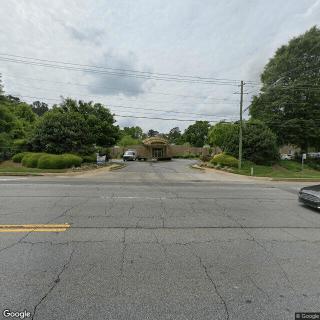




 Senior Move Management: Understanding the Role, Value, and Associated Costs
 Weight Training for Seniors: Building Strength and Vitality
 Understanding the Sandwich Generation: Stress and Responsibilities for Multigenerational Caregivers