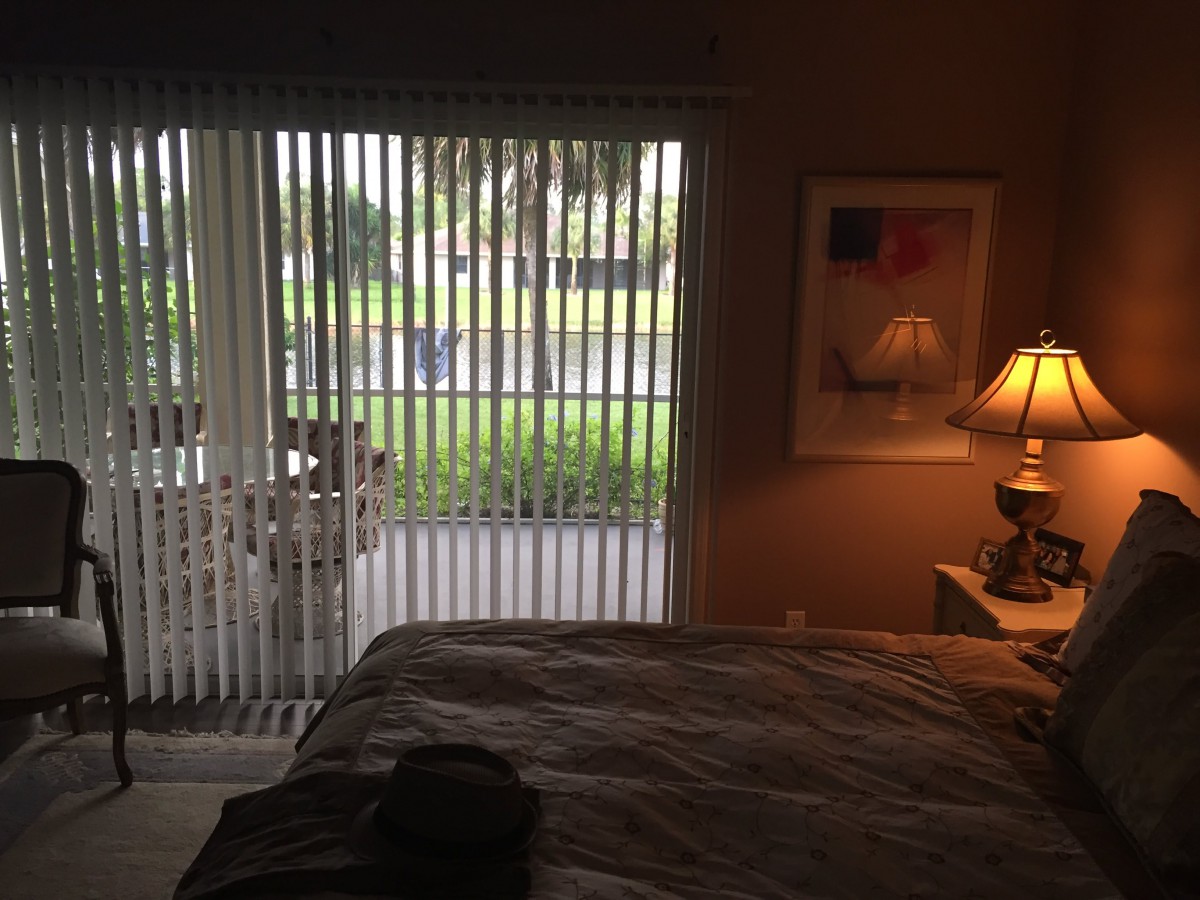
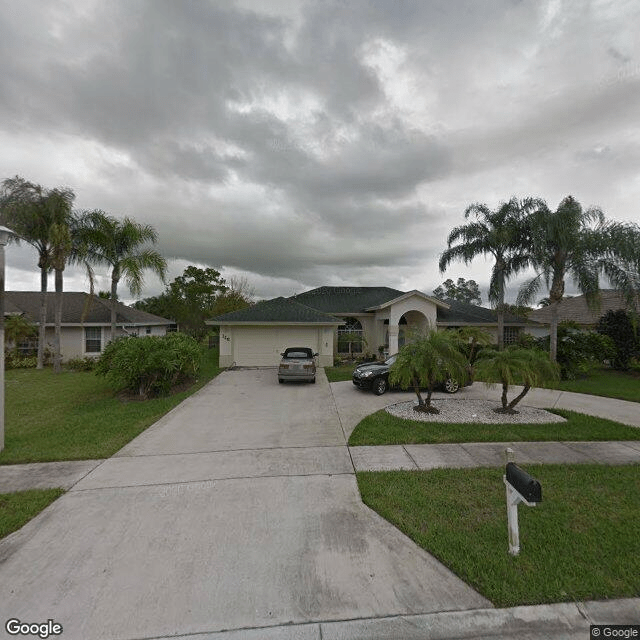
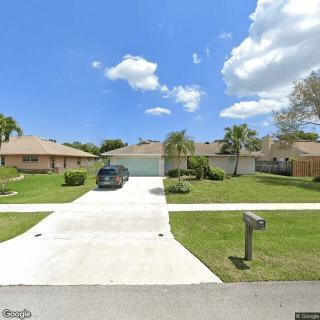
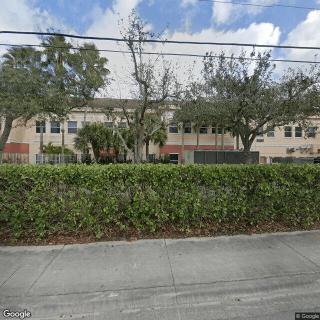
116 Monterey Way, Royal Palm Beach, FL 33411
To contact a resident: (561) 557-3663
For more information about senior living options: (866) 208-4318
We Are Family ALF Costs & Pricing
We Are Family ALF offers competitive pricing for its accommodations in comparison to both Palm Beach County and the broader state of Florida. For a semi-private room, the cost at We Are Family ALF is $3,500 per month, which is slightly lower than the county average of $3,592 but notably higher than the state average of $3,009. In terms of private rooms and studios, both types are priced at $5,500 monthly, which exceeds not only the county's rates ($4,444 for private and $4,274 for studios) but also those across Florida ($3,699 for private rooms and $3,823 for studios). Overall, while We Are Family ALF presents a more economical option for semi-private accommodations, its pricing for private and studio options positions it at a premium compared to local and state averages.
| Floor plans | We Are Family ALF | Palm Beach County | Florida |
|---|---|---|---|
| Semi-Private | $3,500 | $3,592 | $3,009 |
| Private | $5,500 | $4,444 | $3,699 |
| Studio | $5,500 | $4,274 | $3,823 |
Memory care communities with a similar price nearby
-
from +$500 / mo
Barbara's Sunny Day II
$4,000 to $5,000 / month11.0 miles away -
About the same
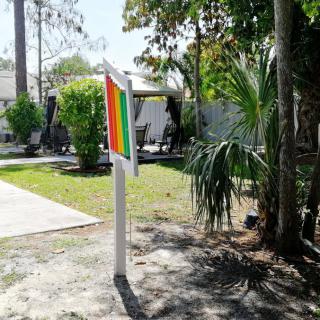
Mama Llama LLC
$3,500 to $5,800 / month4.8 miles away -
About the same
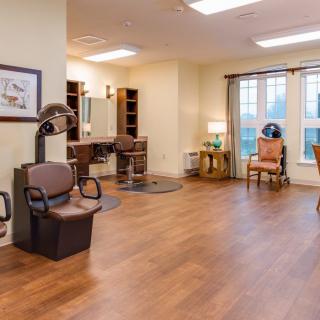
The Landing Of Lake Worth
$3,515 to $5,950 / month9.8 miles away -
from -$205 / mo
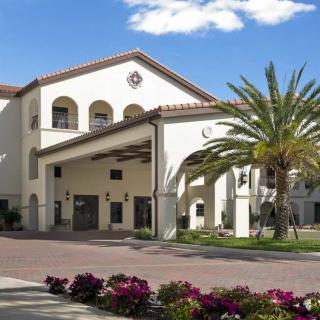
Mariposa
$3,295 to $5,110 / month12.1 miles away -
About the same
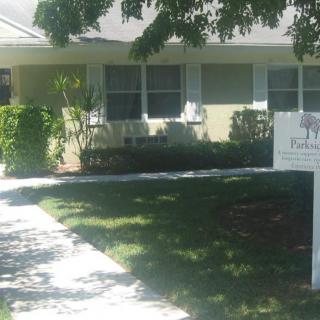
Parkside Inn
$3,500 to $4,500 / month18.7 miles away
Overall Review of We Are Family ALF
Pros
 The place feels like heaven and is very peaceful.
- They are recuperating nicely at We Are Family.
- The meals are scrumptious, and they often have seconds.
- The staff and owners are pleasant, courteous, and compassionate.
- They can truly recommend this place to everyone.
- It feels like home again for them.
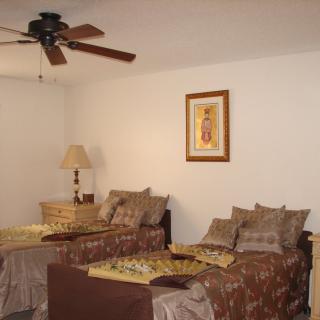
- The home is beautifully kept.
Review
We Are Family ALF in Royal Palm Beach is best suited for seniors who want a warm, home-like assisted living experience with attentive, family-style care. It shines for residents transitioning from rehab or hospital stays who crave a peaceful setting, steady routines, and personal attention that feels sincere and unhurried. The community’s emphasis on comfort, belonging, and everyday hospitality makes it a natural fit for families seeking a place where care feels personal rather than transactional and where residents are treated like cherished members of a family. For those who value a calm, residential atmosphere over a clinical campus, this option stands out as a practical, emotionally supportive choice.
Those with needs beyond assisted living should consider alternatives. If round-the-clock medical oversight, skilled nursing, or specialized memory care is essential, look for facilities with a stronger clinical footprint or dedicated memory-care programs. A larger campus with more formal programming and a broader array of on-site health services could be a better match. Budget realities can also steer families toward options with different pricing structures or more expansive activity schedules. In short, this community excels in warmth and daily living but is less oriented toward heavy clinical care or highly specialized services.
The strongest positives center on atmosphere and people. A peaceful, well-maintained home environment immediately signals safety and comfort, easing transitions for residents and families alike. The property’s upkeep reinforces a sense of pride and stability, which translates into routine friendliness and predictable daily life. Staff and ownership are consistently described as pleasant, courteous, and genuinely invested in residents’ well-being, creating trust and a feeling of partnership with families. Meals are a standout feature, home-style cooking, generous portions, and a readiness to accommodate preferences make dining enjoyable and low-stress, encouraging residents to eat well and participate in meals with others. Together, these factors cultivate mood, social engagement, and a smoother recovery or adaptation process.
Where the accounts are silent on meaningful drawbacks, the practical assessment points to a clear balance: the intimate, non-clinical setting veils a potential gap in advanced medical resources. The offset is substantial. The intimate staff-to-resident focus enables rapid responsiveness, meticulous attention to daily needs, and proactive communication with families. For recovery-focused residents, the sense of being cared for as a family member accelerates acceptance of daily routines, supports adherence to medications, and fosters participation in social and rehabilitative activities. In effect, the pros, warmth, attentiveness, home-like comfort, and quality meals, offset the lack of heavy clinical services, provided the resident’s needs stay within the scope of assisted living and moderate rehab support.
Decision-making should center on aligning expectations with what the community can consistently deliver. Prospective families should verify nursing coverage and the timing of medication administration, the availability of rehabilitative services or partnerships, and whether memory care options exist on-site or via referrals. Inquire about staffing ratios, the real-world meaning of “being treated like family,” safety features, and the cadence of social and recreational programming. Clarify meal customization, dietary restrictions, and guest policies for family involvement in daily life. Gather recent resident-satisfaction indicators and, if possible, observe a typical day during a tour to gauge how care and engagement feel in practice. These steps separate promising impressions from reliable, everyday experience.
For families prioritizing a serene, personalized, home-like living environment with consistently attentive staff, We Are Family ALF represents a standout option in Royal Palm Beach. It delivers emotional comfort, culinary warmth, and dependable daily care that often surpass larger, more clinical settings in terms of resident well-being and happiness. Those seeking heavy medical oversight, advanced memory-care specialization, or a highly active, program-rich campus should look elsewhere. Overall, this community offers a practical, well-founded choice for recovery-focused seniors and daily-living residents who prize a genuine family atmosphere, transparent care, and the reassurance that comes from a team that treats residents as kin.
 Board and Care Home
 Memory Care
 Activities off-site
 Air-conditioning
 Cable or satellite TV
 Devotional services off-site
 Full kitchen
 Ground floor units
 Indoor common areas
 Outdoor common areas
 Private
 Private bathrooms
 Respite or short term stays offered
 Swimming pool / hot tub
 Wi-Fi/high-speed internet available
 Palm Beach International (10 miles away)
 Ambulatory care
 Diabetic care
 High acuity care
 Incontinence care
 Medication management
 International cuisine
 Art classes
 Catholic services
 Day trips and outings
 Educational speakers / life long learning
 Gardening club
 Jewish services
 Karaoke
 Live musical performances
 Trivia games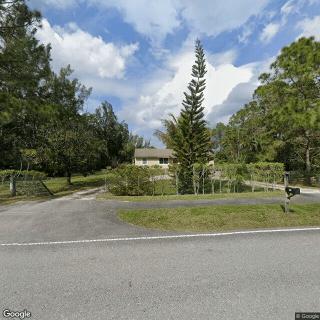
 Dementia Behaviors: In-Depth Understanding and Effective Coping Strategies
 5 Early Indicators of Dementia and What You Can Do
 8 Important Indicators That Memory Care May Be Necessary