
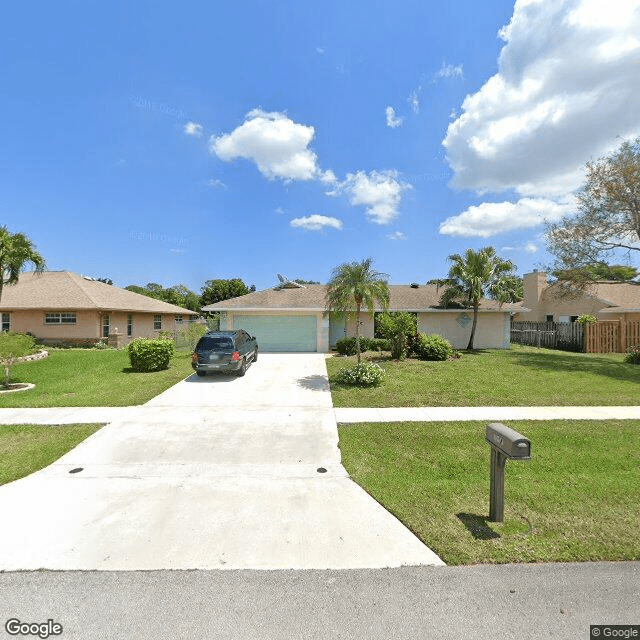
137 Santiago Street, West Palm Beach, FL 33411
For more information about senior living options: (866) 208-4318
Beeva Place Assisted Living Facility Costs & Pricing
Beeva Place Assisted Living Facility offers competitive pricing for its semi-private rooms at $2,700 per month, making it a more affordable option compared to the average costs in Palm Beach County, which stand at $3,592. In the broader context of Florida, where the average monthly cost is approximately $3,009, Beeva Place demonstrates a commitment to providing quality care without placing an excessive financial burden on families. This pricing strategy not only makes assisted living accessible but also positions Beeva Place as an inviting choice for those seeking compassionate support in a community-focused environment.
| Floor plans | Beeva Place Assisted Living Facility | Palm Beach County | Florida |
|---|---|---|---|
| Semi-Private | $2,700 | $3,592 | $3,009 |
Memory care communities with a similar price nearby
-
from -$200 / mo
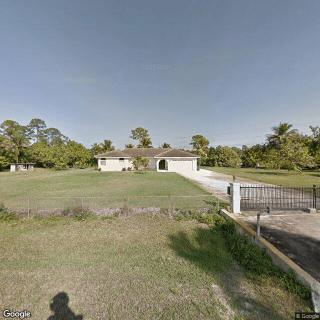
Iona Adult Family Home
$2,500 to $5,000 / month6.7 miles away -
from -$505 / mo
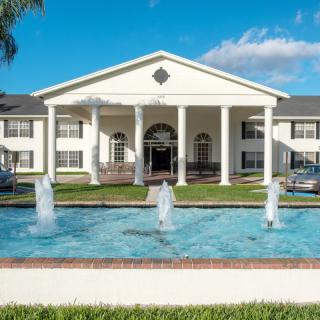
Grand Villa Of Delray East
$2,195 to $4,495 / month18.6 miles away -
from -$200 / mo

Coventry Country Living Inc
$2,500 to $3,500 / month2.0 miles away -
from -$145 / mo
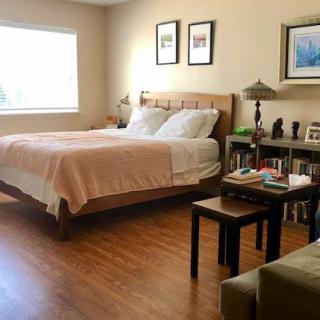
Barrington Terrace
$2,555 to $4,375 / month16.2 miles away -
from -$205 / mo

Grand Villa Of Delray West
$2,495 to $3,975 / month18.5 miles away
Overall Review of Beeva Place Assisted Living Facility
Pros
 The family expresses gratitude to Andrea and the Hibiscus II staff.
- The mother was able to complete her life peacefully, surrounded by genuine caregivers around the clock.
- Andrea and the Hibiscus staff removed much of the misery associated with death.
- Hibiscus Palace II Assisted Living Facility is well maintained, with a professional and courteous staff, where loved ones are treated with great care and respect.
- Hibiscus Palace II offers exceptional care in a warm, welcoming environment; the staff are super friendly, the house is always clean, and there is outdoor space for sunbathing; it feels more like a home than a facility; highly recommended.
- Beevaplace is a wonderful facility with well-trained, caring staff; the facility is clean, well organized, and comfortably furnished; health improved due to diet and care; the family is very pleased and satisfied.
- Beeva Place is a wonderful facility with phenomenal care; meals are prepared daily; the family couldn't be happier.
- Beevaplace is affordable and provides high-quality, individualized care due to small resident count; recommended.
- Beeva Place has Jamaican staff and Jamaica food; the staff are very friendly, helpful, and dedicated.
- The facility offers walks, games, and puzzles; the dining room is good; the location is in a nice area with two major hospitals nearby; would recommend.
Cons
 The reviewer did not like Beevaplace, noting it looked too much like someone’s personal home and that they did not want that for their mother, ultimately choosing to look elsewhere.
- The reviewer was unhappy with the care she had been receiving at her previous facility, citing affordability as a concern.
Review
Beeva Place Assisted Living Facility in West Palm Beach is best suited for seniors who want a truly home-like, intimate setting where staff know residents by name and care routines are highly personalized. The model tends to operate with a small resident count, often around five, which enables caregivers to respond quickly and tailor assistance to individual needs. For families prioritizing dependable daily meals, consistent on-site health oversight, and culturally attuned service, Beeva Place offers a compelling, affordable option. The facility is led by a registered nurse with daytime aides and nighttime staff, creating a safety net that matters when health concerns arise. Its proximity to two major hospitals adds practical reassurance for families considering emergency access and coordinated care.
Cleanliness, warmth, and a professional, courteous staff define the overall experience. Residents benefit from a homey atmosphere where caregivers are present around the clock, keeping a close watch on health and safety while maintaining clear communication with families about any issues. An outdoor space invites sun and fresh air, and dining is framed as a daily, reliable routine with meals prepared on-site. This setting prioritizes comfort and respect, making Beeva Place feel more like a well-kept family home than a clinical institution. The staff’s dedication and the environment’s steadiness reduce the anxiety often associated with aging and caregiving, delivering a reassuring day-to-day rhythm.
Clinical oversight stands out as a core strength. A registered nurse oversees operations, backed by two health care providers during the day and one at night. This staffing model delivers a level of medical access and responsiveness that many small facilities struggle to match, translating into quicker adjustments to care and safer handling of evolving health needs. Families frequently observe improvements tied to attentive diet and structured routines, walking, games, and puzzles, that support both physical and cognitive well-being. The small scale also means care plans and meals can be customized to cultural preferences, which can be especially meaningful for residents with particular backgrounds or tastes.
Not every family will find Beeva Place perfectly suited to their expectations. The intimate, home-like scale inevitably limits the on-site amenities and the breadth of social programming found on larger campuses, which can be a drawback for those seeking a bustling community life. A practical caveat noted by some families is the need to supply personal items such as pull-ups and toiletries, which adds a variable cost and planning step. For those who prioritize a more institutional look, a broader activity calendar, or a wider array of services in one location, alternatives may feel more aligned with those preferences. The appearance of the space can also be a sticking point for some prospective entrants who want a more traditional “facility” vibe.
Yet those downsides are often outweighed by the real strengths. The intimate setting yields unusually high staff visibility and accountability, with issues identified and addressed promptly. On-site nursing leadership and continuous daytime coverage reduce delays in care, while stable routines create an environment where residents settle in quickly and reliably. A culturally rich staff mix and familiar meal options can deliver emotional comfort and continuity for families seeking a known culinary and social cadence. Affordability, paired with personalized attention and a low resident-to-staff ratio, makes Beeva Place an attractive choice for families prioritizing safety, consistency, and the human touch in daily care.
Overall, Beeva Place is a strong recommendation for families prioritizing intimate, attentive care, steady supervision, and a warm, culturally aware environment. It shines for loved ones who thrive on routine, enjoy a home-like setting, and benefit from rapid access to on-site medical oversight. Those who require a larger community with expansive social programming or specialized memory-care services should consider alternatives that offer broader amenities and higher resident counts. The decisive step is aligning the setting with the senior’s temperament, mobility, and health trajectory, then confirming what is included, what requires extra payment, and the exact staffing patterns during the hours of greatest need. A carefully planned visit will reveal whether Beeva Place feels like home from day one or if another option better matches care goals and family expectations.
 6 resident community capacity
 Assisted Living
 Board and Care Home
 Day Program
 Memory Care
 Respite Care
 Cable or satellite TV
 Devotional services off-site
 Dining room
 Fully furnished
 Garden
 Housekeeping services
 Indoor common areas
 Move-in coordination
 Outdoor common areas
 Telephone
 VA Benefits Consultation
 Wheelchair accessible showers
 Wi-Fi/high-speed internet available
 Palm Beach International (8 miles away)
 24-hour supervision
 Ambulatory care
 Assistance with bathing
 Assistance with dressing
 Assistance with transfers
 Diabetes diet
 Incontinence care
 Meal preparation and service
 Medication management
 Special dietary restrictions
 Transportation arrangement (medical)
 Transportation to doctors appointments
 English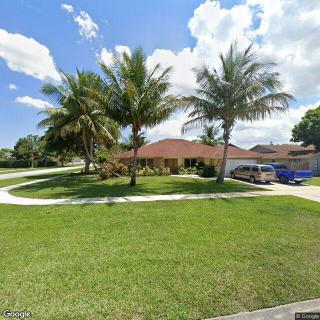

 Exploring the Contrasts Between Assisted Living and Skilled Nursing
 Vibrant Senior Living: A Comprehensive Guide for Active Older Adults
 Assisted Living and Memory Care: Understanding Their Core Differences