
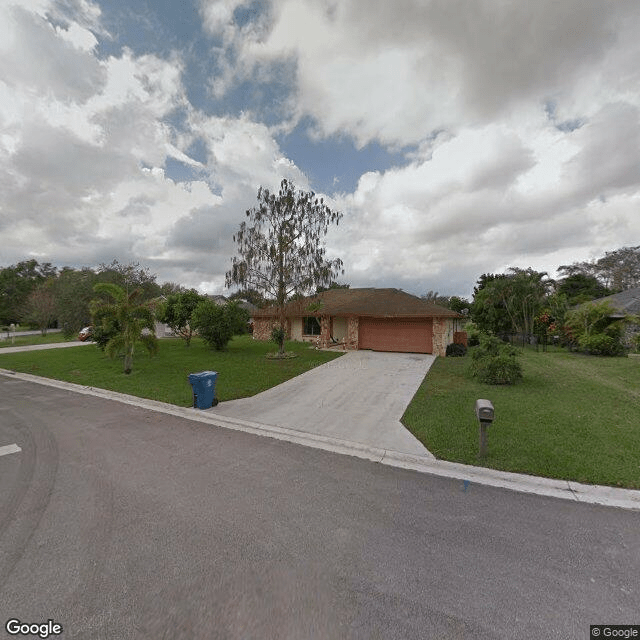
208 Natchez Trace, West Palm Beach, FL 33411
For more information about senior living options: (866) 208-4318
Cassie's Castle Costs & Pricing
Cassie's Castle offers competitive pricing for its accommodations compared to broader regional averages. For a semi-private room, the cost is $2,500 per month, which significantly undercuts both Palm Beach County's average of $3,592 and the overall Florida average of $3,009. This presents an attractive option for residents seeking affordability without sacrificing quality care. In terms of private rooms, Cassie's Castle also stands out with a monthly fee of $5,000, which is higher than the county's average of $4,444 but remains above Florida's state average of $3,699. This difference suggests that while residents may pay slightly more for privacy at Cassie's Castle, they are likely benefiting from enhanced services and amenities that justify the investment.
| Floor plans | Cassie's Castle | Palm Beach County | Florida |
|---|---|---|---|
| Semi-Private | $2,500 | $3,592 | $3,009 |
| Private | $5,000 | $4,444 | $3,699 |
Memory care communities with a similar price nearby
-
About the same
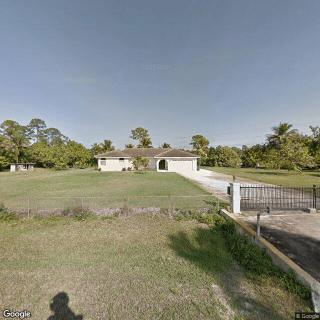
Iona Adult Family Home
$2,500 to $5,000 / month6.7 miles away -
from -$305 / mo
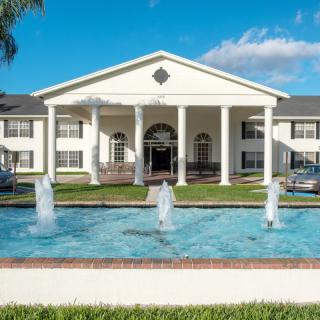
Grand Villa Of Delray East
$2,195 to $4,495 / month18.7 miles away -
About the same

Coventry Country Living Inc
$2,500 to $3,500 / month1.9 miles away -
About the same
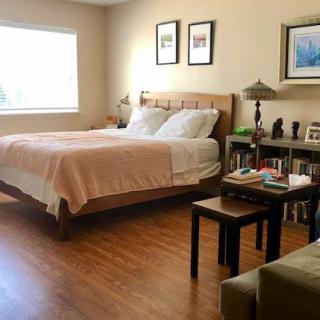
Barrington Terrace
$2,555 to $4,375 / month16.3 miles away -
About the same

Grand Villa Of Delray West
$2,495 to $3,975 / month18.5 miles away
Overall Review of Cassie's Castle
Pros
 The place was very nice.
- The people were very nice.
- The staff seemed very nice.
- It felt intimate, like a private house.
- The visit left a positive impression.
Cons
 The reviewer found the facility smaller than expected, implying limited capacity.
- They noted that nothing could be done until Medicaid was obtained, making Medicaid the main focus.
- They were unsure whether the staff would be equipped to take care of the mom or give her the attention she needed.
- The small, private-house-like setting raised concerns about whether adequate care could be provided.
Review
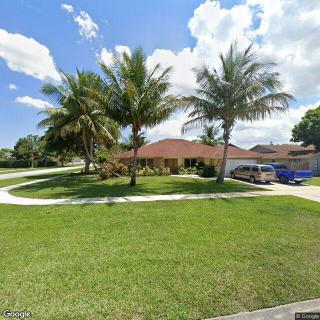
Cassie’s Castle in West Palm Beach is best suited for seniors who want a small, home-like assisted living option and for families prepared to navigate Medicaid as the likely funding route. The community presents a compact, house-like atmosphere rather than a traditional campus, which can translate into a calmer routine and more direct interaction with staff. For residents who do not require intensive medical oversight or constant skilled nursing, this setting can offer a comfortable, familiar place to age with a stronger emphasis on personal attention and daily consistency.
Those considering alternatives should weigh needs for rapid access to higher levels of care, specialized memory support, or larger on-site programming. If a resident would benefit from a more institutional feel, more robust clinical staffing, or a broader array of services, a bigger assisted living community or a dedicated memory care facility may be a better fit. Families uncertain about Medicaid eligibility, or facing a lengthy admissions timeline tied to payer sources, may find this option less predictable than facilities that accept a wider range of payment arrangements.
The primary positives here lie in the human touch and the intimate environment. Staff are described as very nice, and the close-knit, private-house scale can foster stronger personal relationships, easier communication, and a sense of being seen in daily life. For families prioritizing warmth, consistency of routine, and a less institutional feel, these advantages can translate into meaningful daily comfort for a loved one who thrives on predictable, familiar surroundings and straightforward interactions with caregivers.
However, the top concerns flow from the same structural choices. The admission process appears contingent on Medicaid, which can delay access to care and create uncertainty for families not yet or fully prepared to secure funding. The small footprint, while charming, also implies limited resources, fewer staff on hand at any given moment and a narrower range of on-site services. That combination can be challenging if a resident’s needs escalate beyond what a compact, home-like setting can safely support, or if more specialized medical oversight becomes necessary.
In balancing the pros and cons, the intimate, attentive environment does not fully offset the potential gaps in access, capacity, and continuity of care that come with a smaller facility and a Medicaid-driven admissions model. For families with a partner or parent whose needs stay mild and well within assisted living parameters, and who can comfortably navigate the financial gating, Cassie’s Castle can be a good match. For anyone facing higher care needs, complex medical management, or uncertain eligibility, the risks grow, and alternatives with broader staffing and fewer payer constraints should be considered.
Practical next steps involve a thorough, guardrail-driven inquiry. Seek a detailed care assessment and a written summary of on-site staffing levels, shift patterns, and the availability of nursing oversight. Clarify the exact requirements for Medicaid admission, timelines, and what happens if financial arrangements shift or delays occur. Ask for a day-in-the-life schedule, including meals, activities, and transportation options, to gauge whether the pace and program align with the resident’s preferences. Finally, compare Cassie’s Castle to two or three other nearby options, preferably with different funding structures and care levels, to determine where the strongest balance between warmth, reliability, and capability truly lies.
 6 resident community capacity
 1-bedroom apartments
 Assisted Living
 Board and Care Home
 Memory Care
 Respite Care
 Activities on-site
 Cable or satellite TV
 Devotional services off-site
 Dining room
 Fully furnished
 Garden
 Housekeeping services
 Indoor common areas
 Move-in coordination
 Outdoor space
 Private
 Telephone
 Wi-Fi/high-speed internet available
 Palm Beach International (8 miles away)
 24-hour supervision
 Ambulatory care
 Assistance with bathing
 Assistance with dressing
 Assistance with transfers
 Diabetes diet
 Diabetic care
 Incontinence care
 Meal preparation and service
 Medication management
 Special dietary restrictions
 Transportation arrangement (medical)
 Transportation to doctors appointments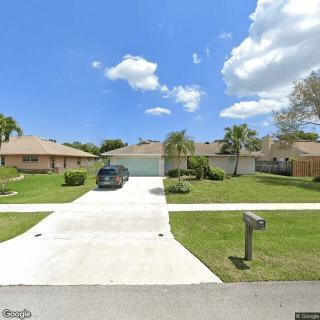


 Estimating the Expenses of At-Home Dementia Care: A Detailed Exploration
 Comprehensive Insights on the Late Stages of Dementia: What to Expect and How to Provide Care
 Medications Associated with Dementia Risk: A Comprehensive Overview