
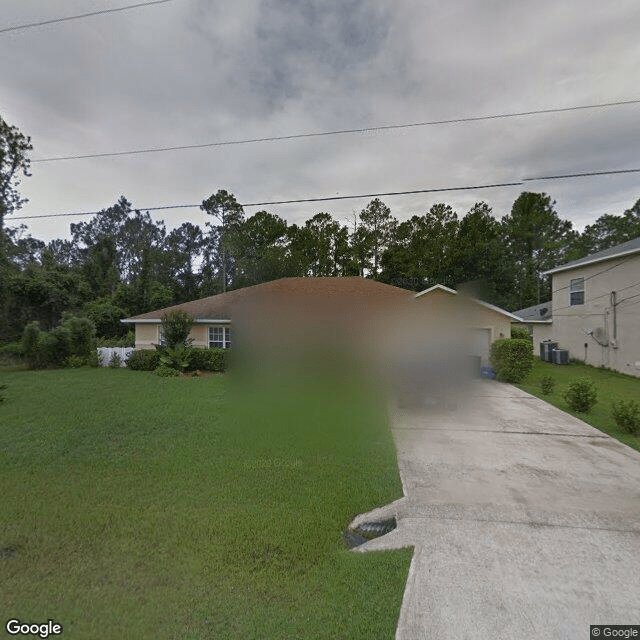
8 Kathleen Trail, Palm Coast, FL 32164
To contact a resident: (386) 313-5549
For more information about senior living options: (866) 208-4318
House of Love Adult Care Costs & Pricing
House of Love Adult Care offers competitive pricing for its services when compared to both Flagler County and the broader state of Florida. For semi-private rooms, the monthly cost at House of Love is $3,000, which is slightly higher than the county average of $2,700 but remains lower than the state average of $3,009. In terms of one-bedroom accommodations and private rooms, the facility's price point of $4,500 aligns with a growing trend in assisted living costs, surpassing the county's average of $3,398 for a one-bedroom and matching the county's rate for private rooms while staying below Florida's statewide averages. Overall, House of Love Adult Care positions itself as both an accessible and quality option within its market.
| Floor plans | House of Love Adult Care | Flagler County | Florida |
|---|---|---|---|
| Semi-Private | $3,000 | $2,700 | $3,009 |
| 1 Bedroom | $4,500 | $3,398 | $3,864 |
| Private | $4,500 | $3,034 | $3,699 |
Memory care communities with a similar price nearby
-
About the same
S & B Kingdom Care
$3,000 to $3,500 / month5.1 miles away -
from +$579 / mo
Sunscape Daytona Beach
$3,579 to $5,899 / month18.6 miles away -
from -$500 / mo
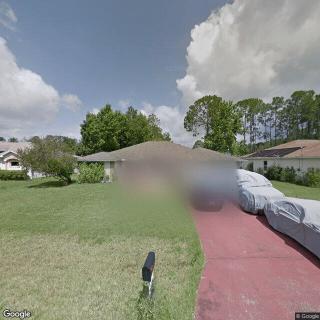
Gerdie's Assisted Living Facility
$2,500 / month5.6 miles away -
from -$200 / mo

Indigo Palms
$2,800 to $4,040 / month18.8 miles away -
from +$500 / mo
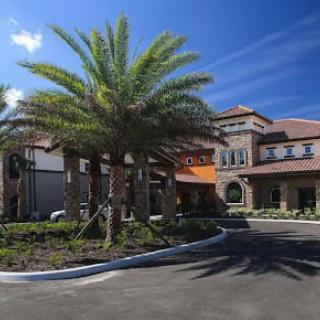
Triton Sabal Palms
$3,500 to $5,500 / month11.2 miles away
Overall Review of House of Love Adult Care
Pros
 Essie and Taisiya consistently care for the Bowmans at Tuscan Gardens, providing peace of mind.
- They are dependable and go beyond to make Annette and Daniel comfortable each day.
- They are active and engaged, bringing a positive change to the residents.
- Home Instead has an amazing, caring, knowledgeable, and responsive team.
- Kathleen is loving, understanding, and attentive during onboarding.
- Regular aides are friendly and hardworking, with a stable schedule that helps memory-impaired residents.
- House Of Love Adult Care is one of Palm Coast's best ALFs, with a wonderful owner, excellent cooking, and a consistently clean, welcoming environment.
- The staff feel like family to the residents, providing attentive, compassionate care.
Cons
 There is not one staff for a hallway.
Review
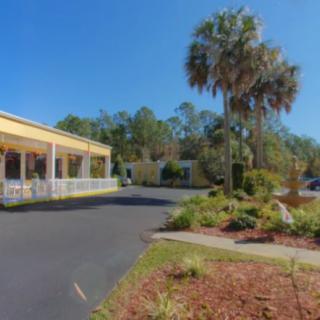
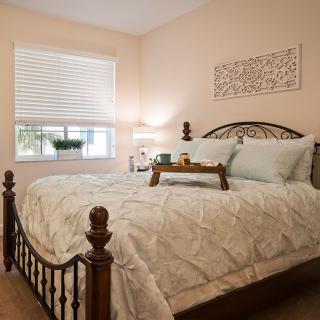
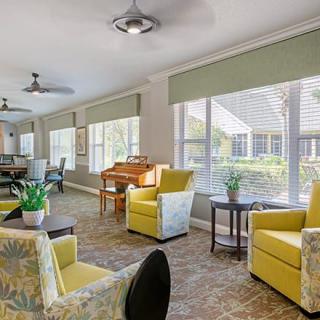
House of Love Adult Care in Palm Coast is best suited for families seeking a warm, home-like assisted living experience where residents are treated like family and daily caregiving feels personal. The community excels for seniors who thrive in a small, intimate setting with consistent, involved staff and for those who want to stay closely connected to caregivers rather than relinquish oversight to a large campus. It is especially well-suited for residents who benefit from steady routines, quiet surroundings, and a strong emphasis on homestyle nutrition. The environment earns extra credibility from meals described as wholesome and natural, contributing to visible improvements in residents’ vitality.
Families should consider alternatives if the loved one requires robust medical oversight, intensive rehabilitation, or a campus with a broad array of structured programs and therapists. Large facilities or hospital-like settings may better serve individuals needing frequent on-site nursing, specialty therapies, or aggressive care plans. Those who prioritize a wide social calendar, formal activities, or highly diversified amenities might find a bigger operation more aligned with their expectations. For families who want the most expansive medical support under one roof, exploring options beyond a private home setting is prudent.
The core strengths, a genuine home atmosphere, dependable, engaged caregivers, and a kitchen-led focus on nutrition, seriously offset the potential downsides of a smaller operation. Residents appear to benefit from consistent attention and a sense of safety, with staff who know them well and go beyond to keep them comfortable and dignified. The dining experience stands out here, with all-natural menus and juices that not only please palates but also support healthier weight and mood, a point two or three families highlighted by noting meaningful weight gains and improved vitality. Cleanliness, pleasant odor, and a calm, spacious feel reinforce the perception of a nurturing, uncluttered home.
Testimonials repeatedly emphasize that staff treat residents as family, Karen and Marie are cited as going the extra mile, and others describe caregivers as dedicated and trustworthy. The owner’s leadership is commonly praised, with observations that the care team is not only skilled but sincerely invested in each resident’s well-being. The combination of supportive caregivers, an organized environment, and a home-like setting translates into observable everyday benefits: residents who appear happier, more engaged, and comfortable enough to enjoy outings that extend beyond the doors of the house. The overall impression is a facility where daily life is calm, dignified, and oriented toward personal comfort.
Nonetheless, it is prudent to acknowledge what the setting may not deliver. The smaller scale and private-home model naturally mean fewer on-site therapies, fewer scheduled programs, and less of the “clinic-in-a-campus” feel some families prefer. For care plans that demand round-the-clock nursing intensity, frequent medical interventions, or expansive activity rosters, this may feel limiting. Turnover and continuity issues, while not highlighted as a major concern in the reviews provided, can be more visible in smaller homes where every caregiver carries a larger portion of daily contact. Price sensitivity and room configurations are not fully detailed in the reviews, so families must verify what is included versus add-ons.
In the end, House of Love Adult Care stands out as a practical, heartfelt choice for families prioritizing warmth, individualized attention, and high-quality, home-style nutrition. It is a compelling option for seniors who value a peaceful, family-like environment over the amenities of a larger campus. For those requiring intensive medical services, broader activity programming, or a more institutional setting, it warrants comparison with other Palm Coast options. Prospective buyers should insist on clear asks: staffing ratios and nurse availability, dementia-specific programming, detailed meal plans, the scope of activities, pricing structure, and potential trial stays to gauge fit before committing. This approach ensures a decision that aligns with both the loved one’s care needs and the family’s practical expectations.
 Board and Care Home
 Memory Care
 Activities off-site
 Air-conditioning
 Bath tubs
 Cable or satellite TV
 Devotional services off-site
 Full kitchen
 Ground floor units
 Handicap accessible
 Indoor common areas
 Outdoor common areas
 Private
 Wi-Fi/high-speed internet available
 Daytona Beach International (21 miles away)
 Ambulatory care
 Incontinence care
 Medication management
 Gluten-free
 Art classes
 BBQs or picnics
 Birthday parties
 Cooking classes
 Day trips and outings
 Live musical performances
 Stretching classes
 Trivia games


 Memory Care Pathways: A Holistic Guide to Dementia Support
 Comprehending Evening Confusion in Dementia: Causes, Manifestations, and Support
 Delirium and Dementia: Unraveling the Key Differences