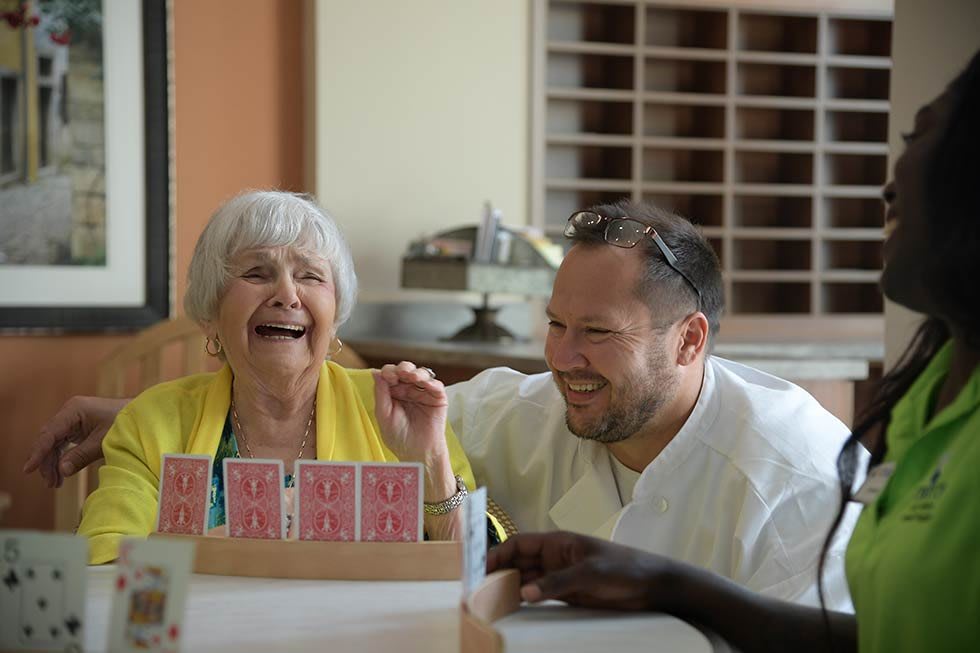
At CERTUS at Waterford Lakes, the monthly cost for a studio room stands at $6,350, which is notably higher than the average rates in both Orange County and Florida overall. In Orange County, the typical monthly expense for a studio is approximately $4,288, while across the state of Florida, it averages around $3,823. This pricing reflects CERTUS's commitment to providing premium services and amenities tailored to enhance residents' quality of life. While the cost may be higher than surrounding areas, many families find value in the unique features and supportive environment offered at this location.
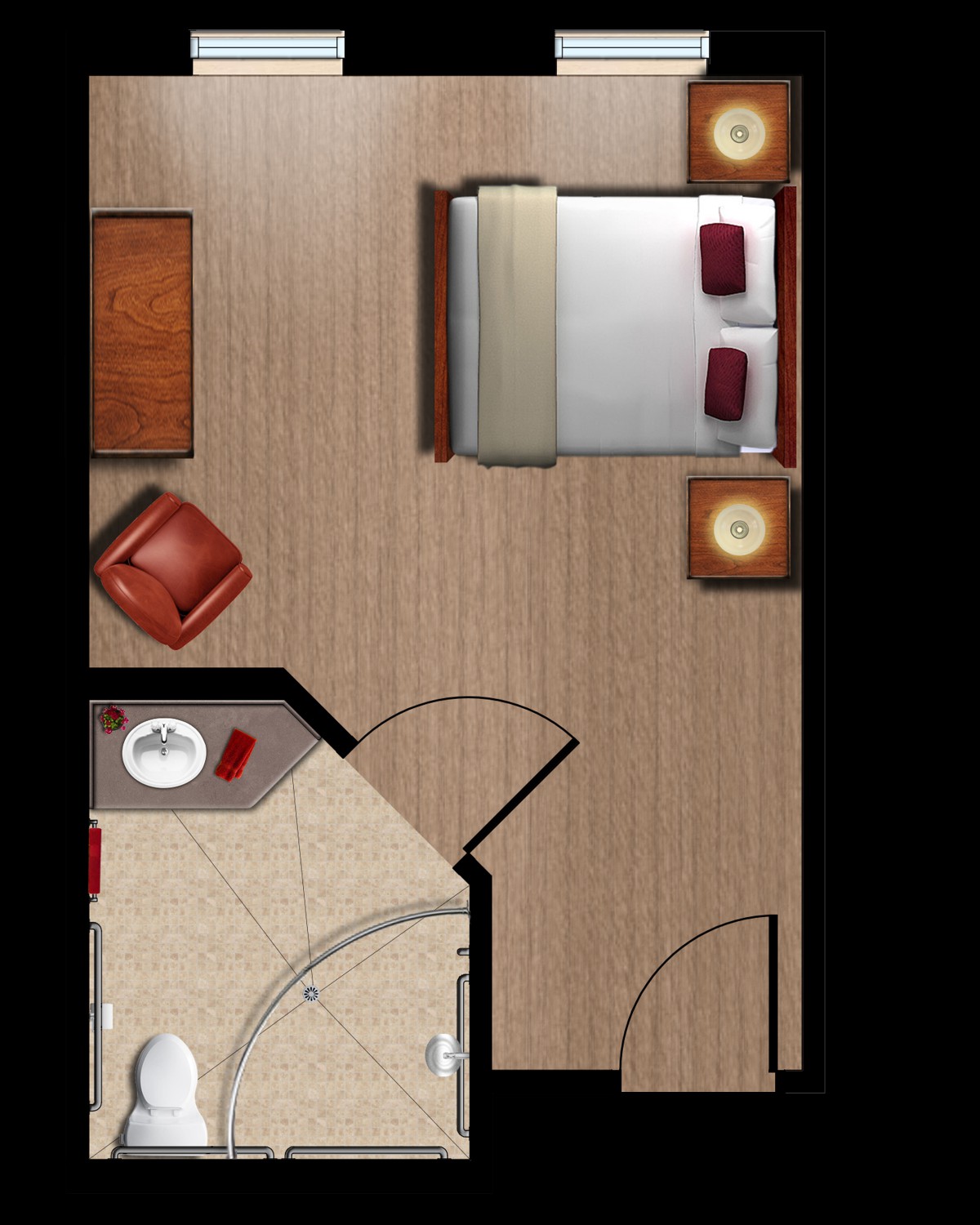
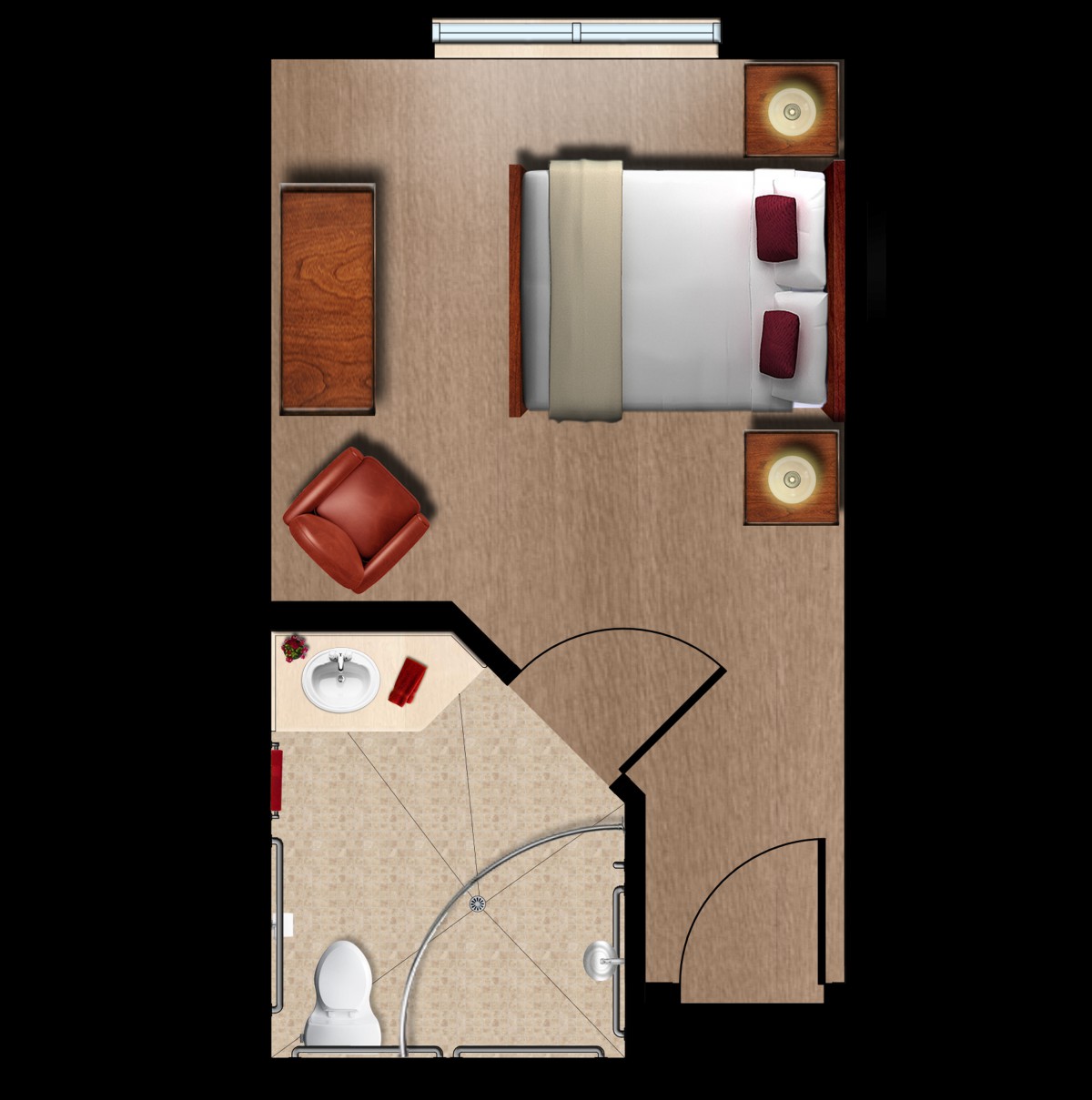
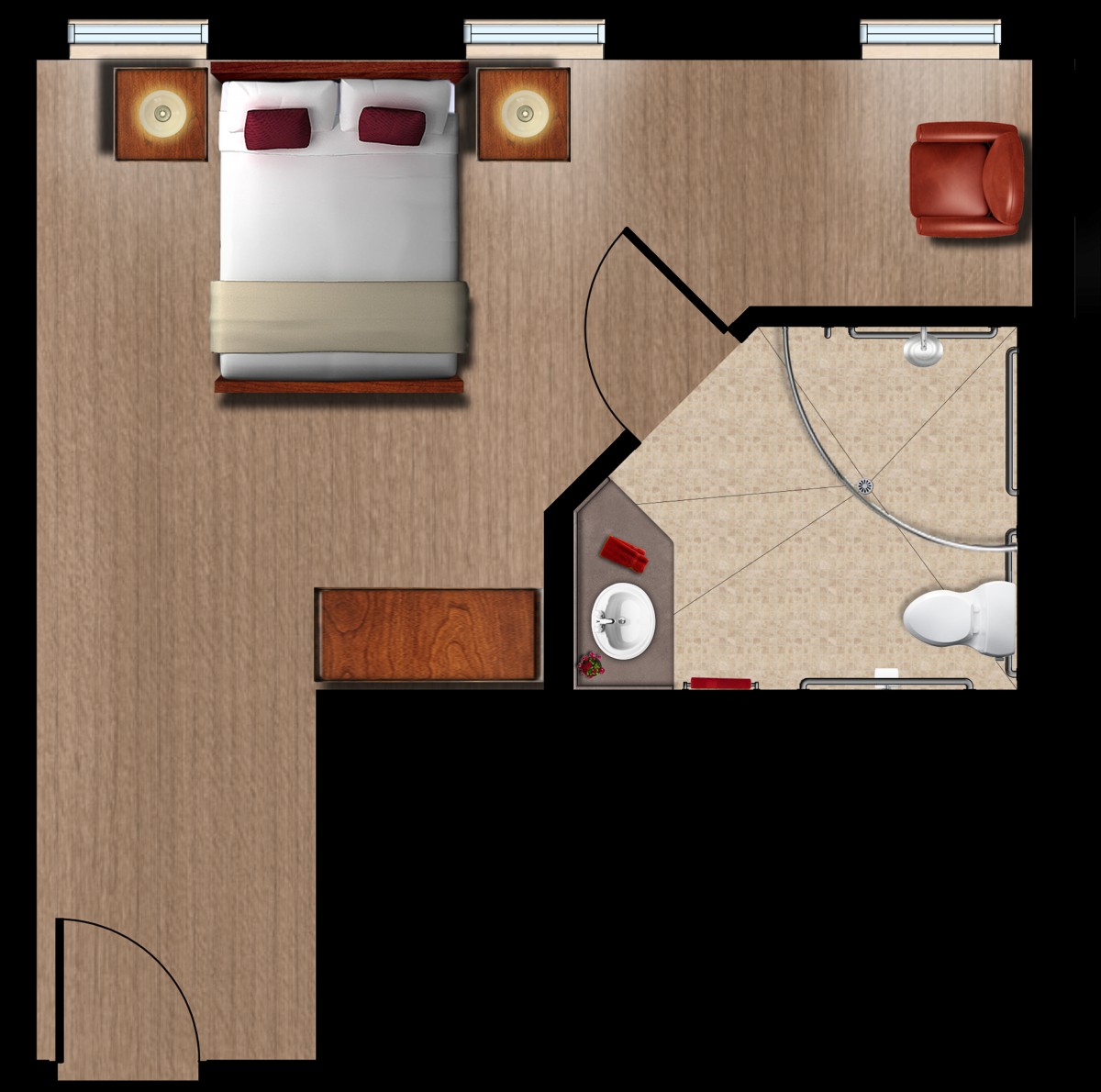
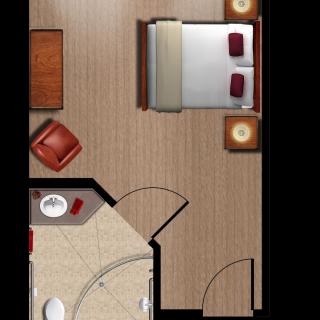
Floor plans
CERTUS at Waterford Lakes
Orange County
Florida
Studio
$6,350
$4,288
$3,823
Memory care communities with a similar price nearby
This community is built specifically around memory care needs, which families repeatedly point to.
Residents and families describe the setting as purpose-focused on dementia and Alzheimer’s, not a general assisted living setup. Multiple reviewers say the environment feels home-like and purpose-designed for memory challenges, with layouts that support residents’ daily routines. Several also contrast it with prior facilities that felt less suitable for memory care. One reviewer notes that it may feel better suited for people who are further along in their aging journey.
common44 reviews mention this
Staff communication and responsiveness
Communication with families is a frequent bright spot in the reviews.
Many reviewers say staff stay in frequent contact and respond quickly when questions or needs come up. Several families describe care teams as attentive to individual preferences, with professional follow-through and warm day-to-day interactions. A number of reviews also mention specific leaders and nursing staff by name when praising responsiveness and support. While the positive theme is strong, a small number of negative reviews raise concerns about staffing levels or care consistency in stressful situations.
common22 reviews mention this
Engaging activities are part of daily life
Residents and families consistently describe the community’s activities as engaging.
Reviewers frequently mention that residents stay active through scheduled activities and events, not just occasional programming. Several describe entertainment, outings, and faith or cultural events, including meals tied to celebrations. Others highlight that activities help residents participate even when memory challenges make it difficult. One review also notes that it can be harder to reach workers after 4 PM, which may affect participation for some families.
common17 reviews mention this
Clean, well-kept spaces reinforce comfort
Clean, well-maintained rooms and common areas come up often in the reviews.
Multiple reviewers describe the facility as clean, tidy, and pleasant to be in, including rooms and common spaces. Several mention that residents are kept clean and well groomed, with clothing and personal appearance regularly maintained. A few also reference the overall atmosphere as warm and not institutional. Negative comments sometimes focus on care issues rather than the physical condition of the building.
caveat6 reviews mention this
Costs and food quality draw criticism
Some families find pricing challenging and occasionally question food quality.
A reviewer says pricing is very high and difficult for most people to afford, even while acknowledging good care. Another reviewer raises concerns about a noticeable drop in meal appeal and nutritional fit over time. One other comment notes that food was average, suggesting consistency may vary for different tastes. Elsewhere, the strongest negatives focus on care and staffing rather than meals, so this concern is not uniform across all reviews.
How we summarize
Counts show how many written reviews mention each theme; a review can touch several themes, and only frequently mentioned themes are displayed.
Features
Housing
Studio apartments
Types of Care
Memory Care
Amenities
Activities off-site
Activities on-site
Air-conditioning
Bath tubs
Beautician on-site
Ground floor units
Indoor common areas
Outdoor common areas
Respite or short term stays offered
Wheelchair accessible showers
Wi-Fi/high-speed internet available
Transportation
Orlando International (8 miles away)
Care Services
Ambulatory care
High acuity care
Incontinence care
Medication management
Dining
Guest meals
Meals provided
Restaurant style dining
Special dining programs
Activities
Art classes
Brain fitness
Cooking classes
Day trips and outings
Educational speakers / life long learning
Gardening club
Karaoke
Live dance or theater performances
Live musical performances
Live well programs
Stretching classes
Tai Chi
Yoga / chair yoga
Nearby Places of Interest
This part of Orlando, Florida offers a variety of amenities and services that may be beneficial for senior living. There are several cafes, pharmacies, restaurants, and physicians in close proximity, making it convenient for accessing daily necessities and healthcare services. Additionally, there are theaters and places of worship nearby for entertainment and spiritual needs. The presence of parks allows for outdoor activities and relaxation in nature. Hospitals within a reasonable distance provide peace of mind in case of medical emergencies. Overall, this area offers a well-rounded community with easy access to essential resources for senior residents.
At CERTUS at Waterford Lakes, the monthly cost for a studio room stands at $6,350, which is notably higher than the average rates in both Orange County and Florida overall. In Orange County, the typical monthly expense for a studio is approximately $4,288, while across the state of Florida, it averages around $3,823. This pricing reflects CERTUS's commitment to providing premium services and amenities tailored to enhance residents' quality of life. While the cost may be higher than surrounding areas, many families find value in the unique features and supportive environment offered at this location.
CERTUS at Waterford Lakes offers comprehensive memory care services that are enhanced by several key features designed to support residents with dementia and Alzheimer's disease. Medication management ensures that individuals receive the correct medications at the right times, which is crucial for maintaining cognitive function and overall health. Incontinence care provides residents with dignity and comfort, addressing a common challenge in advanced stages of dementia while allowing them to focus on engaging in daily activities rather than discomfort or embarrassment. The brain fitness programs are tailored to stimulate cognitive abilities through various therapeutic activities, fostering mental engagement and potentially slowing the progression of memory-related conditions. Each of these features works synergistically to create a supportive environment that prioritizes both the physical and emotional well-being of residents, promoting a higher quality of life.
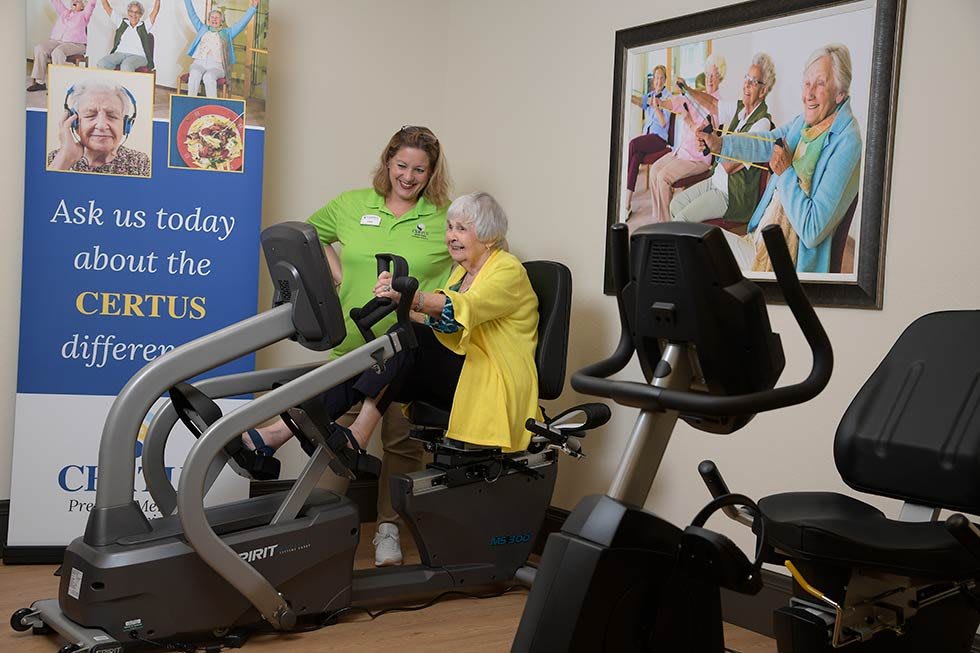
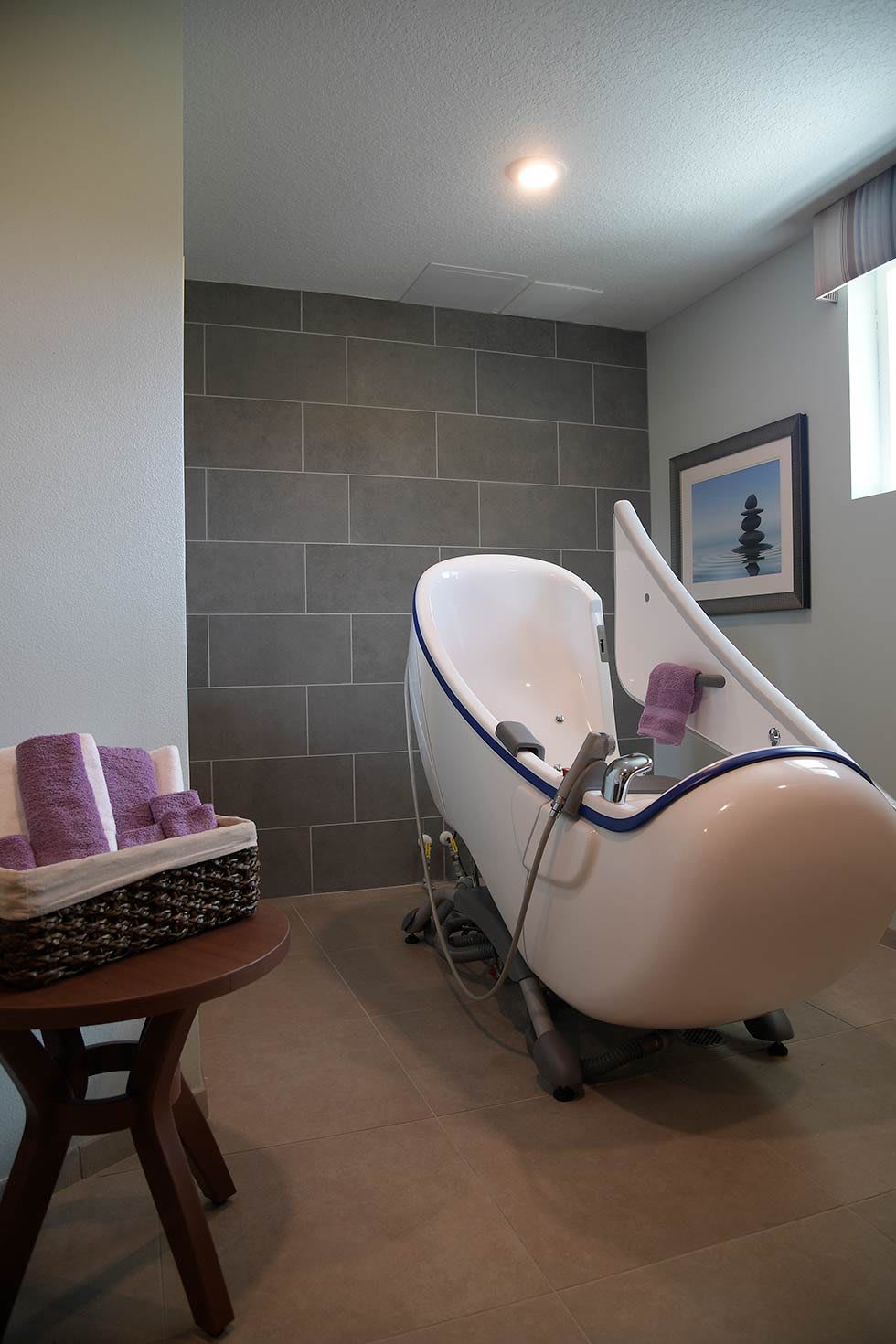
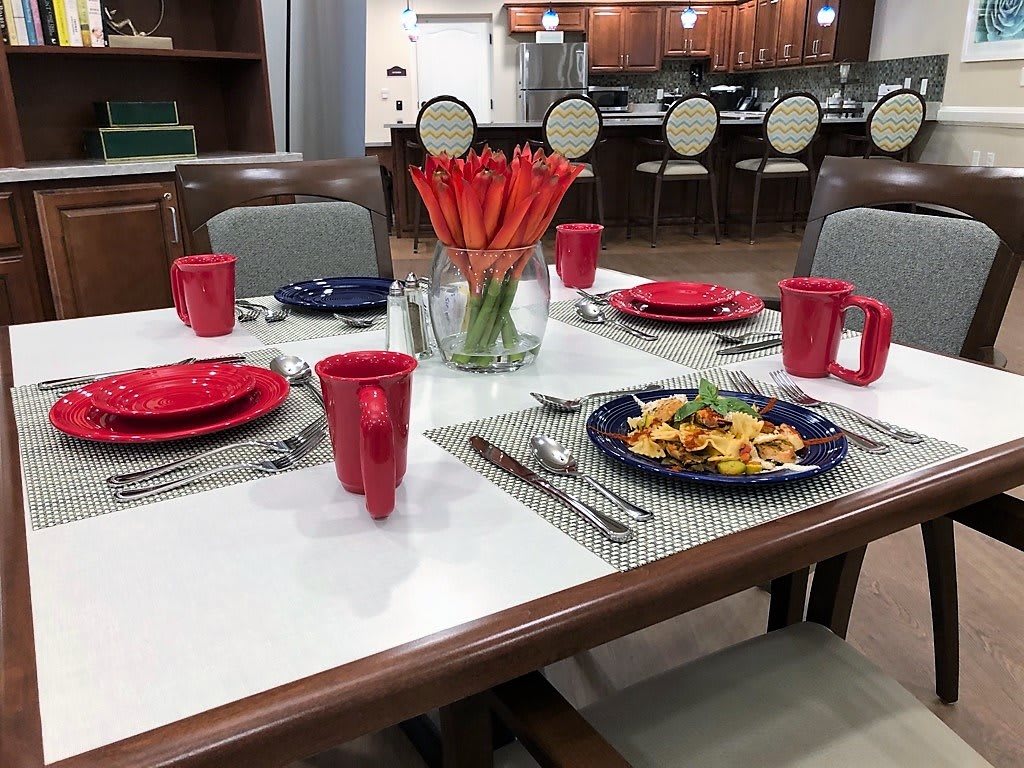
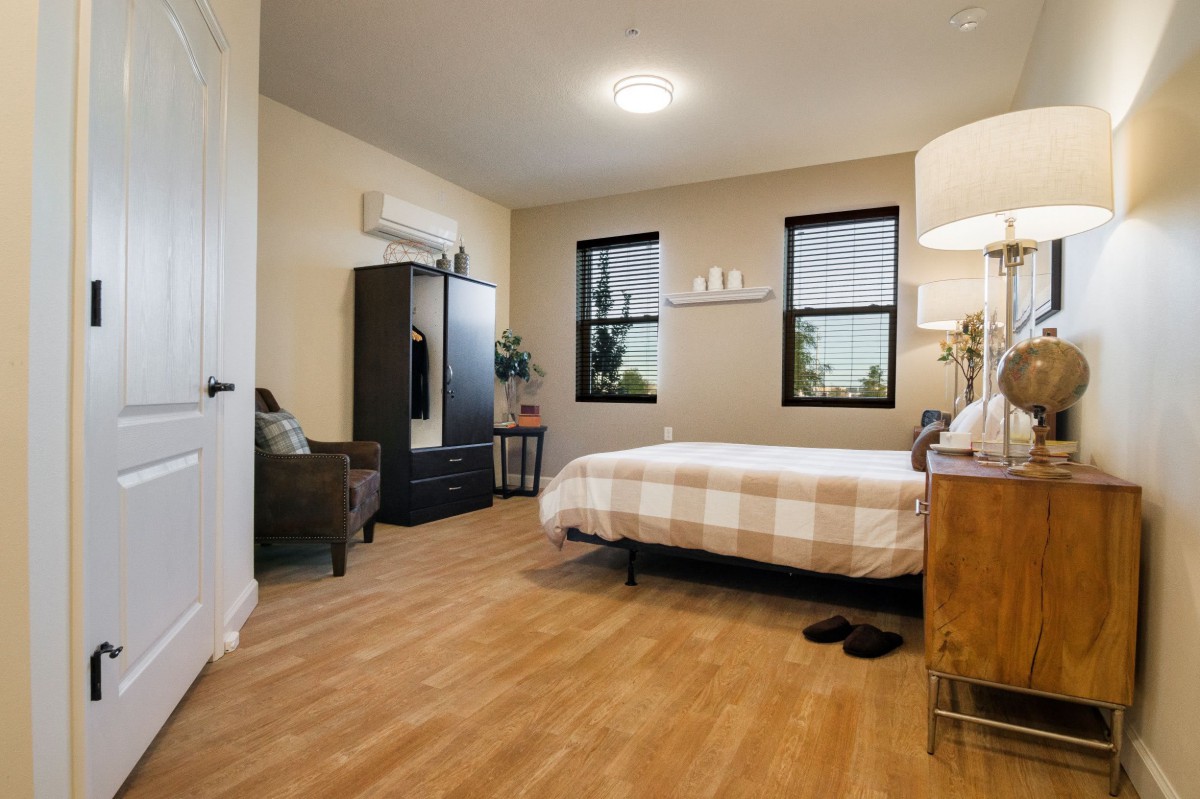
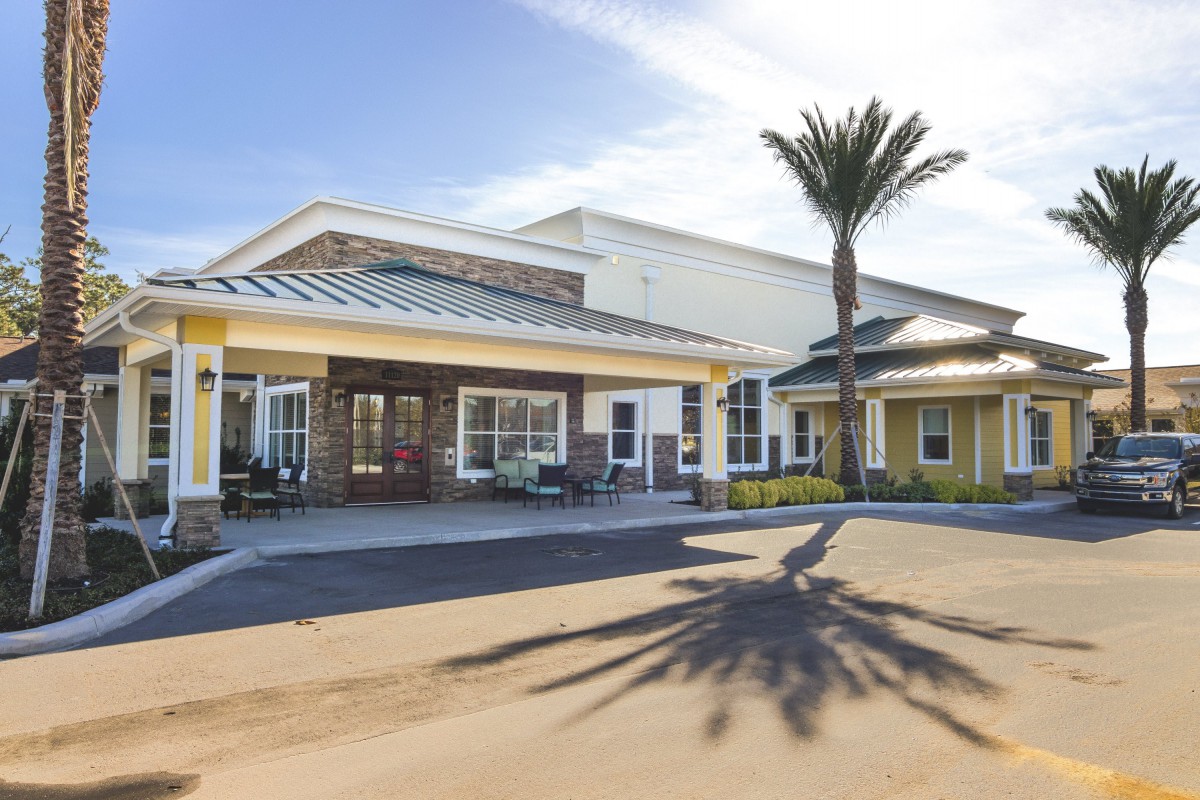
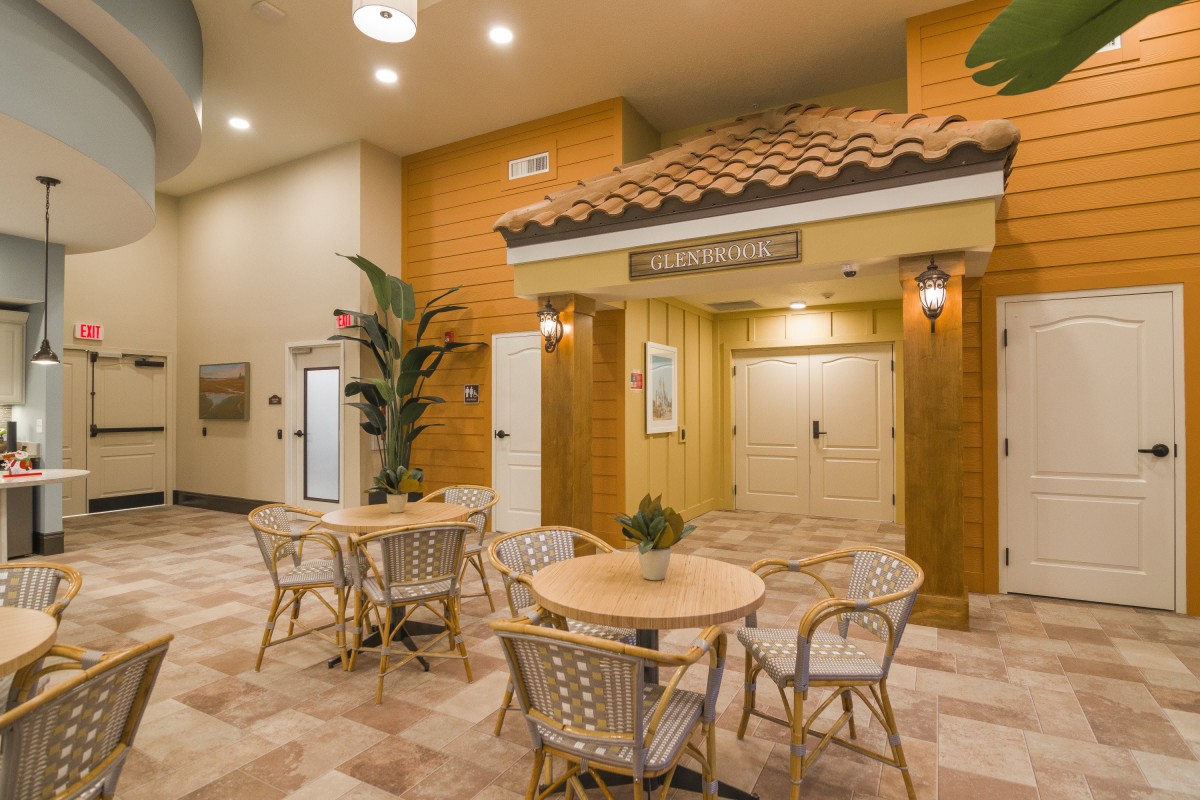
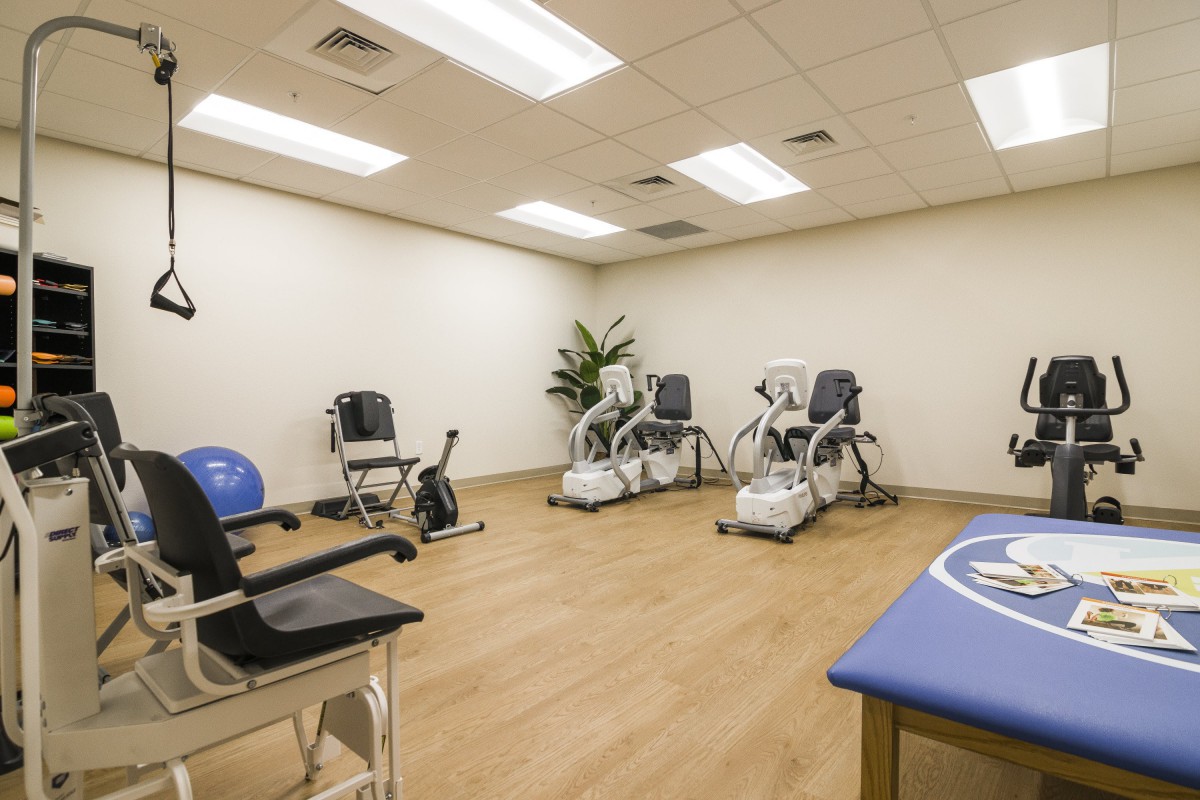
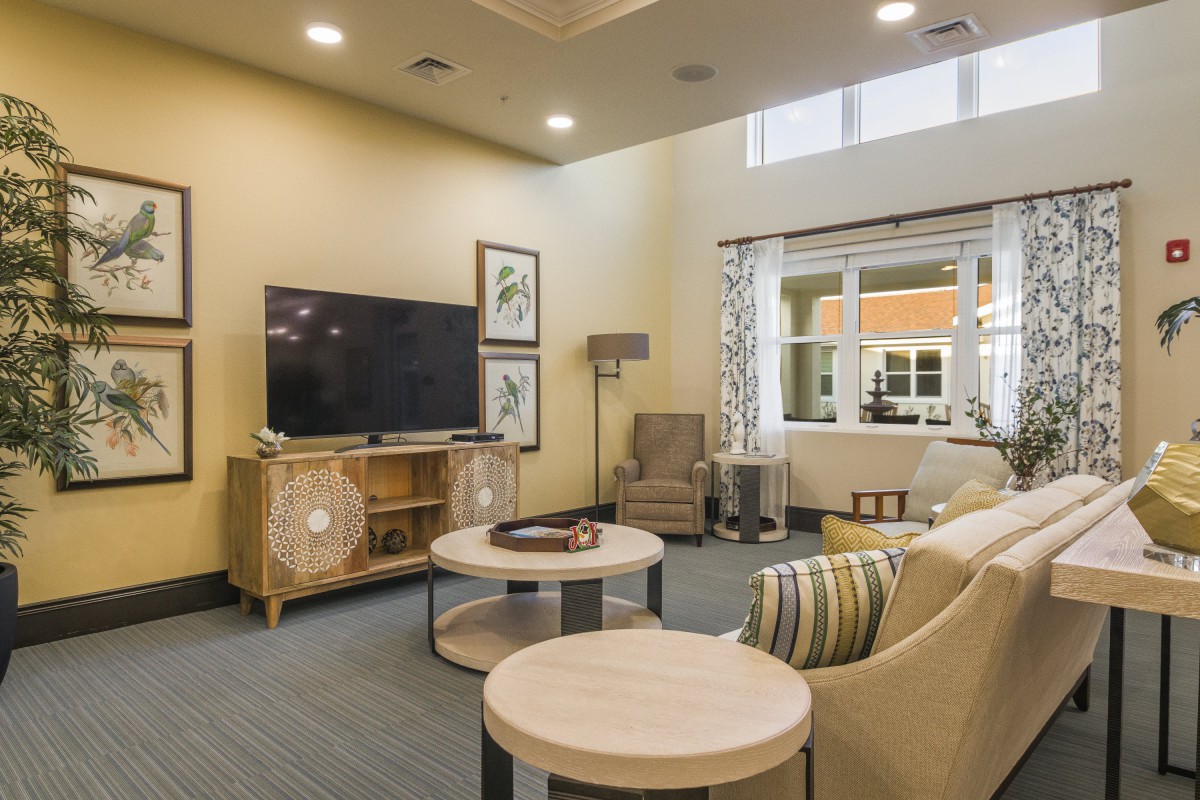
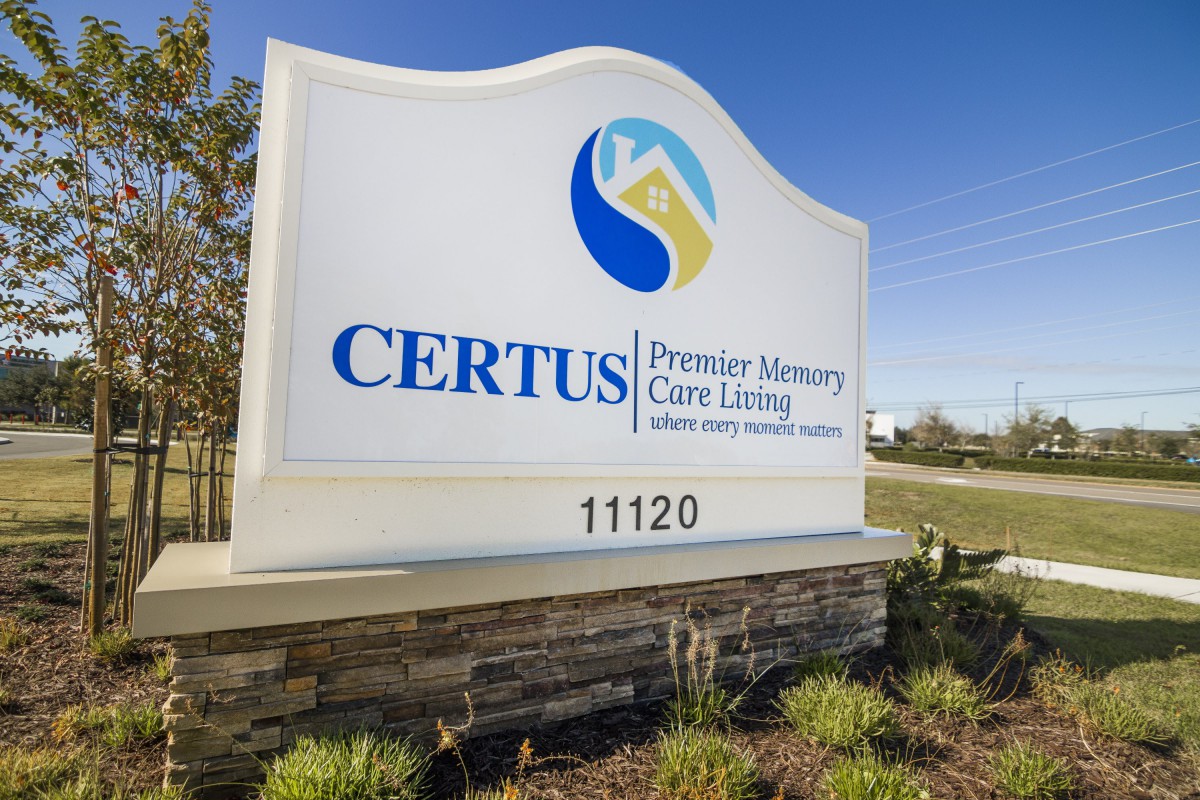
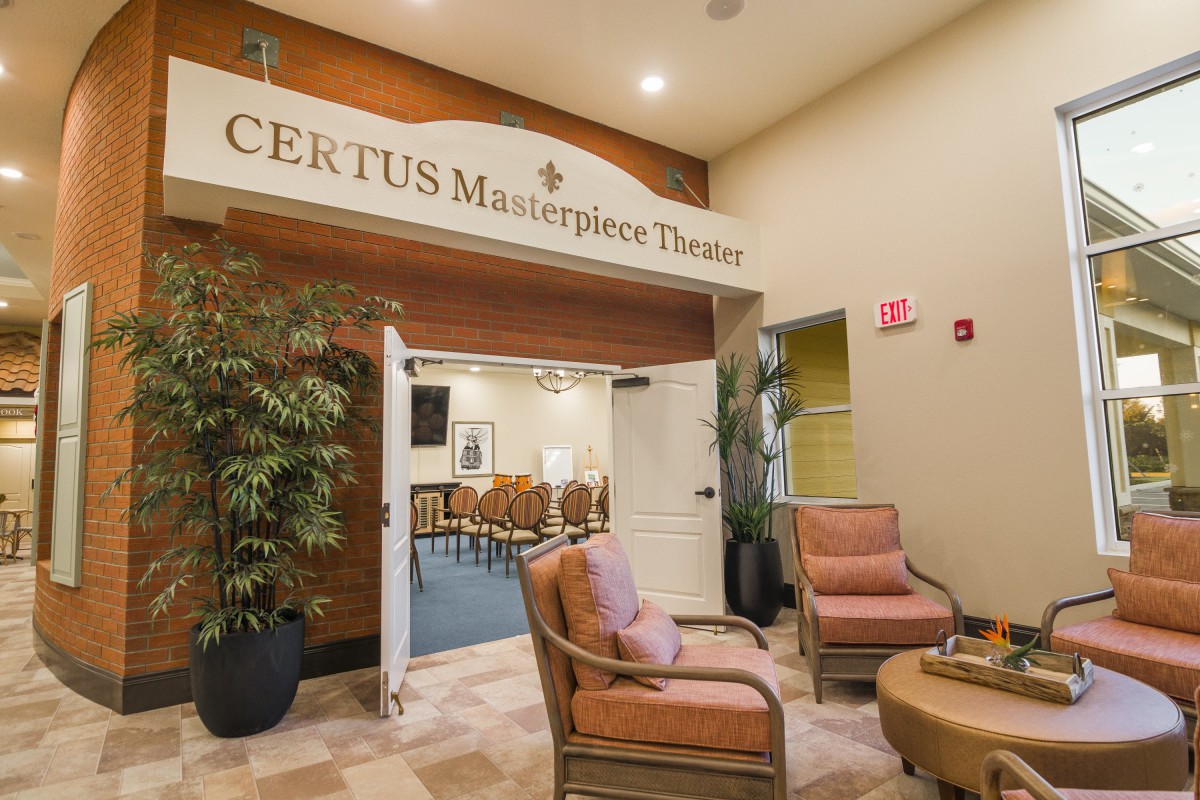
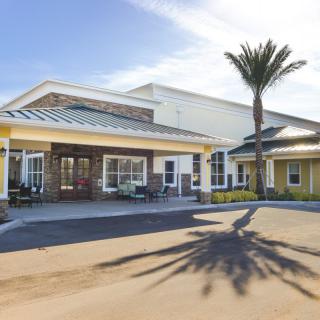
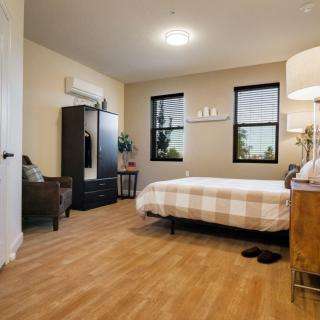
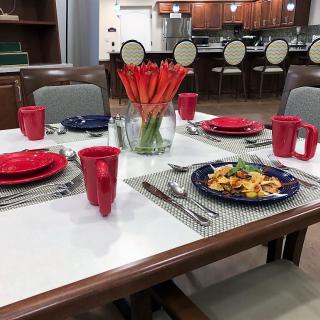
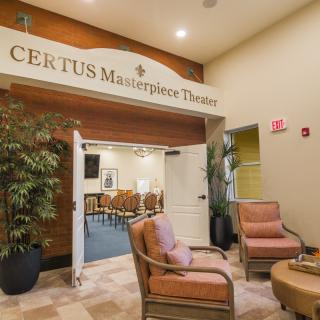
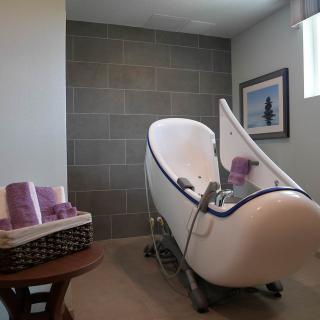
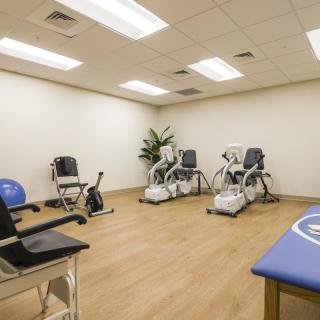
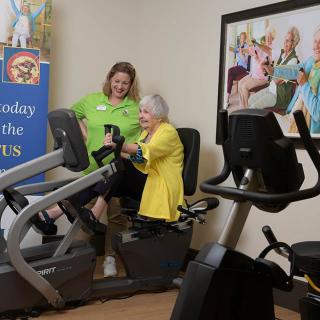
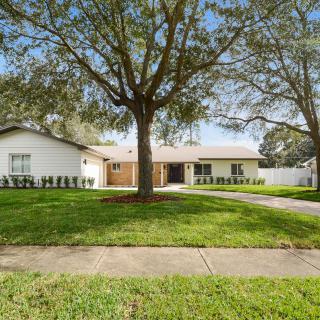
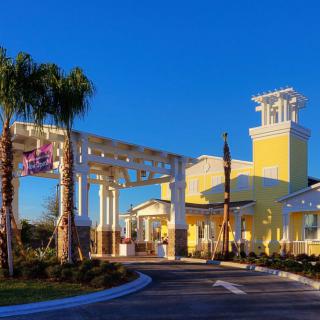
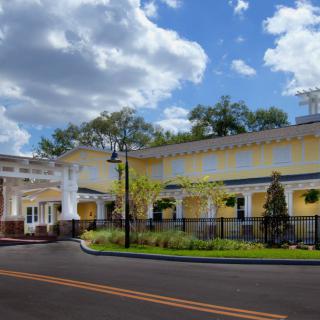
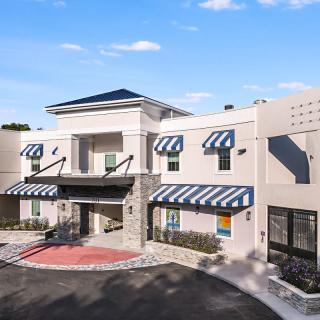
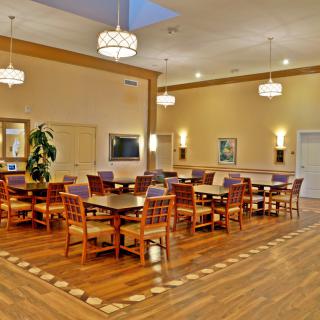
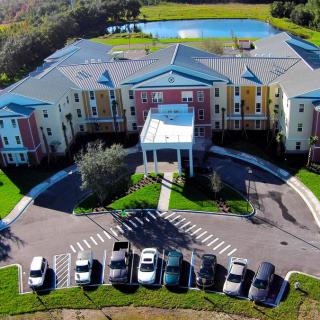
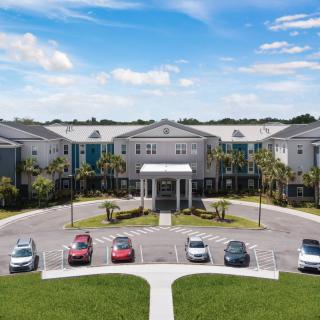
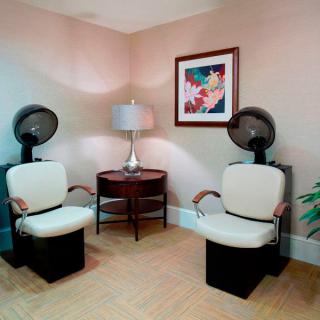
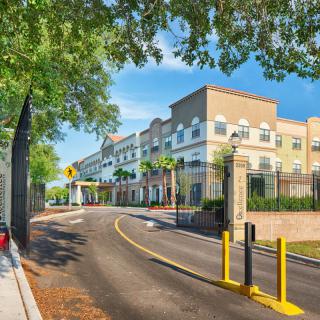
CERTUS at Waterford Lakes on seniors.fyi includes 15 photos including images showing interior, bedroom, floor plan, bathroom, decor, entrance, seating area, exercise equipment, and more.
Nearby Communities
Nurturing Helpers Home Care LLC
Orlando, FL
5 from 6 reviews
Close to cafes, pharmacies, healthcare, restaurants, worship sites, and theater.
Certus Wl Opco
Orlando, FL
4.9 from 100 reviews
Comprehensive memory care with 24/7 supervision and rich amenities.
Dean Road Retirement Home
Orlando, FL
4.5 from 29 reviews
Strong nearby amenities and healthcare access (pharmacies, physicians, dining, worship, and entertainment).
White Flowers Assisted Living Facility
Orlando, FL
4.5 from 121 reviews
$1,800 to $2,500 / month
Attentive, nurturing staff and a welcoming environment where residents can settle in.
Gentry Park Orlando
Orlando, FL
4.6 from 90 reviews
Friendly, caring staff in a clean, amenity-rich community.
Gentry Park
Orlando, FL
4.6 from 118 reviews
$3,025 to $4,455 / month
Friendly staff and engaging activities in spacious, well-maintained apartments.
Rio Pinar Health Care
Orlando, FL
3.3 from 60 reviews
$2,995 to $5,500 / month
Attentive, compassionate medical staff providing responsive care.
Encore at Avalon Park
Orlando, FL
4.2 from 110 reviews
$3,900 to $5,500 / month
Caring staff with engaging activities and clean, well-maintained spaces.
Medicaid coverage for assisted living varies by state and is primarily available to low-income individuals, with eligibility dependent on strict income and asset limits. Some states offer HCBS waivers for specific services in assisted living, but families must generally cover room and board costs, and should verify facility acceptance of Medicaid while considering potential waiting lists.
Medicaid waivers for assisted living services provide vital support for seniors and individuals with disabilities in need of long-term care, with varying state-specific eligibility criteria and benefits. These waivers cover personal care and case management but often do not fully cover room and board, leading to waiting lists for many applicants.
The article compares assisted living and skilled nursing facilities, detailing their differing levels of assistance, medical support, cost structures, and day-to-day experiences. It emphasizes that assisted living is for those needing help with daily activities while maintaining independence, whereas skilled nursing facilities provide intensive medical care with 24-hour staff supervision.
Exercise Equipment, Rehabilitation, and Physical Therapy
Gym, Fitness, and Exercise
Additional Photos
Get PricingAsk A QuestionSchedule A TourContact Senior Advisor
By clicking submit, you agree to our Partner's Terms of Use. You
also consent to receive calls and texts, which may be autodialed, from our Partner. Your consent is not a condition to
using our Partner's service. Please visit our Partner's Privacy Policy for information about their privacy practices.

 Studio apartments
 Memory Care
 Activities off-site
 Air-conditioning
 Bath tubs
 Beautician on-site
 Ground floor units
 Indoor common areas
 Outdoor common areas
 Respite or short term stays offered
 Wheelchair accessible showers
 Wi-Fi/high-speed internet available
 Orlando International (8 miles away)
 Ambulatory care
 High acuity care
 Incontinence care
 Medication management
 Guest meals
 Art classes
 Brain fitness
 Cooking classes
 Day trips and outings
 Educational speakers / life long learning
 Gardening club
 Karaoke
 Live dance or theater performances
 Live musical performances
 Live well programs
 Close to cafes, pharmacies, healthcare, restaurants, worship sites, and theater.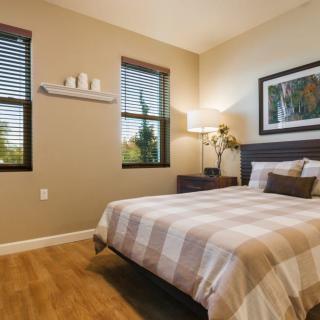


 How and When Medicaid May Cover Assisted Living Costs
 A Detailed Exploration of Assisted Living Medicaid Waivers Across the United States
 Exploring the Contrasts Between Assisted Living and Skilled Nursing