White Flowers Assisted Living Facility Costs & Pricing
White Flowers Assisted Living Facility offers competitive pricing for its services compared to the broader market in Orange County and throughout Florida. With a monthly cost of $1,800 for a semi-private room, it stands significantly lower than the averages of $3,041 in Orange County and $3,009 statewide. For those seeking more privacy, a one-bedroom option is available at $2,400, which also presents a more budget-friendly alternative compared to the county's average of $3,903 and the state's average of $3,864. Additionally, the private room rate at White Flowers is set at $2,500 - again below the county's and state's respective averages of $3,441 and $3,699. This pricing strategy not only highlights White Flowers' commitment to affordability but also underscores its value in providing quality care within an increasingly costly landscape.
Floor plans
White Flowers Assisted Living Facility
Orange County
Florida
Semi-Private
$1,800
$3,041
$3,009
1 Bedroom
$2,400
$3,903
$3,864
Private
$2,500
$3,441
$3,699
Memory care communities with a similar price nearby
Overall Review of White Flowers Assisted Living Facility
common34 reviews mention this
Staff kindness and attentiveness
Residents and families repeatedly describe staff as kind, respectful, and responsive.
Many reviews highlight considerate, patient interactions—from nurses and CNAs to therapists and social workers. Multiple people say they felt welcomed and kept informed, and several mention specific staff members who were attentive during visits or care. A few reviews also describe poor responsiveness and compassion, including slow or missed call-backs, but the overall feedback leans strongly toward caring day-to-day support.
common28 reviews mention this
Clean, well-kept facility
Cleanliness is a frequent point of praise across reviews.
A large share of reviewers describe the facility as clean and well maintained, often noting hallways, rooms, and the overall smell or freshness. Several families also connect cleanliness with comfort and peace of mind while a loved one is there. There are also a handful of negative experiences that mention hygiene or being left soiled for hours, which stands in contrast to the more common impressions.
common10 reviews mention this
Food quality and tailored meals
Meals are discussed often, with both praise and complaints in reviews.
Some residents and visitors say the food tastes good and that meals supported specific dietary needs. Others mention missed items or disliked foods being served, and a few critiques focus on meal quality and salt levels. The community offers dining options that align with special dietary restrictions, which matches the recurring theme of diet-specific meals appearing in reviews.
differentiator12 reviews mention this
Rehab and therapy progress
Rehabilitation support is a major focus, and reviews describe meaningful therapy experiences.
Reviews frequently mention physical, occupational, or speech therapy and describe progress such as regaining strength or improving mobility. At the same time, some reviewers report concerns about therapy being too infrequent or constrained, and one review describes discharge or follow-up decisions that felt poorly coordinated. Overall, residents and families tend to tie outcomes to how therapy is delivered day to day.
caveat7 reviews mention this
Care responsiveness and safety concerns
Some reviews raise serious concerns about responsiveness and safety.
A minority of reviews describe slow response times, missed or delayed medications, and difficulty getting help when call buttons were pressed. These accounts also include hygiene lapses and concerns about wounds and preventable complications. One negative review goes further, saying staff lacked proper monitoring and that communication around discharge and records was not handled well.
How we summarize
Counts show how many written reviews mention each theme; a review can touch several themes, and only frequently mentioned themes are displayed.
Features
Housing
6 resident community capacity
Types of Care
Assisted Living
Board and Care Home
Day Program
Memory Care
Amenities
Activities off-site
Activities on-site
Cable or satellite TV
Devotional services off-site
Dining room
Fully furnished
Garden
Housekeeping services
Indoor common areas
Move-in coordination
Outdoor space
Private
Respite or short term stays offered
Telephone
Wi-Fi/high-speed internet available
Transportation
Orlando International (10 miles away)
Care Services
24-hour supervision
Activities of daily living assistance
Ambulatory care
Assistance with bathing
Assistance with dressing
Assistance with transfers
Coordination with health care providers
Diabetes diet
Incontinence care
Meal preparation and service
Medication management
Special dietary restrictions
Transportation arrangement (medical)
Transportation to doctors appointments
Dining
Diabetes diet
Meals provided
Special dietary restrictions
Vegetarian
Activities
Activities off-site
Activities on-site
Community-sponsored activities
Devotional activities offsite
Scheduled daily activities
Nearby Places of Interest
This part of Orlando, Florida is a bustling and convenient area with a variety of dining options such as McDonald's, Chick-Fil-A, Olive Garden, Chipotle Mexican Grill, and more. There are also several pharmacies nearby including CVS Pharmacy and Walgreens for easy access to medications. In terms of healthcare, there are reputable physicians located within a few miles radius, including Legacy Family Medicine and Central Florida Pulmonary Group Pa. Additionally, the area offers entertainment options with theaters like Regal Waterford Lakes 4Dx & Imax and EPIC Theatres at Lee Vista. For those who enjoy coffee shops, there are multiple Starbucks locations in close proximity. Places of worship such as Masjid Al-Malik and St Luke's Lutheran Church provide spiritual support for residents. Transportation options like Fox Rent A Car Orlando and Lyft Parking Lot are easily accessible for travel needs. The parks in the vicinity offer outdoor recreational opportunities for leisurely strolls or picnics. Should medical care be required, hospitals such as Orlando VA Medical Center and Winter Park Memorial Hospital are situated nearby to ensure prompt attention to health needs. Overall, this area presents a well-rounded selection of amenities and services that cater to the needs of seniors seeking a comfortable living environment in Orlando.
White Flowers Assisted Living Facility offers competitive pricing for its services compared to the broader market in Orange County and throughout Florida. With a monthly cost of $1,800 for a semi-private room, it stands significantly lower than the averages of $3,041 in Orange County and $3,009 statewide. For those seeking more privacy, a one-bedroom option is available at $2,400, which also presents a more budget-friendly alternative compared to the county's average of $3,903 and the state's average of $3,864. Additionally, the private room rate at White Flowers is set at $2,500 - again below the county's and state's respective averages of $3,441 and $3,699. This pricing strategy not only highlights White Flowers' commitment to affordability but also underscores its value in providing quality care within an increasingly costly landscape.
The comprehensive features offered at White Flowers Assisted Living Facility are specifically designed to support residents with dementia and Alzheimer's disease, addressing their unique needs while promoting independence and quality of life. Assistance with dressing and bathing ensures that residents maintain personal hygiene and a sense of dignity, while medication management helps to prevent confusion regarding prescriptions, ensuring overall health stability. Meal preparation tailored to dietary requirements not only provides nutritious sustenance but also fosters familiar routines. Transportation arrangements for medical appointments facilitate necessary healthcare access, complemented by coordination with health care providers to align treatment plans effectively. Support for activities of daily living and assistance with transfers empowers residents by encouraging mobility and engagement in their environment. The 24-hour supervision offers peace of mind for both residents and families, ensuring safety at all times, while incontinence care addresses a sensitive issue with compassion, helping maintain comfort and self-esteem. Together, these services create an environment conducive to both physical well-being and emotional support within an understanding community.
Nearby Communities
Certus Wl Opco
Orlando, FL
4.9 from 100 reviews
Comprehensive memory care with 24/7 supervision and rich amenities.
CERTUS at Waterford Lakes
Orlando, FL
4.8 from 127 reviews
$6,350 / month
Clean, home-like environment with caring staff and open family communication.
Nurturing Helpers Home Care LLC
Orlando, FL
5 from 6 reviews
Close to cafes, pharmacies, healthcare, restaurants, worship sites, and theater.
Smallville II
Orlando, FL
Small, well-furnished board-and-care with 24/7 supervision, nutritious meals with dietary accommodations, and transportation for medical appointments.
First Quality Homemaker/Companion Services
Orlando, FL
5 from 3 reviews
Excellent care from dedicated staff with easy access to nearby healthcare and amenities.
Sweet Home Assisting Living
Orlando, FL
4.3 from 30 reviews
Fully furnished apartments with 24/7 supervision, ADL support, meals, housekeeping, transportation to medical appointments, and daily activities.
Encore at Avalon Park
Orlando, FL
4.2 from 110 reviews
$3,900 to $5,500 / month
Caring staff with engaging activities and clean, well-maintained spaces.
Rio Pinar Health Care
Orlando, FL
3.3 from 60 reviews
$2,995 to $5,500 / month
Attentive, compassionate medical staff providing responsive care.
Transitioning from assisted living to memory care is driven by an individual's cognitive decline and specific needs, requiring careful evaluation of indicators like increased confusion and wandering. The process involves consulting medical professionals, researching suitable communities, considering financial and legal aspects, and ensuring effective communication for personalized care plans.
The article differentiates between assisted living and memory care, explaining that assisted living supports seniors with daily activities while promoting independence, whereas memory care provides specialized services for individuals with dementia, focusing on secure environments and cognitive support. It also addresses staff training, safety considerations, costs, family involvement, and transition strategies for families navigating these care options.
The article outlines effective communication strategies for interacting with loved ones with dementia, highlighting the need for empathy, patience, and understanding while emphasizing supportive approaches like using simple language, minimizing distractions, and focusing on feelings over facts to maintain dignity and foster connection. It also suggests seeking professional guidance when needed as communication challenges evolve.
Get PricingAsk A QuestionSchedule A TourContact Senior Advisor
By clicking submit, you agree to our Partner's Terms of Use. You
also consent to receive calls and texts, which may be autodialed, from our Partner. Your consent is not a condition to
using our Partner's service. Please visit our Partner's Privacy Policy for information about their privacy practices.

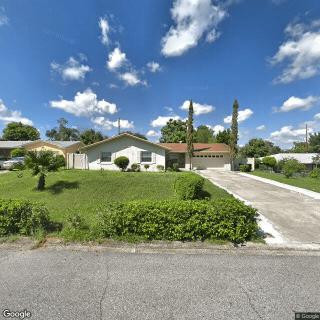

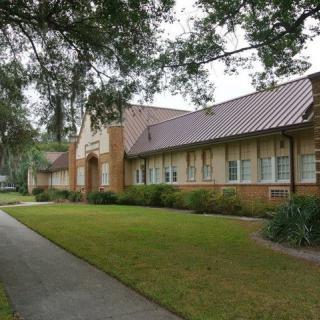
 6 resident community capacity
 Assisted Living
 Board and Care Home
 Day Program
 Memory Care
 Cable or satellite TV
 Devotional services off-site
 Dining room
 Fully furnished
 Garden
 Housekeeping services
 Indoor common areas
 Move-in coordination
 Outdoor space
 Private
 Respite or short term stays offered
 Telephone
 Wi-Fi/high-speed internet available
 Orlando International (10 miles away)
 24-hour supervision
 Ambulatory care
 Assistance with bathing
 Assistance with dressing
 Assistance with transfers
 Diabetes diet
 Incontinence care
 Meal preparation and service
 Medication management
 Special dietary restrictions
 Transportation arrangement (medical)
 Transportation to doctors appointments
 Comprehensive memory care with 24/7 supervision and rich amenities.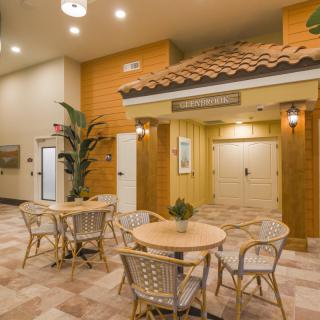




 When to Transition from Assisted Living to Memory Care: Key Indicators, Steps, and Finding the Right Community
 Understanding the Distinctions: Assisted Living and Memory Care Explained
 How to Communicate with a Loved One Living with Dementia: 10 Supportive Strategies