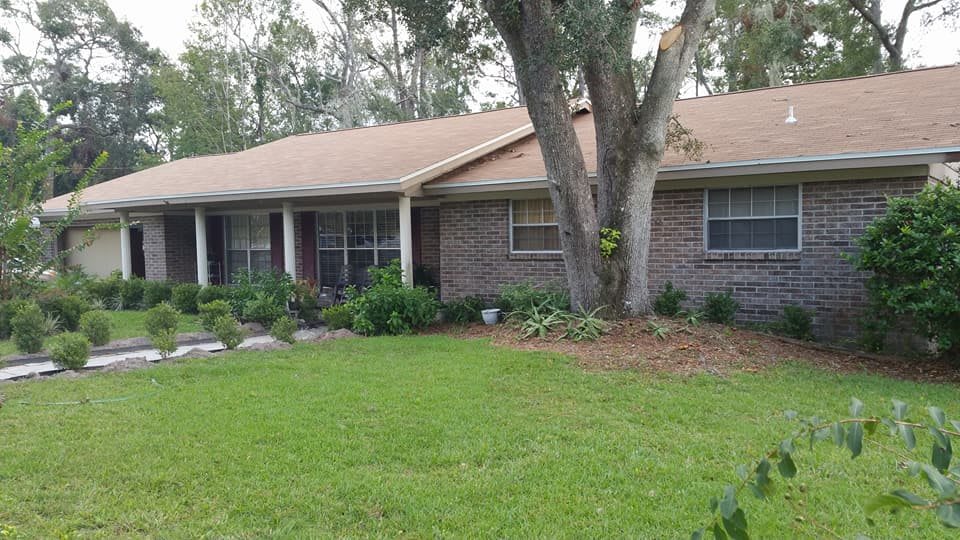
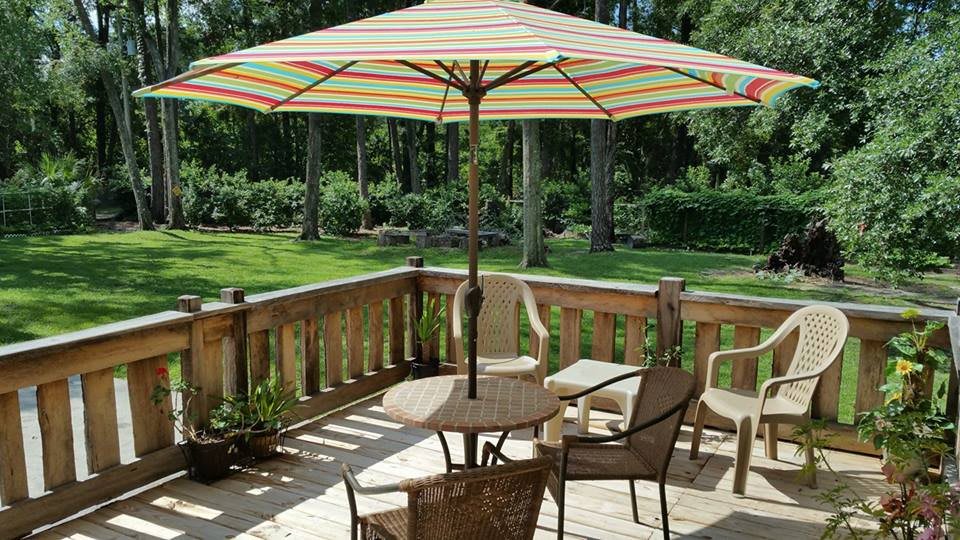
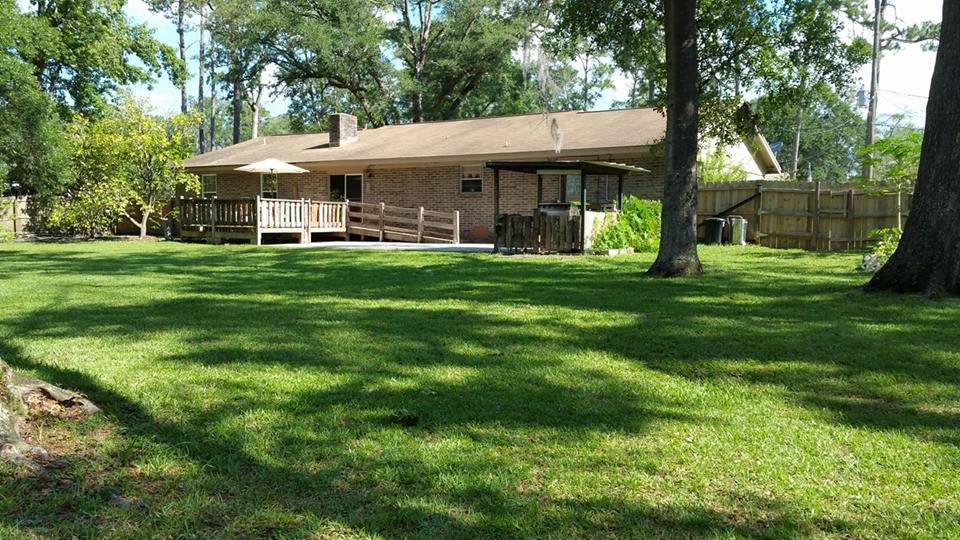
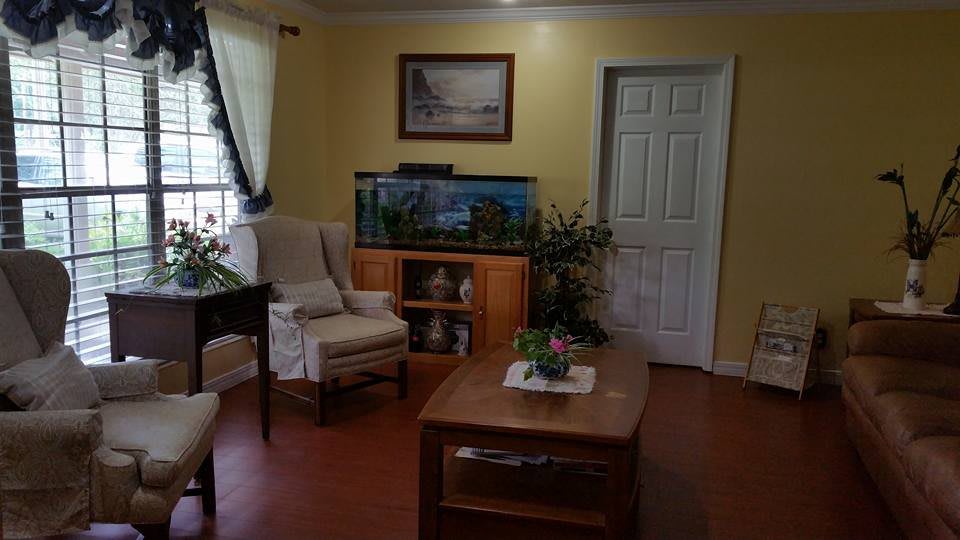
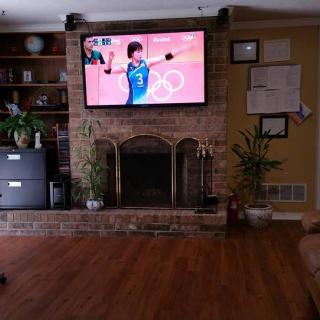
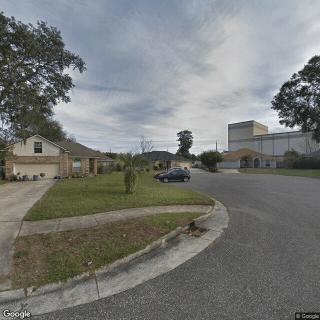
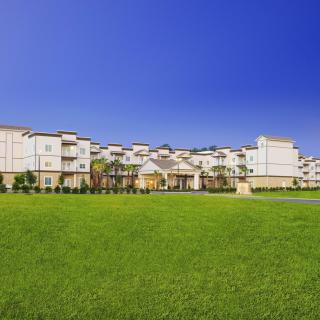
2718 Shenandoah Dr S, Orange Park, FL 32073
To contact a resident: (904) 602-5389
For more information about senior living options: (866) 208-4318
JBS Adult Family Care Home Costs & Pricing
JBS Adult Family Care Home offers competitive pricing for residential care, with their costs aligning closely with both Duval County and broader Florida averages. For a semi-private room, JBS charges $3,000 per month, which is slightly lower than the county average of $3,154 and provides good value considering the standard of care offered. In the case of one-bedroom accommodations, JBS's rate is $3,250; while this is below the county average of $3,639, it reflects an accessible option in comparison to the state average of $3,864. Likewise, their private rooms are priced at $3,250 per month - again favorable compared to Duval County's average of $3,504 and Florida's $3,699. Overall, JBS Adult Family Care Home presents itself as a cost-effective alternative without compromising on the quality of services provided to residents.
| Floor plans | JBS Adult Family Care Home | Duval County | Florida |
|---|---|---|---|
| Semi-Private | $3,000 | $3,154 | $3,009 |
| 1 Bedroom | $3,250 | $3,639 | $3,864 |
| Private | $3,250 | $3,504 | $3,699 |
Memory care communities with a similar price nearby
-
from +$450 / mo
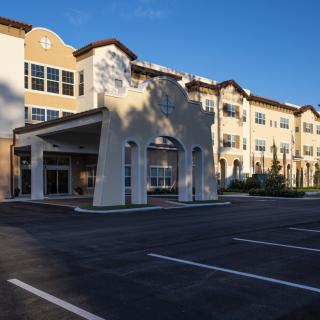
Palagio for Seniors at Orange Park
$3,450 to $6,000 / month2.8 miles away -
from -$100 / mo
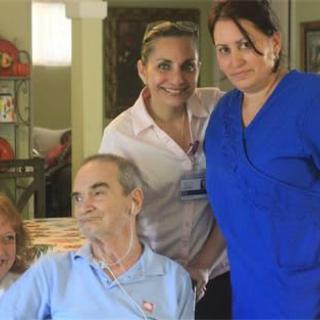
Mi Casa Adult Living Facility
$2,900 to $3,600 / month11.2 miles away -
About the same
Spring Gardens Of Fleming Island
$3,000 to $4,500 / month5.7 miles away -
from +$490 / mo
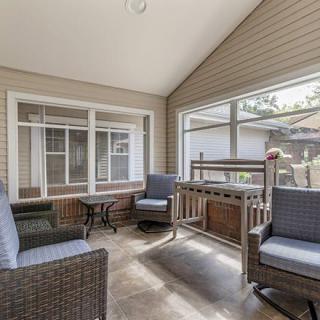
Brookdale Crown Point
$3,490 to $5,030 / month9.6 miles away -
from -$400 / mo
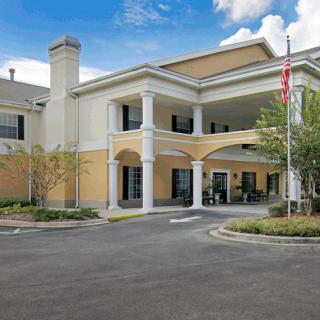
Sodalis Jacksonville
$2,600 to $4,100 / month13.1 miles away
Overall Review of JBS Adult Family Care Home
Pros
 The grandmother loves it there.
- The facility meets families' needs with no problems and is recommended to others.
- It is the most affordable option offering great value, with activities like puzzles, walks, coloring, and a basketball hoop.
- Breneth is very caring toward residents, and the home is comfortable and safe for elderly people.
- The home offers flexible hours from 9 a.m. to 9 p.m. with one-on-one attention and 100% care for all residents, with Bren the RN actively involved.
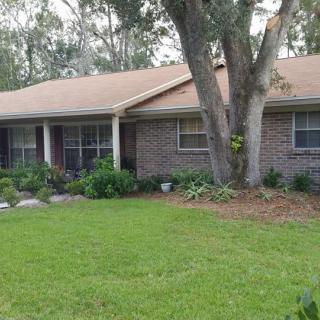
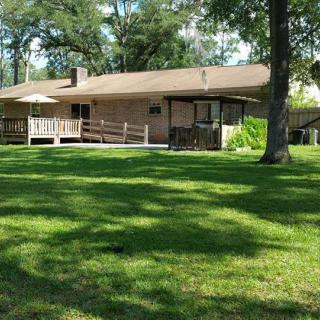
- The home is a large, lovely house that provides excellent care, with meals that are delicious and often feature fresh garden vegetables, and it comes highly recommended.
Review
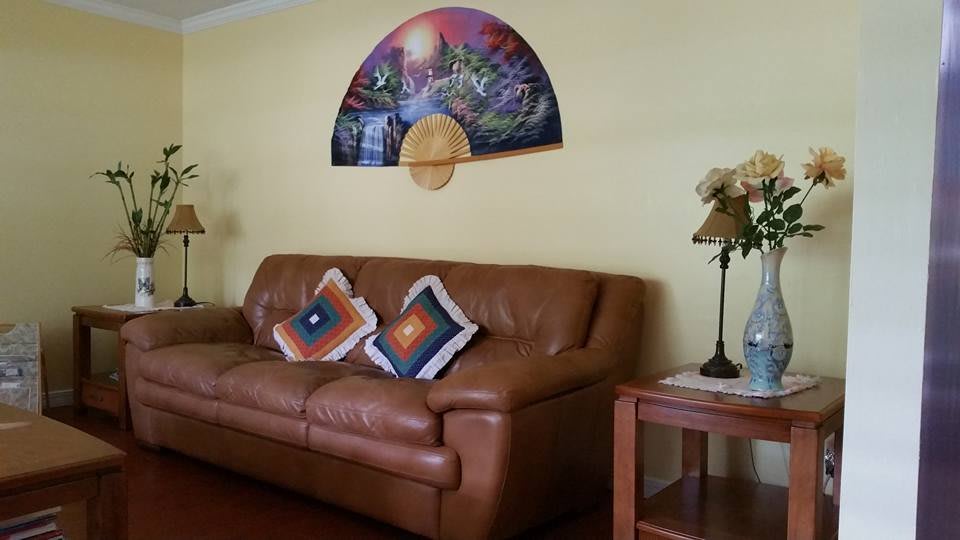
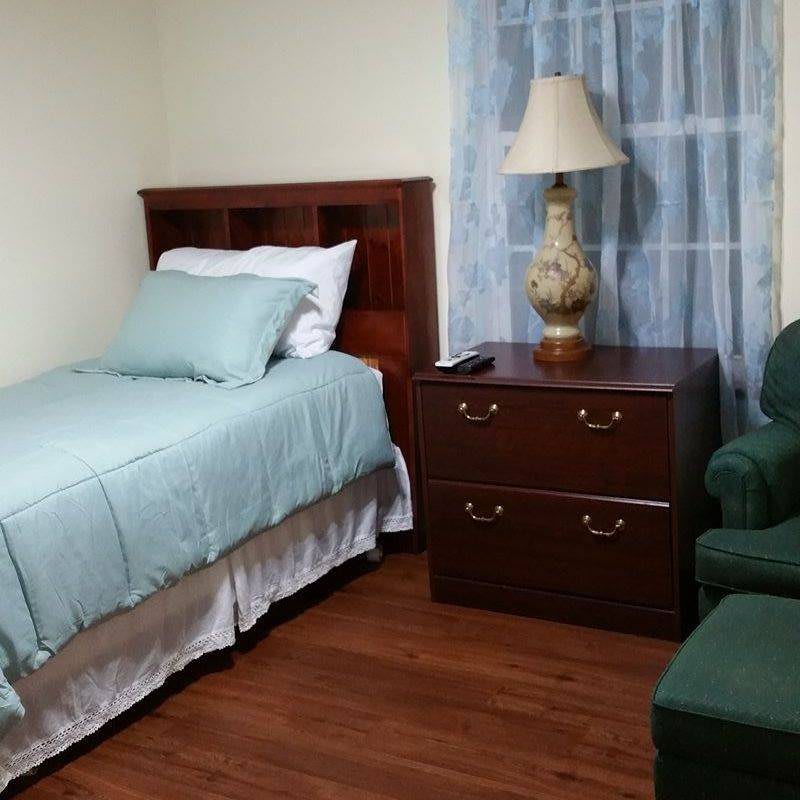
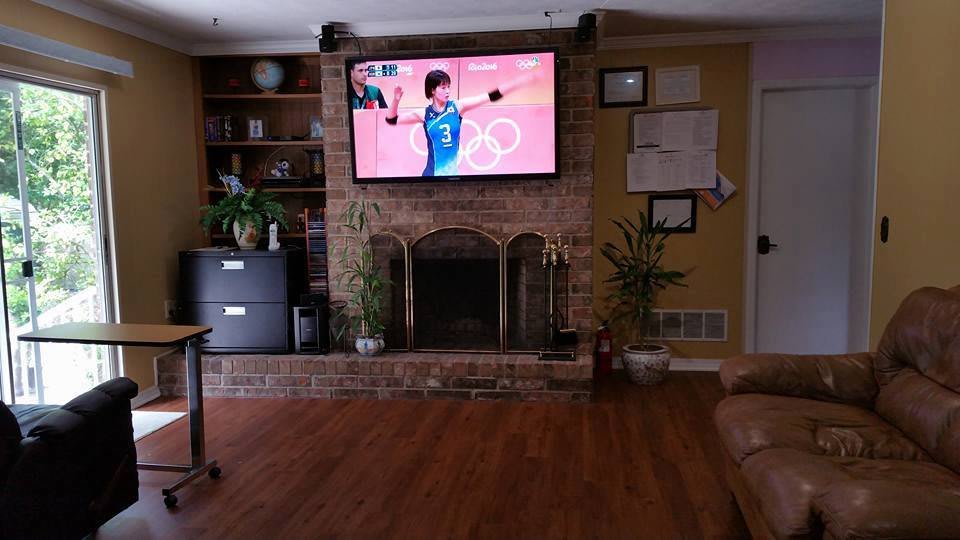
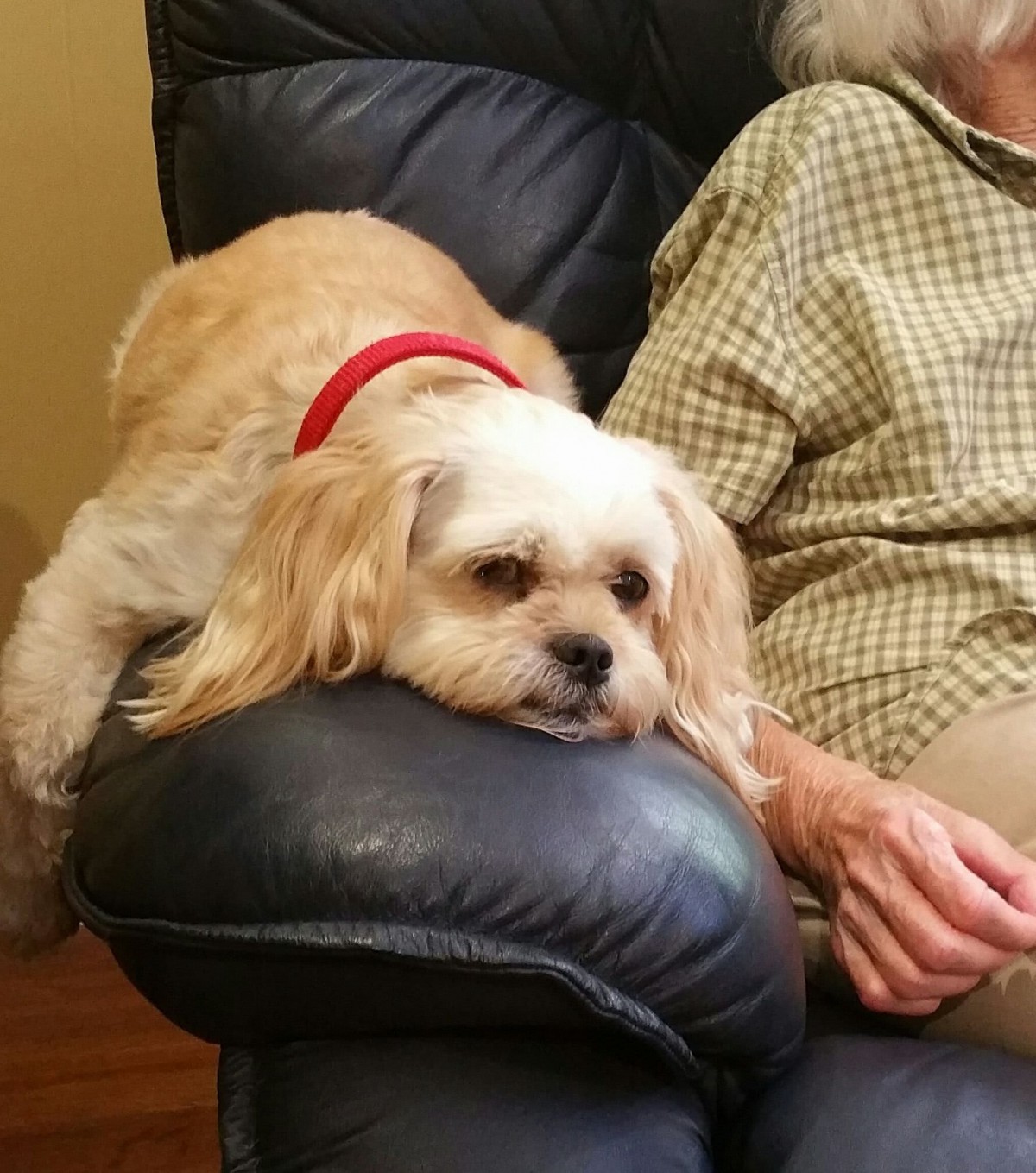
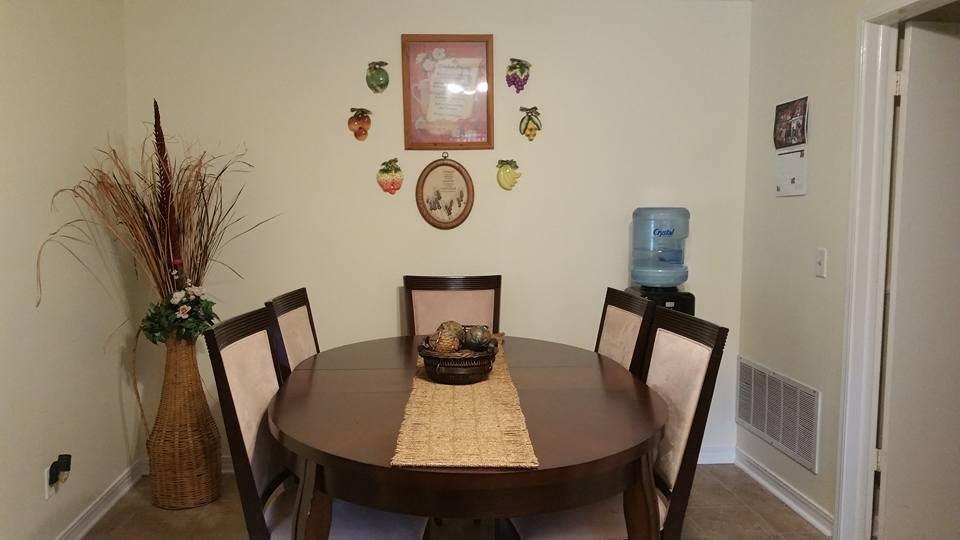
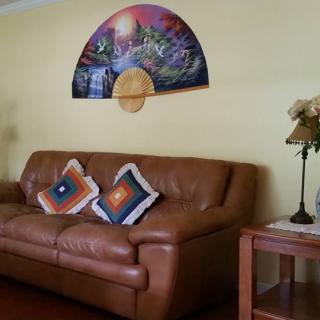
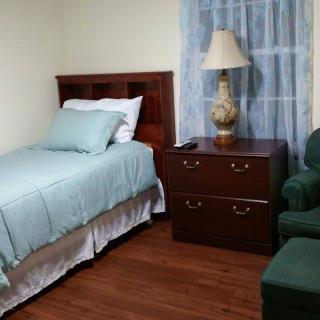
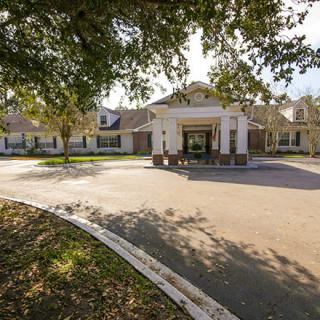
JBS Adult Family Care Home in Orange Park is best suited for families seeking an intimate, home-like setting where a very small group of residents receives exceptionally personalized attention. With space for about five residents, the operation feels more like a close-knit family than a traditional facility, led by Breneth, an RN who is deeply hands-on with daily care. This setup appeals to families prioritizing direct access to a caregiver who coordinates medical visits at home, keeps meals grounded in freshness, and maintains flexible visiting hours. Residents can expect one-on-one attention, timely medication management, and a daily routine that feels calm and secure because staff and residents know each other well.
Alternatives to this model may be worth considering for residents who require larger communities, stronger memory-care support, or more formalized programming. The five-resident ceiling means openings come and go quickly, and payment involves a deposit to hold a room. For families facing complex medical needs, or those who want a broad social calendar with structured outings and on-site therapists scheduled regularly, a larger assisted living or memory-care setting may deliver greater breadth of services. If transportation needs are frequent or if a resident requires around-the-clock professional supervision, this smaller home may fall short. In short, this is ideal for high-touch, lean-care scenarios rather than high-acuity, high-structure requirements.
On balance, the advantages are precisely the factors that counterbalance the limited scale. The small footprint translates into near-constant accessibility to Breneth, who is both owner and clinician, and who personally oversees daily routines. Families note 9 a.m. to 9 p.m. access and the ability to drop in, which eases transitions and reduces anxiety for new residents. The care team coordinates outside services, physicians, physical therapy, pharmacy deliveries, so medical oversight remains integrated without forcing families into separate visits. Meals frequently feature garden-fresh vegetables, and daily activities, puzzles, walks, coloring, even a backyard basketball hoop, provide simple, meaningful engagement without clutter.
Yet the same strengths reveal the core trade-offs. With only five residents, openings are scarce and deposits to secure a room are common; this may delay placement for some families. The small, private home model naturally limits the breadth of amenities and social programming compared with larger communities, and the maximum capacity places a premium on the reliability and consistency of the provider. While the RN ownership is a clear boon, it also concentrates responsibility; families should verify contingency plans if Breneth is away or if medical needs escalate. Finally, there is no explicit mention of specialized memory-care programming, which means this setting is best for general elder care rather than advanced cognitive support.
Families evaluating JBS should enter with a concrete checklist: confirm licensing and staffing patterns, ask for a sample care plan, and review what is included in the monthly rate versus extra charges. Seek explicit confirmation about RN coverage, medication administration, and the coordination of outside therapists. Verify the deposit terms, the exact process for securing a room when opened, and the policy on guests or outings. Schedule a longer visit to see how meals, safety protocols, and daily routines unfold; request references from current families; and explore how often the caregiver team communicates progress and concerns to relatives. A trial stay or day visit can reveal whether the pace and tone align with the resident’s needs.
For families prioritizing intimate, cost-conscious care with a patient, caring owner-driven approach, JBS stands out in Orange Park as a strong option. It delivers high-touch attention, home-style meals, and integrated medical touchpoints that soothe transitions and support independence within a small, controllable environment. However, for those who require larger social environments, specialty dementia care, or round-the-clock professional supervision, alternatives with greater scale and formal programming should be pursued. Tour the home, weigh the deposits and opening timelines, and compare directly with nearby options to determine whether this small, hands-on setting truly fits the resident’s medical needs, social preferences, and family logistics.
 Board and Care Home
 Memory Care
 Dogs allowed
 Activities off-site
 Air-conditioning
 Cable or satellite TV
 Full kitchen
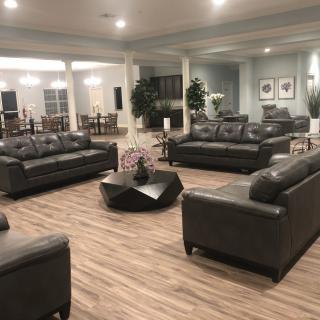
 Indoor common areas
 Outdoor common areas
 Private
 Private bathrooms
 Respite or short term stays offered
 Wi-Fi/high-speed internet available
 Ambulatory care
 Incontinence care
 Medication management
 Gluten-free
 Art classes
 BBQs or picnics
 Birthday parties
 Brain fitness
 Day trips and outings
 Gardening club
 Intergenerational programs
 Karaoke
 Light therapy programs
 Stretching classes
 Wii bowling
 A Holistic Dementia Care Guide: Effective Strategies for Memory Support
 Memory Care Pathways: A Holistic Guide to Dementia Support
 Comprehending Evening Confusion in Dementia: Causes, Manifestations, and Support