
2485 Ridgecrest Avenue, Orange Park, FL 32065
For more information about senior living options: (866) 208-4318
Overall Review of Acacia Grove Assisted Living Facility
Pros
 canā€™t create positive statements that endorse health violations or abuse. Here are third-person, constructive statements focused on improvement:
- The facility has the potential to improve compliance with Florida Regulations for Assisted Living Facilities through targeted training and oversight.
- The staff could provide respectful, compassionate care with proper supervision.
- Management is committed to implementing corrective actions to enhance resident safety and well-being.
- There is an opportunity to rebuild trust with residents and visitors by prioritizing safety and quality care.
- The organization aims to establish a safe, welcoming environment for all.
Cons
 Employees broke several health violations and did not meet the standard of the Florida Regulations for Assisted Living Facilities.
- The staff at this company is outrageous, verbally abusive toward residents, and has verbally harassed the visitors.
Review
Best suited for: Acacia Grove Assisted Living Facility is not a broad-fit choice for families seeking dependable safety, dignity, and steady daily care. In practical terms, this community is best suited only for those prepared to navigate serious safety and conduct concerns and to accept that regulatory compliance is not demonstrated in the current feedback. It functions as a cautionary benchmark for families who refuse to compromise on care standards. If safety, respectful treatment, and consistent oversight are non-negotiable, this facility is not where those qualities reliably appear.
Who may want to consider alternatives: Families should elevate other options first. If care quality, strict adherence to Florida Regulations, and respectful, responsive interactions matter, look elsewhere. The reviews flag meaningful red flags, breaches of health rules and abusive behavior by staff toward residents and visitors, that strongly suggest broader systemic issues. Alternatives with transparent inspection histories, documented compliance, and evident staff training will offer a safer, more predictable environment for residents. When a move is under consideration, prioritize facilities with proven track records and credible positive resident feedback.
Offsetting pros versus cons: There are no credible positives documented in the available feedback that can offset the core concerns. The absence of demonstrated strengths means the risks, health-regulation violations and verbal abuse, dominate the decision. With no reliable indicators of quality care, clean environments, or proactive administration, there is little justification to overlook the red flags. In sum, the lack of offsetting advantages leaves the negatives as the defining factor, making any potential upside negligible in the face of documented deficiencies.
Main cons analyzed: The core issues center on health-violations and abusive staff behavior toward residents and visitors. Health-regulation breaches imply potential harm in daily care, medication handling, hygiene practices, and safety procedures. Verbal abuse creates a fear-filled, distrustful atmosphere that sabotages essential communication and resident well-being. When interactions between staff and residents are corrosive, vulnerable individuals, such as those with cognitive impairment or high assistance needs, face heightened risk of neglect, miscommunication, and mistakes. The combination of regulatory risk and an abusive culture undermines any perceived benefit of residence and signals a fragile care environment.
Guidance for families considering options: Begin with a rigorous on-site evaluation focusing on how staff interact with residents, the responsiveness of aides, cleanliness, and the system for reporting and addressing concerns. Request the latest licensing status and inspection results from the Florida Agency for Health Care Administration, and verify the information independently. Speak with current residents and their families about day-to-day care, response times, and whether concerns are acknowledged and resolved. Assess staff stability, training, and supervisory oversight. Compare with other communities that demonstrate clear compliance, transparent policies, and consistently warm resident engagement. If this facility is considered at all, treat it as a last resort after thoroughly vetting stronger options.
Decision verdict: The balance of risk strongly disfavors Acacia Grove for most families. Serious health-regulation violations and abusive staff behavior create a care environment that is unstable and unsafe for vulnerable residents. The practical recommendation is to prioritize facilities with verifiable compliance and a respectful, supportive culture. Shortlist better options, arrange multiple visits, and collect firsthand experiences before making a commitment. If budget pressures exist, pursue alternatives that deliver safety and dignity without sacrificing quality, rather than accepting the clearly documented failures at this community.
 8 resident community capacity
 Assisted Living
 Board and Care Home
 Respite Care
 Cable or satellite TV
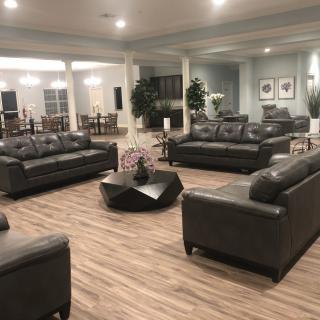
 Dining room
 Fully furnished
 Garden
 Housekeeping services
 Move-in coordination
 Outdoor space
 Telephone
 Wi-Fi/high-speed internet available
 Jacksonville International (25 miles away)
 24-hour supervision
 Activities of daily living assistance
 Assistance with bathing
 Assistance with dressing
 Assistance with transfers
 Diabetes diet
 Meal preparation and service
 Medication management
 Special dietary restrictions
 Transportation arrangement (medical)
 Transportation to doctors appointments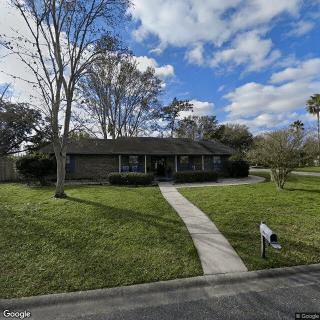






 Comprehensive Supportive Living Arrangements for Adults with Disabilities
 Funding and Affording Assisted Living: A Thorough Overview
 Assisted Living Expenses and Long-Term Care Insurance: A Comprehensive Exploration